

The automotive industry stands at a precarious crossroads. On one side, visionaries like Rivian CEO RJ Scaringe and Tesla’s Elon Musk are painting a future where the steering wheel becomes an optional accessory, and "driver fatigue" is relegated to the history books. On the other side, a growing chorus of engineers, safety researchers, and industry insiders are sounding a deafening alarm, suggesting that the industry’s pursuit of autonomy is built on a foundation of marketing hype rather than technical maturity.
As the race to achieve Level 4 autonomy—a state where vehicles can handle all driving tasks within geofenced areas without human intervention—heats up, the gap between boardroom promises and real-world performance has never been wider.
The Vision: A New Era of Mobility
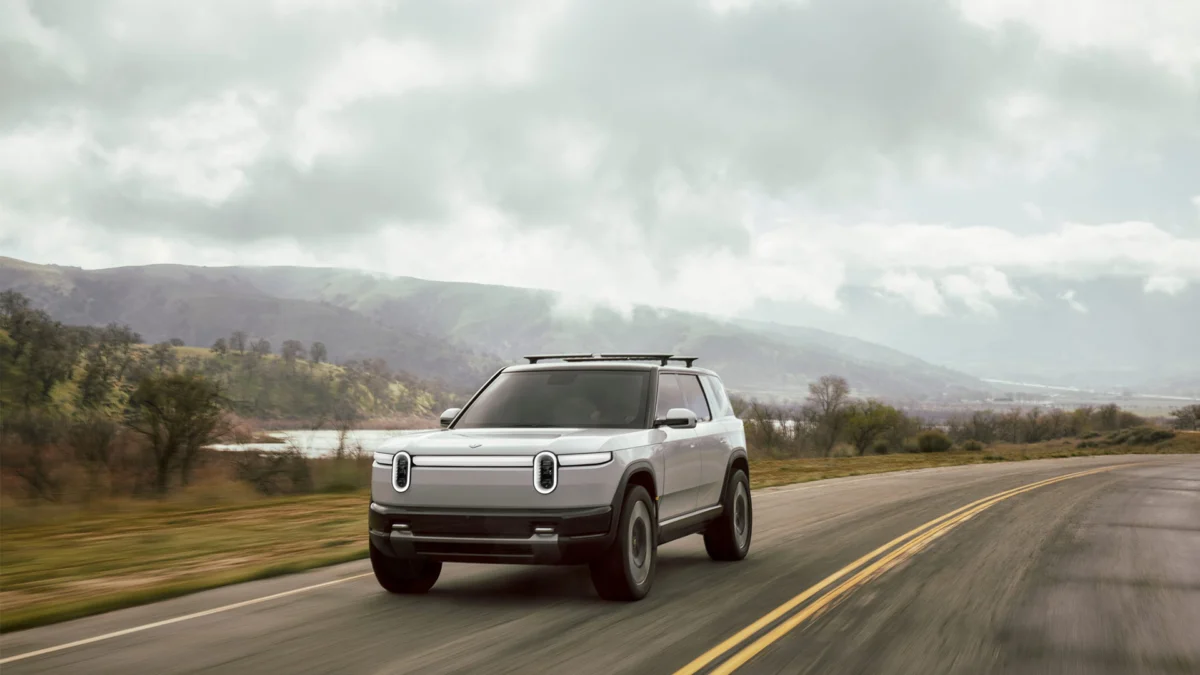
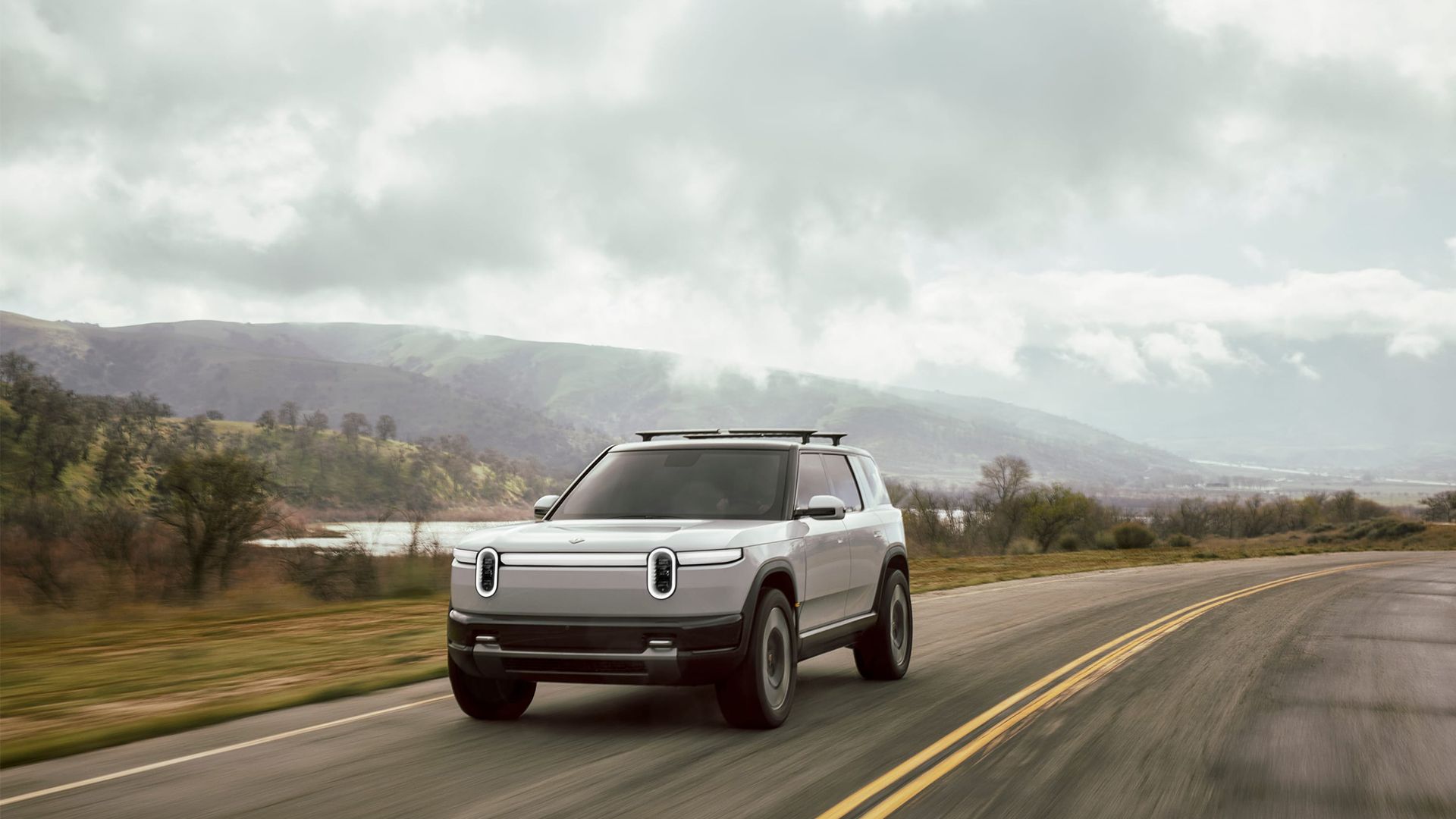
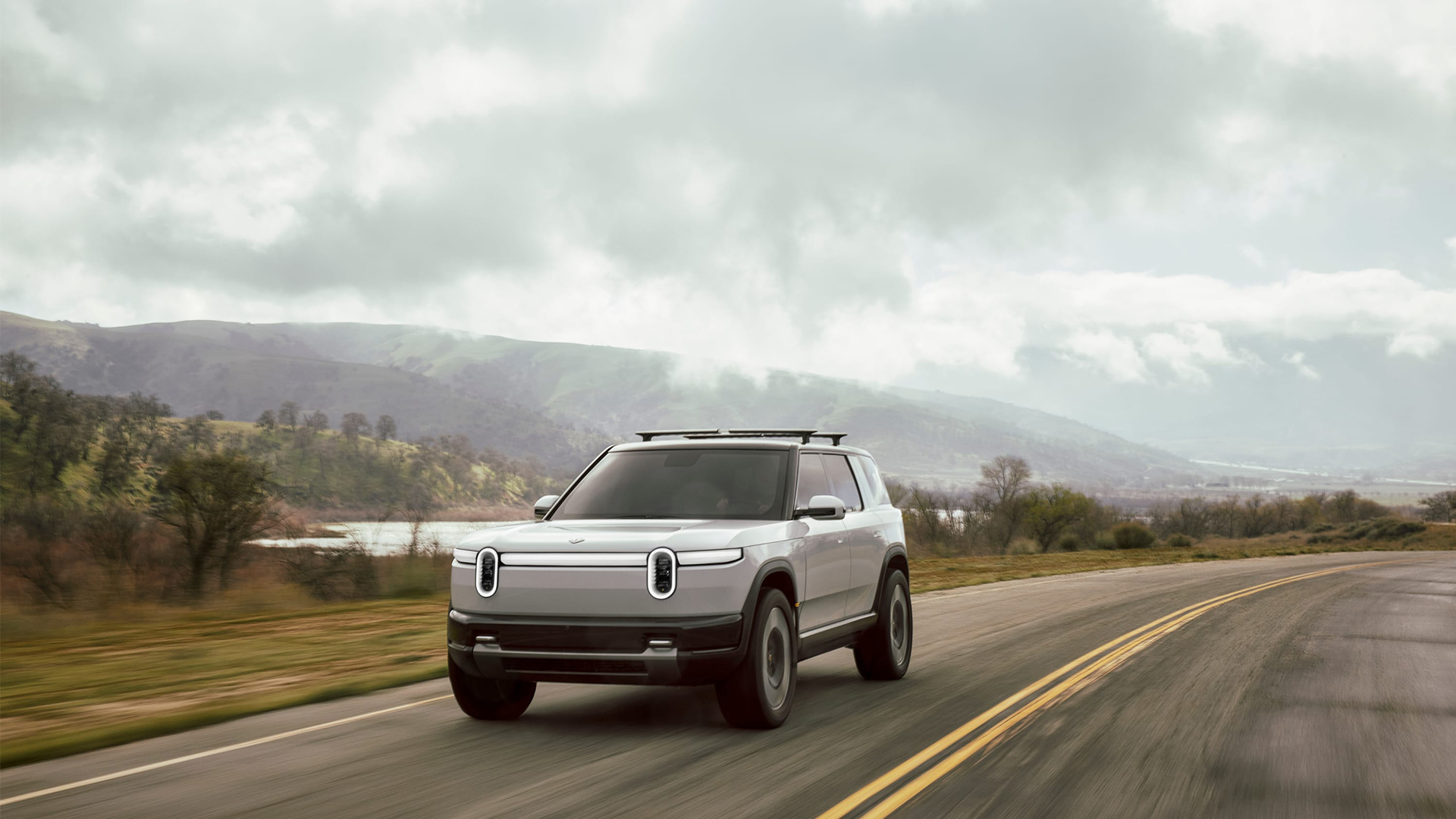
Rivian’s RJ Scaringe recently shared his optimistic outlook during a test drive of the upcoming R2, the company’s pivotal attempt to capture the mass-market electric SUV segment. According to Scaringe, the industry is on the cusp of a significant transition. He predicts a move from current Level 2 systems—which require constant driver supervision—to Level 3 capabilities within the next 18 months. Level 3 represents a watershed moment, allowing for "eyes-off" driving under specific conditions.
Scaringe’s long-term forecast is even more ambitious: he believes the industry will achieve true Level 4 autonomy by the end of the decade. In this scenario, vehicles would navigate complex environments independently, with the technology capable of bringing the car to a safe "minimal risk condition" should a system failure occur.
This vision is shared by many in Silicon Valley, who argue that the convergence of advanced microchips, sophisticated neural networks, and generative AI will unlock the final hurdles preventing fully autonomous travel.
Chronology: The Hype Cycle and the Reality Check
To understand the current skepticism, one must look at the timeline of autonomous development:
- 2015–2017 (The Era of Optimism): Industry leaders, including Tesla, projected that "Full Self-Driving" (FSD) was just a year or two away. The promise of "feature complete" software became a recurring annual announcement.
- 2018–2020 (The Regulatory Wall): As companies began deploying pilot programs, the complexity of edge cases—unexpected road conditions, erratic human behavior, and extreme weather—became apparent. The "last 1%" of the problem proved to be the most difficult to solve.
- 2021–2023 (The Accountability Shift): High-profile accidents, class-action lawsuits, and increased scrutiny from the National Highway Traffic Safety Administration (NHTSA) forced a more cautious public narrative.
- 2024–Present (The Internal Dissent): A landmark investigation by Reuters in mid-2024 revealed that even those closest to the technology—the data labelers and engineers training these systems—harbor deep-seated doubts about the safety and viability of current FSD implementations.
Supporting Data: Why the Experts are Worried
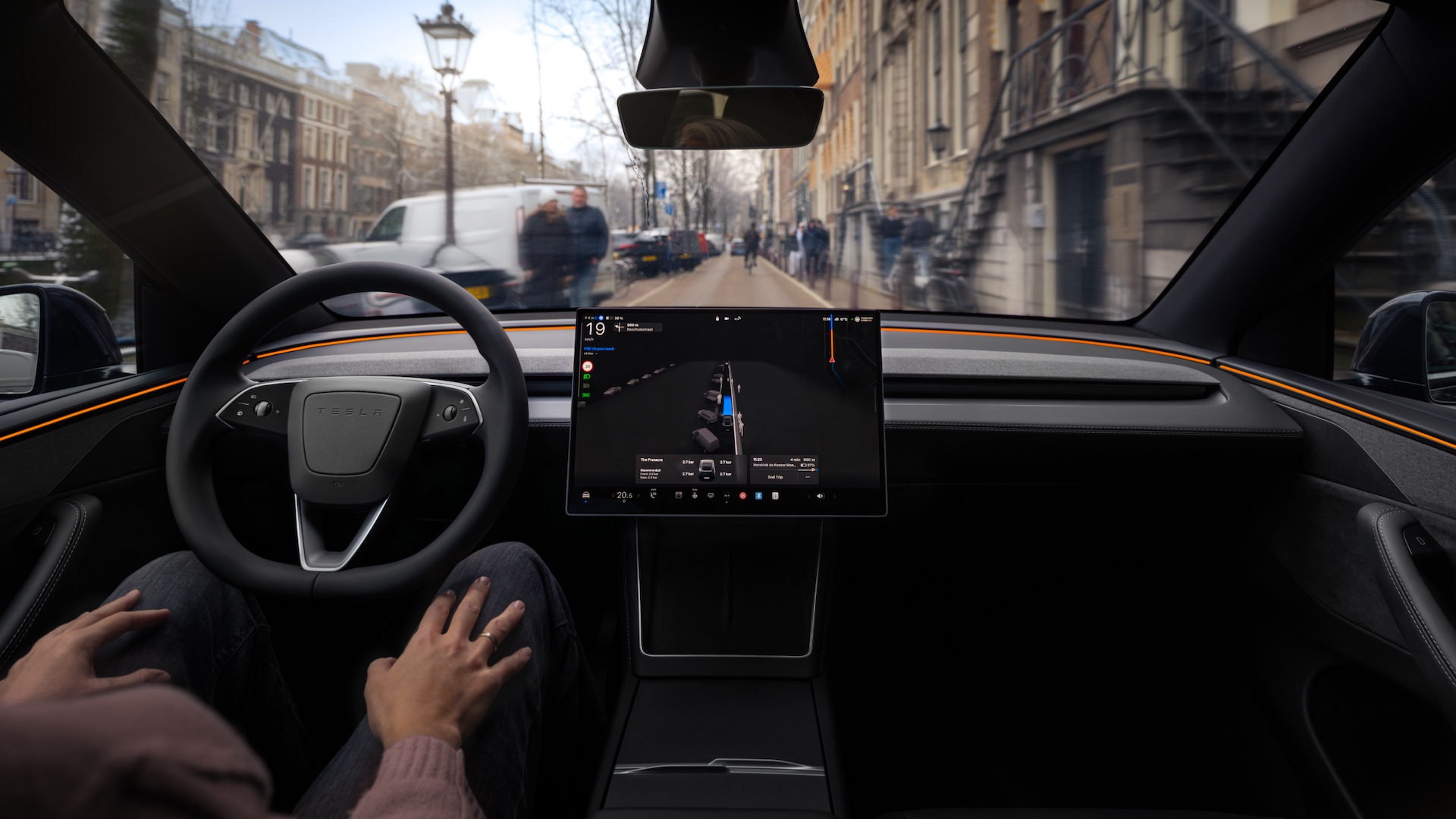
The recent investigative reporting into Tesla’s FSD program provides a harrowing look behind the curtain. The report, which drew from interviews with nine former Tesla data labelers, a former engineer, and 11 traffic-safety experts, paints a picture of a system that frequently struggles with fundamental driving maneuvers.
The data labelers, whose job is to review footage from the eight exterior cameras on FSD-equipped vehicles, reported a consistent pattern of failures. These included:
- Emergency Response: A failure to reliably recognize and yield to emergency vehicles.
- Vulnerable Road Users: Significant risks posed to cyclists and motorcyclists due to inadequate spacing.
- Infrastructure Hazards: Difficulty navigating construction zones, which often lack the clear lane markings these computer vision systems rely on.
Perhaps most concerning is the existence of an internal group informally dubbed the "trauma team." This team is tasked specifically with reviewing "near-miss" clips and other dangerous scenarios. Several employees reported viewing footage of vehicles nearly striking pedestrians in crosswalks or children playing near the road, incidents that required immediate manual intervention by the human driver.
When faced with these findings, the claim that Tesla’s FSD is "10 times safer than a human" begins to appear statistically dubious to many in the scientific community. Critics argue that comparing an AI system to a human driver is an "apples-to-oranges" comparison, as it ignores the frequency and severity of the specific, high-risk errors these systems continue to make.
Official Responses and Corporate Strategy
The divide between the CEOs and the engineering teams reflects a clash of philosophies. Elon Musk has frequently suggested that the technology is reaching a point where drivers can safely engage in side tasks, such as texting, while the car handles the commute. This rhetoric has been a cornerstone of Tesla’s brand identity, positioning its vehicles not just as cars, but as software platforms that appreciate in value.
Rivian, while taking a more measured approach than Tesla, is nonetheless under immense pressure to deliver competitive autonomous features to justify the high price points of their vehicles and satisfy investor expectations.
However, the corporate narrative of "imminent breakthroughs" often ignores the legislative and social realities. As one veteran self-driving engineer noted, describing the safety claims as "bullsh*t," the industry is struggling to reconcile the marketing of "Full Self-Driving" with the technical reality that the systems are still "supervised" driver-assistance tools.
Implications: The High Cost of Over-Promising
The ramifications of this disconnect are profound, extending far beyond the boardroom:
1. The Erosion of User Trust
By over-inflating the capabilities of ADAS (Advanced Driver Assistance Systems), manufacturers risk creating a false sense of security. When a driver believes their car is more capable than it truly is, they are more likely to become complacent, leading to the "distracted driving" that has already resulted in numerous fatal accidents and subsequent litigation.
2. Regulatory Bottlenecks
The lack of transparency regarding crash data and system failure rates has led to increased regulatory scrutiny. Governments worldwide are becoming less likely to approve rapid rollouts of autonomous features without ironclad proof of safety, which may ironically slow the adoption of truly life-saving technologies.
3. The "Perfect vs. Safer" Debate
A central point of contention is the standard for safety. Many industry experts argue that for a vehicle to be truly autonomous—allowing the driver to sleep or work—the system must be effectively perfect. It is not enough to be "safer than the average human" on a highway; the system must be capable of handling the rare, chaotic events that currently result in the vast majority of traffic fatalities. If a system is 99% reliable, the remaining 1% is where tragedy occurs.
4. Ethical and Legal Liability
The legal framework for autonomous driving is still in its infancy. Who is responsible when a system fails? The driver? The manufacturer? The software developer? As long as these questions remain unanswered, the widespread adoption of Level 4 vehicles will be hampered by the uncertainty of insurance and liability.
Conclusion: The Long Road Ahead
While the technological advancements in AI and sensor suites are undeniably impressive, the path to true autonomy is not merely a matter of more data or faster chips. It is a complex challenge that sits at the intersection of engineering, human psychology, legislation, and ethics.
The optimism expressed by CEOs like RJ Scaringe and Elon Musk is a powerful driver of innovation, but it must be tempered by the cold, hard realities reported by those on the front lines of system development. The "trauma team" and the skeptical engineers serve as a necessary check on corporate ambition.
For the dream of autonomous transport to become a safe, reliable reality, the industry must shift its focus from selling a futuristic vision to building a transparent, robust, and truly safety-first infrastructure. Until the technology can handle the unpredictability of the human world without the constant specter of a "near-miss," the promise of a hands-off, eyes-off future will remain exactly that—a promise. The next 18 months will be a critical litmus test for the industry; whether the trend moves toward genuine breakthroughs or increased regulatory pushback remains to be seen.












No comments yet. Be the first to join the conversation!