In the annals of 20th-century European history, few state-sponsored human rights violations remain as consistently overlooked or as inadequately addressed as the systematic, coerced sterilization of Roma women in Czechoslovakia. While the Cold War era is often parsed through the lens of political dissidents and the fall of the Iron Curtain, the dark, clinical reality of eugenics policies targeting the Roma minority continued, in various forms, well into the 21st century.
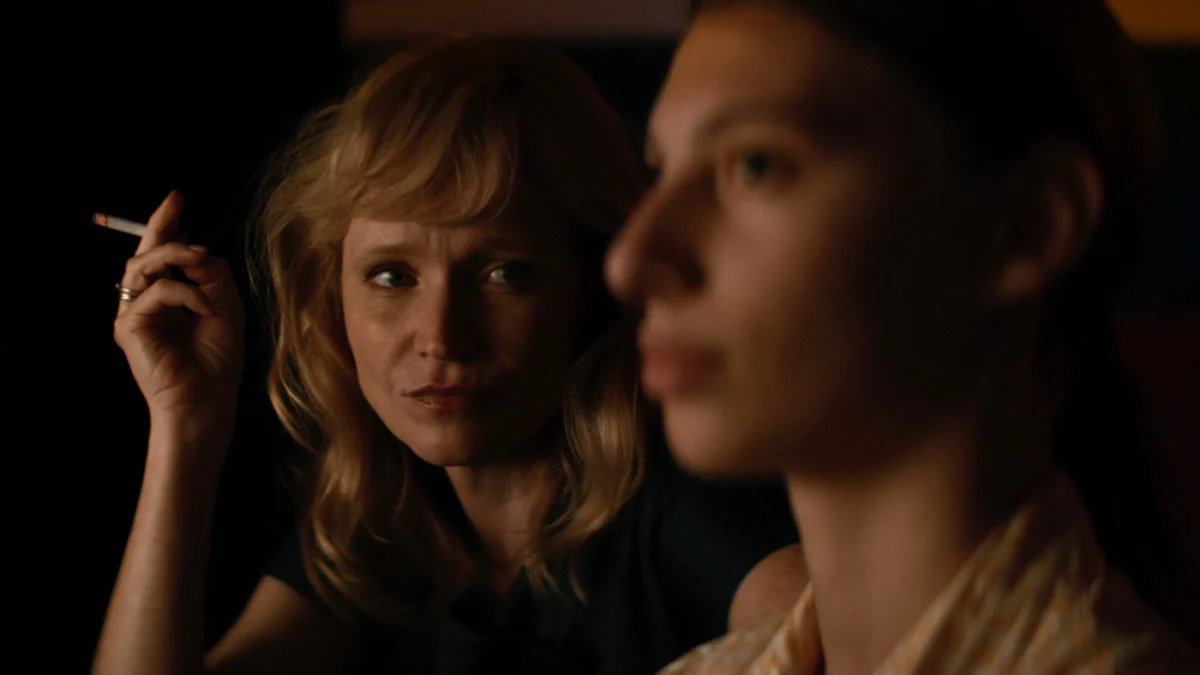
Slovakian filmmaker Ivan Ostrochovský attempts to confront this harrowing history in his latest feature, Only Beautiful Things to Look At. The film painstakingly reconstructs the fashions, interior design, and quiet, oppressive atmosphere of 1980s Czechoslovakia. Yet, in doing so, the film inadvertently highlights a profound artistic tension: when the medium is too beautiful, does it sanitize the horror it intends to expose?
A History of Coerced Reproductive Control
The policy of sterilizing Roma women was not merely a localized medical anomaly; it was a state-sanctioned initiative rooted in deep-seated systemic racism. Under the guise of "family planning," the socialist government sought to curb the growth of the Roma population, viewing them as a demographic threat to the socialist order.
Chronology of the Crisis
- The 1970s: The implementation of sterilization programs becomes more formalized, often incentivized by government payments to doctors and social workers for every Roma woman they convinced to undergo the procedure.
- The 1980s: The peak of the sterilization drive. Doctors frequently performed these procedures without informed consent, often during unrelated surgeries like C-sections, or by using deceptive language to convince women they were undergoing routine reproductive health treatments.
- 1991: Following the Velvet Revolution, the official policy was formally abolished; however, the practice continued surreptitiously in both the Czech and Slovak Republics.
- 2004–2005: The exposure of these practices by human rights organizations (such as the European Roma Rights Centre) brought the issue to international attention, revealing that victims were still coming forward well into the early 2000s.
- 2021–2022: The Slovak government finally issued a formal apology and established a compensation fund for victims, marking a long-overdue step toward restorative justice.
The Cinematographic Paradox: Beauty as a Barrier
Ostrochovský’s film is a visual masterpiece, but its "bloodless" presentation creates an emotional distance that critics argue undermines its subject matter. By framing the atrocities of the past like artifacts behind museum glass, the film risks allowing audiences to perceive these cruelties as distant, historical anomalies rather than a persistent, modern failure of human rights.
The cinematography by Juraj Chlpík is undeniably exquisite. The film opens with a montage of young Roma women shot in a style reminiscent of studio portraiture. They remain silent, impassive, while an off-screen voice explains that sterilization is a method to "improve their family’s quality of life." While the intent is to humanize the victims, the execution feels curiously detached. The women are lit with a dignity that borders on fetishization, yet they are never granted a voice. They are subjects, not protagonists.
The Centralization of the "White Savior" Narrative
The film’s primary narrative arc centers on Ingrid (Anna Geislerová), a white female doctor at the hospital where these sterilizations are routine. Ingrid’s life is defined by an aesthetic of high-bourgeois comfort: a glass-paned home overlooking a lush forest, classical music, and wine-filled evenings.
The structural decision to place a white doctor’s "moral awakening" at the center of the film is a point of significant contention. By focusing on Ingrid’s internal conflict—her frustration at being passed over for a promotion by her male colleagues and her eventual guilt regarding the sterilizations—the film adopts a "soft-focus" approach to its own critique.
While the screenplay, co-written with Marek Leščák, avoids the most egregious tropes of the traditional white-savior narrative, it remains trapped in a perspective that assumes the audience needs a white protagonist to access the suffering of the Roma. This choice feels particularly ironic given the richness of the secondary characters—specifically Agata, an orderly, and her sister, Jula.
The Untold Story of the Sisters
The most compelling, yet underutilized, thread of the film is the dynamic between Agata (Simona Boledovičová) and her sister Jula (Eva Mores). Their relationship serves as a microcosm of the disparate realities of the Roma experience in Czechoslovakia.
Agata, who seeks to integrate into the professional world of the hospital, is often reticent about her Romani identity. She lives a life separated from her sister, who remains firmly embedded in the community, living in a cramped, crumbling apartment block. The visual contrast between these two worlds—the pristine, fairy-tale surroundings of Ingrid’s life and the gritty, realistic stairwells of the Roma neighborhood—is stark.
The sisters’ tentative reconciliation during a quiet, domestic moment of bathtime for Jula’s children stands out as the film’s most authentic scene. It is here that the viewer sees the true weight of the "bow"—the small scar beneath the navel that marks a woman who has been sterilized. The film misses a critical opportunity to probe the long-term consequences of this trauma, choosing instead to drift back to shots of Ingrid lying in white bedsheets, pondering her conscience.
Implications for Modern Human Rights Discourse
The reaction to Only Beautiful Things to Look At highlights a growing demand for nuanced, victim-centered storytelling. When filmmakers handle historical atrocities, there is an inherent danger in prioritizing the "look" of the film over the gravity of the truth.
The sterilization of Roma women was not just a medical error; it was a tool of systemic violence that destroyed families and stripped thousands of their bodily autonomy. By resolving the conflict with what some have termed a "glib miracle," the film fails to engage with the reality that for many of these women, there was no resolution, no apology, and no justice.
Official Responses and the Long Road to Justice
For decades, the state authorities in Czechoslovakia (and later the Czech and Slovak Republics) denied that a formal policy of forced sterilization existed. Medical records were often tampered with, and victims were frequently intimidated into silence. It was only through the tireless work of NGOs and individual survivors that the practice was eventually documented.
The recent compensation laws in Slovakia, while significant, serve as a reminder of how long it takes for state institutions to acknowledge the "ugly" truths of their past. The debate sparked by Ostrochovský’s film suggests that culture must now catch up to this legal acknowledgment. We no longer need films that frame these atrocities as "beautiful" or "distant." We need narratives that are as uncomfortable and urgent as the reality they aim to depict.
Conclusion
Only Beautiful Things to Look At is a technically accomplished film, but its aesthetic choices raise a haunting question: why are we being shown such beautiful things when the history itself demands an unflinching gaze? The film’s focus on the white, privileged experience of the doctor serves as a veil, shielding the viewer from the raw, unadorned suffering of the victims.
To honor the women who bore the "bow," the conversation must shift away from the aestheticization of their pain and toward the urgent, ongoing work of systemic reform. The history of coerced sterilization is not a museum piece; it is a live, festering wound in the history of Central Europe. It deserves to be seen, heard, and understood without the soft-focus lens of a period drama.