

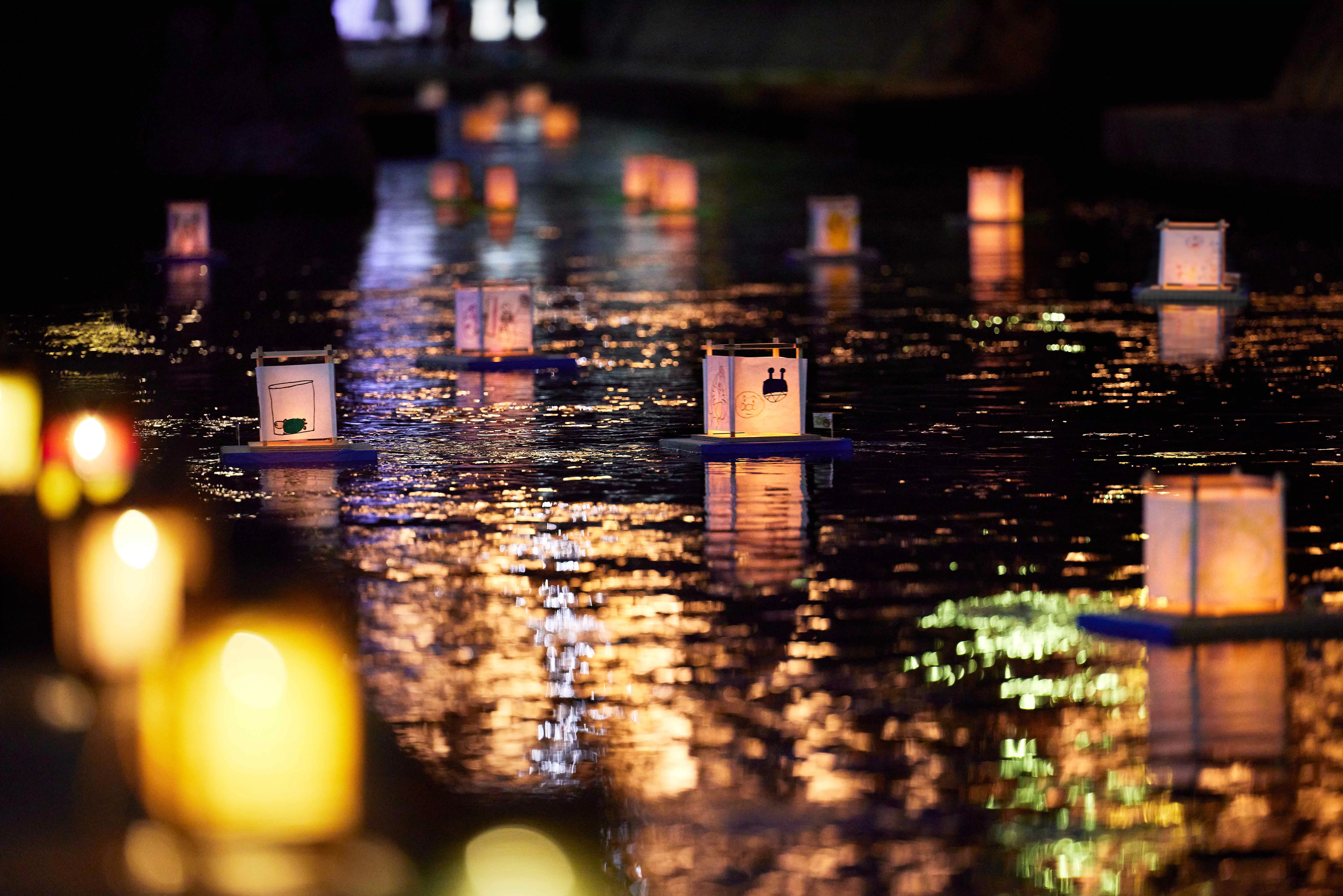
As the mid-summer heat settles over the Chubu region of Japan, a transformation occurs in the western plains of Gifu Prefecture. In Ogaki City, long revered as the "City of Water," the rhythmic beating of taiko drums and the soft, flickering glow of thousands of paper lanterns signal the arrival of one of the most enchanting cultural events in the country: the SUITO Festival. Located just a 30-minute train ride from the bustling metropolis of Nagoya, this three-day celebration offers a rare, immersive look into the heart of traditional Japanese summer culture.
The Essence of the "City of Water"
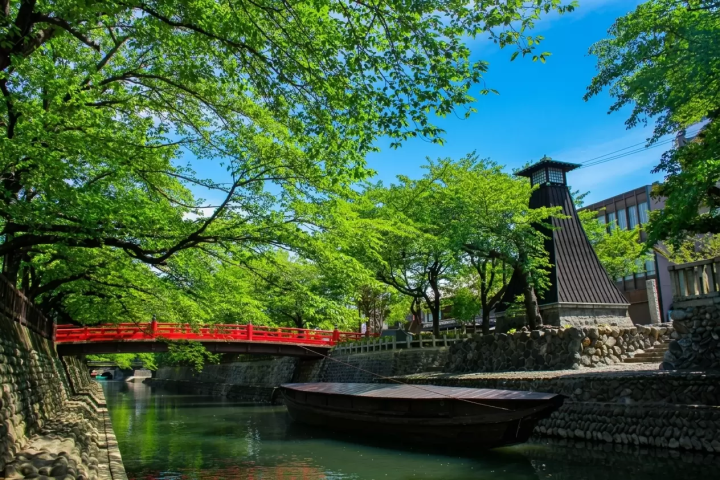
Ogaki’s identity is inextricably linked to its hydrology. Known historically as the "City of Water" due to its abundant natural springs and a network of pristine rivers, the city’s urban landscape is defined by the flowing currents that have sustained its residents for centuries. These waterways are not merely aesthetic; they have nurtured a unique agricultural heritage, supported local commerce, and defined the city’s culinary identity.
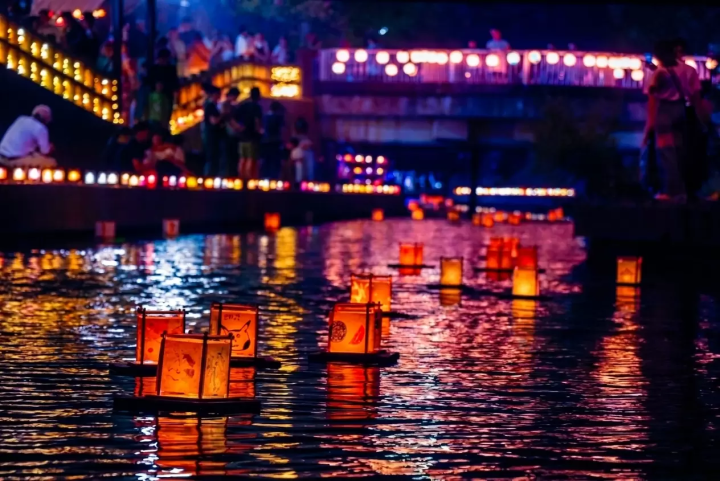
The SUITO Festival—a name derived from the Japanese characters for "Water" (Sui) and "Capital/City" (To)—is a profound expression of gratitude toward these life-giving resources. Held annually in early August, the festival serves as both a regional development initiative and a spiritual conduit, connecting contemporary citizens with the traditions of their ancestors.
Chronology of the Festival: A Three-Day Immersion
The festival transforms the Ogaki Eki Dori (station street) and the banks of the Suimon River into a vibrant, living stage. While the event spans three days, the experience is best understood as a progression from historical exploration to communal celebration.
Day 1: The Gathering
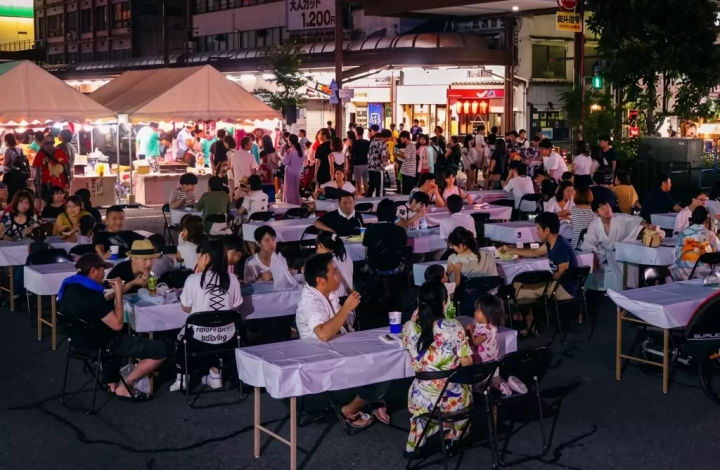
The festival opens with a surge of energy along the Ogaki Eki Dori. As evening falls, the street transforms into a corridor of commerce and culture. Local businesses and neighborhood associations set up stalls, and the atmosphere becomes one of collective anticipation. Visitors are encouraged to explore the northern and southern segments of the station district, where stage performances and street-side food vendors set the tone for the weekend.
Day 2: The Spiritual Peak
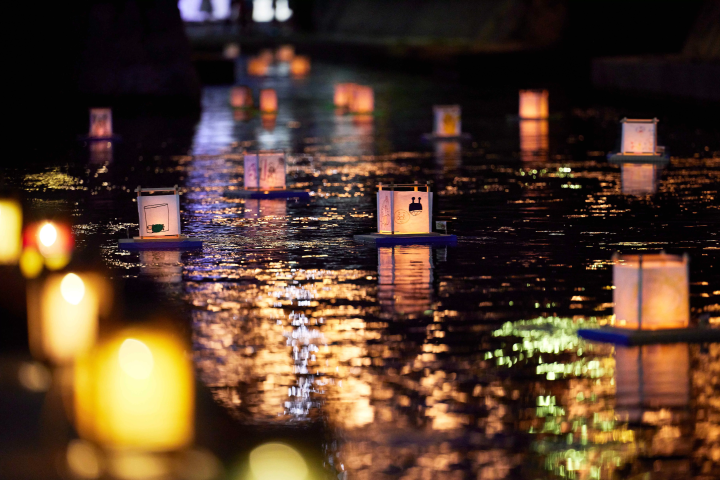
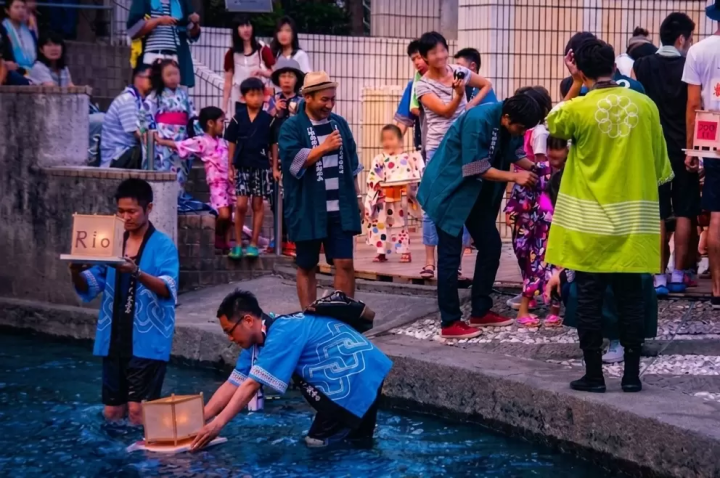
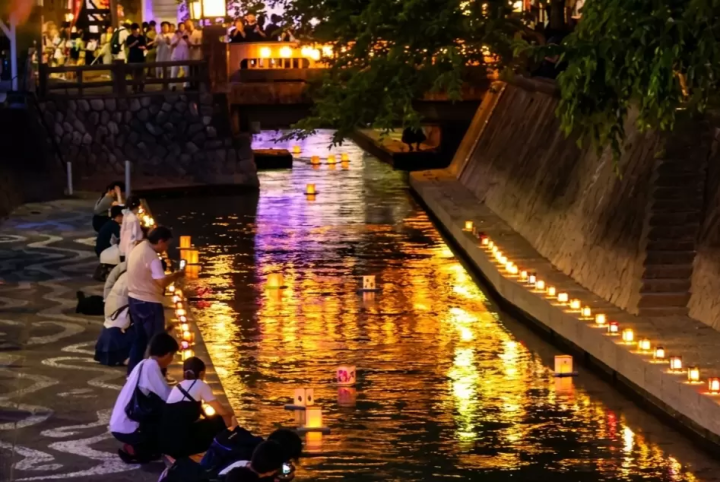
The second day, typically a Saturday, marks the emotional and visual climax of the event. At 7:00 p.m., the focus shifts to the Suimon River for the Manto Nagashi. This is a deeply poignant tradition where handmade lanterns are released onto the water. The lanterns, crafted from paper, bamboo, and wood, carry the written prayers and wishes of the participants. As thousands of these lights drift slowly downstream, the river becomes a mirror of the night sky, creating a breathtaking, meditative scene that defines the essence of the Obon season.
Day 3: The Unity of Dance
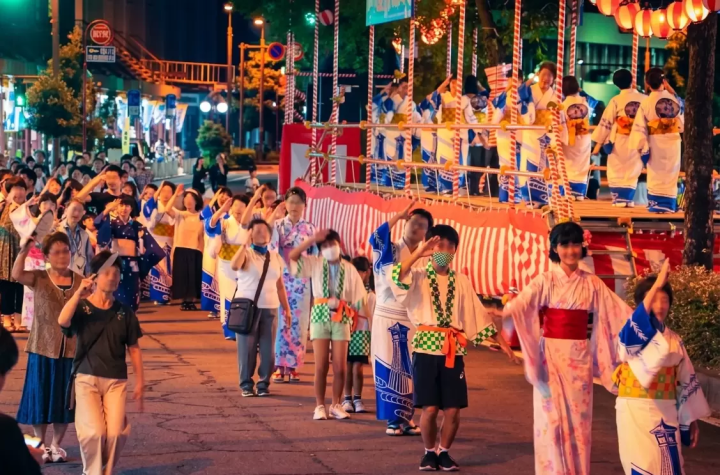
The final day focuses on the Bon Odori, a traditional folk dance performed to honor the spirits of ancestors. In Ogaki, this is not a spectator event; it is an invitation. Dancers in matching yukata (summer kimonos) lead the way, but tourists and casual visitors are encouraged to join the circles. Even those unfamiliar with the steps are quickly swept up in the rhythmic, simple movements, finding a sense of belonging within the larger community.
Supporting Data: Cultural Significance and Participation
The SUITO Festival is more than just a local fair; it is a manifestation of Japan’s intangible cultural heritage. The "Ogaki Dance Competition," which forms the backbone of the event, has been a pillar of local identity for over half a century.
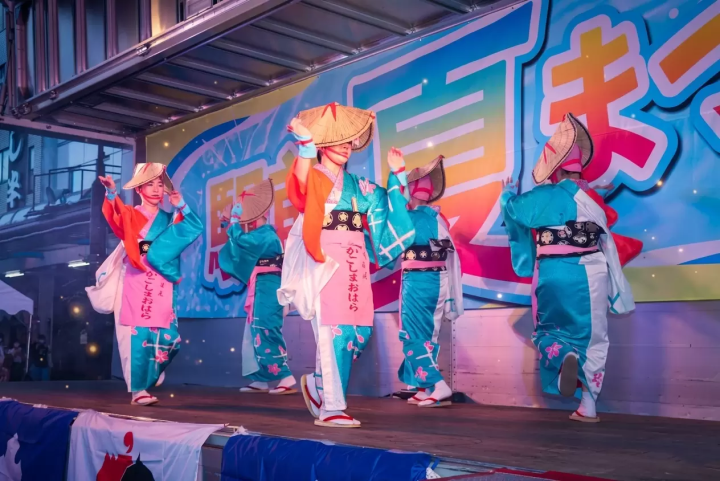
Furthermore, the festival serves as a platform for inter-city diplomacy. A notable highlight is the ongoing exchange with Kagoshima City. On the second day of the festivities, the "Ohara Tai" dance troupe from Kagoshima performs the traditional "Ohara Bushi." This collaboration showcases the beauty of regional diversity within Japan, demonstrating how different dance cultures can intersect to create a more profound, unified experience for attendees.
The Culinary Landscape: A Taste of Ogaki
No exploration of the SUITO Festival is complete without mentioning its gastronomy. The festival stalls provide a quintessential Japanese street food experience, featuring classics like yakisoba (fried noodles), takoyaki (octopus balls), and karaage (fried chicken).
However, the crown jewel of Ogaki’s food scene is the Mizu Manju. A translucent confection made from kudzu starch and filled with sweet bean paste, this dessert is served in a bowl of cold, clear spring water. Its refreshing texture and delicate sweetness serve as a cooling antidote to the humid summer air. It is a delicacy that can only be produced here, as it relies entirely on the quality of Ogaki’s famous groundwater.
Official Perspectives and Tourism Strategy
The Ogaki Tourism Association emphasizes that the festival’s success is rooted in its accessibility and its ability to balance tradition with modernity. By leveraging the city’s proximity to the Shinkansen hub of Nagoya, the festival has successfully transitioned from a hyper-local event to a regional attraction.
"The goal is to foster interaction," a spokesperson for the association noted. "Whether it is through the collaborative dance performances or the shared experience of the Manto Nagashi, we want our visitors to leave feeling as though they have touched the soul of the city."
The association provides comprehensive support for visitors, including detailed maps of traffic restrictions, public transportation guidance, and curated itineraries that allow tourists to maximize their time in the city. By combining the solemnity of the Manto Nagashi with the exuberance of the Bon Odori, the city effectively promotes its history to a new generation of travelers.
Implications: The Preservation of Local Spirit
In an era of rapid urbanization and the decline of small-town traditions, the SUITO Festival stands as a testament to the resilience of local identity. By maintaining the historical integrity of the Manto Nagashi while inviting outside groups to participate in the dance, Ogaki demonstrates that cultural preservation does not require isolation.
The festival also has significant implications for regional economic health. By attracting visitors from outside Gifu Prefecture, the event bolsters the local tourism economy, ensuring that small-scale producers—such as the traditional confectionery shops that have made Mizu Manju famous—remain viable in a competitive market.
Traveler’s Guide: Planning Your Visit
For those planning to attend the 2026 iteration of the festival, preparation is key to a seamless experience.
- Transportation: The most efficient route is via the JR Tokaido Main Line from Nagoya Station to Ogaki Station (30 minutes). The festival venue is a short, five-minute walk from the South Exit.
- Itinerary Suggestion:
- Morning (9:00 AM – 4:30 PM): Begin with a visit to Ogaki Castle, the former stronghold of Ishida Mitsunari during the Battle of Sekigahara. Follow this with the Oku no Hosomichi Haiku Journey Museum, dedicated to the poet Matsuo Basho.
- Late Afternoon (4:30 PM – 6:00 PM): Stroll along the Suimon River near the Funamachi Kawaminato scenic spot to photograph the landscape before the sun sets.
- Evening (6:00 PM onwards): Immerse yourself in the festival. Start with a Mizu Manju tasting, move to the riverfront for the lantern ceremony, and end the night dancing in the Bon Odori circles.
Conclusion
The SUITO Festival is an invitation to slow down and witness the intersection of joy and prayer. Whether you are mesmerized by the quiet, drifting lights of the lanterns or drawn into the high-energy pulse of the drum-led dances, Ogaki offers a genuine, unfiltered encounter with the Japanese summer. It is a place where water, history, and community flow together—an experience that lingers in the memory long after the last lantern has faded from the river.











