

The Evil Dead franchise has long been defined by its chaotic, blood-drenched independence. Since Sam Raimi unleashed the first wave of Deadites upon the world in 1981, the series has operated with a loose, almost fever-dream continuity—a collection of visceral experiences rather than a rigid cinematic universe. However, the release of Evil Dead Burn has signaled a tectonic shift in the franchise’s DNA. By introducing a clandestine organization known as "The Circle of the Wisemen," the film suggests that the series is pivoting toward a more interconnected, lore-heavy future that could turn the franchise into a sprawling, multiversal tapestry of horror.
The Foundations of Fear: Main Facts and Context
Evil Dead Burn arrives as a bold entry in a long-standing legacy, blending the aggressive "New French Extremity" style of visceral horror with the traditional splatter-flick sensibilities that fans have come to expect. While the film stands on its own as a terrifying narrative, it acts as a structural keystone for the broader Evil Dead universe.
The primary revelation that has sparked fervent discussion among the horror community is the existence of "The Circle of the Wisemen." Within the film’s narrative, we learn that Benjamin Price, the patriarch of the central family, was not merely a victim of the Kandarian curse but a dedicated scholar of the Naturom Demonto—the Book of the Dead. His research reveals that he was a member of a secret society dedicated to studying the manifestations of evil.
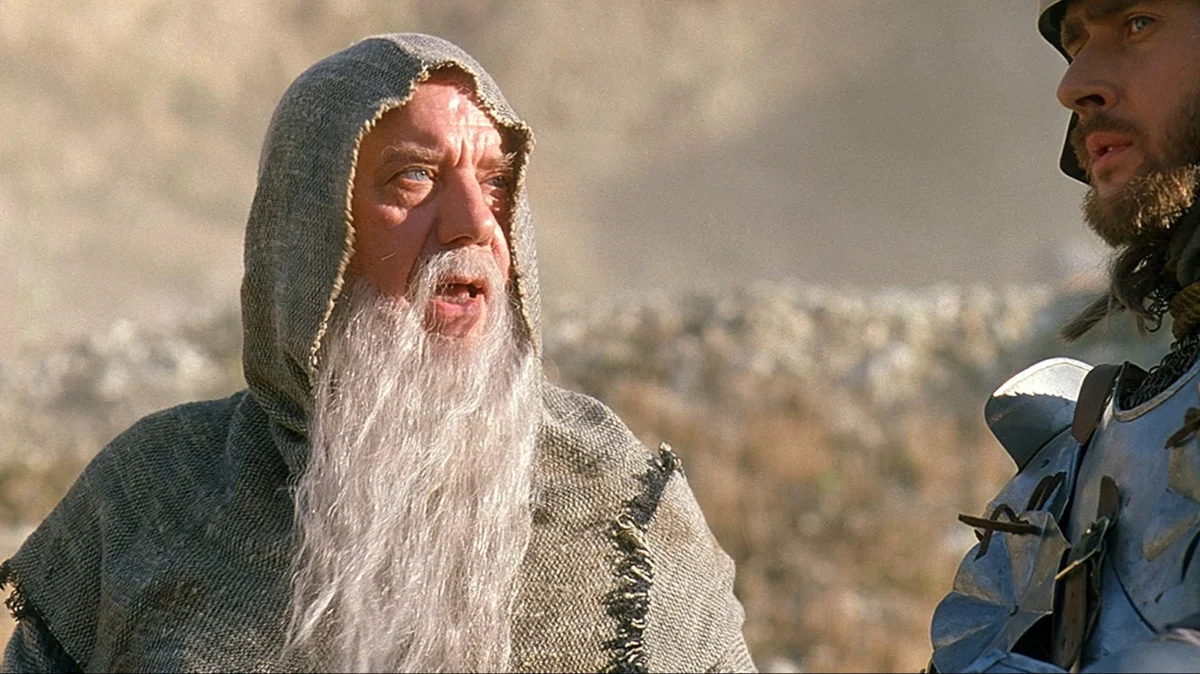
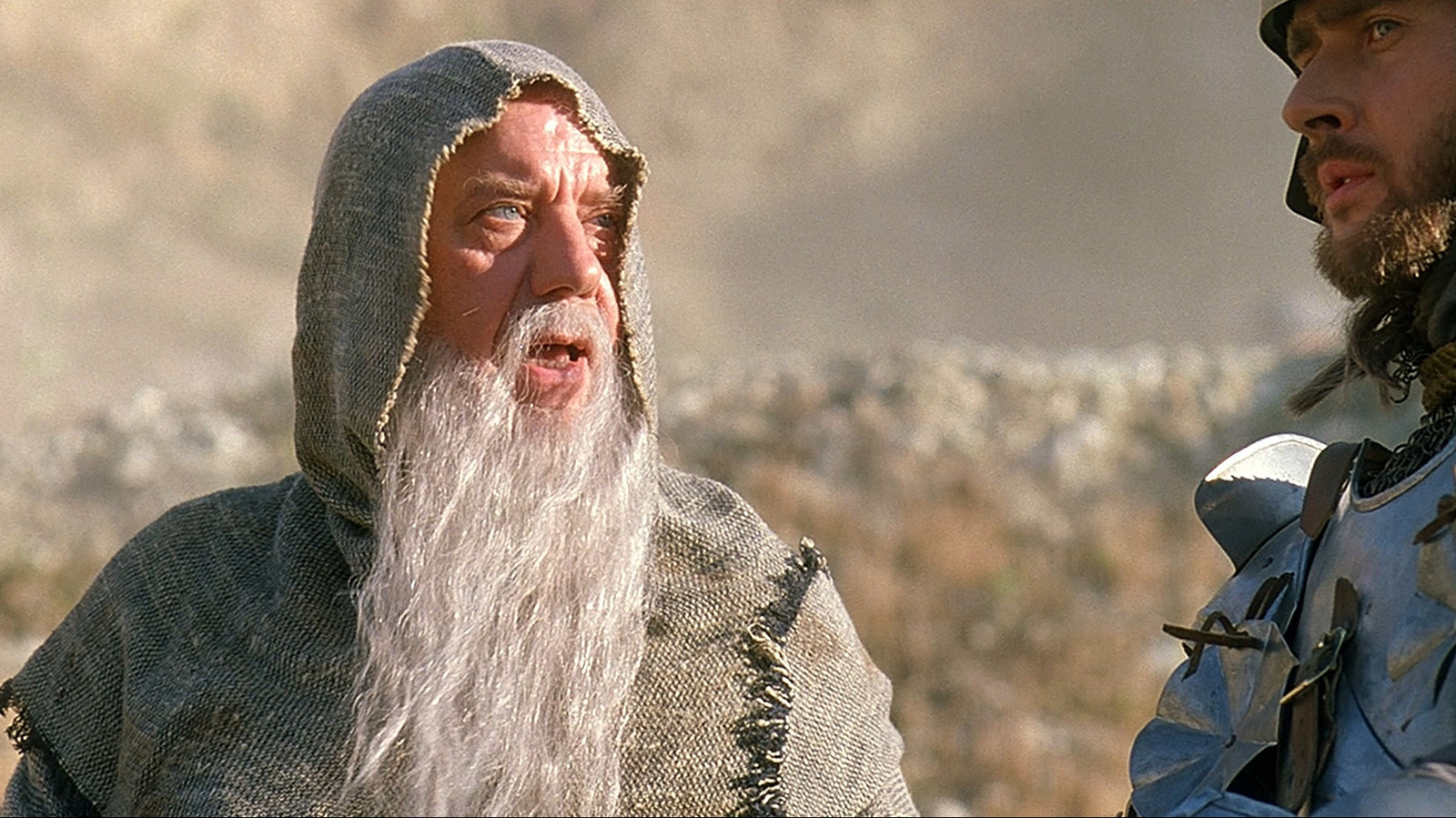
The name itself is a calculated nod to the 1993 cult classic Army of Darkness, where the "Wise Men" served as the sorcerous advisors to King Arthur during Ash Williams’ medieval misadventure. However, in Burn, the reference is evolved from a cheeky Easter egg into a foundational plot device, hinting that the "Wise Men" are not merely characters from the past, but an enduring, shadowy organization that has been monitoring the Deadites for decades.
A Chronological Tapestry: Connecting the Dots
To understand the significance of the Circle, one must look at the timeline of the franchise through the lens of this newly revealed group. For years, the Evil Dead films existed in silos: the original trilogy, the 2013 reboot, and Evil Dead Rise were connected by the presence of the book and the inevitable carnage that follows its incantation.
- The Origins (1981): Professor Raymond Knowby, the archeologist whose translations of the Naturom Demonto kicked off the original trilogy, is now retroactively identified in Burn as a member of the Circle of the Wisemen. This is a massive revelation. It implies that Knowby was not a well-meaning academic who stumbled into madness, but a man operating within a specific, organized framework of occult research.
- The Modern Era (2013–2023): Both Fede Alvarez’s Evil Dead and Lee Cronin’s Evil Dead Rise featured characters who uncovered books and warnings left behind by previous researchers. The presence of these books in disparate locations—a remote cabin, a high-rise apartment building, and now the setting of Burn—suggests that these are not coincidences. The Circle of the Wisemen appears to be a global, if not historical, network tasked with tracking these volumes, though their efficacy remains questionable.
- The Future (The "Wrath" Horizon): With the introduction of the new Kandarian dagger and the explicit mention of the Circle’s reach, the stage is set for a larger investigation into who these people are, what their ultimate goal is, and whether they are trying to stop the Deadites or—more sinisterly—harness them.
Supporting Data: Examining the Lore
The lore of Evil Dead has always been centered on the book. Yet, Burn provides a critical piece of the puzzle: an organizational structure. By establishing the Circle of the Wisemen, the film provides a logical explanation for how knowledge of the Deadites has persisted across decades.
Consider the "local exorcists" mentioned in the opening of the 2013 Evil Dead, or the priests referenced in Rise who studied the text in the 1920s. These disparate groups can now be viewed as regional chapters or cohorts of the Circle. The consistency of the threat—the Naturom Demonto itself—is no longer just a cursed object; it is the center of a tug-of-war between the forces of hell and a human organization that has been trying to categorize the un-categorizable for centuries.
This shift allows the franchise to move away from the "cabin in the woods" trope. If there is a secret society, the conflict can move to urban environments, historical settings, or even international locales, all while maintaining a tether to the established mythology.
Official Responses and Creative Direction
While the studio has remained relatively quiet regarding the specifics of future installments, the implications of Burn are hard to ignore. The creative team has intentionally left breadcrumbs that connect the dots between the disparate timelines of the franchise.
"The idea was to provide a sense of scale," notes a production source close to the project. "We wanted to treat the Evil Dead universe as something that has a history—something that people have been fighting for a long time. The Circle of the Wisemen gives us a way to bridge the gap between the fun, campy nature of Army of Darkness and the grim, relentless horror of the modern entries."
This approach mirrors the "S.H.I.E.L.D." model in the Marvel Cinematic Universe, where a central agency acts as the connective tissue between individual superhero adventures. However, in the Evil Dead world, the "agency" is likely as flawed, corrupt, and dangerous as the demons they study. It creates a fascinating narrative friction: can we trust the people who are trying to stop the apocalypse, or have they become as monstrous as the books they study?
Implications for the Future of the Franchise
The most immediate implication of the Circle of the Wisemen is the potential for a direct sequel, currently rumored to be titled Evil Dead Wrath. If the Circle acts as a governing body of occult knowledge, the next film will likely move from survival horror to investigative thriller horror.
1. The Weaponization of the Occult
If the Circle has been collecting books and daggers, Wrath could see a faction within the group attempting to use the power of the Deadites against them. This introduces the concept of "good" magic vs. "bad" magic, a territory the franchise has only rarely touched upon.
2. The Multiversal Threat
The Evil Dead franchise has always toyed with time travel and alternate realities. If the Circle of the Wisemen spans history, we could see a film that tracks the movement of the Book of the Dead through multiple centuries, with a singular protagonist or a group of researchers trying to prevent the book from ever being found.
3. A Centralized Antagonist
For decades, the antagonist of Evil Dead has been the Necronomicon itself. By introducing the Circle, the franchise creates a human-level antagonist. Are there members of the Circle who want to keep the book alive? Are there splinter groups that worship the Deadites? This adds a layer of human malice to the supernatural threat, raising the stakes for every character who gets caught in the middle.
Conclusion: A New Era of Chaos
Evil Dead Burn is more than just a gore-filled entry in a legendary horror series; it is a declaration of intent. By tying the disparate threads of the franchise together through the Circle of the Wisemen, the filmmakers have transformed a series of loosely related slashers into a cohesive, world-building saga.
Whether the Circle will ultimately be a beacon of hope or the catalyst for the final, global awakening of the Deadites remains to be seen. However, one thing is certain: the world of Evil Dead has grown significantly larger, and the shadows are now filled with more than just demons—they are filled with secrets, history, and a legacy of terror that is only just beginning to reveal its true face. As we look toward the potential of Evil Dead Wrath, the franchise is poised to redefine what "horror" means in the 21st century, proving that even a series defined by blood and guts can have a remarkably sharp, intelligent spine.








