

Warning: This article contains major spoilers for "Silo" Season 3, Episode 2, "It’s All Good."
Adaptations of beloved literary works are rarely straightforward paths. For fans of Hugh Howey’s Silo series, the transition from the page to the Apple TV+ screen has been a journey defined by calculated shifts, structural reimagining, and the occasional necessary deviation. While showrunner Graham Yost and his creative team have remained deeply committed to the haunting, claustrophobic tone of Howey’s novels, they have never been afraid to tinker with the machinery of the story to better suit the medium of television.
In the second episode of the highly anticipated third season, the showrunners delivered a moment that served a dual purpose: it acted as an "Easter egg" for the most dedicated of book readers while simultaneously providing a poignant, heartbreaking layer to the show’s ongoing exploration of memory, identity, and the weight of the past.
The Evolution of the Narrative: Adapting "Shift"
To understand the significance of this subtle nod, one must look at the structural challenge posed by the source material. In Howey’s second book, Shift, the narrative takes a radical turn, pausing the primary timeline of Silo 18 to explore the "Origin" story of the silos themselves. This transition, while essential to the lore, would have been a high-risk maneuver for a television show that has already established a strong, audience-favorite protagonist in Juliette Nichols (Rebecca Ferguson).
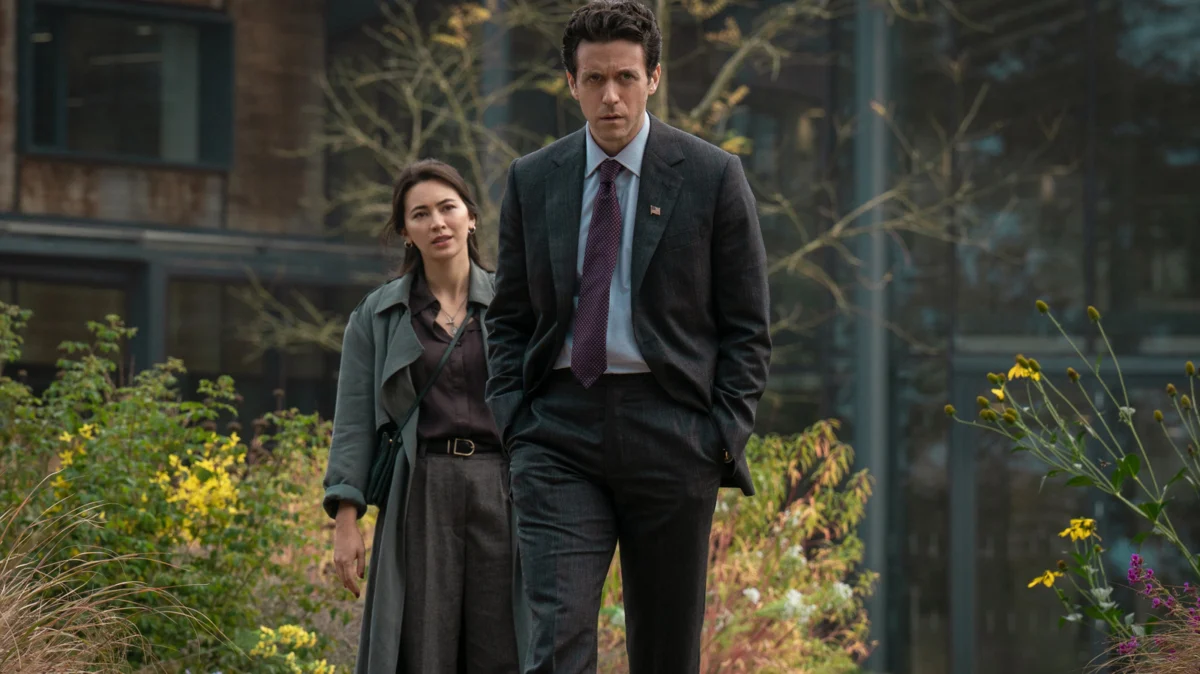
The show’s creative team opted for a more integrated approach, weaving the backstory of the pre-Silo world into the present narrative. Central to this thread is the character of the politician tasked with navigating the moral and logistical nightmare of the world’s descent into ruin. In the books, this character is known as Donald Keene. In the Apple TV+ series, however, he is introduced as Daniel Keene, played with weary intensity by Ashley Zukerman.
This name change—seemingly minor to the casual viewer—was a point of contention for some purists of the series. However, as Episode 2, "It’s All Good," reveals, this change was not just a random edit; it was a deliberate choice that allowed the writers to craft a specific, devastating emotional arc for the character.
A Chronology of Grief: The Keene Siblings
The emotional core of the episode revolves around the relationship between Daniel Keene and his sister, Charlotte (Jessica Brown Findlay). Early in the season, we see a brief, nostalgic scene of the two on a park bench—a moment of levity and sibling banter that establishes their shared history and deep bond. It is a vital piece of context that makes their subsequent tragedy feel all the more visceral.
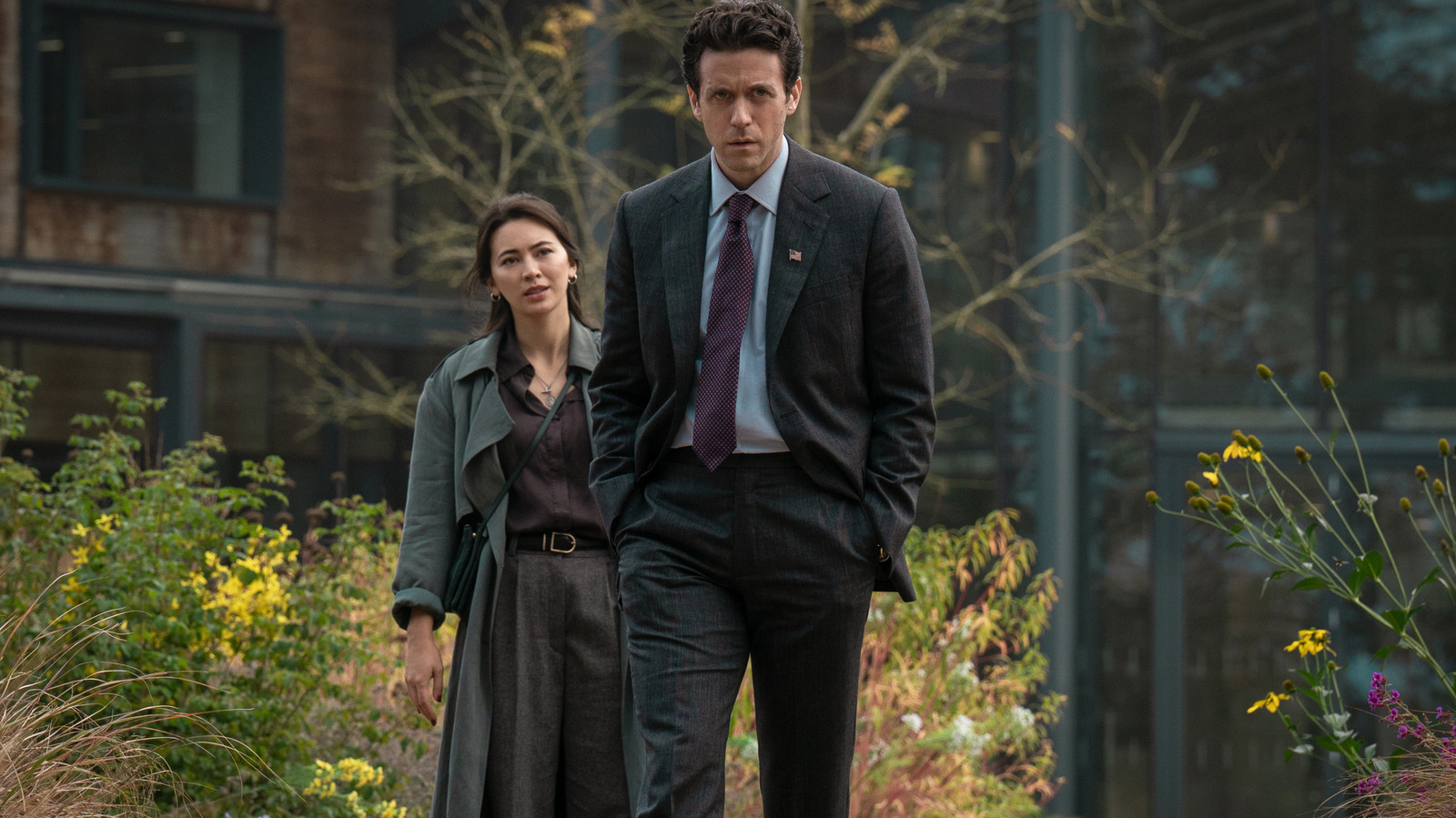
Following a harrowing military operation involving mysterious, advanced nanotech weaponry, Charlotte is left physically shattered and mentally adrift. Under the care of Doctor Victor Crnkovich (Matt Craven), she undergoes a radical medical procedure designed to protect her from the trauma of her experience. The result, however, is a profound loss of self.
The turning point occurs when, in a moment of confusion, Charlotte addresses her brother as "Donald." This is the "hidden reference" that has sent fans of the novels into a frenzy. By having the character misidentify her brother, the show creators have effectively acknowledged the book’s source material within the diegetic reality of the show, while simultaneously using that acknowledgment to heighten the tragedy of the scene.
Supporting Data: Why the Change?
The decision to pivot from "Donald" to "Daniel" was not merely a whim of the writers’ room. As Graham Yost explained in an interview with Radio Times, the change was driven by the necessity of distancing the fictional politician from real-world political baggage.
"If you have a character named Donald in a high-stakes, mid-century-style political thriller, the audience immediately stops thinking about the story and starts thinking about contemporary American politics," Yost noted. By shifting the name, the show preserves the viewer’s immersion in the dystopian landscape, ensuring that the focus remains on the moral erosion of the characters rather than political optics.
However, the inclusion of "Donald" as a name spoken by a confused, trauma-stricken sister serves as a clever "lampshade" on the change. It acknowledges the history of the character while grounding it in a narrative reason for the variation. It is a meta-fictional wink that satisfies the reader’s desire for accuracy while justifying the show’s creative independence.
Implications for the Season Arc
The implications of this scene extend far beyond a clever callback. The confusion of the name "Donald" serves as a catalyst for Daniel’s downward spiral. Having lost the "real" version of his sister—her memories, her personality, and her recognition of him—Daniel is forced to confront the fragility of his own reality.
This mirrors the season’s broader themes. Throughout the third season, Juliette Nichols has been grappling with the nature of her own memory and the reliability of the history she has been fed by the powers-that-be. By linking the Keene family drama to this same theme of fragmented memory, the show creates a thematic resonance that ties the disparate plotlines together.
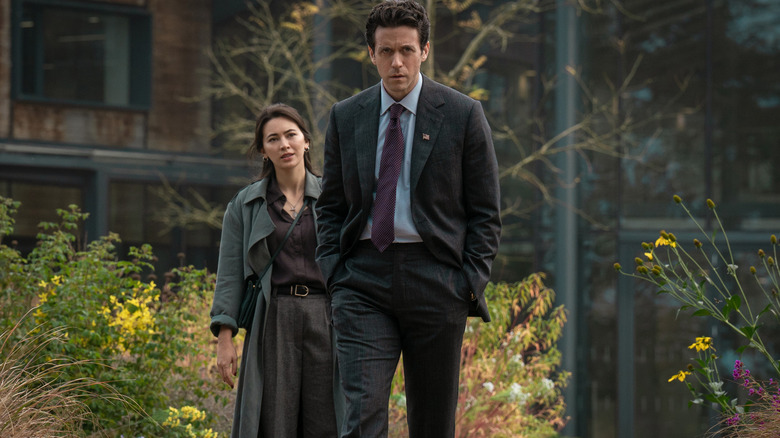
Daniel’s subsequent investigation into the medical treatment administered to his sister, and his deepening suspicion regarding her ill-fated mission into Iran, positions him as a crucial investigator of the Silo’s dark origins. The tragedy of his sister’s identity loss becomes the fuel for his discovery of the truth.
The Power of the "Hidden" Detail
In modern prestige television, the "Easter egg" has become a currency of engagement. However, the best examples are those that serve the story rather than just rewarding the viewer for paying attention. The "Donald/Daniel" reference in Silo is a masterclass in this philosophy.
It does not require a deep knowledge of the books to understand the heartbreak of the scene. A viewer unfamiliar with Hugh Howey’s novels simply sees a sister who has lost her mind and forgotten her brother’s name. But for the reader, the moment carries the weight of the entire history of the franchise. It is a bridge between the printed page and the screen, acknowledging that while the names may shift and the timelines may fold, the core truth of the Silo—that we are all defined by the memories we are allowed to keep—remains unchanged.
Looking Forward: What Happens Next?
As Silo continues its weekly release cycle on Apple TV+, the mystery of the "shift" in reality continues to deepen. With Daniel Keene now fully committed to unraveling the secrets of the medical facility and the truth behind the nanotech swarm, the show is moving toward a collision between the past and the present.
The producers have clearly set a high bar for the remainder of the season. By layering the narrative with these small, character-driven references, they have ensured that the show remains both a faithful tribute to its source material and a compelling, standalone piece of speculative fiction.
If the first two episodes are any indication, the rest of the season will continue to explore the cost of truth in a world built on lies. Whether the "Donald/Daniel" distinction will yield further clues remains to be seen, but one thing is certain: in the Silo, every word, every name, and every forgotten memory matters. As the characters continue to dig through the rubble of their past, the audience is invited to do the same, piecing together the truth one reference at a time.
The journey of the Keene siblings is far from over, and if this early season development is any guide, the emotional stakes are only going to rise as the layers of the Silo—and the truth—are peeled back.








