The cultural phenomenon that is AMC’s Interview with the Vampire has, much like its immortal protagonists, only grown more potent with time. Following two seasons of critically acclaimed, subversive, and deeply emotional television that redefined gothic horror for a modern era, the series is preparing to pivot in a radical new direction. As we look toward the horizon of season three, the show is shedding its previous title to embrace its true identity: The Vampire Lestat.
This transition represents more than just a name change; it signifies a seismic shift in perspective. Moving away from the introspective, memory-laden narration of Louis de Pointe du Lac, the third season promises to be a high-octane, rock-and-roll spectacle that puts the "Brat Prince" himself front and center. With a premiere date locked and an ambitious plot that promises to expand the scope of Anne Rice’s "Immortal Universe," here is the comprehensive breakdown of everything fans can expect when the show returns.
The Main Facts: A New Era for the Immortal Universe
The core premise of The Vampire Lestat is built upon a foundation of resentment and creative spite. Having been deeply offended by the "trashy bestseller" that was Louis and Daniel Molloy’s Interview with the Vampire, the titular vampire has decided to set the record straight—not through a rebuttal, but through the medium of global superstardom.
Lestat de Lioncourt is going on tour.
This season is set to be a direct, albeit stylistic, adaptation of the second novel in Anne Rice’s The Vampire Chronicles. Fans can expect an immersive experience that blends the raw, visceral trauma of the previous seasons with the glitz, glamour, and nihilistic excess of the 1980s rock scene. The series has confirmed an official premiere date of June 7, 2026. Additionally, for those eager for a deeper dive into the production, AMC+ will air a companion series titled The Vampire Lestat: After Dark on May 24, offering a behind-the-scenes look at the making of this monumental musical journey.
A Chronological Evolution: From Louis’s Grief to Lestat’s Anthem
To understand the trajectory of season three, one must look at the foundation laid by its predecessors. The first season introduced us to the complex, often toxic, and undeniably queer romance between Louis and Lestat, set against the backdrop of a changing New Orleans. Season two expanded that narrative, bringing in the tragic figure of Claudia and the manipulative, ancient presence of Armand, culminating in a series of revelations that shattered the narrative reality established in the pilot.
The First Arc (The Interview): Defined by Louis’s perspective, the story was a claustrophobic exploration of guilt, colonial history, and the burden of immortality.
The Transitional Phase: The conclusion of season two saw the deconstruction of the "Interview" itself. By exposing the fabrications and omissions in the book, the series freed itself from the limitations of Louis’s memory.
The Third Arc (The Performance): Season three marks a complete stylistic departure. By transitioning to The Vampire Lestat, the showrunners are signaling a move from internal monologue to public performance. The narrative is no longer about who the vampires were; it is about who they want to be seen as.
Supporting Data: The Expanding Pantheon
The casting news for season three is nothing short of an embarrassment of riches. While Sam Reid returns as the magnetic, mercurial Lestat, he is supported by an ensemble that bridges the gap between the show’s established history and the deeper lore of the novels.
The Returning Ensemble
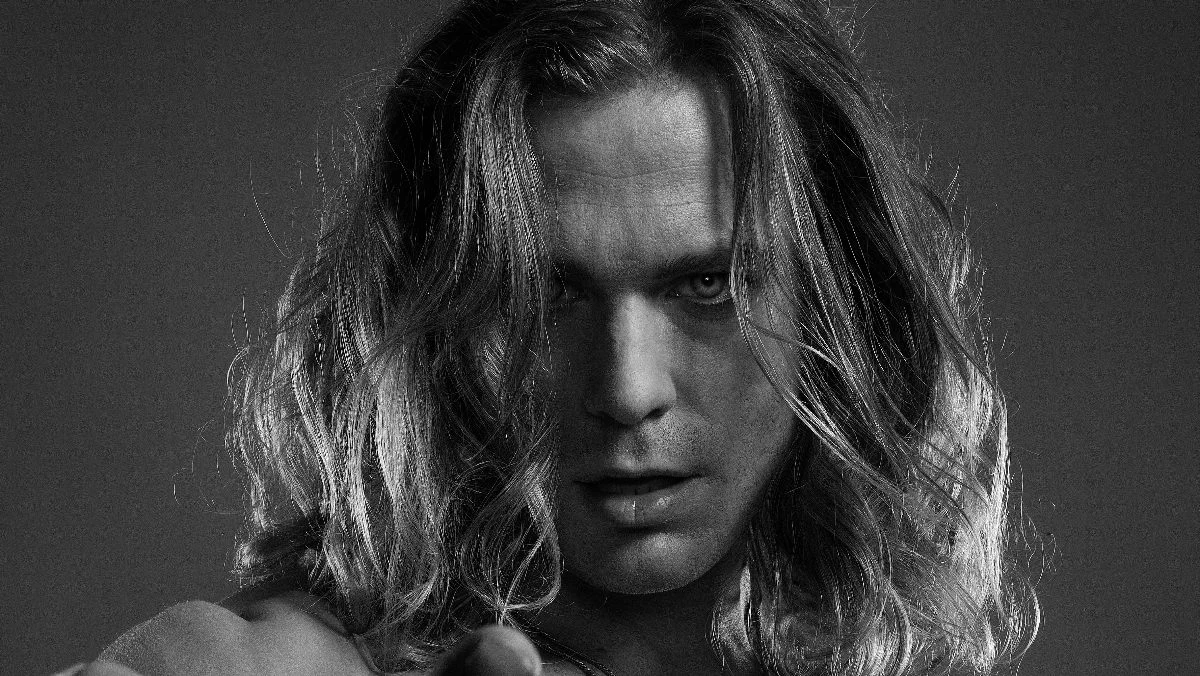
Sam Reid as Lestat de Lioncourt: The heart and voice of the season.
Jacob Anderson as Louis de Pointe du Lac: Still anchored to the narrative, though his influence as the sole narrator has waned.
Assad Zaman as Armand: The enigmatic leader whose centuries-old secrets will undoubtedly clash with Lestat’s public rise.
Eric Bogosian as Daniel Molloy: Now a vampire himself, Molloy represents the bridge between the human world and the immortal elite.
New and Returning Figures
Jennifer Ehle as Gabrielle: Lestat’s mother—and a figure of immense psychological importance—returns to haunt and guide her son.
Christopher Heyerdahl as Marius: The ancient, enigmatic maker of Armand, whose arrival promises to shift the power dynamics of the global vampire community.
Damien Atkins as Magnus: The eccentric and terrifying creator of Lestat.
Sheila Atim as Akasha: Perhaps the most anticipated addition, Akasha’s presence signals that the "Great Conversion" is not merely a subplot, but a looming existential threat.
Official Responses and Creative Vision
The creative team behind the series, led by showrunner Rolin Jones and executive producer Mark Johnson, has been vocal about the "amplified" nature of this season. The official synopsis provided by AMC sets a tone that is both irreverent and intense:
"In season three, resentful of the perfunctory portrayal in the trashy bestseller ‘Interview With The Vampire,’ the Vampire Lestat sets his story straight in a way only the Vampire Lestat can—by starting a band and going on tour. Gabrielle. Nicholas. Magnus. Marius. Those Who Must Be Kept. They join Louis, Armand, Molloy, Sam, Raglan, Fareed and others we can’t tell you about yet on a sexy pilgrimage across space, time and trauma. No Auto-Tuning. No Trigger Warnings. All Feels Amplified."
The inclusion of the "Great Conversion"—a rapid, unnatural spike in the global vampire population—suggests that Lestat’s rock tour will have real-world consequences. As he gains influence, the vampire world will struggle to adapt to a reality where their existence is no longer a whispered secret, but a loud, electric, and unavoidable spectacle.
Implications: The Death of Secrecy
The thematic core of The Vampire Lestat is the subversion of the "hidden vampire" trope. For centuries, vampires in the Rice universe have existed in the shadows. By choosing to become a rock star, Lestat is engaging in an act of supreme vanity that threatens the survival of his kind.
The Implications include:
The Loss of Anonymity: As the vampire population surges due to the Great Conversion, the Talamasca and other human institutions will be forced to react. The war between humans and vampires is shifting from a cold war to a hot one.
Psychological Warfare: The "muses" from Lestat’s past that will haunt his tour represent the trauma he has long ignored. This is a story about a man who, despite his immense power, is still running from his own history.
The Meta-Narrative: The show continues to play with the idea of the "narrator." By acknowledging the previous book as a "trashy bestseller," the show invites the audience to question the reliability of everything they have seen so far. Is the show telling us the truth, or is it just another performance by the Brat Prince?
Conclusion: Why We Are Watching
Interview with the Vampire has succeeded because it treats the supernatural with the gravity of a period drama and the flair of a rock concert. Season three promises to be the most ambitious outing yet. It is a bold move to shift the focus from the tortured, brooding interiority of Louis to the defiant, flamboyant, and ultimately destructive energy of Lestat.
As the June 7, 2026, premiere date approaches, the anticipation is palpable. We are not just waiting for another season of television; we are waiting for a cultural event. With the return of fan-favorite characters, the introduction of legends like Akasha and Marius, and the promise of a soundtrack that will define the season, The Vampire Lestat is poised to become the definitive gothic television event of the decade.
In the words of the production itself: No Auto-Tuning. No Trigger Warnings. All Feels Amplified. Lestat is ready to take the stage, and we would be fools to look away.
















No comments yet. Be the first to join the conversation!