When audiences first witnessed the harrowing, claustrophobic dread of Na Hong-jin’s The Wailing (2016), they were introduced to a filmmaker with an unparalleled ability to weaponize atmosphere. Now, as the release of his latest project, Hope, approaches on September 9th, the director is pivoting toward a genre-bending synthesis of cosmic horror and small-town mystery that promises to be as visually jarring as it is narratively complex.
If the initial trailer is any indication, Hope is set to redefine our expectations of alien encounters. The footage features creatures that defy conventional biology—monstrosities with impossibly long, spindly limbs, jagged claws, and, most unnervingly, long, flowing hair. It is a stylistic choice that sits somewhere between the grotesque and the absurd, forcing viewers to question the very nature of these entities. Are they extraterrestrial invaders, or something far more tethered to our own reality?
Main Facts: A New Chapter in South Korean Genre Cinema
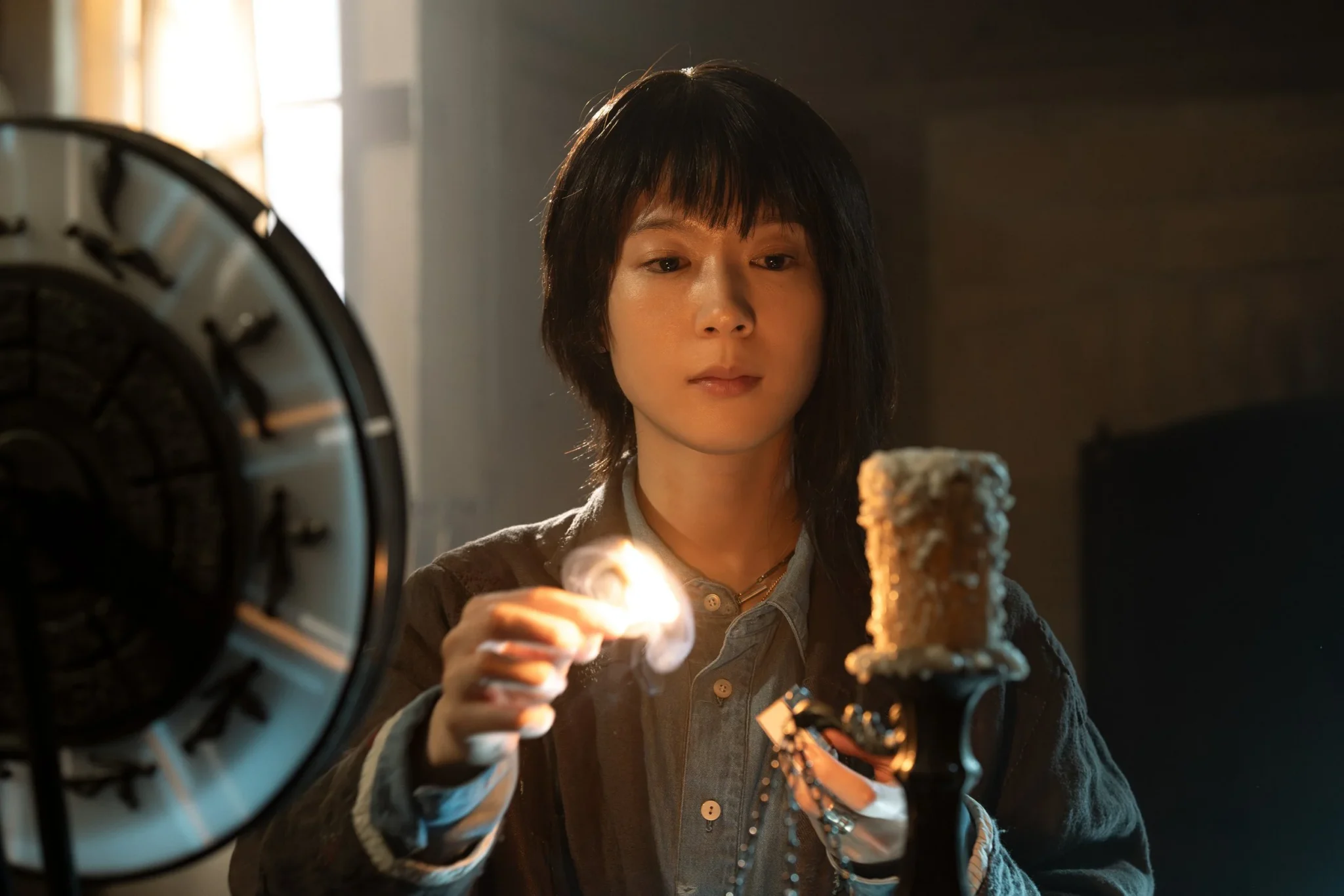
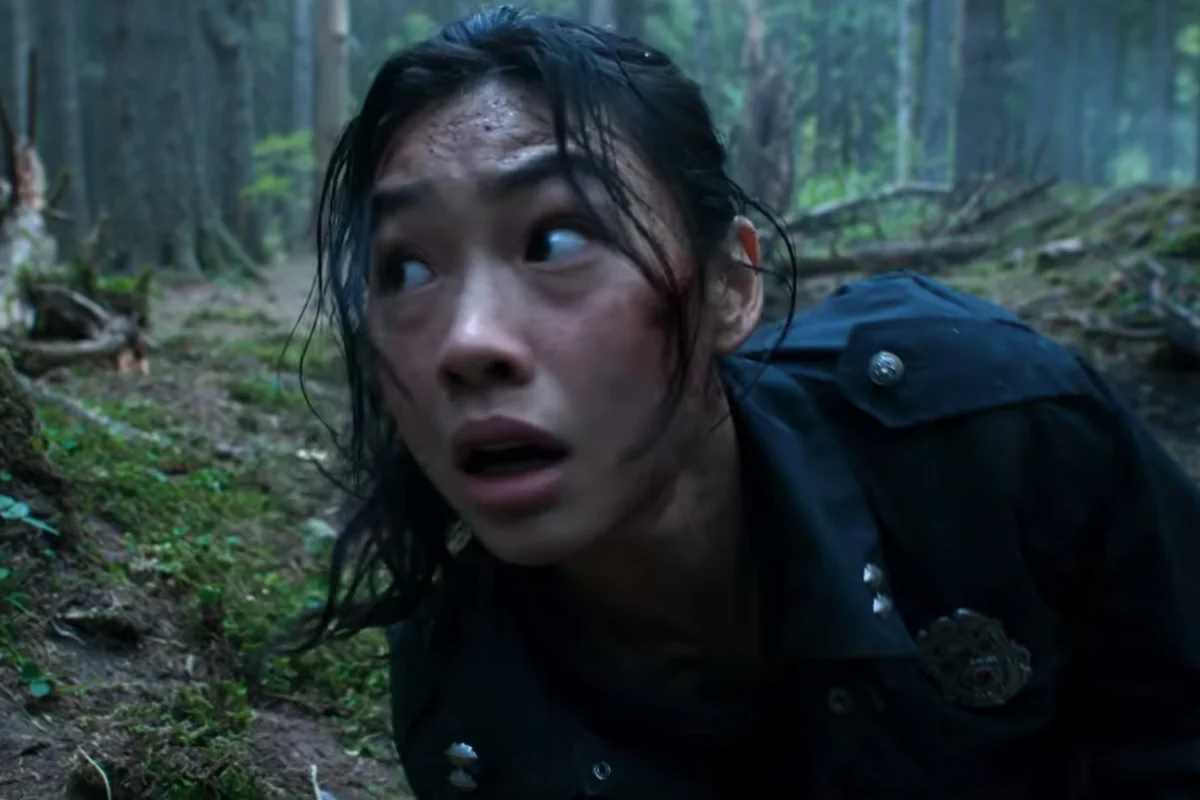
Hope is not merely a creature feature; it is an ambitious production that bridges the gap between South Korean domestic storytelling and international star power. The film follows a straightforward, albeit ominous, premise: In the isolated village of Hope Harbor, police chief Bum-seok (played by the venerable Hwang Jung-min) and officer Sung-ae (Hoyeon) are tasked with investigating a series of inexplicable disturbances. As the investigation deepens, a group of hunters—led by Zo In-Sung’s character, Sung-ki—venture into the surrounding wilderness, only to realize that the roles of hunter and prey have been terrifyingly inverted.
The film boasts a high-profile cast that has piqued the interest of global audiences, featuring Hollywood heavyweights Alicia Vikander, Michael Fassbender, and Taylor Russell. Their involvement in what is essentially a South Korean village-based thriller has sparked endless speculation regarding the nature of their roles. Are they playing the creatures themselves, rendered through performance capture, or are they playing outsiders who stumble into this nightmare?
A Chronology of Anticipation
The journey toward Hope has been one of quiet, methodical development. Following the global acclaim of The Wailing, director Na Hong-jin took significant time to craft a narrative that could match his previous work’s intensity while exploring entirely new thematic ground.
- Early Development: Rumors of the project began circulating shortly after the completion of The Wailing, with Na expressing a desire to delve into the "cosmic" aspects of horror.
- Casting Announcements: The inclusion of international stars Vikander, Fassbender, and Russell was confirmed mid-production, signaling a shift toward a larger-scale, more ambitious budget.
- Trailer Drop: The recent release of the official trailer ignited a flurry of fan theories, specifically focusing on the "eerie dead baby-thing" and the bizarre, hair-covered anatomy of the creatures shown.
- Release Date: Hope is slated for a worldwide premiere on September 9th, setting the stage for what many critics believe will be one of the most talked-about genre films of the year.
Supporting Data: Behind the Lens and the Hype
The production of Hope has been characterized by a deliberate, almost obsessive attention to detail. While the C.G.I. has been described by New Yorker critic Justin Chang as "delightfully craptacular," this seems to be a purposeful aesthetic choice. In an era where hyper-realistic, polished digital effects are the norm, Na’s decision to lean into something that feels "riotous" and "daringly attenuated" suggests a film that is more concerned with capturing the feeling of a nightmare than the physics of a blockbuster.
The interplay between the "mordant small-town comedy" and the "thrillingly staged chase scenes" creates a tonal dissonance that is signature Na. He is a director who understands that fear is most effective when it is punctuated by moments of absurdity or banality. By situating cosmic horror within the mundane setting of a remote South Korean village, the film creates a sense of proximity—a "tragedy of cosmic proportions" that feels like it could erupt in our own backyard.
Official Synopses and Creative Intent
The official logline for the film provides a haunting roadmap for what is to come: "What begins as ignorance plants the seed of disaster, escalating through human conflict into a tragedy of cosmic proportions."
This synopsis suggests that the "monsters" may be secondary to the internal collapse of the community. Na Hong-jin has historically been interested in how fear acts as a solvent, dissolving the social contracts that hold communities together. In Hope, the presence of the "creature" appears to be a catalyst rather than the sole antagonist. The reference to "perceptions being misleading" serves as a warning to the audience: Do not trust the frame, and do not trust the narrator.
Furthermore, the fact that Na has already penned a sequel—even before the first film has officially hit theaters—speaks to the massive, sprawling scope of the world he has built. He is not just telling a story; he is crafting a mythology.
Implications: Why Hope Matters for the Genre
The arrival of Hope arrives at a pivotal time for cinema. Audiences are increasingly fatigued by the "prestige horror" trend, which often emphasizes metaphor over raw, visceral intensity. Na Hong-jin is opting for a different route: a high-octane, unpredictable, and arguably "weird" experience that prioritizes the visceral thrill of the unknown.
The "Alien" Question
The most significant implication of the film’s marketing is the ambiguity surrounding the antagonists. By labeling them as "aliens" while simultaneously hinting that they might be "people," the film engages in a classic genre misdirection. If these creatures are indeed extraterrestrial, their biology—hair, spikes, and elongated limbs—suggests an evolutionary path entirely alien to Earth’s ecosystem. If they are human, the implications are far more disturbing, suggesting a biological or psychological mutation brought on by the "disaster" mentioned in the synopsis.
The Role of International Collaboration
The integration of Western actors into a South Korean-led production is a growing trend, but Hope represents a unique execution of this model. Rather than forcing the actors into roles that feel disconnected from the setting, the production appears to have woven them into the very fabric of the village’s unfolding mystery. This suggests a globalized approach to horror that transcends borders, suggesting that the "cosmic" threat is a universal one.
The Future of the Franchise
With a sequel already written, the success of Hope could potentially launch a new cinematic universe—one built not on superheroes, but on the profound, gnawing anxiety of the unknown. Should the film succeed, we can expect to see more of Na’s signature blend of "delightfully craptacular" effects and high-stakes drama.
Final Reflections
As September 9th approaches, the conversation surrounding Hope remains as chaotic and fluid as the creatures themselves. Whether it is the strange, flowing hair of the monsters or the enigmatic, star-studded cast, the film has succeeded in doing what all great horror should: it has made us curious, and it has made us deeply, intensely uneasy.
We find ourselves in a moment where the "riotous" and the "tragedy" must coexist. If Justin Chang’s assessment holds true, we are not just getting a movie; we are getting a sensory event. Hope may indeed be the "mashup" we need—a reminder that the most terrifying things are not always those that hide in the dark, but those that walk right out into the daylight, looking like nothing we have ever seen before.
As we prepare to enter the village of Hope Harbor, one thing is certain: our perceptions will be tested. And if the history of Na Hong-jin’s career is any guide, we should expect to leave the theater questioning exactly what we saw, and why we ever wanted to see it in the first place.