On the rugged northern coastline of Hyogo Prefecture, where the mountains of the San’in region plunge dramatically into the churning waters of the Sea of Japan, lies a destination that bridges the gap between industrial history and natural serenity: Amarube. For over a century, this small coastal community has been defined by its iconic railway viaduct—a masterpiece of Meiji-era engineering that has evolved from a vital transportation artery into a premier cultural landmark.
Main Facts: A Legacy Carved in Steel
The Amarube Viaduct is more than just a piece of infrastructure; it is a monument to Japan’s modernization. Completed in 1912, the original structure spanned 309 meters with a staggering height of 41.5 meters. At the time of its inception, it stood as the largest trestle-type iron bridge in East Asia.
![[Hyogo] Stunning views of the Sea of Japan and delicious seafood! 4 ways to enjoy Amarube](https://resources.matcha-jp.com/resize/720x2000/2024/06/06-182830.webp)
The viaduct was necessitated by the unforgiving topography of the San’in coast. Characterized by a "ria" coastline—where steep, jagged mountains meet the sea with almost no flat coastal plains—the region presented a nightmare for early railway planners. To connect the communities of the San’in Main Line, engineers had to carve tunnels through solid rock and bridge deep ravines. Today, while the original iron trestle has been replaced by a modern, durable concrete structure, the memory of the "Old Amarube" remains the heartbeat of the town.
Chronology: The Life of a Legend
The history of Amarube is a story of transition and resilience. Understanding its timeline offers insight into how Japan has balanced the preservation of heritage with the demands of modern safety.
![[Hyogo] Stunning views of the Sea of Japan and delicious seafood! 4 ways to enjoy Amarube](https://resources.matcha-jp.com/resize/720x2000/2024/06/06-182853.webp)
- 1912: The original Amarube Viaduct is completed, utilizing advanced design principles championed by Japanese railway engineer Haruichi Furukawa and American bridge expert Paul Elwolfell.
- 1912–2010: For nearly 98 years, the iron bridge stands as a symbol of local life. It survives decades of harsh sea breezes, salt corrosion, and the extreme weather of the Sea of Japan, requiring constant maintenance and reinforcement.
- 2010: The historic iron bridge is officially retired and replaced by a reinforced concrete viaduct. The transition marks the end of an era, yet the community refuses to let the history fade.
- 2018: "Kameda Sora," a resident tortoise, arrives in Amarube, becoming a beloved local mascot and a symbol of the town’s slow-paced, tranquil charm.
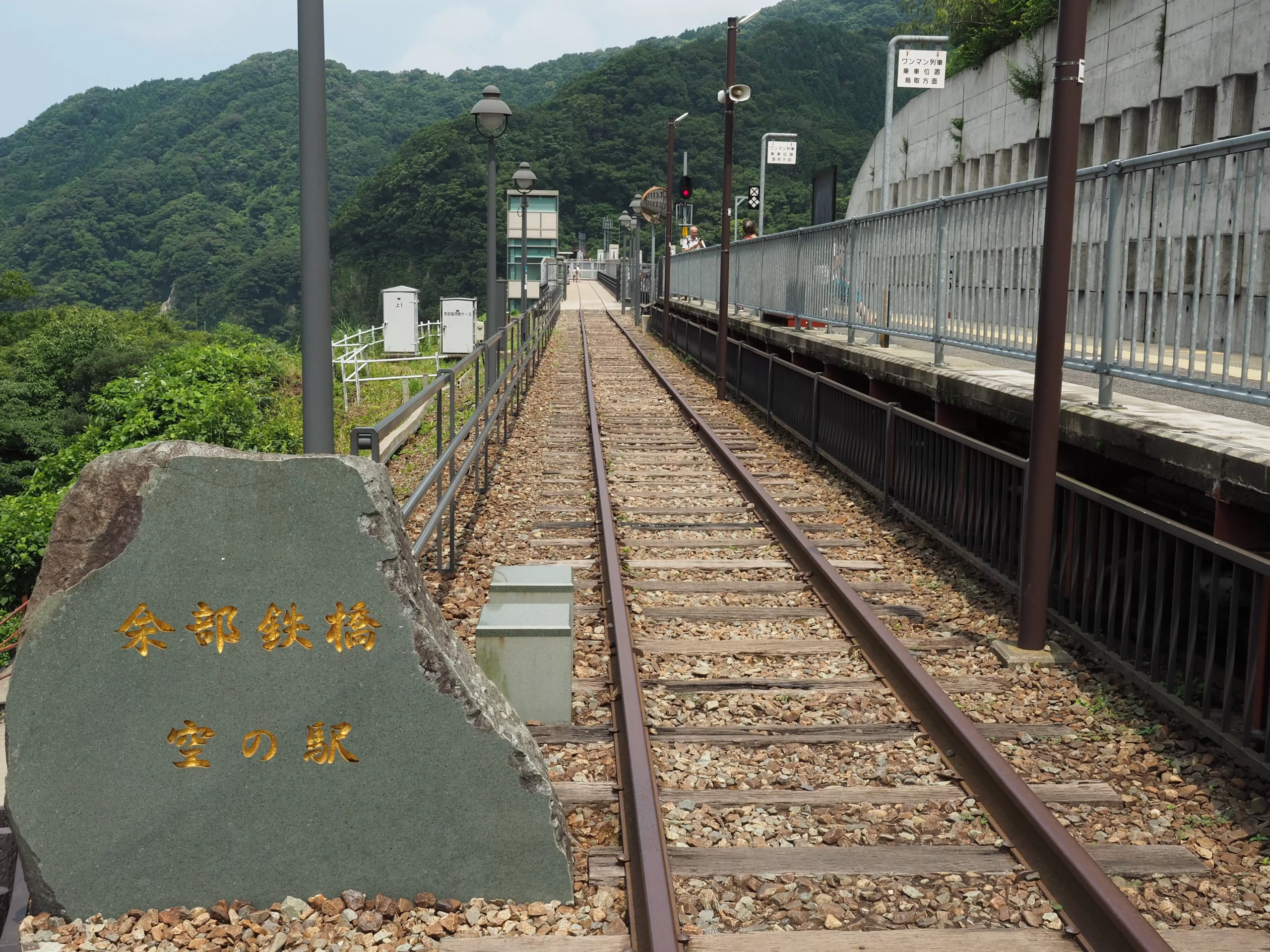
- Present Day: The preserved piers of the old bridge serve as the "Sky Station" observation deck, attracting thousands of tourists who come to admire the engineering marvel and the panoramic views.
Engineering and Innovation: The American Influence
The construction of the Amarube Viaduct was a triumph of the Meiji period’s "latest technology" initiative. To span the deep valley, designers opted for a trestle-type iron bridge—a design that used iron towers to support the track. This design was not merely functional; it was aesthetic, creating a silhouette that became synonymous with the San’in coast.
The collaboration between Furukawa and Elwolfell highlights the international nature of Japan’s infrastructure boom at the turn of the 20th century. By incorporating Western bridge-building expertise, Japan was able to overcome the treacherous, narrow geography of the coastline, effectively linking the isolated fishing villages of Hyogo to the rest of the country. Even today, engineers marvel at how the structure held firm for nearly a century against the corrosive, saline-heavy winds of the Sea of Japan.
![[Hyogo] Stunning views of the Sea of Japan and delicious seafood! 4 ways to enjoy Amarube](https://resources.matcha-jp.com/resize/720x2000/2024/06/06-182856.webp)
The Amarube Experience: Four Ways to Immerse Yourself
Visitors to Amarube today can engage with the site through four distinct experiences:
1. The Sky Station Observation Deck
By preserving three of the original bridge piers, the local government created the "Sky Station." Here, the original rails remain embedded in the ground, offering a poignant photo opportunity. Standing on the deck, one is treated to a quintessential Japanese vista: the tiled roofs of the village houses contrasting against the deep blue of the Sea of Japan.
![[Hyogo] Stunning views of the Sea of Japan and delicious seafood! 4 ways to enjoy Amarube](https://resources.matcha-jp.com/resize/720x2000/2024/06/06-182854.webp)
2. The Crystal Tower Elevator
Connecting the village floor to the high-altitude observation deck is the "Amarube Crystal Tower." This glass-walled elevator ascends 41 meters in just 45 seconds. It provides a thrilling vantage point, allowing visitors to look directly down at the valley floor. After dark, the tower is illuminated, with colors shifting seasonally, creating a striking beacon for the coastline.
3. Culinary Treasures at "Michi-no-Eki Amarube"
No visit is complete without a stop at the Roadside Station. Located at the base of the elevator, it serves as both a museum and a gastronomic hub. The focus here is on local sustainability: fish caught in the nearby Kasumi port are the stars of the menu. Travelers frequently cite the "Sand Lance Burger" as a must-try, where the crispy, locally sourced fish is balanced by a zesty tomato sauce.
![[Hyogo] Stunning views of the Sea of Japan and delicious seafood! 4 ways to enjoy Amarube](https://resources.matcha-jp.com/resize/720x2000/2024/06/19-184096.webp)
4. The "Living" History
The village is not a static museum. With the presence of mascots like the tortoise Kameda Sora and the ongoing efforts of the local tourism board, Amarube feels like a living, breathing community. Visitors are encouraged to walk through the park beneath the viaduct, where gazebos have been constructed from salvaged parts of the old bridge, blending the past into the daily leisure of the present.
Official Perspectives: A Commitment to Preservation
Local tourism officials emphasize that Amarube is intended to be a place of "restorative travel." In an era where tourism is often synonymous with rushed city-hopping, the Kami Town Tourism board positions Amarube as a necessary counter-balance.
![[Hyogo] Stunning views of the Sea of Japan and delicious seafood! 4 ways to enjoy Amarube](https://resources.matcha-jp.com/resize/720x2000/2024/06/06-182859.webp)
"The viaduct was the lifeblood of this community for a century," says a local tourism representative. "When we moved to the new bridge, we didn’t see it as the death of our history, but as an opportunity to share our story with the world." The preservation of the piers is not just for tourists; it is a commitment to the residents who grew up beneath the iron shadow of the original bridge.
Implications for Future Tourism
Amarube serves as a model for "Industrial Heritage Tourism" in Japan. As many aging structures across the country face demolition, the success of the Sky Station demonstrates that there is a significant market for authentic, historical, and scenic experiences.
![[Hyogo] Stunning views of the Sea of Japan and delicious seafood! 4 ways to enjoy Amarube](https://resources.matcha-jp.com/resize/720x2000/2024/06/06-182860.webp)
Furthermore, Amarube’s proximity to major hubs like Kyoto, Osaka, and the world-famous Kinosaki Onsen makes it an ideal "extension" for travelers. By diversifying the itinerary to include the rugged, history-steeped coast of the Sea of Japan, travelers gain a more holistic understanding of the Japanese landscape—one that moves beyond the neon lights of Tokyo and the temples of Kyoto, deep into the heart of the coastal provinces.
Conclusion: A Timeless Journey
Whether you are a railway enthusiast captivated by the history of the trestle bridge, a foodie seeking the freshest catch from the Sea of Japan, or simply a traveler looking for a moment of quiet reflection, Amarube offers a unique blend of experiences. It is a place where the passage of time is measured not just in minutes, but in the enduring strength of steel piers and the gentle wanderings of a local mascot.
![[Hyogo] Stunning views of the Sea of Japan and delicious seafood! 4 ways to enjoy Amarube](https://resources.matcha-jp.com/resize/720x2000/2024/06/06-182864.webp)
As you ride the retro-style trains of the JR San’in Main Line toward this coastal gem, you aren’t just traveling to a destination—you are stepping back into a chapter of Japan’s history that, against all odds, continues to shine as brightly as the sea itself.