

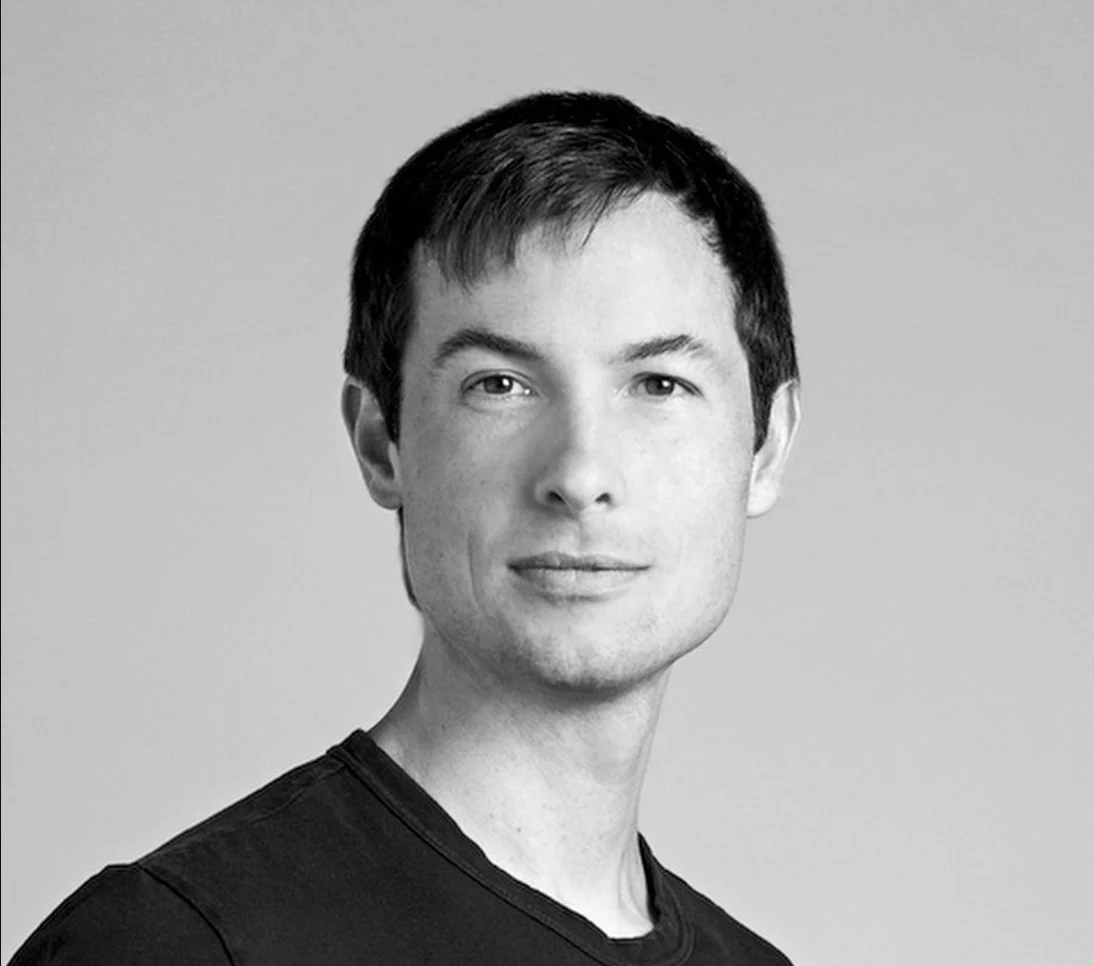
Three years after its high-profile launch, Yosemite, the oncology-focused venture capital firm led by Reed Jobs, has evolved from an ambitious experiment into a formidable force in the biotechnology sector. While the name "Jobs" carries the weight of a legendary Silicon Valley legacy, Reed Jobs is charting a distinct, highly technical path, leveraging the intersection of philanthropy, venture capital, and artificial intelligence to tackle the most stubborn challenges in cancer research.
The Genesis and Evolution of Yosemite
When Yosemite launched in 2023, the biotech industry was in the midst of a sobering "post-pandemic hangover." Interest rates had risen, capital was tightening, and the venture landscape was increasingly conservative. Against this backdrop, Jobs established a unique model: a hybrid approach that utilizes no-strings-attached philanthropic grants to de-risk early-stage academic research, paired with traditional venture capital to scale the resulting companies.
Today, the firm manages a team of 17 professionals and has built a portfolio of nearly 25 companies. The firm’s mission remains laser-focused on oncology—a sector that represents 40% of the entire biotech market. By concentrating exclusively on cancer, Yosemite has been able to develop a deep, specialized expertise that allows it to identify scientific breakthroughs—such as epigenetic gene editing and novel therapeutic delivery mechanisms—long before they reach the mainstream investment radar.
Chronology: From Concept to Clinical Reality
- 2023: Reed Jobs officially launches Yosemite at TechCrunch Disrupt, introducing a model that blends philanthropy with VC funding to support high-risk, high-reward oncology research.
- 2023–2024: The firm establishes its initial portfolio, including companies like Azalea (born from Jennifer Doudna’s lab) and Quarry (focused on induced proximity therapeutics).
- 2024–2025: As interest rates stabilize and the "patent cliff" forces pharmaceutical giants to seek new pipelines, Yosemite experiences a surge in deal flow and exits.
- 2026: The firm announces the first close of its second fund, targeting $350 million, while successfully integrating AI into its drug discovery and clinical trial design workflows.
Strategic Pillars: The "How" Behind the Cures
Yosemite’s operating model is built on three core pillars: proactive company creation, the "no-strings-attached" grant program, and a relentless focus on "undruggable" targets.
Proactive Company Creation
Unlike many VC firms that wait for entrepreneurs to pitch fully formed startups, Yosemite often acts as a co-founder. Approximately one-third of the firm’s capital is dedicated to spinning up companies internally, working alongside leading academics at institutions like Yale, Stanford, and UC Berkeley. This "builder" mentality allows Yosemite to translate theoretical breakthroughs into commercial entities with a level of rigor that ensures the science is ready for the clinic.
The Philanthropic Catalyst
Yosemite allocates 2.5% of its assets under management to a donor-advised fund, supplemented by $1 million annually from management fees. This capital is deployed as pure, no-strings-attached grants. By funding academic labs without expecting equity or intellectual property rights in return, Yosemite effectively "primes the pump." If a discovery proves promising, Yosemite is already positioned to lead the subsequent venture investment.
Tackling the Undruggable
Perhaps the most ambitious aspect of Yosemite’s strategy is its focus on the "Achilles’ heels" of cancer. Specifically, the firm is targeting p53—a tumor suppressor gene that is frequently suppressed in human cancers. Because p53 has historically been considered nearly impossible to target, most firms have avoided it. Yosemite, however, has dedicated resources to three separate companies exploring different strategies to restore or neutralize mutated p53 variants.
Data and Performance: Scaling in a Changing Market
The state of the industry has shifted dramatically in the last three years. Pharmaceutical companies are facing the largest "patent cliff" in history—a period where many blockbuster drugs are losing patent protection simultaneously. With record cash reserves on hand, Big Pharma has entered an aggressive acquisition cycle.
Recent high-profile successes demonstrate the viability of this new wave of oncology. For example, the acquisition of Kelonia by Eli Lilly for $7 billion underscores the massive valuation potential for firms that successfully navigate the early stages of biotech development. Furthermore, breakthroughs in targeting KRAS—a gene once thought to be an impenetrable "Death Star" for drug developers—have demonstrated that the industry is finally moving past long-standing scientific dead-ends.

Official Insights: The Role of AI in Healthcare
In an era where AI is often treated as a buzzword, Jobs argues that its utility in healthcare is becoming tangible, particularly in clinical trial design.
"American hospitals are some of the most technologically naive places in the economy," Jobs notes, pointing to the reliance on outdated systems like fax machines and floppy disks. However, he sees immediate promise in AI for:
- Clinical Trials: By utilizing synthetic control arms—computer-generated stand-ins for untreated patient groups—firms can potentially halve the number of required patients, drastically reducing the cost and time of Phase 3 trials.
- Drug Discovery: AI is currently accelerating the "grunt work" of drug development. Specifically, it has enabled scientists to identify "cryptic pockets" on protein surfaces, allowing for the development of small molecules that were previously impossible to design.
Implications for the Future of Medicine
As Yosemite looks toward the future, the firm is grappling with both the opportunities and the risks of a rapidly changing landscape.
The NIH Funding Debate
Jobs has been a vocal proponent of increasing funding for the National Institutes of Health (NIH). Despite bipartisan support for the NIH, the agency has faced recent political pressure to implement significant budget cuts. Jobs argues that, when adjusted for inflation, NIH funding has effectively shrunk over the last decade. He advocates for a "proactive" approach, suggesting that a budget increase to $100 billion is necessary to maintain American leadership in medical innovation.
The Longevity Question
While the longevity industry has become a popular topic among Silicon Valley investors, Jobs remains grounded. He views aging as a complex, multi-system biological process rather than a singular condition to be "cured." He believes that the future of healthcare lies in hyper-personalized medicine—optimizing health outcomes based on an individual’s specific biological markers rather than chasing a "one-size-fits-all" anti-aging pill.
Advice for Founders
For entrepreneurs, Jobs offers a candid perspective on the "storytelling" aspect of biotech. While the science must be sound, he acknowledges that a CEO’s ability to communicate the vision is paramount. He suggests that the most successful companies often separate these roles: the scientist/academic acts as the Chief Scientific Officer, while a professional operator manages the capital-raising and strategic narrative.
Conclusion: A "Scary and Empowering" Era
Three years into the Yosemite experiment, Reed Jobs is more optimistic than ever. The collision of AI, increased pharmaceutical appetite for innovation, and a deeper understanding of human genetics has turned previously impossible targets into viable goals.
"I didn’t expect Yosemite to be moving this fast," Jobs admits. As the firm continues to scale, it stands at the intersection of modern venture capital and high-stakes scientific discovery, attempting to do what many thought impossible: transforming the way we treat the world’s most devastating diseases. For Yosemite, the challenge is not just to win in the market, but to fundamentally alter the prognosis for cancer patients worldwide.











