Laily UPN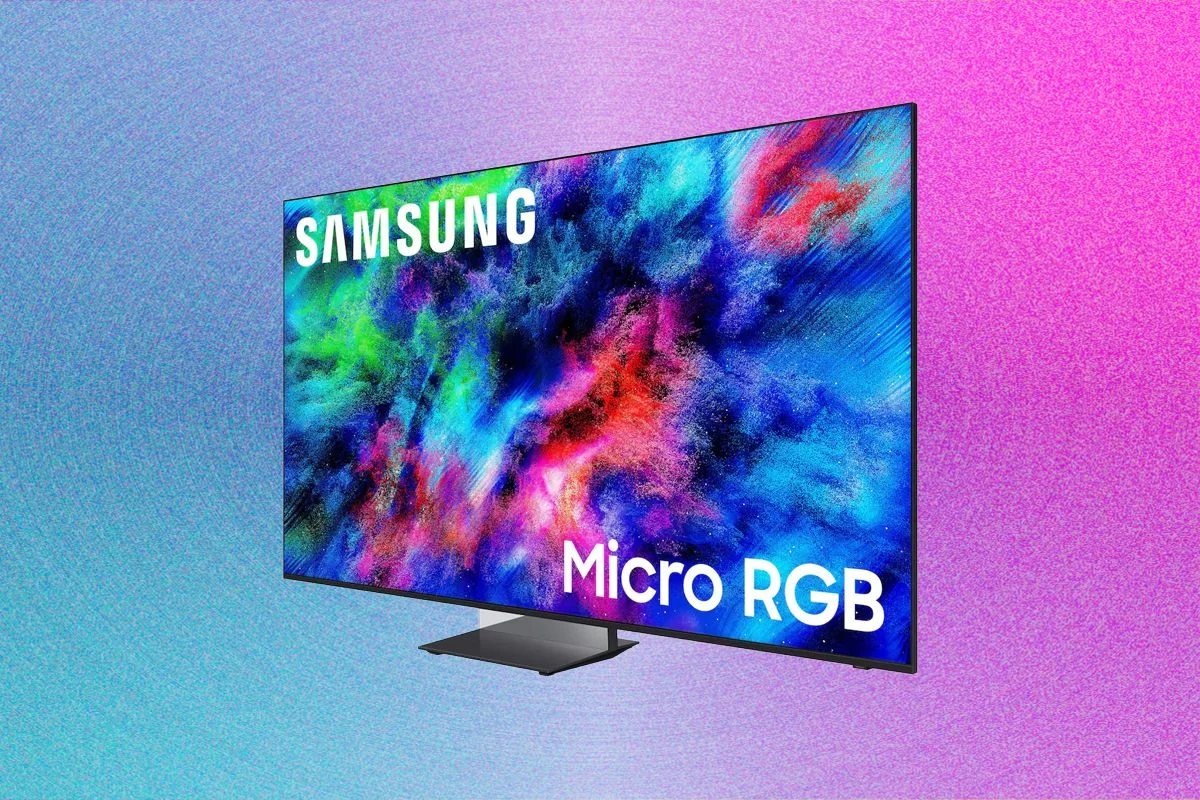
When Samsung introduced its latest foray into micro RGB display technology—the R95H—the industry expected a revolution in pixel-perfect vibrancy. Marketed as the next step in television evolution, the R95H utilizes red, green, and blue pixels to bypass the limitations of traditional white-light LED or standard OLED panels. Yet, after rigorous testing, the reality is a bittersweet mix of convenience and compromised visual ambition. While the R95H is a capable, user-friendly centerpiece, it fails to deliver the "mind-blowing" color performance required to justify its premium $3,200 price tag.
Main Facts: The Promise vs. The Reality
The Samsung Micro RGB R95H is positioned as a high-end display designed to challenge the status quo of home entertainment. At its core, the micro RGB architecture aims to provide deeper contrast and more saturated, accurate color reproduction than traditional LED sets.
However, the hardware hits a wall in execution. While the display meets the necessary technical specifications for the BT.2020 color gamut, its real-world performance is hindered by aggressive anti-glare technology that frequently dulls the vibrancy of the image. When placed alongside competitors like the LG Micro RGB Evo or the highly-regarded Hisense UR9, the Samsung R95H struggles to distinguish itself. The lack of granular, intuitive picture-quality controls further complicates the experience, leaving users with few options to "tune" the screen to their specific visual preferences.

A Chronology of the Testing Process
The evaluation of the R95H followed a structured path, beginning with installation and moving into deep-dive performance metrics.
- Phase 1: Installation and Ergonomics: Setting up the R95H is undeniably simple. The single-pedestal design snaps into place in seconds, a welcome departure from the cumbersome dual-leg systems of many 65-inch panels. Its stability on smaller furniture surfaces is a clear win for design-conscious consumers.
- Phase 2: Connectivity and Ecosystem: Testing the ports revealed a robust, albeit standard, set of inputs. The inclusion of Wi-Fi 6E ensures fast streaming, and the optional "Wireless One Connect" box—a hallmark of Samsung’s high-end line—successfully mitigates cable clutter. However, the software experience was marred by bugs, including a failure to install the Netflix app and a frustrating reliance on the SmartThings app, which required mandatory two-factor authentication.
- Phase 3: Visual Benchmarking: Using the industry-standard Spears & Munsil benchmarks, the R95H showed its limitations. Unlike its competitors, where white balance and color temperature adjustments provide noticeable improvements, the R95H’s display remains largely resistant to meaningful calibration. Whether in "Dynamic" mode or "Filmmaker" mode, the screen often struggled to balance contrast without crushing shadow detail.
- Phase 4: Content Streaming and Gaming: Testing ranged from high-contrast thrillers like Awake to vibrant, fast-paced sports. While the AI-driven "Soccer Mode Pro" provided a surprisingly clear and vivid experience for live games, cinematic content often suffered from a washed-out, gray aesthetic that undermined the premium nature of the hardware.
Supporting Data and Technical Performance
To understand why the R95H falls short, one must look at the data derived from diverse testing scenarios.
Color and Contrast
The R95H frequently exhibits a "flat" character. In tests using scenes from Project Hail Mary and Hoppers, deep blues and vibrant florals appeared muted. The anti-glare coating, while effective at blocking ambient light, appears to be the primary culprit in muting the panel’s native saturation. In contrast, the LG Micro RGB Evo handles these same scenes with a punchiness that makes the Samsung model look significantly more budget-oriented than its $3,200 MSRP suggests.

Gaming Capabilities
The gaming experience is where the R95H finds its strongest footing. Supporting a 120-Hz refresh rate and featuring a dedicated "Game Mode" input, titles like Forza Horizon 6 and Subnautica 2 benefited from the panel’s low latency and high-speed responsiveness. The anti-glare coating, which acts as a detriment to cinema, actually provides a degree of realism to racing sims, making virtual environments feel more grounded. However, when pushed to a 165-Hz refresh rate via PC, the responsiveness was less than stellar compared to high-end gaming monitors.
Audio and Smart Features
The built-in speakers are adequate for news but struggle with the nuanced sound design of modern streaming content. Users will almost certainly require a dedicated soundbar. Regarding the software, the Tizen OS remains functional but lacks the intuitive polish of Google TV. Samsung’s insistence on a proprietary ecosystem creates unnecessary friction, such as the aforementioned issues with Netflix and the somewhat inconsistent voice-assistant integration with Alexa+.
Official Responses and Manufacturer Context
Samsung has acknowledged some of the software inconsistencies identified during this review. Specifically, the company is investigating reports regarding streaming app installation failures and the intermittent failure of the "Alexa" voice-prompt trigger.

In terms of the hardware, Samsung continues to emphasize the durability and convenience of its One Connect ecosystem and its proprietary AI-upscaling algorithms. While the "AI Soccer Mode Pro" has received praise for its performance, the company has remained quiet on why the panel’s color processing appears less flexible than the competition. Industry observers suggest that Samsung’s reliance on its specific anti-glare filter may be a strategic choice for bright, well-lit living rooms, even if it comes at the cost of cinematic depth for home theater enthusiasts.
Implications for the Future of Display Tech
The R95H serves as a cautionary tale for the "Micro RGB" category. The technology is inherently promising—the potential for pixel-level control and color accuracy is vast—but hardware integration is only half the battle. If a manufacturer builds a technically superior panel but hides the control mechanisms behind rigid software or restrictive anti-glare coatings, the end-user experience suffers.
For the consumer, the implications are clear: the Samsung Micro RGB R95H is a "lifestyle" TV rather than a "purist" display. It excels at being a piece of home furniture—easy to set up, aesthetically clean, and great for sports and casual gaming. However, for those looking for the "mind-blowing" contrast and color depth promised by the next generation of display tech, the market currently offers better alternatives at similar or even more competitive price points.

The R95H proves that in the modern television market, raw hardware specifications are no longer enough. Performance, software agility, and user-centered calibration are the new pillars of success. Until Samsung refines its software ecosystem and re-evaluates the balance between its anti-glare filters and color output, the R95H will remain an interesting, albeit flawed, attempt at technological dominance.
Final Verdict: At $3,200, the Samsung R95H is a premium product with entry-level flexibility. While it offers a sleek design and excellent motion handling for sports and gaming, it lacks the color depth and calibration freedom required to truly compete with the best in the micro-LED and OLED spaces. Potential buyers should weigh the convenience of the one-cable setup against the need for a more vibrant, tunable, and reliable software experience.


 Nana
Nana
 Basiran