The Marvel Cinematic Universe (MCU) stands at a pivotal crossroads. Since the cataclysmic conclusion of Avengers: Endgame in 2019, the franchise has been grappling with the challenge of scaling new heights, navigating the complexities of the Multiverse Saga, and re-engaging a global audience. Now, with the official unveiling of the first concept art for Avengers: Doomsday, the path forward has become significantly clearer—and far more ambitious than many anticipated.
Revealed by Marvel Studios at Bilibiliworld in Shanghai, the concept art provides our first substantive look at the sheer scale of the upcoming crossover. It signals not just the return of the Russo Brothers to the director’s chair, but the full-scale integration of the 20th Century Fox mutant library and the new era of the Fantastic Four into the primary MCU narrative.
The Visual Blueprint: A Gathering of Titans
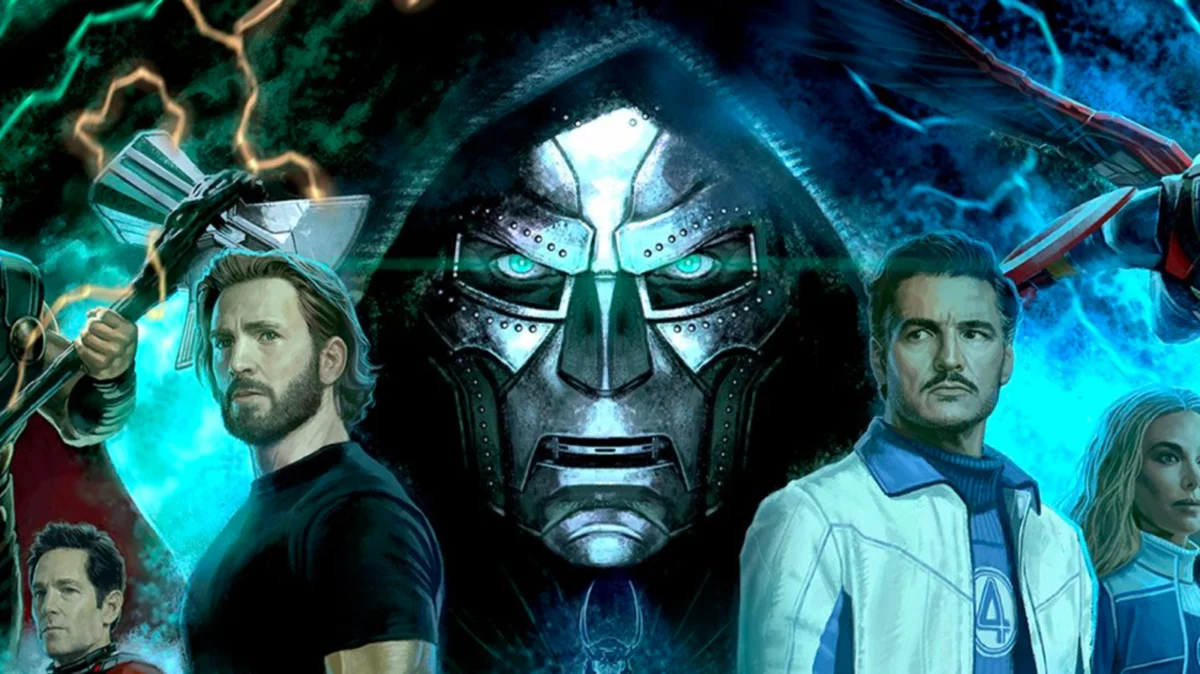
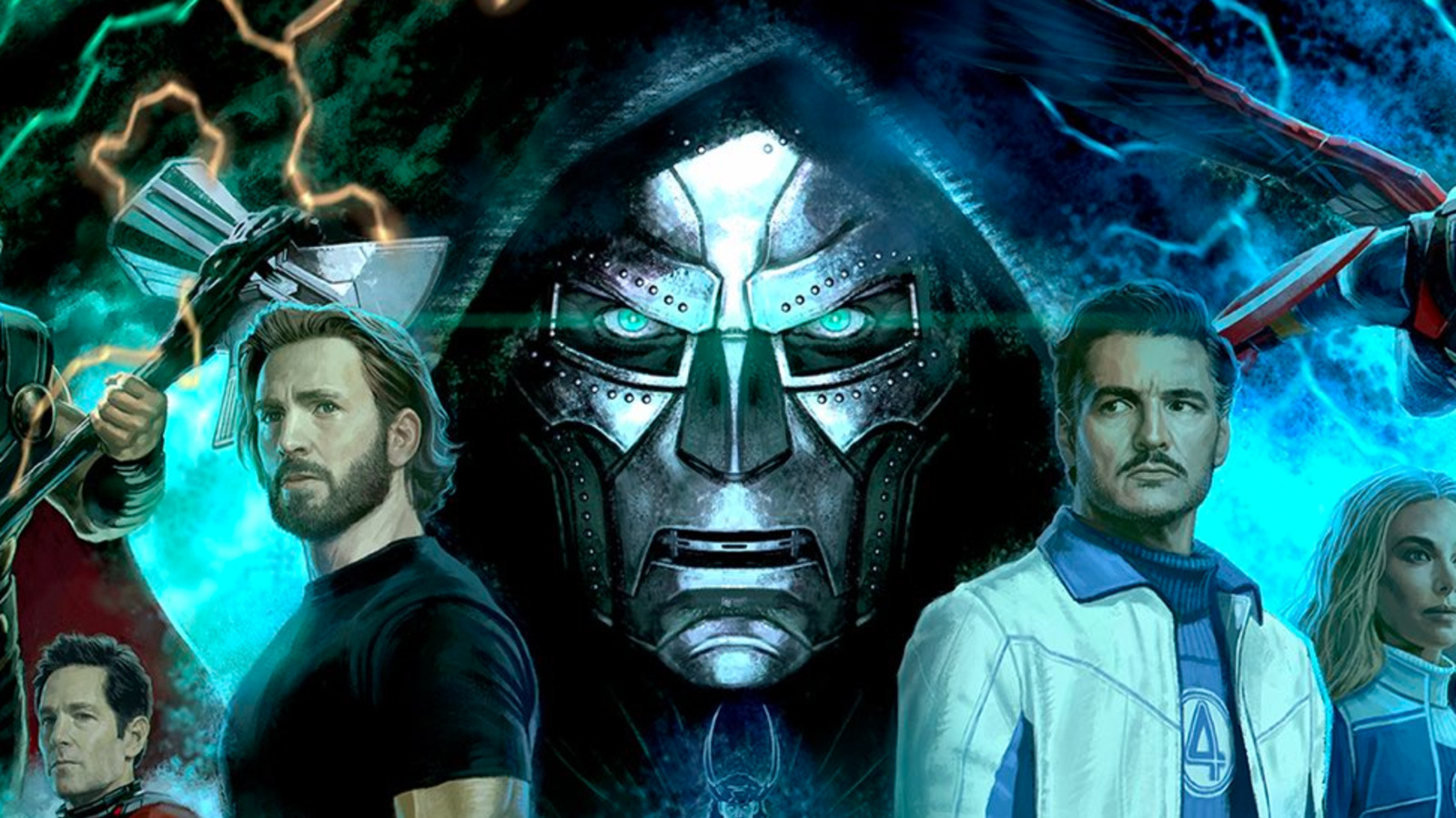
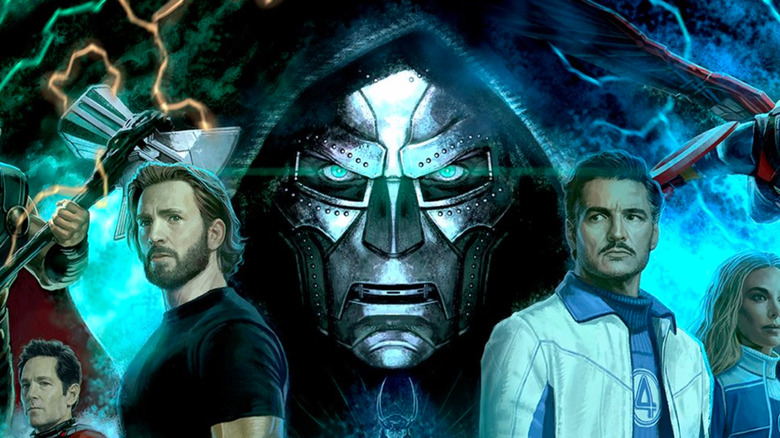
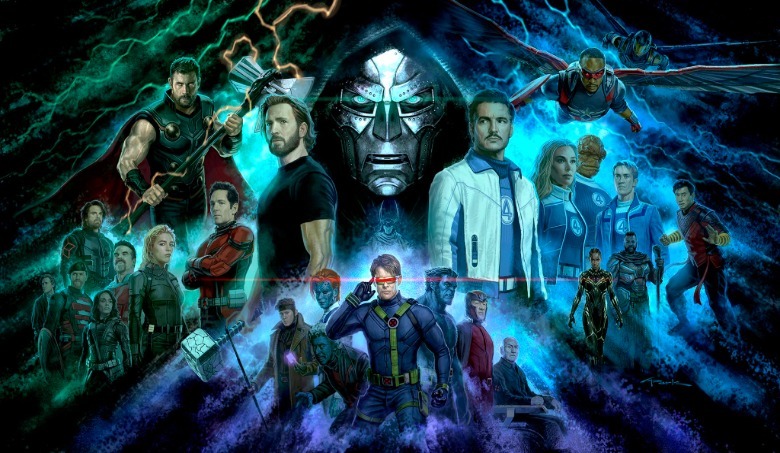
The concept art, shared publicly by former Marvel visual development lead Andy Park, serves as a mission statement for the film. At the center of the visual hierarchy stands Doctor Doom—the formidable antagonist who will be portrayed by Robert Downey Jr. His presence is commanding, draped in the iconic metallic armor that has defined the character in Marvel Comics for decades.
However, it is the periphery of the image that has sent shockwaves through the fan community. The artwork confirms that the Avengers: Doomsday canvas will be massive, featuring a roster that spans timelines and legacies. Most notably, the image includes clear depictions of fan-favorite X-Men characters: Nightcrawler (previously played by Alan Cumming), Beast (Kelsey Grammer), and Mystique (Rebecca Romijn).
Perhaps most intriguingly, the composition features a hidden, central placement of Loki, played by Tom Hiddleston. Given the character’s evolution into the "God of Stories" at the conclusion of Loki Season 2, his presence suggests that he may serve as the metaphysical anchor for the film’s narrative—the bridge between the fragmented timelines that Doctor Doom seeks to conquer or dismantle.
Chronology of the Multiverse Saga
To understand the weight of Avengers: Doomsday, one must look at the timeline of the MCU’s recent evolution:
- 2019: Avengers: Endgame marks the end of the "Infinity Saga," effectively retiring the original Avengers team lineup.
- 2022: Doctor Strange in the Multiverse of Madness officially introduces the concept of the "Incursion," where realities collide, and gives us a brief, tragic cameo from Patrick Stewart’s Professor X.
- 2023: The Loki series concludes, establishing the God of Mischief as the warden of the branching timelines, a development that effectively set the stage for a Multiverse-level crisis.
- 2024: Deadpool & Wolverine shatters the barrier between the MCU and the former Fox-owned X-Men franchise, utilizing the multiverse to bring legacy characters like Channing Tatum’s Gambit into the fold.
- 2026 (Upcoming): Avengers: Doomsday is scheduled for release on December 18, acting as the culmination of the current narrative arc.
This trajectory reveals a deliberate strategy by Kevin Feige and his team: slowly conditioning the audience to accept a reality where multiple versions of Marvel history exist simultaneously, all of which are now vulnerable to the threat posed by Doctor Doom.
The New Guard and the Legacy Heroes
The film’s roster represents a unique "mash-up" of the MCU’s future and its storied past. While the original Avengers—excluding Thor and Steve Rogers—are largely absent from this specific piece of concept art, the "New Avengers" are positioned as the primary defenders of reality.
The lineup confirmed by the visual evidence and production reports includes:
- The Fantastic Four: Representing the MCU’s latest major addition, the team is expected to serve as the intellectual and tactical counter to Doom’s machinations.
- Sam Wilson’s Captain America: Anthony Mackie steps into the leading role, supported by Joaquín Torres (Falcon).
- The Wakandan Leadership: Shuri (Black Panther) and M’Baku are present, representing the technological and military might of Wakanda.
- The Street-Level Defenders: Shang-Chi and Ant-Man bring unique skill sets to a battle that spans dimensions.
This configuration is a calculated departure from the Infinity War model. Rather than relying on the emotional crutch of the 2012 original team, Marvel is betting on the audience’s investment in the newer heroes, while using legacy X-Men characters to provide the necessary "wow" factor to drive theatrical attendance.
Official Perspectives and Behind-the-Scenes Context
The release of this art is as much about the process as it is about the product. Andy Park’s commentary on the reveal carries a bittersweet weight. Having been laid off earlier this year alongside the rest of the visual development team—a move that sparked significant controversy regarding Disney’s labor practices—Park’s pride in the project is evident.
"This illustration commemorates that journey and reveals the characters and their looks for the first time," Park wrote on social media. His involvement in this project represents the "final full film" he led, marking the end of an era for the visual language of the MCU. For Marvel, this art serves as a critical marketing pivot. Following the mixed reception to several Phase 5 entries, the studio is leaning heavily into "event" cinema, hoping that the promise of X-Men, Fantastic Four, and Doctor Doom will reignite the fervor of 2019.
Strategic Implications for the MCU
The integration of the Fox-era mutants—specifically the return of Kelsey Grammer’s Beast and Rebecca Romijn’s Mystique—suggests that Avengers: Doomsday will function as a "greatest hits" of Marvel’s cinematic history. This is a high-risk, high-reward strategy. By pulling from the Fox catalog, Marvel risks confusing casual viewers who may not be familiar with the continuity of the 2000s-era X-Men films. However, it rewards the long-term fans who have clamored for a unified Marvel universe for over two decades.
Furthermore, the casting of Robert Downey Jr. as Doctor Doom remains the most controversial and discussed aspect of the production. By having the actor who built the MCU as Iron Man now portray its greatest villain, Marvel is signaling that the film will deal heavily with themes of "variants," doppelgängers, and the corruption of legacy.
If Loki is indeed the "God of Stories" holding the multiverse together, the conflict with Doom is essentially a battle over the "canon" of the Marvel universe. Will Doom rewrite reality? Will he destroy the timelines that Loki is protecting? The stakes, for the first time since Thanos, feel existential.
Looking Toward 2026
As production moves forward, the pressure on the Russo Brothers to deliver a coherent, emotionally resonant epic is immense. The visual language established in this concept art—a chaotic, high-stakes collision of worlds—is just the beginning.
While the inclusion of legacy characters like Gambit and Nightcrawler provides a nostalgic thrill, the ultimate success of Avengers: Doomsday will hinge on whether Marvel can balance these massive ensemble pieces without losing the character-driven intimacy that made the original Avengers films so successful.
With a release date set for December 18, 2026, Marvel Studios has given itself the necessary runway to refine these complex visual effects and narrative threads. For now, the concept art offers a tantalizing, if slightly overwhelming, glimpse into a future where all the scattered pieces of the Marvel multiverse finally converge—for better or for worse. The "Glorious Purpose" that Loki once sought has now become a survival struggle for every hero across every reality. The age of Doom has begun.