

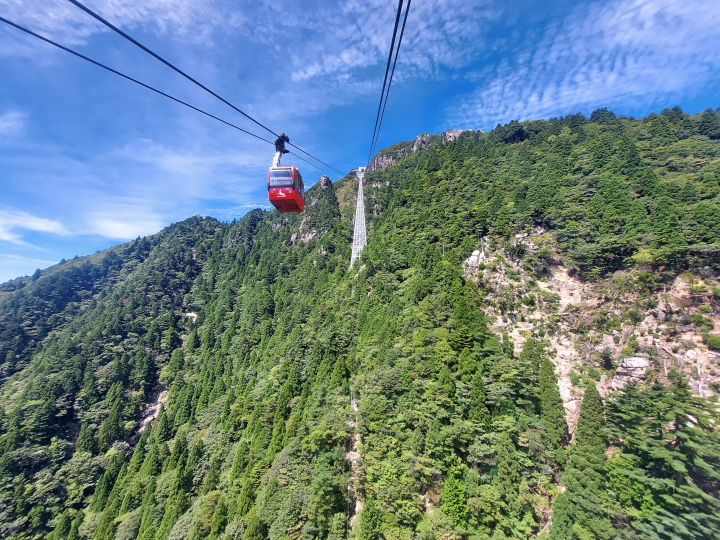
Standing at 1,212 meters above sea level, Mount Gozaisho in Mie Prefecture serves as a dramatic natural sanctuary. As urban heat islands intensify across Japan, the peak offers a refreshing respite, consistently maintaining temperatures approximately 10°C cooler than the base. Whether you are a photography enthusiast, a family seeking a weekend adventure, or a traveler looking to step back into the nostalgic atmosphere of the Showa era, Mt. Gozaisho provides a multi-sensory experience that combines modern engineering with ancient tradition.

Main Facts: The Gateway to the Skies
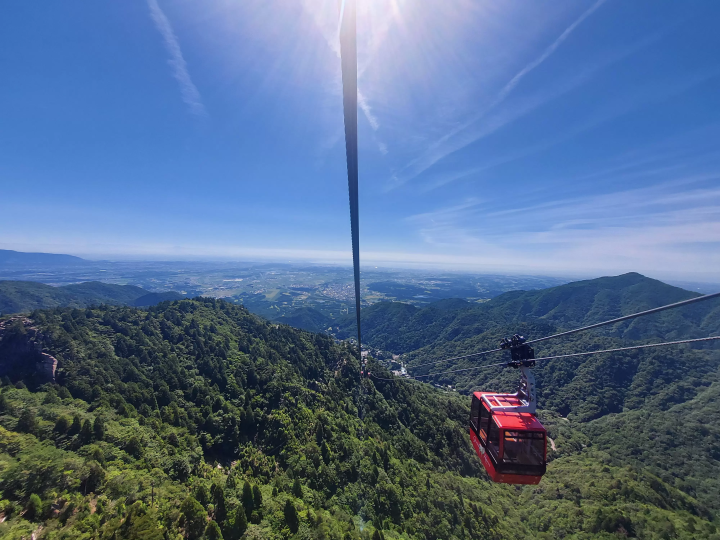
The centerpiece of the mountain experience is the Gozaisho Ropeway. Located in Komono Town, Mie Prefecture, this engineering marvel whisks passengers from the base of the mountain to the summit in just 15 minutes. The journey is not merely a transit; it is a panoramic tour of the Suzuka mountain range, offering breathtaking views of the lush greenery, shifting topography, and, on clear days, the expansive waters of Ise Bay.
Key Visitor Information:
- Location: Komono Town, Mie Prefecture.
- Operating Hours: Accessible via the Gozaisho Ropeway.
- Ropeway Pricing: 2,600 yen (Adults, round-trip), 1,300 yen (Children, round-trip). Children aged 1–3 ride free.
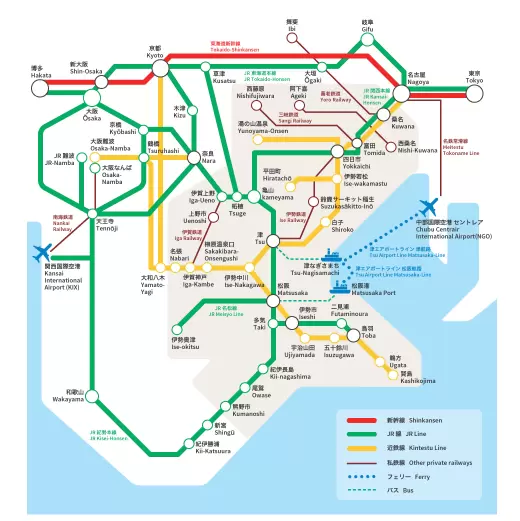
- Accessibility: Highly accessible from major transit hubs in Nagoya and Osaka via the Kintetsu Railway.
Chronology: From Ancient Springs to Modern Skyways
The cultural significance of the region is rooted in history. Yunoyama Onsen, the base town for the ropeway, has been a sanctuary for travelers for over 1,300 years.
- The Ancient Era: Legend dictates that the hot springs were discovered by a wounded deer who used the mineral-rich waters to heal its injuries, leading to its historic nickname, "Deer’s Hot Spring."
- The Showa Era: The town flourished as a hot spring resort, developing the cobblestone charm and wooden architecture that characterizes the area today.
- October 30, 2025: The inauguration of the "COCORU" observation terrace marked a new chapter in the mountain’s development, providing visitors with a modern, interactive way to engage with the natural beauty of the Suzuka range.
Supporting Data: Navigating the Summit
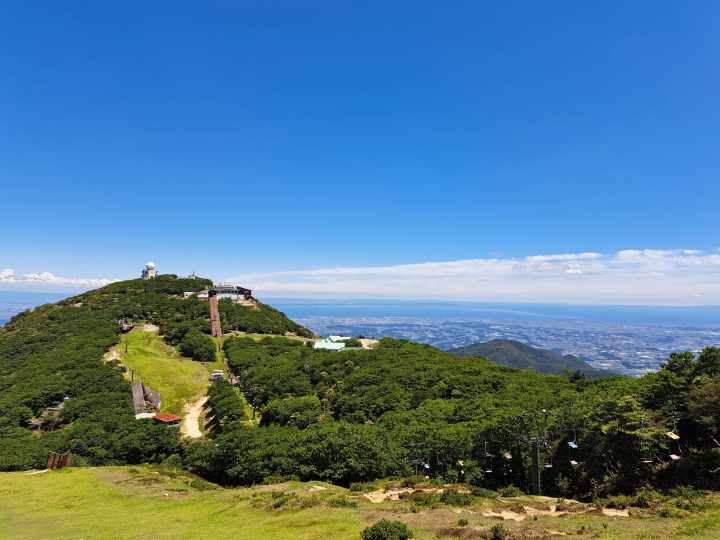
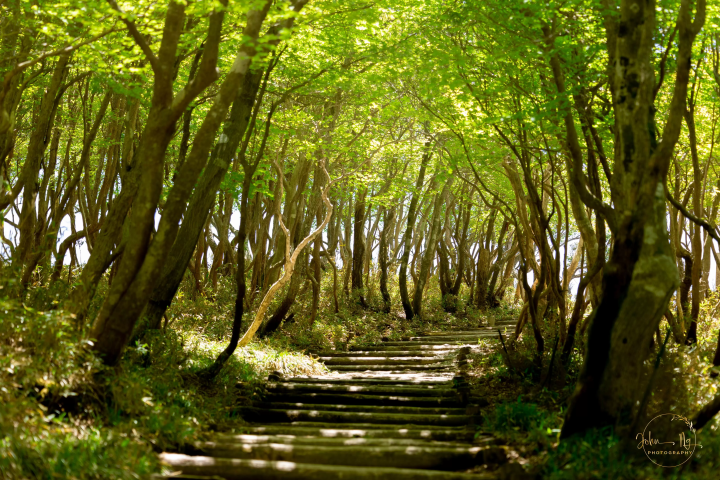
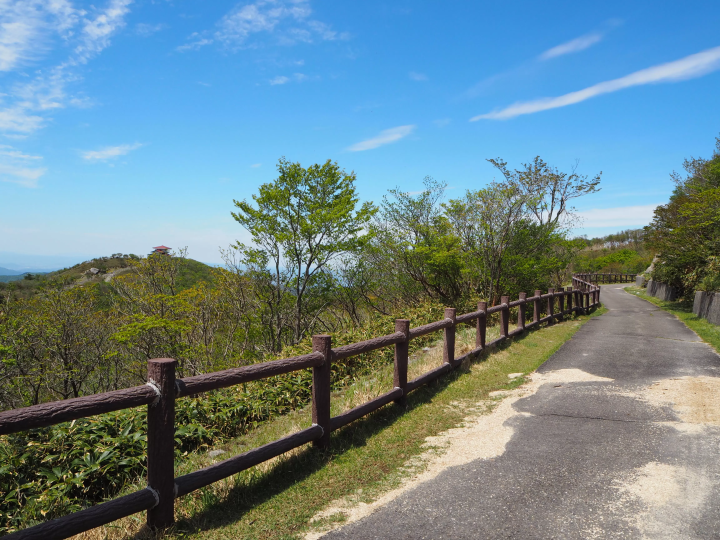
Once you disembark at the summit station, the mountain park offers a well-maintained network of trails suitable for casual walkers and serious hikers alike.
The Observation Experience
The mountain is designed to maximize views of central Japan. Three primary observation points are essential for any itinerary:
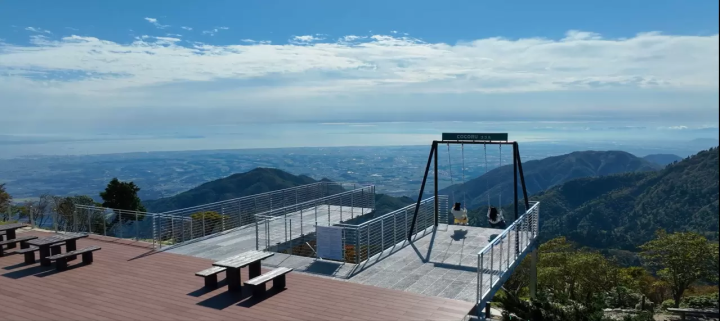
- COCORU Terrace: Opened in 2025, this facility is located in Kamoshika Plaza. It features a unique swing set that allows visitors to "soar" over the edge of the terrace, offering a thrilling 3-minute photo opportunity for 300 yen. The terrace provides a direct line of sight to Kamagatake and the sweeping coastline of Ise Bay.
- Fujimi Observatory: True to its name (meaning "Fuji-viewing"), this deck offers a chance to spot Japan’s tallest peak. While visibility depends heavily on atmospheric conditions—most frequent in cooler months—the deck remains a prime location for panoramic shots of the Chita Peninsula, Nagoya City, and the distant Minami Alps.
- Bokodai Observatory: Situated on the western edge of the mountain, this is the official summit. It provides a stark, high-altitude perspective of the region’s rugged landscape.
Transportation Logistics
Strategic planning is vital for a smooth trip. Travelers are advised to use the Kintetsu Rail Pass for cost-effective transit.

- Step 1: Travel to Kintetsu Yokkaichi Station. (Note: Do not confuse this with JR Yokkaichi Station, which is geographically distinct and inconvenient for this route).
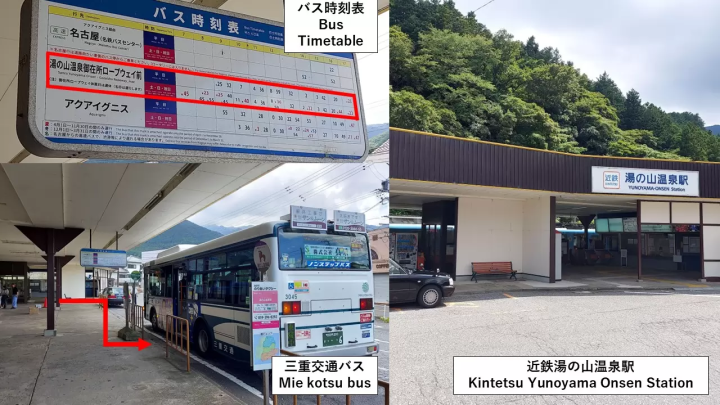
- Step 2: Transfer to the Kintetsu Yunoyama Line and travel to the final stop, Yunoyama Onsen Station.
- Step 3: Board the Mie Kotsu Bus bound for "Yunoyama Onsen Gozaisho Ropeway Mae." The bus journey takes approximately 10 minutes.
Official Responses and Strategic Development
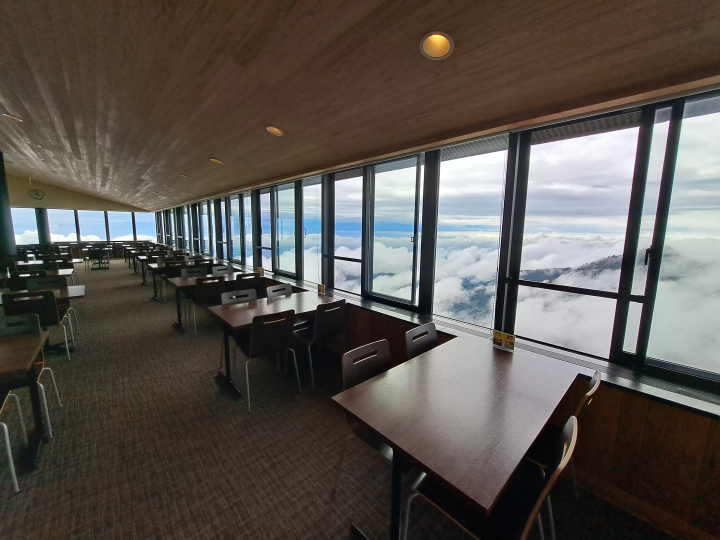
The management of the Gozaisho Ropeway continues to emphasize the importance of guest experience and seasonal adaptation. By integrating the "COCORU" terrace and maintaining high-quality dining facilities like the "Nature" restaurant—famous for its signature Gozaisho Curry Udon—the park has shifted from a seasonal destination to a year-round attraction.
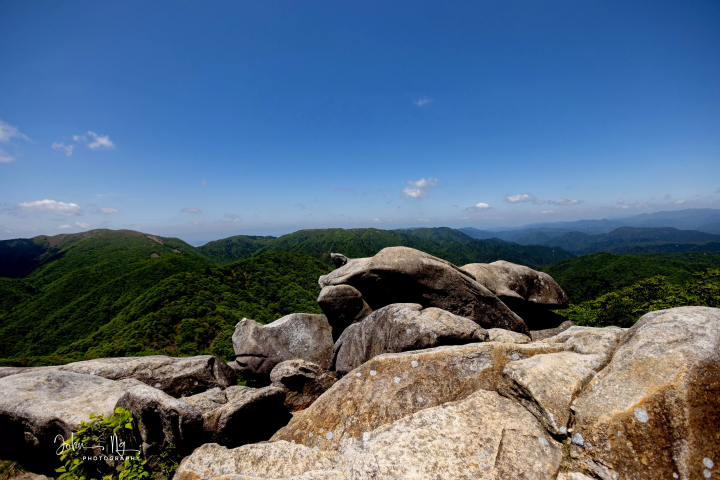
Management emphasizes that the mountain park is intentionally kept accessible. The promenade paths are maintained to ensure that those in standard footwear (sneakers) can safely traverse the highlights of the peak without the need for specialized climbing gear. This inclusivity is part of a broader effort to make mountain tourism a viable alternative for urban residents seeking a "reset" from city life.
Implications: The Enduring Allure of Yunoyama Onsen
The journey to Mt. Gozaisho is ultimately a journey between two distinct environments: the modern, efficient skyway and the timeless, meditative pace of the valley.
The Cultural Implication
Yunoyama Onsen is not just a transit point; it is an immersive experience. The town retains a "time-capsule" quality. Visitors will find remnants of the Showa era, such as vintage hand-washing stations and traditional ryokans that have served guests for centuries. The juxtaposition of the modern ropeway ride and the slow-moving, historic streets of the onsen town creates a balanced travel experience that appeals to both the thrill-seeker and the history buff.
The Environmental Implication
The rise of mountain tourism in regions like Komono Town serves as a testament to the changing nature of Japanese travel. As travelers look for sustainable and climate-conscious vacations, high-altitude destinations provide a natural solution. By utilizing existing infrastructure like the ropeway, the local tourism board minimizes the environmental impact on the protected mountain ecosystem while providing economic stability to the historic hot spring town.
Final Travel Advice
To ensure you do not miss out on the latest updates, the Gozaisho Ropeway management encourages travelers to follow their official social media channels on Facebook and Instagram. These platforms provide real-time updates on weather conditions, which are critical given the high-altitude nature of the peak.

For those looking to extend their stay, institutions like Saikoyo offer a blend of traditional hospitality and modern, enthusiastic service. Whether you are coming for the 10-degree temperature drop, the thrill of the swing at COCORU, or the healing mineral waters of a 1,300-year-old onsen, Mt. Gozaisho represents a quintessential Japanese escape—one that balances the awe of the natural world with the comfort of human history.

Plan your trip, check the weather, and prepare to see Japan from a different perspective—above the clouds.











