

Stranger Things stands as the undisputed titan of the streaming era. From its humble beginnings as a nostalgic love letter to 1980s sci-fi and horror, the Duffer Brothers’ creation evolved into a global cultural phenomenon that effectively secured Netflix’s dominance in the "Streaming Wars." By blending coming-of-age tropes with supernatural dread, the series became synonymous with the binge-watch culture that now defines modern television. However, even the most heralded series are not immune to creative missteps. As the show concluded its run, retrospective analysis reveals that not every journey through the Upside Down was a masterclass in storytelling. Below, we examine the most critically maligned episodes, exploring the structural, tonal, and narrative choices that alienated fans and critics alike.
The Evolution of Criticism: From Cult Hit to Global Behemoth
To understand why certain episodes faltered, one must first recognize the sheer weight of expectation placed upon the Duffer Brothers. As the show progressed, the narrative scope expanded exponentially. What began as a tight-knit mystery in the small town of Hawkins, Indiana, eventually grew into an international, multi-generational saga involving Soviet conspiracies, psychic warfare, and the metaphysical collapse of reality.
The fifth and final season, in particular, served as a lightning rod for this frustration. While the series finale aimed to provide a definitive, emotional conclusion, it became the lowest-rated season in the show’s history on platforms like IMDb and Rotten Tomatoes. Critics and fans pointed to a lack of narrative focus, a reliance on extraneous lore from expanded media (such as the Stranger Things stage play), and a general sense that the show had buckled under the weight of its own expansive cast. By examining the episodes ranked as the "worst," we uncover a recurring pattern of pacing issues, character inconsistency, and the struggle to maintain the intimate charm that defined the show’s breakout first season.
Chronology of Missteps: A Breakdown of the Bottom Five
5. Season 5, Episode 8: "The Rightside Up"
The series finale remains perhaps the most contentious piece of media in the show’s history. While wrapping up a show of this magnitude is a Herculean task, "The Rightside Up" was widely criticized for a 40-minute prologue that felt more like a chore than a narrative bridge.
The primary grievance from the fanbase centered on the resolution—or lack thereof—for long-standing character arcs. Several beloved figures were sidelined without explanation, while others received resolutions that felt rushed or unearned. Most notably, the ambiguous conclusion regarding Eleven’s fate left audiences frustrated rather than satisfied. When paired with glaring logical inconsistencies regarding the disappearance of the Demogorgons and the sudden shift in tone, the episode felt like a missed opportunity to deliver the definitive send-off the characters deserved.
4. Season 4, Episode 5: "The Nina Project"
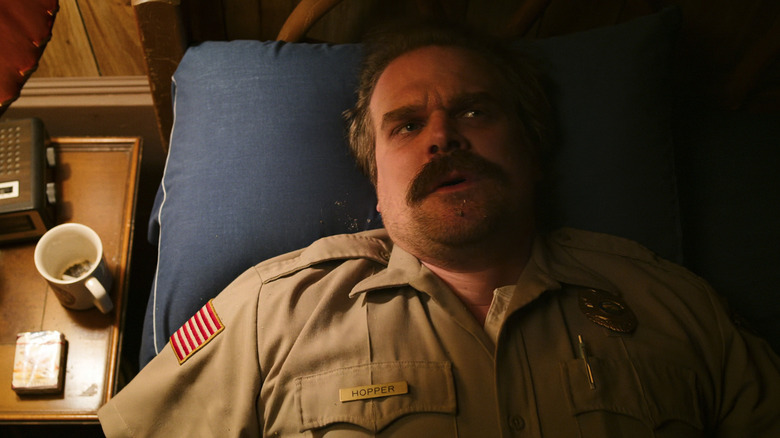
By the middle of Season 4, Stranger Things had shifted away from its small-town roots, opting for a sprawling, multi-continental narrative. In "The Nina Project," this ambition resulted in a pacing disaster. Much of the runtime was dedicated to Jim Hopper’s imprisonment in a Soviet gulag. While the eventual breakout provided some of the season’s highest-octane action, "The Nina Project" felt like a static filler episode.
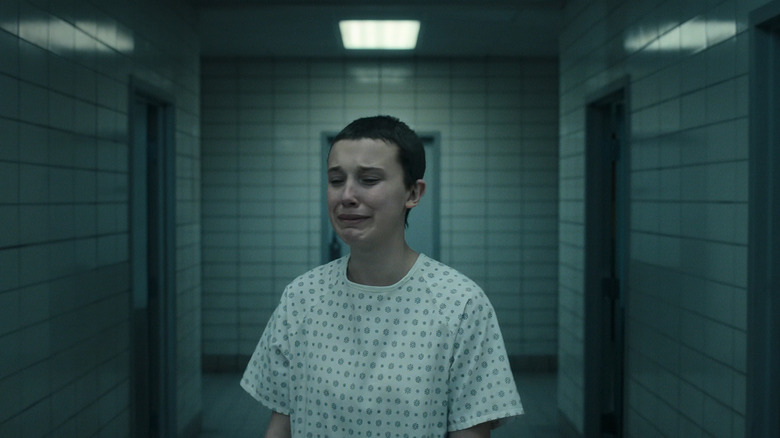
Furthermore, the "NINA" sensory-deprivation tank subplot, intended to provide depth to Eleven’s psyche, felt like a repetitive exercise. By this point, the show’s constant need to revisit Eleven’s trauma through flashbacks began to feel like a narrative crutch, slowing down the momentum of the primary plotlines occurring in Hawkins.
3. Season 5, Episode 6: "Escape from Camazotz"
This episode serves as a prime example of the show’s "bloat" problem. The reliance on knowledge from the Stranger Things stage play was a bridge too far for many viewers. Scenes involving a young Henry Creel were presented with almost no context, leaving casual viewers in a state of confusion.
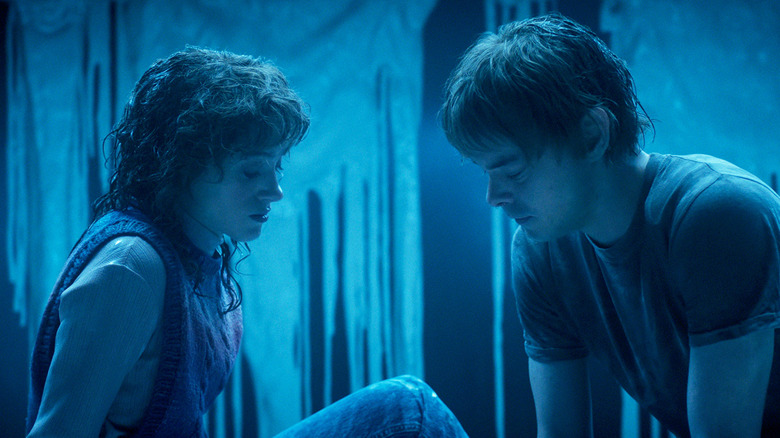
Additionally, the subplot regarding the breakup of Nancy Wheeler and Jonathan Byers was handled with such cryptic, melodramatic writing that it became a source of ridicule. The "melting room" sequence, while visually ambitious, felt like a hollow attempt to heighten the stakes without the emotional grounding necessary to make the audience care. It was a clear sign that the series had lost the thread of its core character dynamics.

2. Season 3, Episode 1: "Suzie, Do You Copy?"
The shift from a dark, brooding horror-mystery to a neon-soaked, comedic nostalgia-fest in Season 3 remains a point of contention. "Suzie, Do You Copy?" signaled this transition, and for many, it was jarring. The characterization of Jim Hopper suffered most notably; he was transformed from the grounded, protective father figure of Season 2 into a bumbling, temperamental caricature for the sake of forced comedy.
The episode also suffered from a lack of focus. The subplot involving Billy Hargrove’s activities at the local pool and the introduction of Dustin’s long-distance relationship felt like distractions from the looming supernatural threat, highlighting the growing disconnect between the Duffer Brothers’ original vision and the studio’s desire for a more "pop-friendly" aesthetic.
1. Season 2, Episode 7: "The Lost Sister"
Often cited as the most notorious episode in the series, "The Lost Sister" remains the gold standard for "filler." By abandoning the town of Hawkins entirely to focus on Eleven’s trip to Chicago, the show broke its own golden rule: the ensemble is the heart of the series.
While the episode attempted to flesh out the lore of the Hawkins Lab experiments, the introduction of Kali and her band of misfits felt disconnected from the established tone of the show. It was a classic "bottle episode" that failed to add any meaningful stakes or emotional weight to the overarching season narrative. Even with the attempts to retroactively justify the episode’s existence in Season 5, it remains a glaring example of a creative detour that derailed the momentum of an otherwise strong season.
Supporting Data and Production Context
The decline in critical reception for these specific episodes mirrors the shift in the show’s production philosophy. Early seasons were defined by tight scripting and a clear, singular focus. However, as the budget increased, so did the length of the episodes and the number of characters.
Data from review aggregators like IMDb shows a consistent trend: episodes that move away from the core Hawkins ensemble in favor of high-concept, standalone "lore-building" subplots tend to score significantly lower. Furthermore, the average runtime of episodes in the final seasons increased by nearly 30%, which critics argue led to "loose" editing and scenes that lacked the narrative discipline of earlier installments.
Official Responses and Creative Justification
The Duffer Brothers have historically defended their creative choices, often citing a desire to expand the "world-building" of the Upside Down. In various interviews, they have framed the more divisive episodes—particularly "The Lost Sister"—as necessary steps in Eleven’s journey toward self-actualization. Regarding the finale, the showrunners emphasized the difficulty of balancing the "emotional needs of the characters" against the "demands of the plot."
However, they have acknowledged that the series’ success created a pressure to deliver more content, which sometimes resulted in episodes that felt bloated or disconnected. The inclusion of the stage play elements in the final season was a decision they stood by as a way to reward "deep-dive" fans, though they have acknowledged the barrier to entry it created for more casual viewers.
Implications for Future Streaming Dramas
The "worst of" list for Stranger Things provides a roadmap for what to avoid in prestige television. The primary lesson is that expansion is not always synonymous with improvement. When a show loses its focus—whether by pivoting to forced comedy, introducing unnecessary lore, or sidelining the core cast—it risks alienating the audience that made it a success in the first place.
As the industry looks toward the next generation of streaming hits, the legacy of Stranger Things serves as both a blueprint for success and a cautionary tale. The episodes ranked here were not failures of talent, but failures of discipline. They remind us that even the most ambitious, high-budget series must remain tethered to the characters and the emotional stakes that started the journey, lest they vanish into their own manufactured darkness.










