

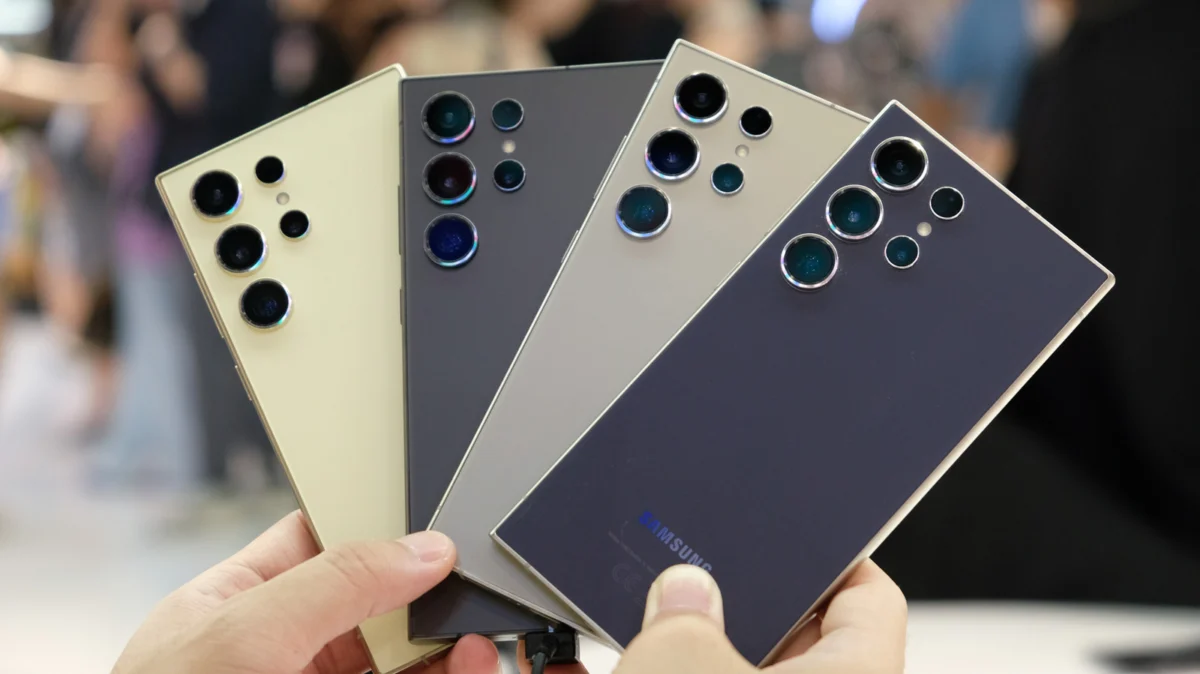
The smartphone industry is often characterized by a relentless pursuit of "premium" materials. For years, the gold standard of hardware design has been a shifting target, moving from plastic to glass, and finally to high-end metals. However, the recent decision by Samsung to abandon titanium for its flagship Galaxy S26 Ultra has sparked a firestorm of debate among tech enthusiasts and industry analysts alike.
After two generations of championing titanium as the pinnacle of smartphone construction, Samsung has pivoted back to "Armor Aluminum." This reversal, occurring in lockstep with industry trends, raises significant questions about the true necessity of high-end alloys, the influence of supply chain economics, and the often-performative nature of smartphone marketing.
The Chronology of a Material Shift
To understand why Samsung has moved away from titanium, one must look at the recent trajectory of flagship design.
The Titanium Era (2024–2025)
When Samsung unveiled the Galaxy S24 Ultra, the shift to a titanium frame was the headline feature. It was a clear strategic response to the market pressure exerted by Apple, which had introduced the material with the iPhone 15 Pro. Samsung leaned heavily into the "premium" narrative, emphasizing the strength-to-weight ratio and the sophisticated, brushed finish that titanium offered.
For the S24 and S25 Ultra cycles, titanium became synonymous with the "Ultra" moniker. It served as a differentiator, signaling to consumers that they were paying for the absolute best in metallurgical engineering.
The Return to Aluminum (2026)
With the launch of the Galaxy S26 Ultra, the titanium frame was quietly retired. Samsung replaced it with its proprietary "Armor Aluminum." This transition was not framed as a downgrade; rather, it was presented as a functional optimization. By abandoning the more difficult-to-machine titanium, Samsung has returned to a material that is not only more cost-effective but also significantly more integrated into their existing, highly optimized global manufacturing pipelines.
Economic and Engineering Realities: Why Titanium Faded
The transition from titanium back to aluminum is rarely a simple matter of preference. It is a calculated decision involving complex manufacturing variables.
1. The Manufacturing Hurdle
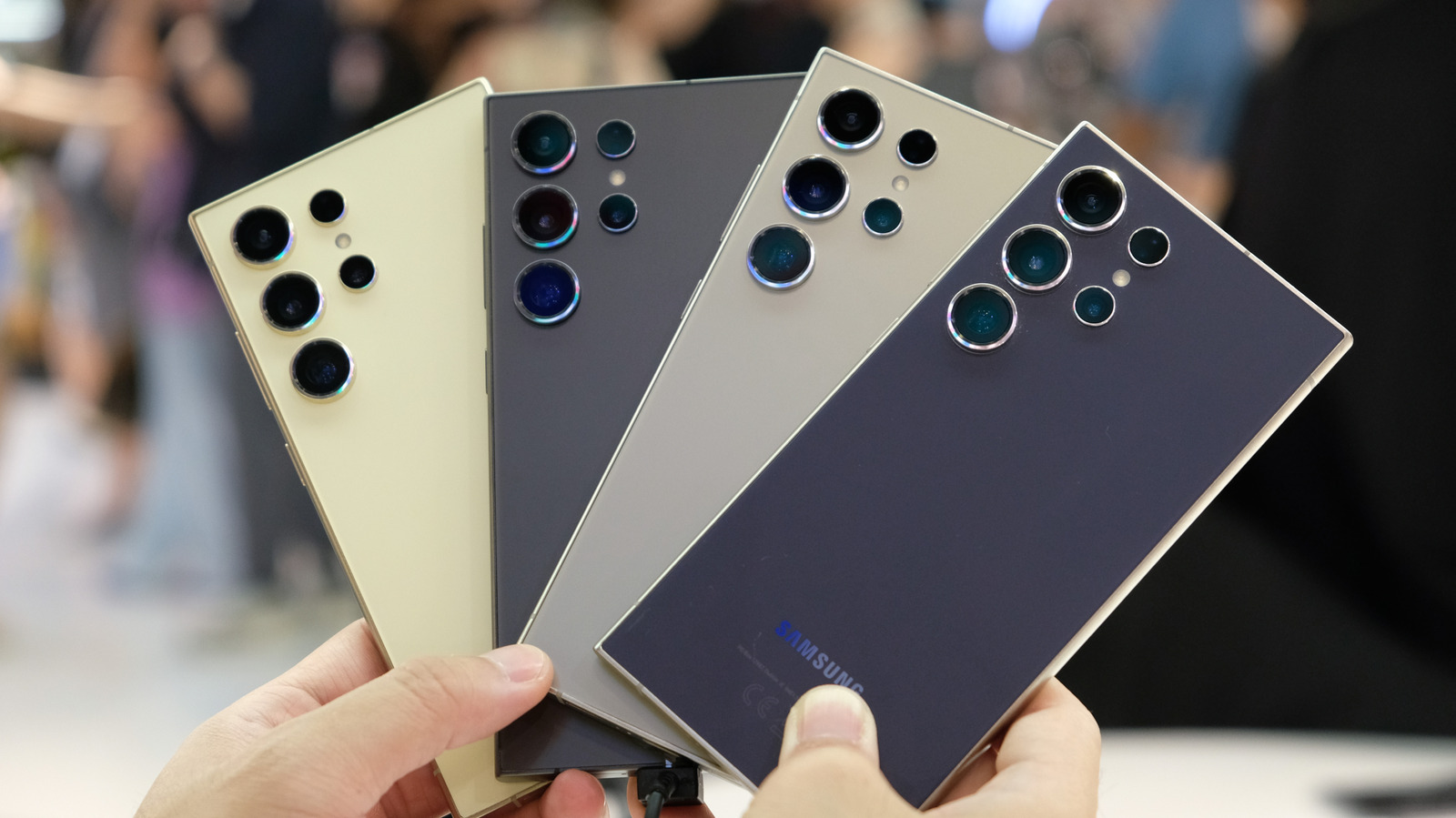
Titanium is notoriously difficult to machine. It is a hard, high-melting-point metal that subjects CNC machinery to extreme wear and tear. When a manufacturer scales production to the millions of units required for a global flagship launch, the overhead costs associated with titanium—slower milling times, higher tool breakage, and more frequent maintenance—add up significantly. Aluminum, by comparison, is ductile and easily extruded or milled, allowing for faster production cycles and lower waste rates.
2. Thermal Management
One of the most overlooked aspects of smartphone hardware is heat dissipation. Aluminum has significantly higher thermal conductivity than titanium. As modern mobile chipsets, such as the Snapdragon 8 Elite Gen 5, continue to push the boundaries of graphical performance and raw processing power, managing heat becomes a critical engineering challenge. By switching to an aluminum frame, Samsung has effectively turned the phone’s chassis into a more efficient heat sink, potentially preventing the thermal throttling that can occur during intense gaming sessions or prolonged video rendering.
3. The "Marketing Follow-the-Leader" Effect
Critics have pointed out that the adoption of titanium by major Android OEMs was, in many ways, a defensive reaction to Apple. When Apple made the move to titanium, it created a perception of prestige that competitors felt compelled to match. Once the market trend shifted—and Apple began exploring new build materials for the iPhone 17 Pro—the pressure on Samsung to justify the high costs of titanium evaporated. The material was, in essence, a marketing tool used to maintain parity in a competitive luxury segment.
Official Responses and Corporate Justification
When pressed for clarity regarding the materials swap, Samsung’s official communication has remained focused on user experience rather than cost-cutting. In a statement to SamMobile, the company noted:
"Armor Aluminum was the ideal material to support a thinner and lighter form factor without compromising the Galaxy S26’s everyday durability."
This statement highlights the company’s focus on the "thin-and-light" trend currently dominating the flagship market. The S26 Ultra measures 7.9mm in thickness—a notable reduction from the 8.2mm of its predecessor. While the weight difference is minimal (dropping from 218g to 214g), the shift to aluminum allows for structural geometries that are harder to achieve with the rigidity of titanium without sacrificing the structural integrity of the frame.
The Implications for the Future of Flagships
What does this mean for the consumer? The shift away from titanium is indicative of a broader trend: the maturing of the smartphone market, where "incrementalism" has become the standard.
The Decline of Spec-Sheet Wars
For years, the flagship war was fought on the basis of materials and specs. However, as the industry reaches a point of diminishing returns, the focus is shifting toward software integration, AI features, and display technology. The Galaxy S26 Ultra’s focus on its new "Privacy Display" technology and the continued use of Corning’s Gorilla Armor 2 glass suggests that Samsung is investing in features that provide a tangible daily benefit to the user, rather than relying on the "prestige" of the chassis material.
Is "Premium" Becoming Redefined?
The industry is currently wrestling with the definition of a premium device. If a phone is thinner, cooler to the touch, and just as durable, does it matter if the frame is aluminum or titanium? Most consumers prioritize the longevity of the screen and the efficiency of the battery over the chemical composition of the side rails. By pivoting to aluminum, Samsung is signaling that it prefers a device that functions better under thermal loads than one that simply carries the cachet of an aerospace-grade alloy.
Durability Remains Uncompromised
It is important to note that the move to aluminum does not equate to a loss of durability. The S26 Ultra maintains its IP68 certification for dust and water resistance and utilizes some of the most advanced glass composites currently available. The "Armor Aluminum" branding is not a return to the soft, dent-prone aluminum of the early 2010s; it is a hardened, high-strength alloy specifically engineered for the rigors of modern mobile use.
Conclusion: The Pragmatism of Modern Design
The decision to stop using titanium on the Galaxy S26 Ultra is a microcosm of the current state of consumer electronics. While marketing departments may have once touted titanium as a "must-have" for a flagship experience, the engineers have returned to the material that offers the best balance of heat dissipation, manufacturing efficiency, and structural reliability.
For the average user, the Galaxy S26 Ultra represents a refinement of the flagship form factor. It is lighter, thinner, and better equipped to handle the thermal demands of the latest generation of mobile processors. While the loss of titanium might disappoint those who view their phone as a piece of high-end jewelry, the shift serves as a reminder that in the world of mass-market electronics, practical engineering will almost always triumph over the temporary allure of exotic materials.
As we look toward the future of the Galaxy S series, it is clear that Samsung is moving away from the "spec-chasing" mentality of the recent past, focusing instead on the holistic performance of the device. The titanium era may have been a brief, glittering chapter, but for Samsung, the future is clearly built on the reliable, efficient foundation of high-grade aluminum.











