Asro
Asro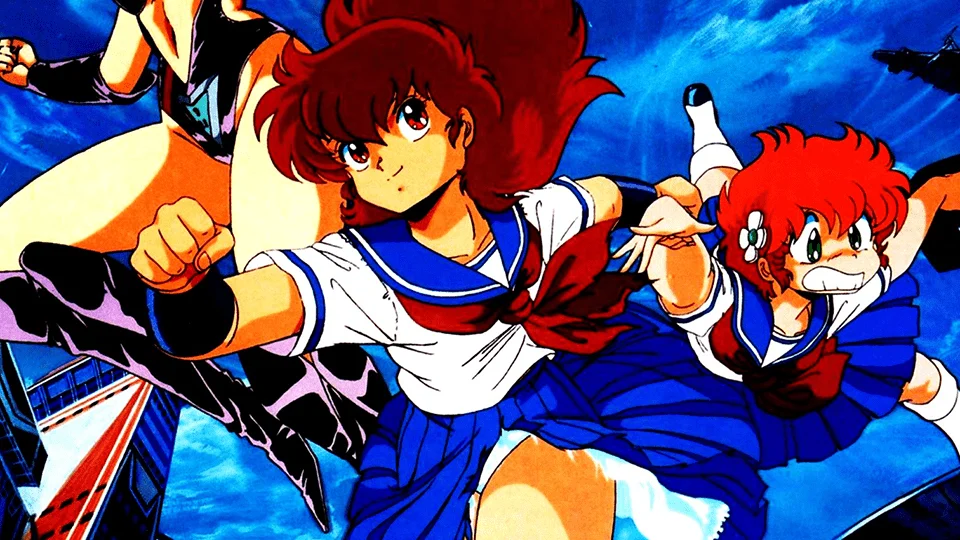
The transition into a new academic year has long served as a cornerstone for narrative storytelling in Japanese animation. While the "school life" (gakuen) genre is often associated with the mundane realities of adolescence, it frequently serves as a crucible for high-stakes drama, supernatural conflict, and profound character development. As the 2025 academic season commences, the discourse surrounding school-centric media has shifted from contemporary mainstream hits toward a retrospective appreciation of the classics that defined the medium.
While modern audiences remain captivated by the ongoing sagas of My Hero Academia and the satirical prowess of MASHLE: MAGIC & MUSCLES, a deeper examination of the genre reveals a rich tapestry of influential works. This report analyzes three pivotal series—Project A-ko, Great Teacher Onizuka, and Little Witch Academia—exploring their historical significance, pedagogical themes, and enduring impact on global pop culture.
Main Facts: A Selection of Academic Excellence
The selection of Project A-ko, Great Teacher Onizuka (GTO), and Little Witch Academia represents a cross-section of the anime industry’s evolution over four decades. Each series utilizes the school environment as a microcosm of society, albeit through wildly different lenses.
Project A-ko (1986)
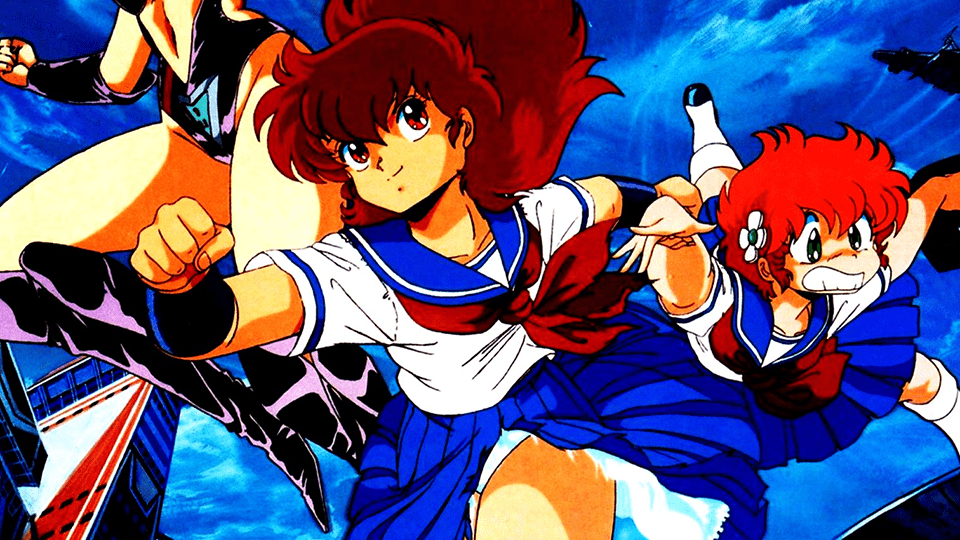
Originally conceived as a more adult-oriented project for the Cream Lemon OVA series, Project A-ko pivoted during production to become a landmark of action-comedy. Directed by Katsuhiko Nishijima, the film follows A-ko Magami, a high school girl with superhuman strength, her scatterbrained friend C-ko, and their wealthy, genius rival B-ko. The narrative is a frenetic blend of high school rivalry and interstellar warfare, serving as a quintessential example of the 1980s "OVA explosion."
GTO: Great Teacher Onizuka (1999)
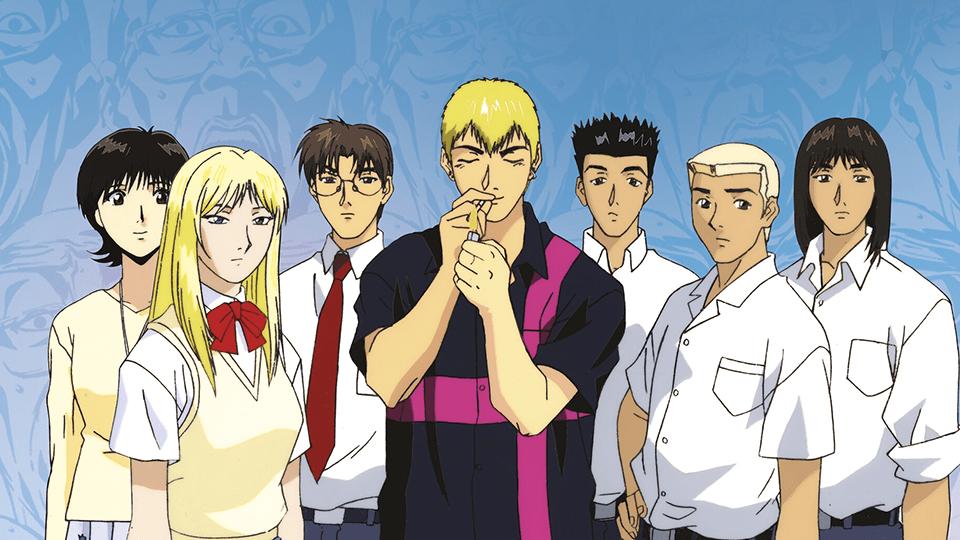
Based on the manga by Toru Fujisawa, GTO follows Eikichi Onizuka, a 22-year-old former biker gang leader who decides to become a teacher. While his initial motivations are less than noble—predicated on the belief that teachers have easier access to romantic interests—Onizuka evolves into a transformative figure. He is assigned to Class 3-4 at Holy Forest Academy, a group of students so cynical and manipulative that they have driven previous teachers to mental breakdowns.
Little Witch Academia (2013–2017)
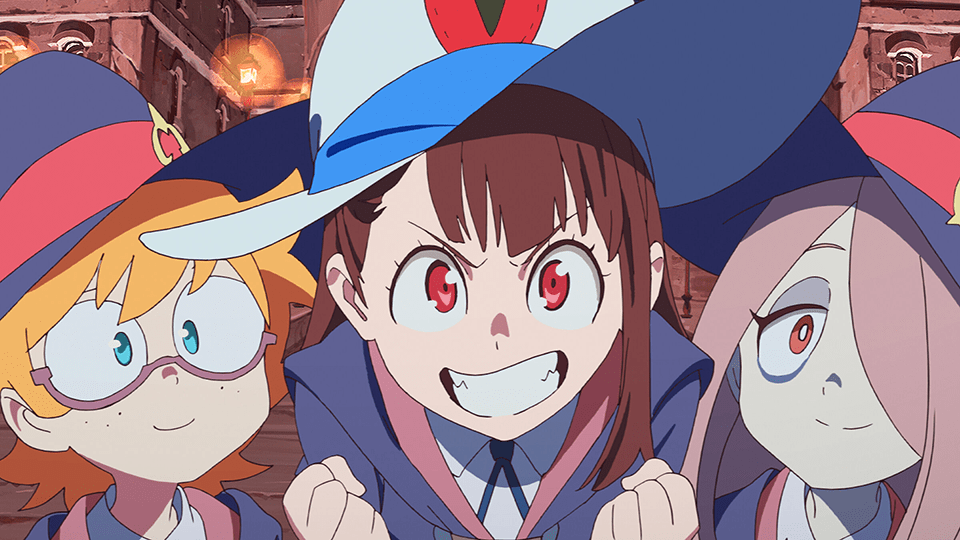
A product of Studio Trigger and director Yoh Yoshinari, Little Witch Academia began as a short film for the "Anime Mirai" project before expanding into a full-length series. It follows Atsuko "Akko" Kagari, a non-magical girl who enrolls in Luna Nova Magical Academy. Unlike her peers from prestigious wizarding lineages, Akko struggles with basic spells but possesses an indomitable spirit inspired by her idol, the stage magician Shiny Chariot.
Chronology: The Evolution of the Academic Narrative
The history of school-themed anime is a reflection of Japan’s shifting social anxieties and artistic trends.
The 1980s: Parody and Power
In the mid-80s, the anime industry was characterized by experimental high-budget OVAs. Project A-ko (1986) arrived at a time when the medium was beginning to satirize itself. It famously parodied contemporary giants like Macross and Gundam. This era viewed the school setting as a playground for absurdity, where the rigid structures of Japanese education could be dismantled by mecha battles and alien invasions.

The 1990s: The Delinquent as Mentor
By the late 90s, the "Lost Decade" of Japan’s economy had set in, leading to a rise in stories about social outcasts. GTO (1999) represents the peak of the "reformed delinquent" trope. This period moved away from the sci-fi spectacle of the 80s toward a gritty, semi-realistic critique of the education system. Onizuka’s unconventional methods were a direct response to the perceived coldness and bureaucracy of Japanese schooling during the late 20th century.
The 2010s: The Return of Wonder
The 2010s saw a resurgence of "high-concept" school settings, spearheaded by studios like Trigger. Little Witch Academia (2013/2017) moved the needle back toward fantasy but with a modern emphasis on self-actualization and the struggle for relevance in a changing world. It addressed the "death of magic" in a technological age, mirroring real-world concerns about the loss of traditional art forms and wonder in the digital era.
Supporting Data: Production and Reception Metrics
The longevity of these series is supported by significant critical and commercial data.
- Project A-ko’s Technical Prowess: At the time of its release, Project A-ko was lauded for its fluid animation and high frame rate, a hallmark of the 1980s bubble economy’s influence on the arts. It spawned three sequels and two spin-offs, maintaining a cult following for nearly 40 years.
- GTO’s Cultural Dominance: The GTO manga has over 50 million copies in circulation. The anime adaptation consistently ranked in the top ten most popular series during its original run on Fuji TV. Its success led to multiple live-action adaptations, including a 1998 drama that achieved a record-breaking 35.7% viewership rating for its finale.
- Little Witch Academia’s Global Reach: The 2015 sequel film, The Enchanted Parade, was partially funded via Kickstarter, raising $627,422 from over 7,000 backers—surpassing its original goal in under five hours. This demonstrated the immense international appetite for "cozy" yet high-quality academic fantasy.
Official Responses and Industry Context
Industry analysts and creators have often commented on the necessity of the school setting as a narrative anchor.
In various retrospective interviews, the staff at Studio Trigger have noted that the school setting in Little Witch Academia was chosen specifically to highlight the universal struggle of "learning a craft." Director Yoh Yoshinari stated that Akko’s difficulty with magic was a metaphor for the struggles young animators face when entering the industry—an "academy" of its own where passion must eventually be matched by technical skill.
Similarly, Toru Fujisawa, the creator of GTO, has frequently discussed the "Onizuka philosophy." Fujisawa intended the character to be a "humanistic" teacher who prioritizes the emotional well-being of students over their test scores. This resonated deeply with a generation of Japanese youth who felt pressured by the "Examination Hell" (juken jigoku) culture.
Streaming platforms have also responded to the enduring demand for these titles. Crunchyroll and Netflix have maintained licenses for GTO and Little Witch Academia respectively, citing consistent "long-tail" viewership. RetroCrush, a platform dedicated to classic titles, recently highlighted Project A-ko as a cornerstone of their library, noting that younger viewers are increasingly interested in the "hand-drawn aesthetic" of the 80s.
Implications: Why the "Back-to-School" Genre Endures
The enduring popularity of these three series suggests that the school setting is far more than a convenient backdrop; it is a vital arena for exploring the human condition.
1. The Pedagogical Shift
These series track a shift in how society views education. Project A-ko treats school as a secondary concern to friendship and survival. GTO posits that the most important lessons are learned outside the textbook, through empathy and lived experience. Little Witch Academia suggests that education is a journey of finding one’s unique "voice" rather than conforming to established standards.
2. The Empowerment of the "Underdog"
A common thread among A-ko, Onizuka, and Akko is their status as disruptors. A-ko disrupts the social hierarchy with her physical power; Onizuka disrupts the faculty with his unorthodox morals; Akko disrupts the magical world with her stubborn optimism. These characters provide a form of wish-fulfillment for students who feel stifled by the rigid expectations of the real-world academic system.
3. Global Versatility
The "Back-to-School" anime genre has successfully bridged the gap between Eastern and Western audiences. While the specific trappings of Japanese schools (uniforms, rooftop lunches, cultural festivals) are distinct, the underlying themes of bullying, academic pressure, and the search for identity are universal. This universality ensures that as every new school year begins, these series remain relevant to a global demographic.
In conclusion, while the industry continues to produce innovative new series, the foundations laid by Project A-ko, GTO, and Little Witch Academia remain unshakable. They serve as a reminder that school is not merely a place of instruction, but a battlefield of ideas, a forge for character, and—occasionally—a place where one might just have to fight off an alien invasion before the final bell rings.


 Reynand Wu
 Sagoh
Sagoh