Neng Nana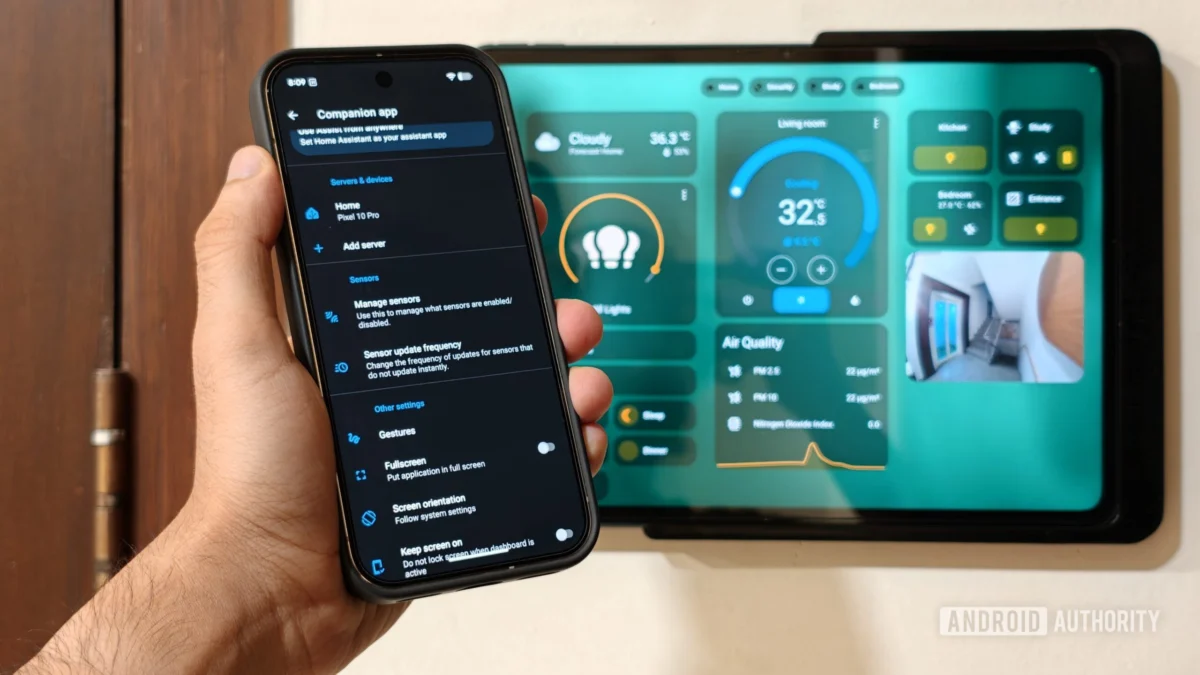
The modern smart home ecosystem has long been plagued by a persistent "fragmentation tax." For years, enthusiasts have navigated a landscape of competing standards, unreliable cloud-based dependencies, and a jarring lack of interoperability between devices. While ecosystems like Google Home and Amazon Alexa provided a low barrier to entry, they frequently delivered a frustrating experience defined by latency, privacy concerns, and the dreaded "device unavailable" error.
However, a shift is occurring. Smart home power users are increasingly pivoting toward locally hosted platforms like Home Assistant to reclaim control. By removing the middleman—the cloud—users are discovering that the most powerful "sensor" in their house might not be a dedicated motion detector or a contact switch, but the smartphone already sitting in their pocket. For many, including those embedded in the Google ecosystem, the Pixel phone has emerged as the definitive command center for a truly automated, private, and responsive home.
The Shift Toward Local Control: A New Paradigm
The transition from cloud-dependent systems to locally controlled ones represents a fundamental change in philosophy. In a cloud-dependent setup, a simple command to turn on a light must travel from your phone, through your router, to the manufacturer’s server, back down to your hub, and finally to the light bulb. This round trip is not only slow but fragile; if your internet connection fluctuates, your house stops being "smart."
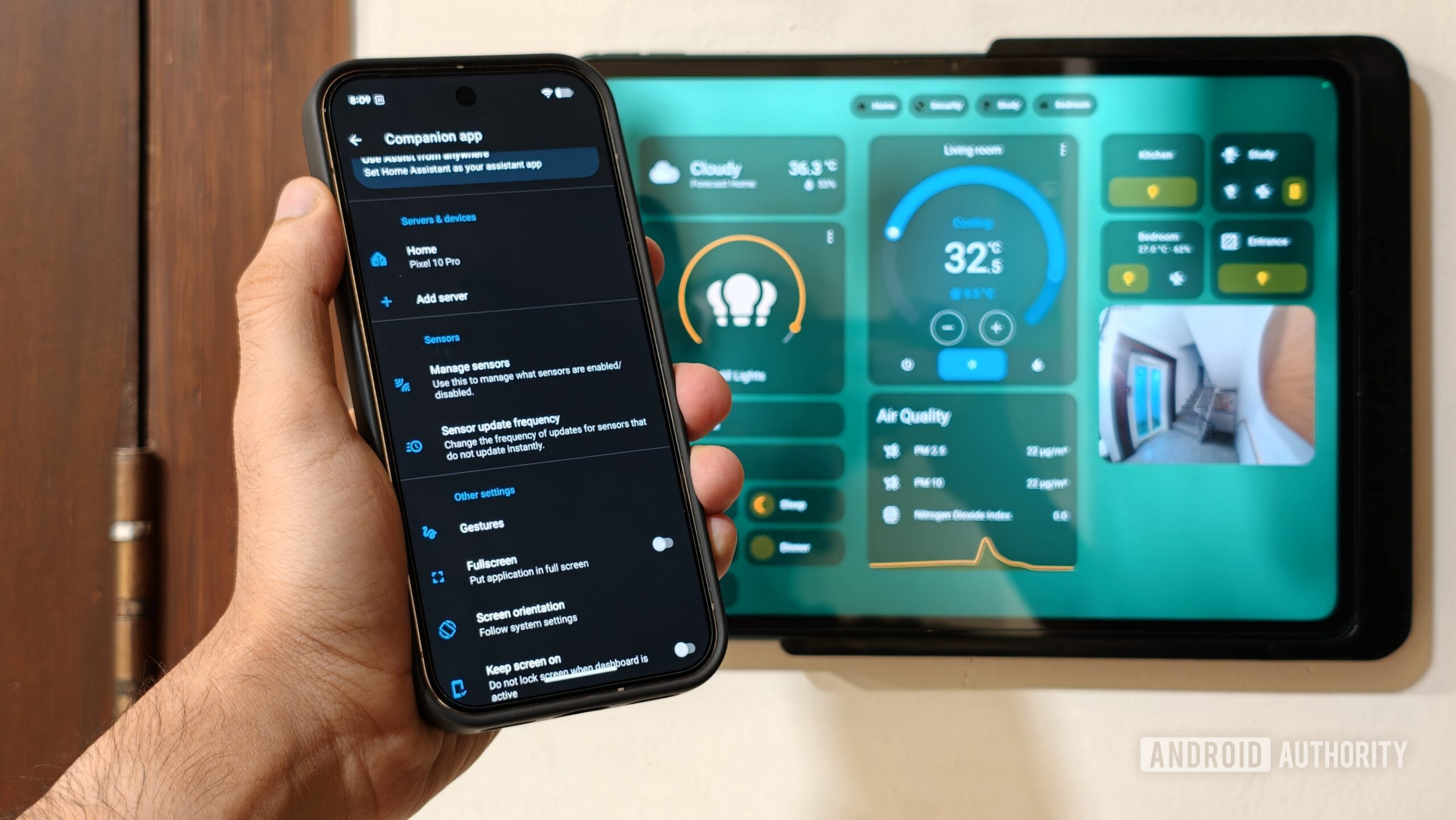
Home Assistant changes this by acting as a local orchestrator. It sits on a dedicated server (like a Raspberry Pi or an NUC) within the home network, communicating directly with devices. When this platform is paired with the deep system-level access of an Android device, specifically the Google Pixel, it creates a feedback loop that transforms a passive smartphone into an active, intelligent participant in the home’s daily operations.
Chronology of a Smarter Home
The journey to a truly autonomous smart home rarely happens overnight. It is a process of iterative improvement that typically follows a distinct evolutionary path:
- Phase 1: The Cloud Dependency (The Learning Curve): The journey usually begins with "plug-and-play" devices. Users purchase smart plugs, bulbs, and hubs from big-box retailers. Initially, the convenience is high, but as the device count increases, the limitations—latency, limited automation logic, and connectivity issues—become apparent.
- Phase 2: The Migration (The Infrastructure): The user identifies the need for a centralized, robust platform. Setting up a Home Assistant instance marks the transition to local control. At this stage, the user begins integrating disparate protocols like Zigbee, Z-Wave, and Matter into a single dashboard.
- Phase 3: The Integration (The Smartphone Synergy): The final, most transformative phase involves leveraging the mobile companion app. This is where the Pixel’s unique integration with Android’s sensor suite allows the phone to become a "data-provider" for the home.
- Phase 4: The Autonomous State: Once the phone’s sensors are mapped to home automation triggers, the system achieves a state of "set it and forget it." The house responds to the user’s presence and physical state without manual intervention.
Supporting Data: Why Local Presence Detection Wins
Traditional presence detection often relies on Wi-Fi pings or GPS geofencing. Wi-Fi pings are notoriously unreliable, often marking a user as "away" simply because their phone entered a low-power sleep state. GPS geofencing, conversely, can be battery-intensive if not optimized.
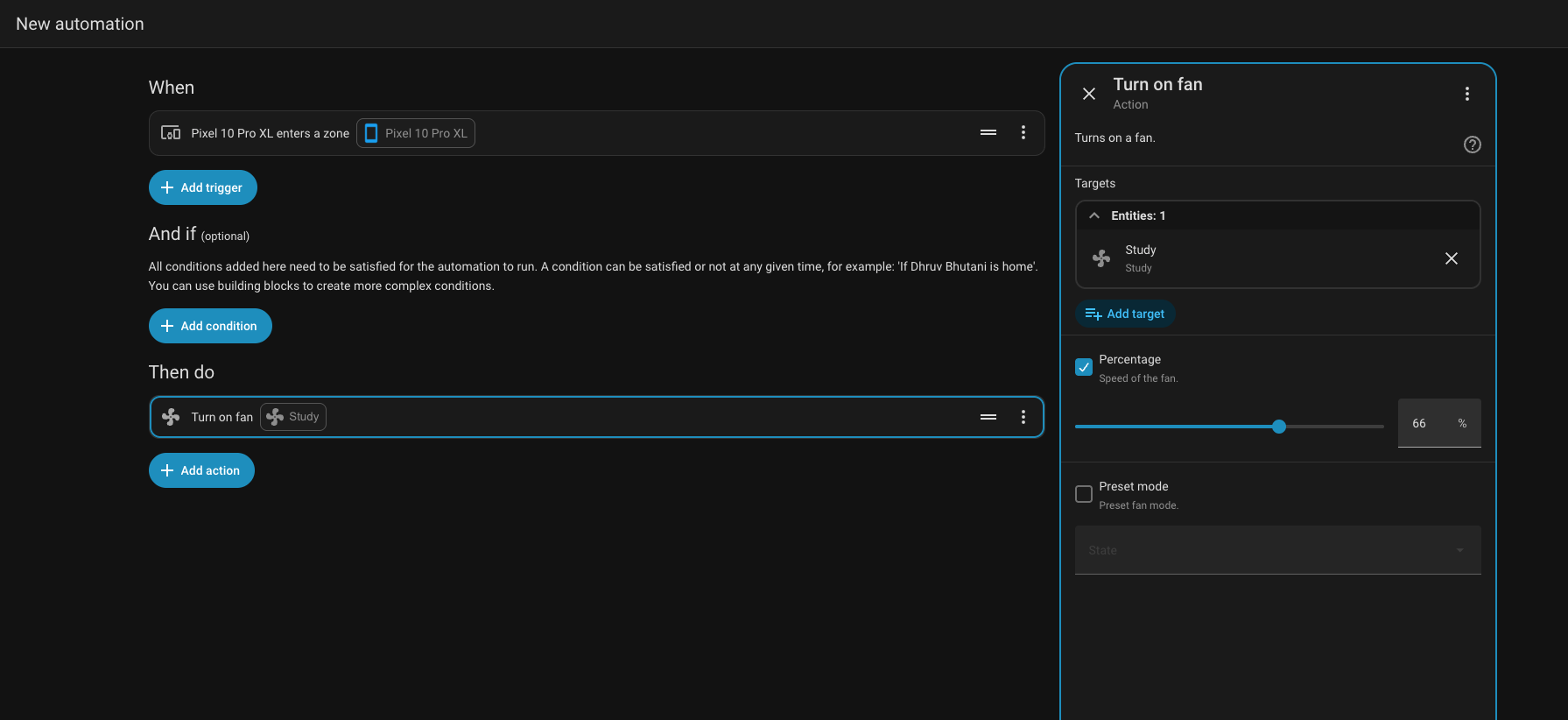
Home Assistant’s companion app on the Pixel utilizes a hybrid approach:
- Geofencing: Utilizes Google Play Services’ location API to establish precise perimeters (e.g., the driveway).
- State Tracking: It cross-references Wi-Fi connection status with the phone’s "Doze" mode, ensuring that the system knows exactly when the user has physically entered the home perimeter.
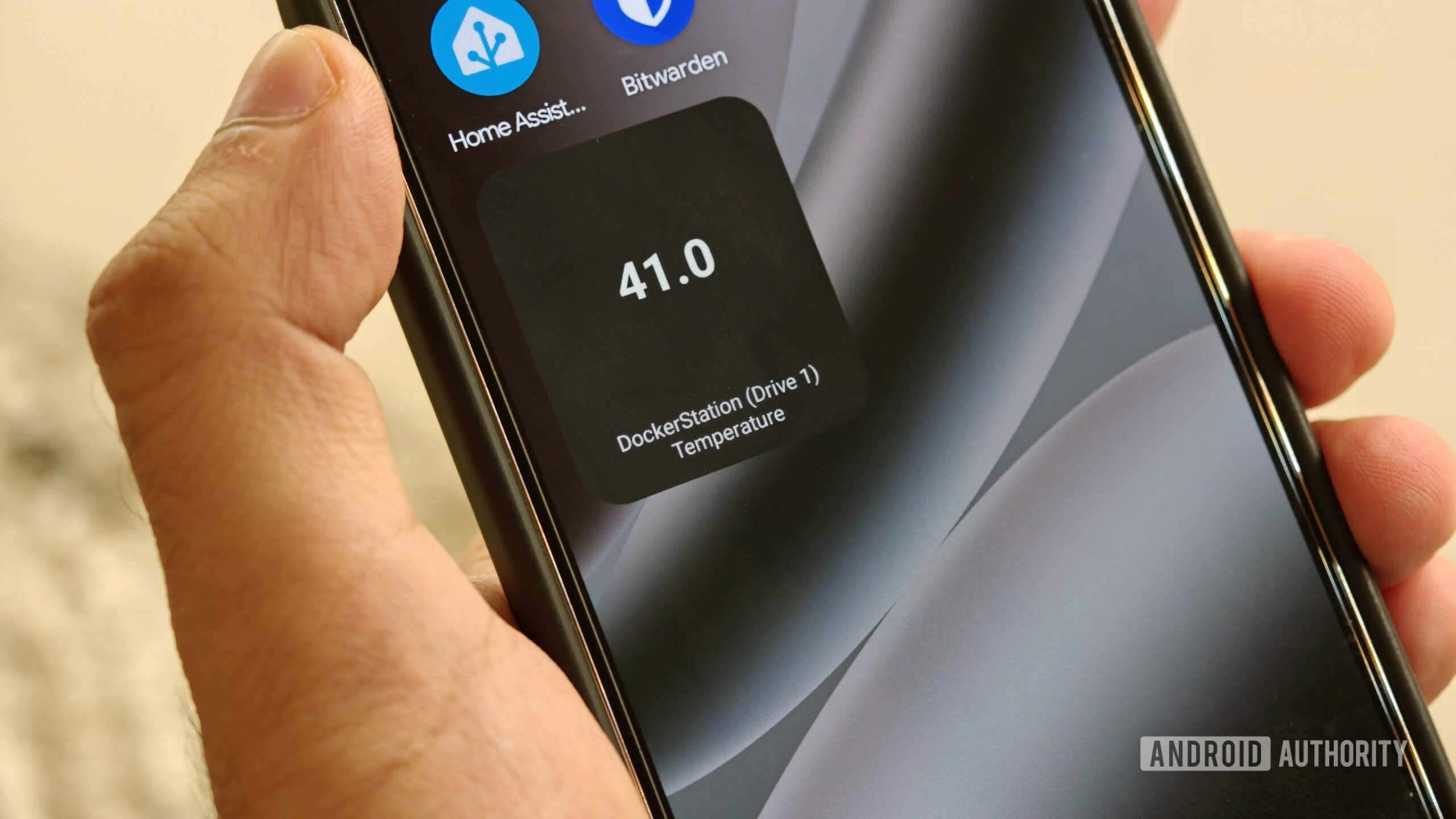
- Sensor Exposure: Unlike standard apps, the Home Assistant integration exposes the phone’s hardware status—battery, charging state, light sensor data, and even current Bluetooth connections—to the local server.
This granular data allows for "Smart Home Logic" that is impossible for generic cloud systems. For example, rather than a system simply guessing you are home, it verifies your presence by checking your specific device’s MAC address on the local network while confirming the GPS location is within 50 meters of the residence.
Official Perspectives and Industry Implications
While Google has made strides in its "Matter" and "Thread" initiatives to improve cross-platform compatibility, the company remains focused on its proprietary ecosystem. However, the open-source community, represented by developers at Nabu Casa (the company behind Home Assistant), advocates for a future where interoperability is a requirement, not a feature.
Industry experts note that as users become more privacy-conscious, the "local-first" movement is gaining traction. The implications are significant:
- Privacy: Data never leaves the home. Personal movement patterns and device usage remain on the local server, mitigating the risk of data harvesting.
- Reliability: By decoupling the home from external servers, the system remains fully functional even during ISP outages.
- Longevity: As cloud services for legacy devices are shut down by manufacturers, Home Assistant allows users to keep "orphaned" smart devices functional by controlling them locally.
The Future of Android-Integrated Home Automations
The integration of Android sensors into home automation is currently in its infancy. With the release of advanced features in the Pixel 10 series, we are seeing deeper integration between operating system state and hardware triggers.
The "Bedtime" Automation Blueprint
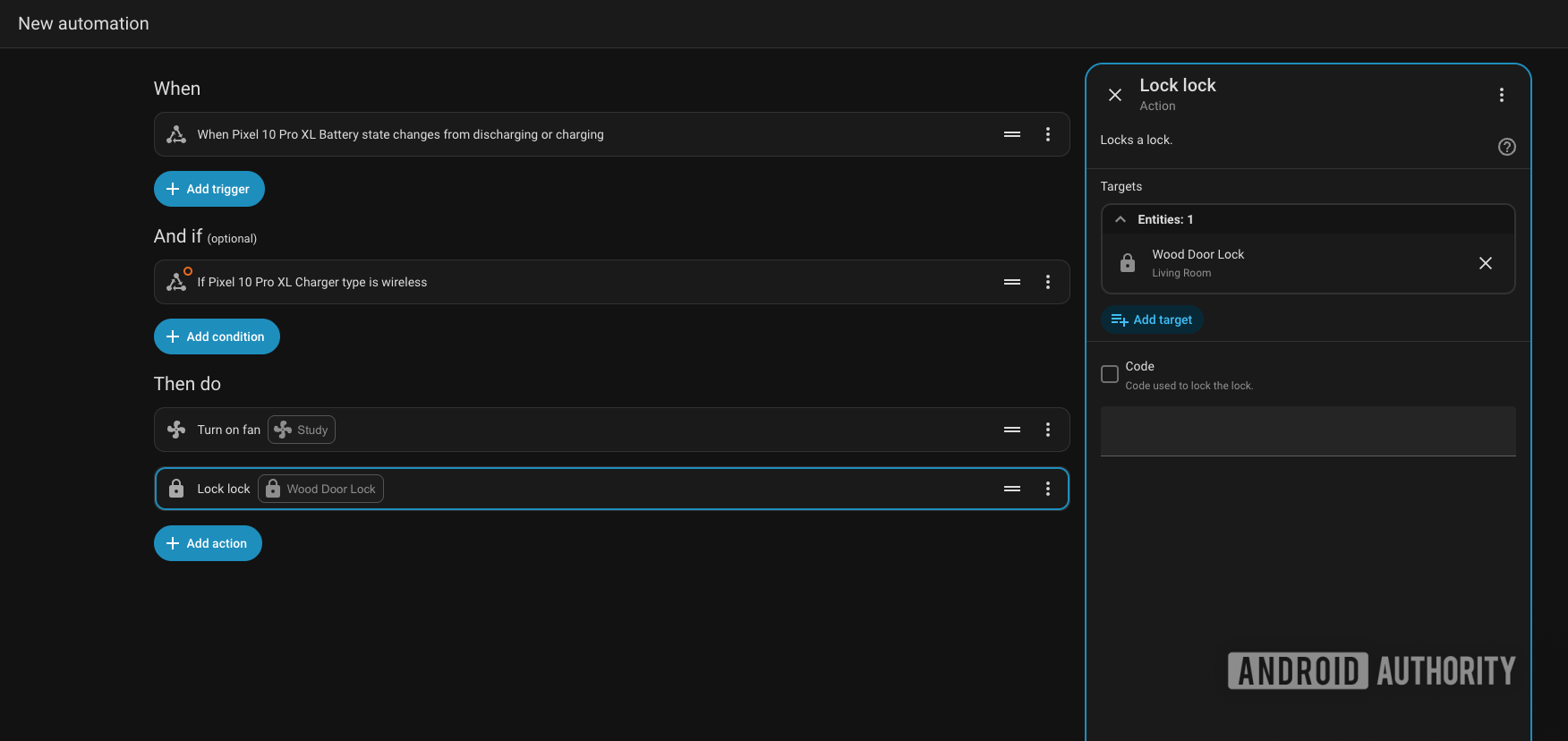
Consider the "bedtime routine" mentioned by power users. By monitoring the wireless charging state of a Pixel 10 Pro XL, the smart home can execute a complex, multi-stage script:
- Trigger: Phone placed on wireless charging stand after 10:00 PM.
- Action 1 (Lighting): Fade out all common area lights over 10 minutes.
- Action 2 (Security): Engage perimeter door locks and verify that the garage door is closed.
- Action 3 (Environment): Adjust the thermostat by two degrees for optimal sleeping temperature.
- Action 4 (Audio): Initiate a white-noise profile on the bedroom speaker.
This isn’t just "turning things off"; it is a context-aware reaction to the user’s behavior. The phone acts as the "intent sensor."
Quick Settings: The New Control Surface
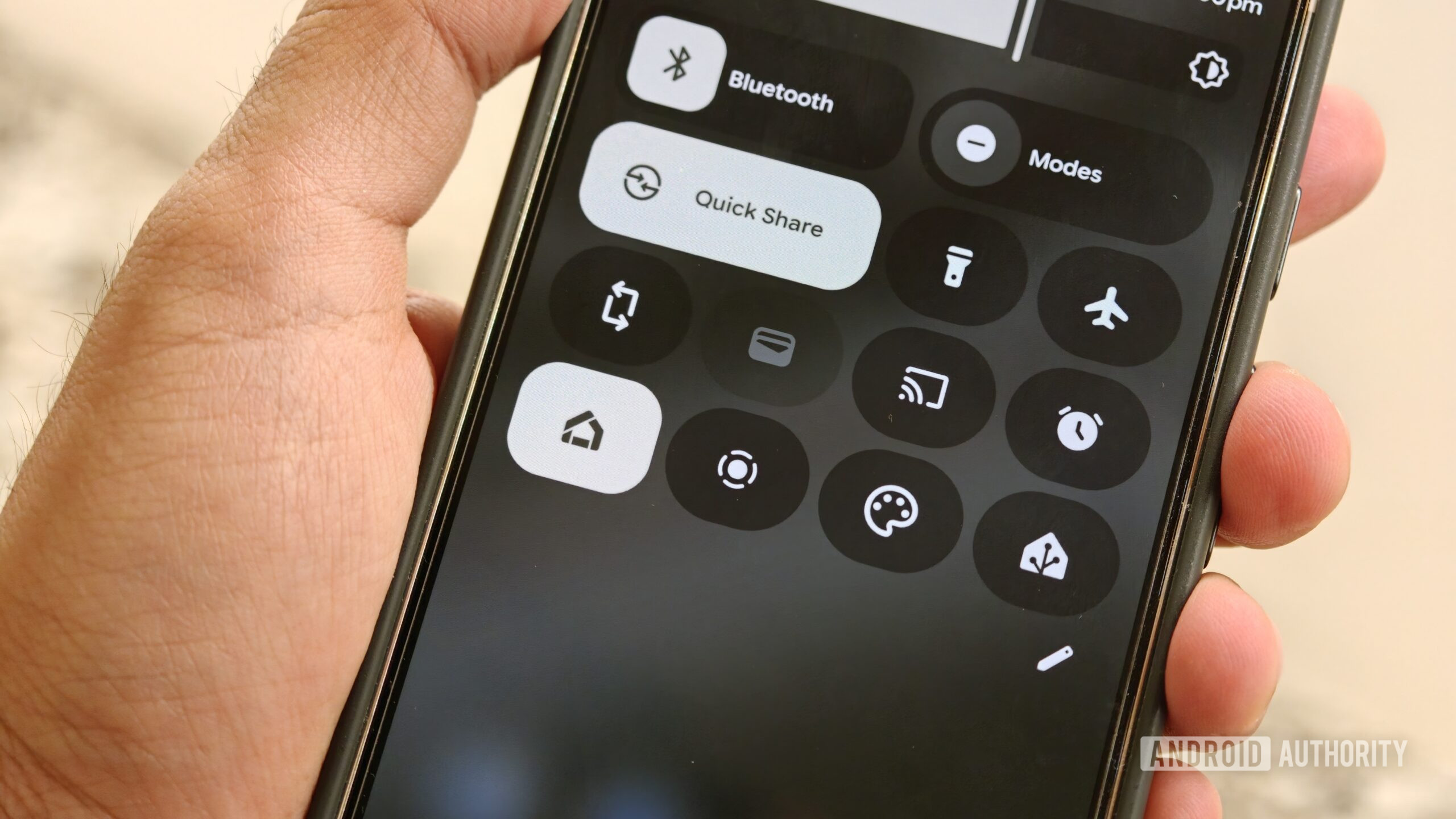
Android’s Quick Settings tiles have evolved from simple toggles for Wi-Fi and Bluetooth into a sophisticated control center. By allowing developers to place Home Assistant controls in the drop-down menu, Android allows users to bypass the need to unlock the device, navigate to an app, and find a specific room. A swipe and a tap are all it takes to trigger a "Movie Mode" scene or reset a thermostat, representing a level of accessibility that traditional home automation apps have struggled to replicate.
Implications for the Consumer Market
The primary implication of this shift is that the barrier for entry to a "professional-grade" smart home is lowering. You no longer need to be a software engineer to host a server or configure automation logic. With the Pixel’s hardware sensors and the intuitive UI of the Home Assistant companion app, any consumer can achieve a bespoke, high-performance home environment.
Furthermore, this trend puts pressure on major tech giants. If users can achieve superior results with local, private, and fast systems, the "walled garden" approach favored by many large corporations becomes less attractive. We are entering an era where the hardware you own should work for you, not for the server infrastructure of the manufacturer.
In conclusion, the marriage of the Google Pixel and a locally hosted smart home platform like Home Assistant is the ultimate realization of what the "smart home" was always promised to be: a proactive, invisible, and reliable assistant that works in perfect harmony with the user. By utilizing the smartphone as the primary sensor, we move away from clunky, fragmented systems toward a unified, intelligent living space. As technology continues to advance, the focus will remain on how these devices can better "talk" to one another, ultimately creating a home that doesn’t just respond to commands, but anticipates needs.

 Sagoh
Sagoh
 Raul Delapena Setiawan