Siti Muinah
By Alfredo Federico Robelo | July 10, 2026
For generations, the horror genre has served as a safe container for our deepest anxieties. We turn to tales of ghosts, vengeful demons, and cosmic entities because they provide a necessary distance from reality. There is a distinct, rhythmic comfort in knowing that when the credits roll, the supernatural threat cannot follow us home. We are, by all accounts, safe in our reality.
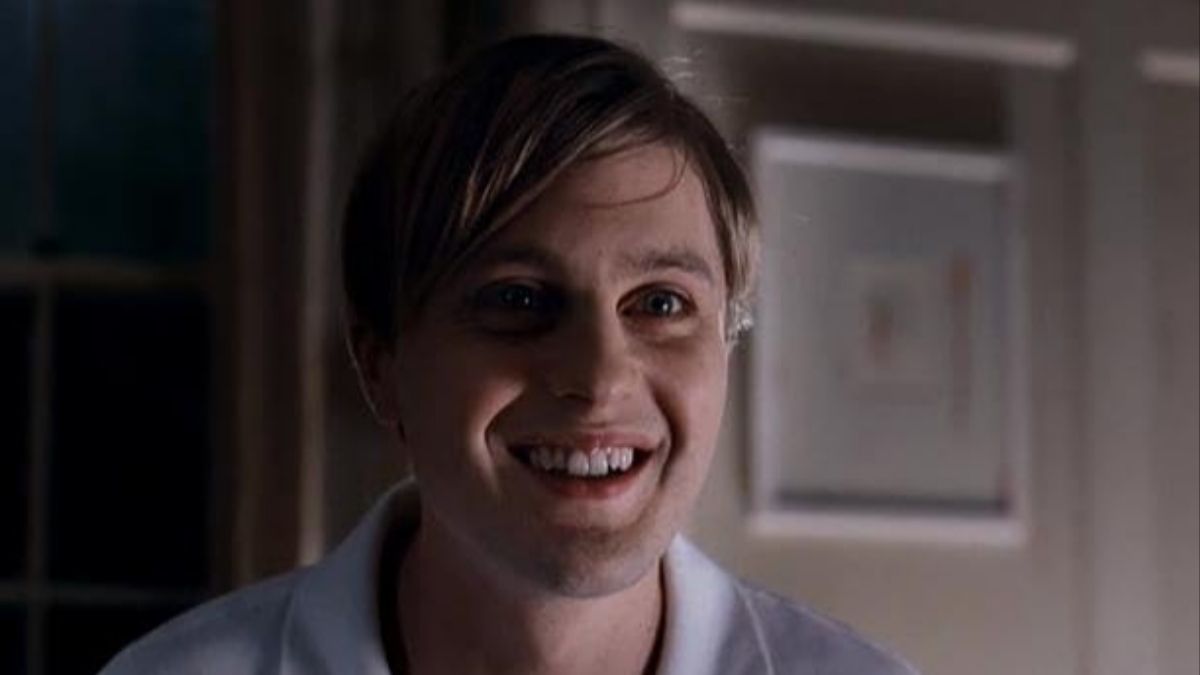
But what happens when the horror on screen is not conjured from the void, but pulled directly from the headlines? The most visceral genre films are those that bypass the paranormal entirely, focusing instead on the fragility of human social contracts and the terrifying potential of the person sitting next to us. When the monster is just a neighbor with an ulterior motive or a stranger with a knife, the veil of safety is permanently lifted.
These are the films that trade jump scares for existential dread, grounding their terror in the plausible, the probable, and the deeply, unsettlingly possible.

The Anatomy of Plausible Horror: A Chronological Perspective
The evolution of "grounded" horror reflects the shifting anxieties of the modern era. While early cinema leaned heavily into the Gothic, the late 20th and early 21st centuries saw a pivot toward human-centric malice.
The Foundation of Suspicion (1980s – 1990s)
In the 1980s and 90s, horror began to mirror the breakdown of suburban safety. Films like The Vanishing (1988) introduced the terrifying concept of the "banality of evil"—the idea that a monster could lead a perfectly normal, quiet life. This era established that the most frightening thing wasn’t a chainsaw-wielding maniac, but the cold, clinical indifference of a predator.
The Digital Age and Surveillance (2000s – Present)
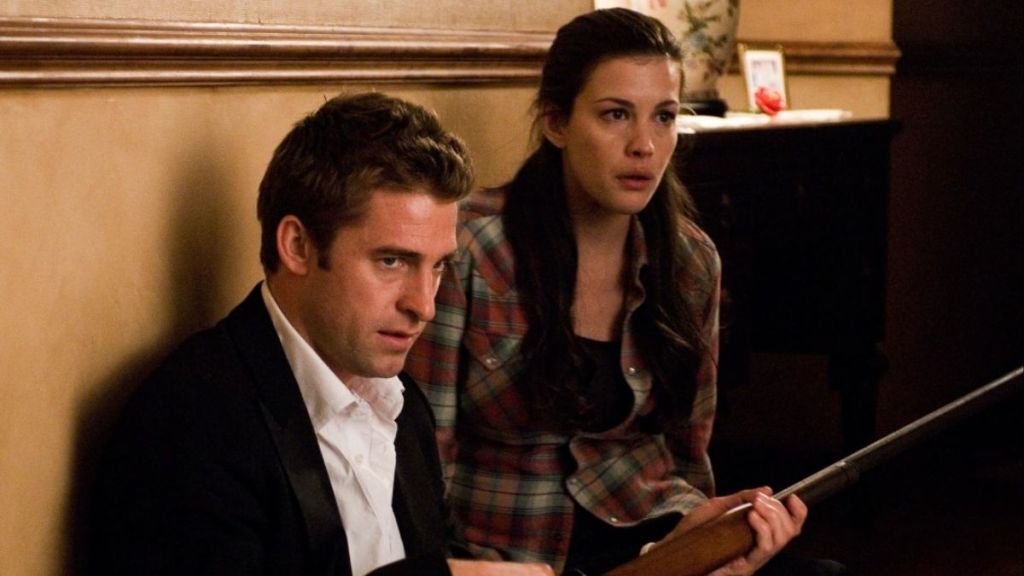
As we moved into the digital age, our anxieties shifted toward privacy, isolation, and the manipulation of trust. Films like The Rental (2020) and Watcher (2022) tap into modern, specific fears: the hidden camera in an Airbnb, the feeling of being followed in a city where you don’t speak the language, and the gaslighting of victims who are dismissed by authority figures.
Supporting Data: Why We Fear the "Real"
Psychological studies have long suggested that "realistic" horror triggers a more sustained physiological response than supernatural horror. According to behavioral researchers, when a viewer identifies a threat as "impossible" (a ghost), the brain’s amygdala settles down quickly once the film ends. However, when the threat is perceived as "potential" (a home invasion), the brain remains in a state of heightened vigilance. This is why films like The Strangers continue to haunt audiences long after the lights go up.
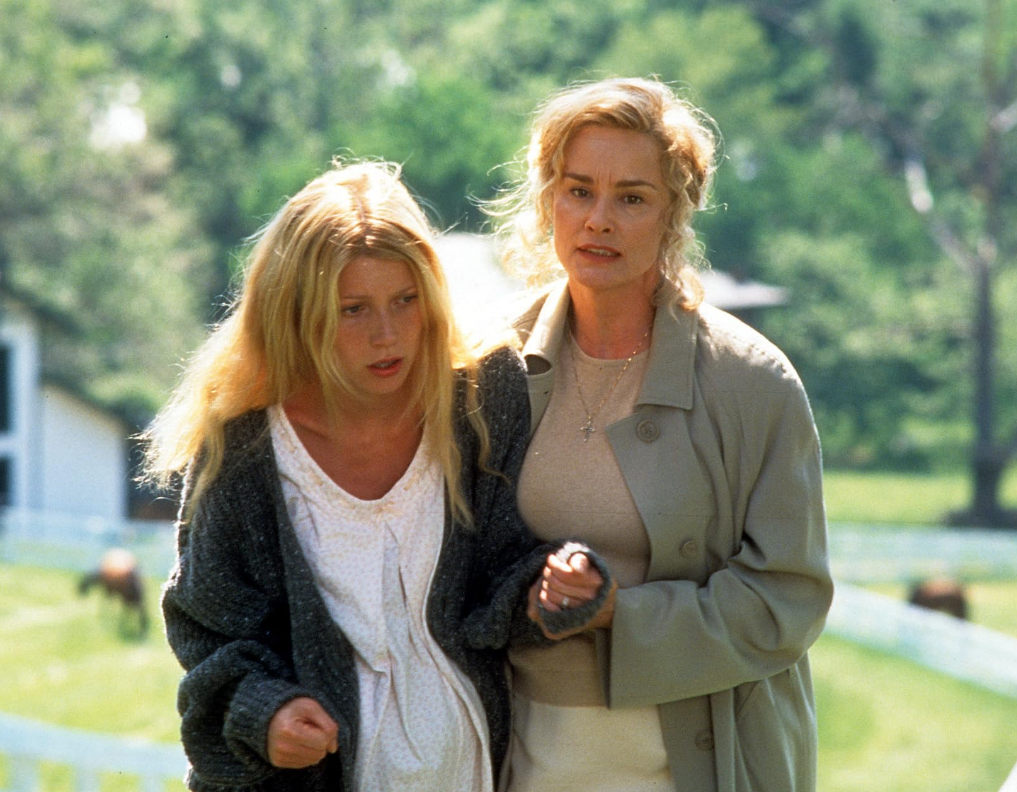
The Masterclass of Grounded Terror: 15 Essential Films
1. The Strangers (2008)
The premise is deceptively simple: a couple’s quiet night in a remote home is shattered by three masked intruders. The film’s brilliance lies in the antagonists’ motivation—or lack thereof. When asked "Why are you doing this?" the killer simply replies, "Because you were home." It is a harrowing reminder of the randomness of violence.
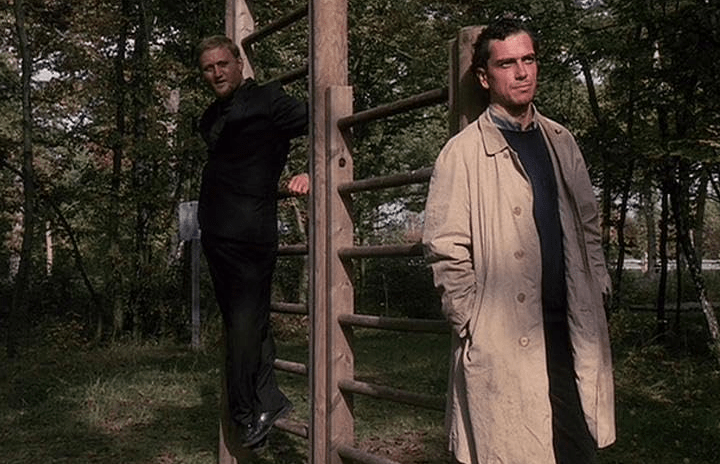
2. Funny Games (1997/2007)
Michael Haneke’s masterpiece is a meta-commentary on the audience’s desire for violence. Two polite, well-dressed young men hold a family captive, turning their vacation into a series of psychological games. The lack of a motive makes the cruelty feel all the more invasive.
3. Hush (2016)
By placing a deaf writer in an isolated house against a masked killer, the film strips away the typical "run and scream" tropes of the genre. The protagonist must rely on her intellect and resourcefulness, highlighting the terrifying vulnerability of the disabled in the face of predatory intent.
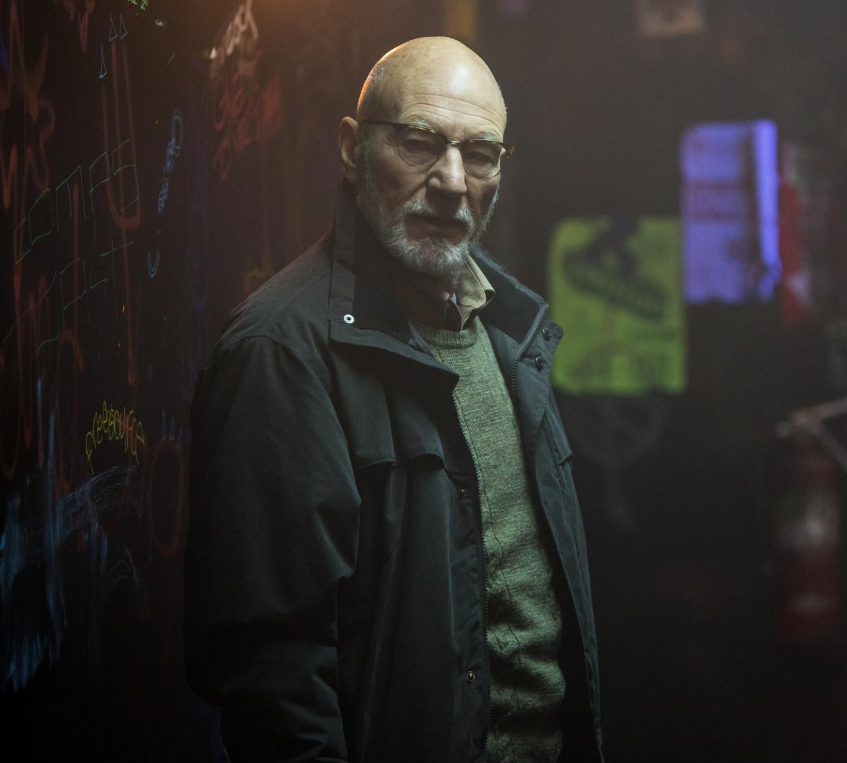
4. Green Room (2015)
A punk band witnesses a murder at a remote venue and finds themselves trapped by a group of white supremacists. The film is a masterclass in tension, where every escalation is grounded in physical reality. There are no supernatural saves—only gritty, survivalist desperation.
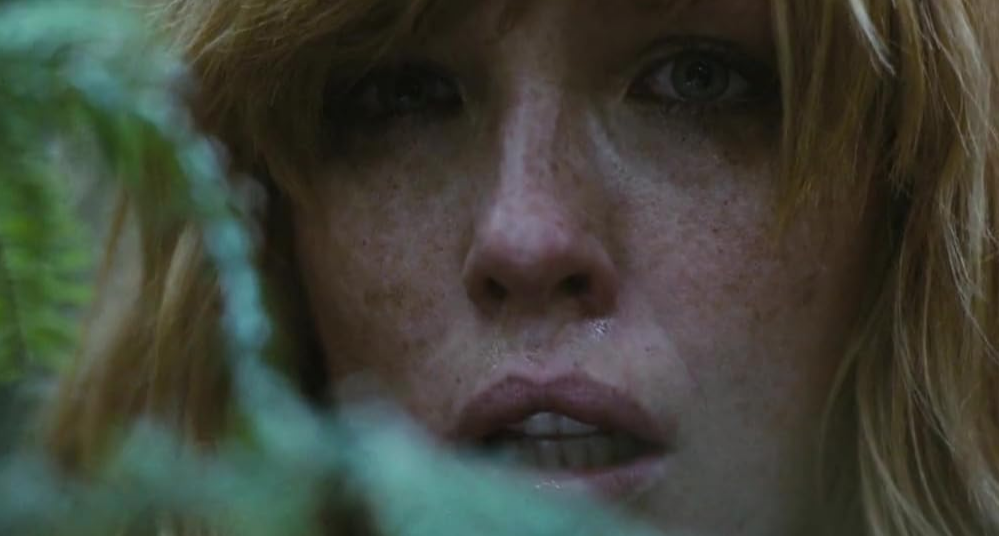
5. Eden Lake (2008)
This film explores the breakdown of societal boundaries between adults and violent youth. The realistic setting of a weekend getaway gone wrong taps into the fear that, in the wrong place at the wrong time, even the most civilized people can become victims of mindless brutality.
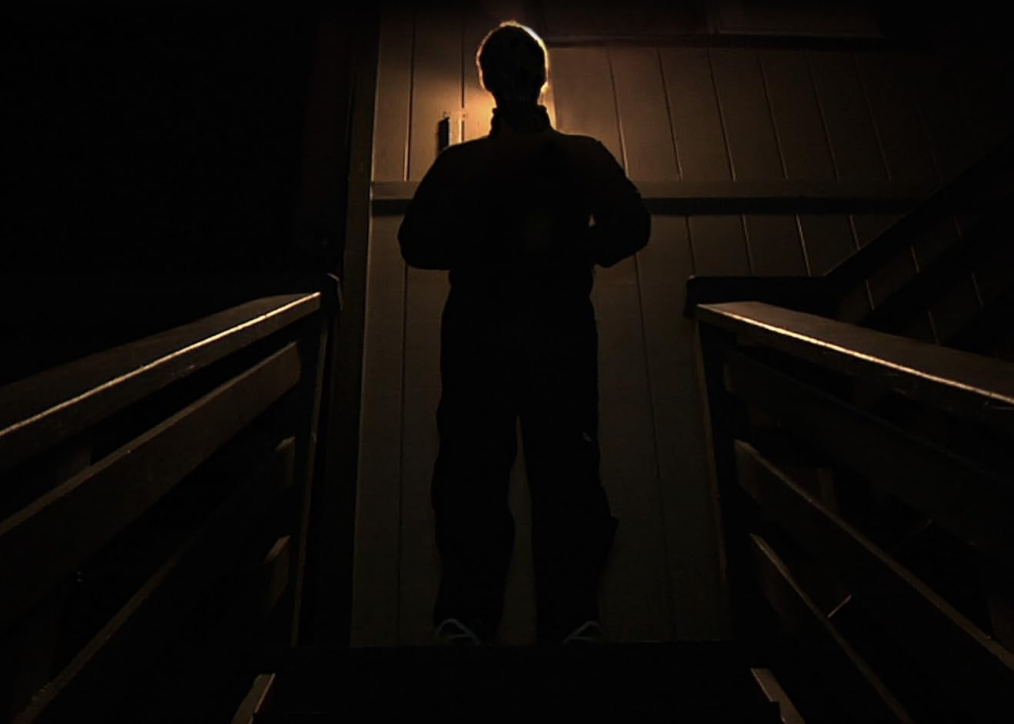
6. Creep (2014)
A videographer answers an online ad for a job in a remote cabin. The film captures the "politeness trap"—the social pressure we feel to remain kind even when our instincts scream that something is wrong. It is a terrifying study of how we ignore red flags to avoid being rude.
7. The Invitation (2015)
This film navigates the suffocating dread of a dinner party where the host’s intentions are unclear. It explores cult psychology and emotional manipulation, showing how easily trust can be weaponized in a social setting.
8. The Gift (2015)
A chance reunion with a high school acquaintance spirals into a nightmare of paranoia. It is a chilling look at how unresolved personal history and long-held grudges can fester and eventually destroy a stable life.
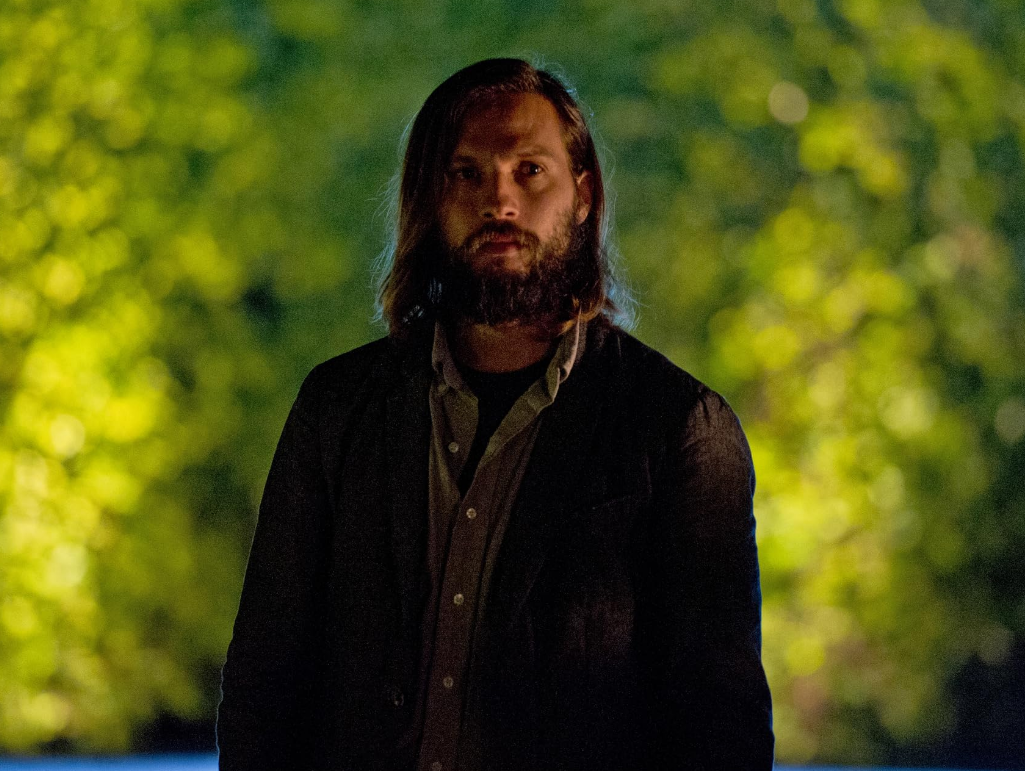
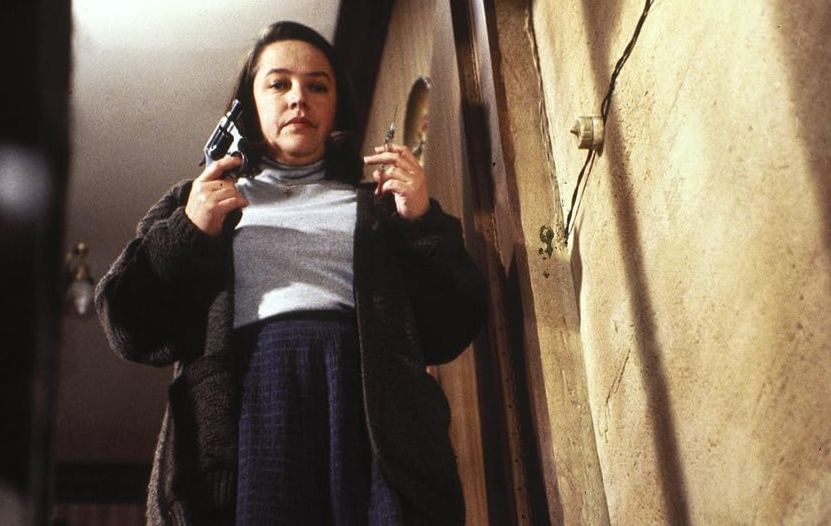
9. Misery (1990)
Stephen King’s classic remains the gold standard for "obsessive fan" horror. The terror stems from the power imbalance between a bedridden writer and his "number one fan," a scenario that feels increasingly relevant in our age of parasocial celebrity relationships.
10. The Vanishing (1988)
A woman disappears at a service station, and her partner spends years searching for her. The film’s final act is widely considered one of the most haunting sequences in cinema, proving that the truth is often much worse than the uncertainty.
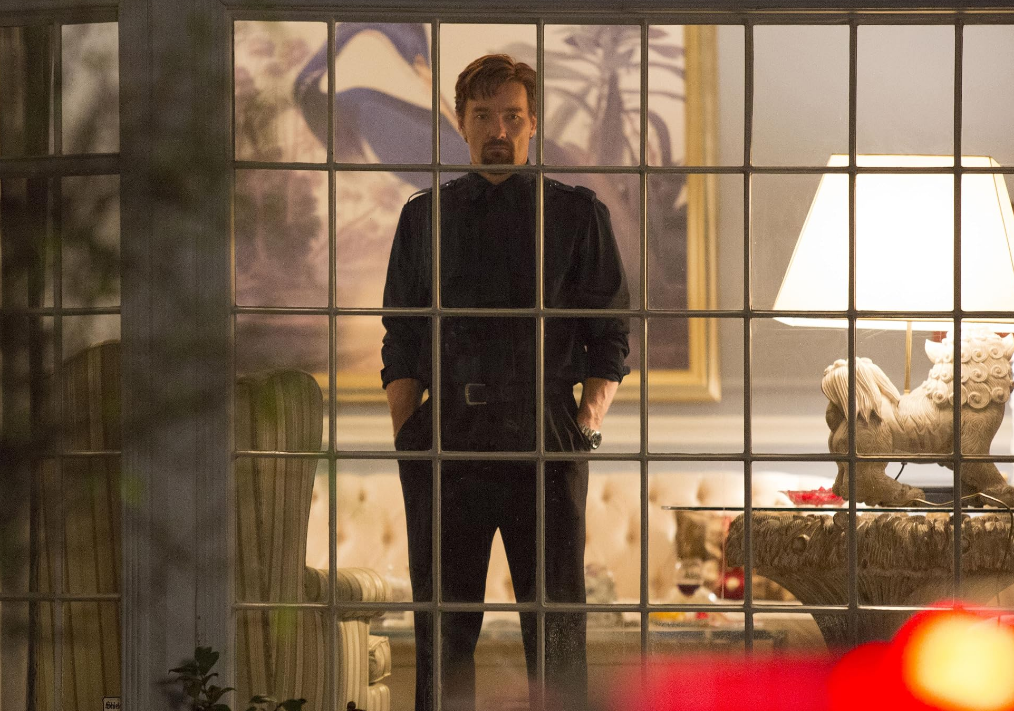
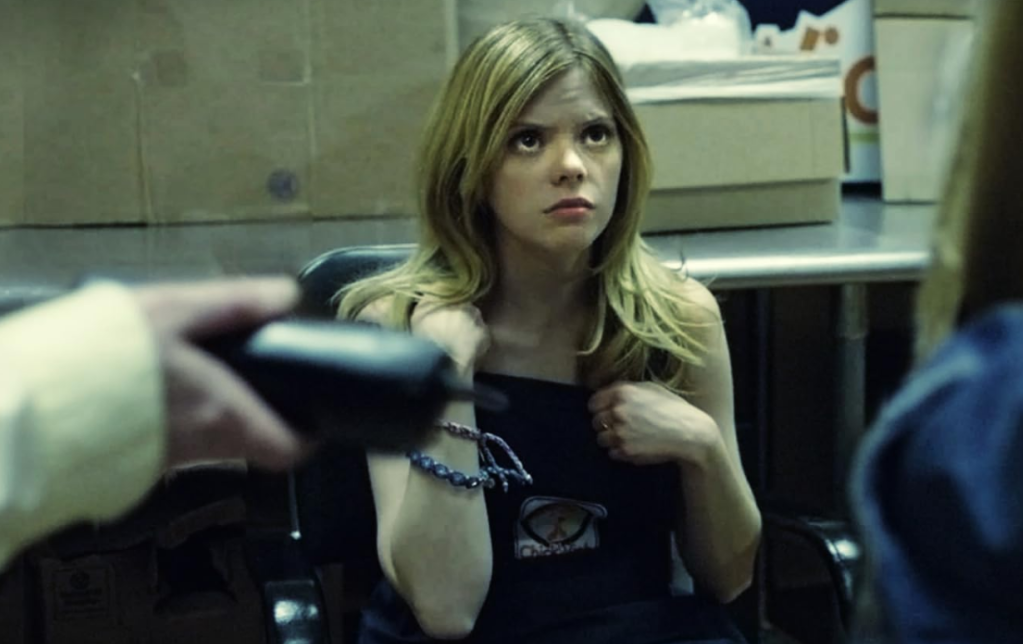
11. Compliance (2012)
Based on a true story, this film depicts a fast-food manager who is manipulated over the phone by a caller posing as a police officer. It is a disturbing look at the human tendency to obey authority, even when that authority demands the unthinkable.
12. Speak No Evil (2022)
This film serves as a cautionary tale about the dangers of extreme social politeness. A family’s inability to say "no" to their hosts leads to a descent into absolute nightmare. It is a bleak, necessary exploration of our fear of confrontation.
13. Watcher (2022)
Living in a foreign country, a woman becomes convinced she is being stalked. The film perfectly captures the isolation of the outsider and the frustration of being a woman whose valid concerns are repeatedly dismissed by those around her.
14. Vacancy (2007)
A stranded couple finds themselves in a motel where they are the stars of a snuff film. The film exploits the universal fear of the "transient space"—motels, hotels, and rentals—where we are effectively at the mercy of the establishment.
15. The Rental (2020)
As the rise of the "sharing economy" continues, this film captures the specific anxiety of trusting a stranger with your privacy. It asks: who was in this room before you, and what did they leave behind?
Implications: The Reality We Carry
The prevalence of these "plausible" horror films suggests a society experiencing a collective crisis of trust. When we watch these movies, we aren’t just being entertained; we are engaging in a form of psychological rehearsal. We are asking ourselves: What would I do? Would I be polite? Would I fight back? Would I notice the warning signs?
The implications of this sub-genre are clear: as our world becomes more connected, we are increasingly aware of how easily those connections can be exploited. These films do not provide the cathartic release of a demon being banished. Instead, they leave us with a lingering, watchful eye on our surroundings. They remind us that the most dangerous entities are not lurking in the shadows of the supernatural—they are standing in line at the grocery store, checking into the hotel next door, or sending a friendly email to a stranger.
In the end, these films serve as a grim, necessary mirror. They warn us that in a world devoid of magic, the only thing protecting us from the darkness is our own vigilance. The "scare" hits close to home because, for many, home is no longer the sanctuary it once was.

 Pevita Pearce
 Dwi Wanna