Iffa Jayyana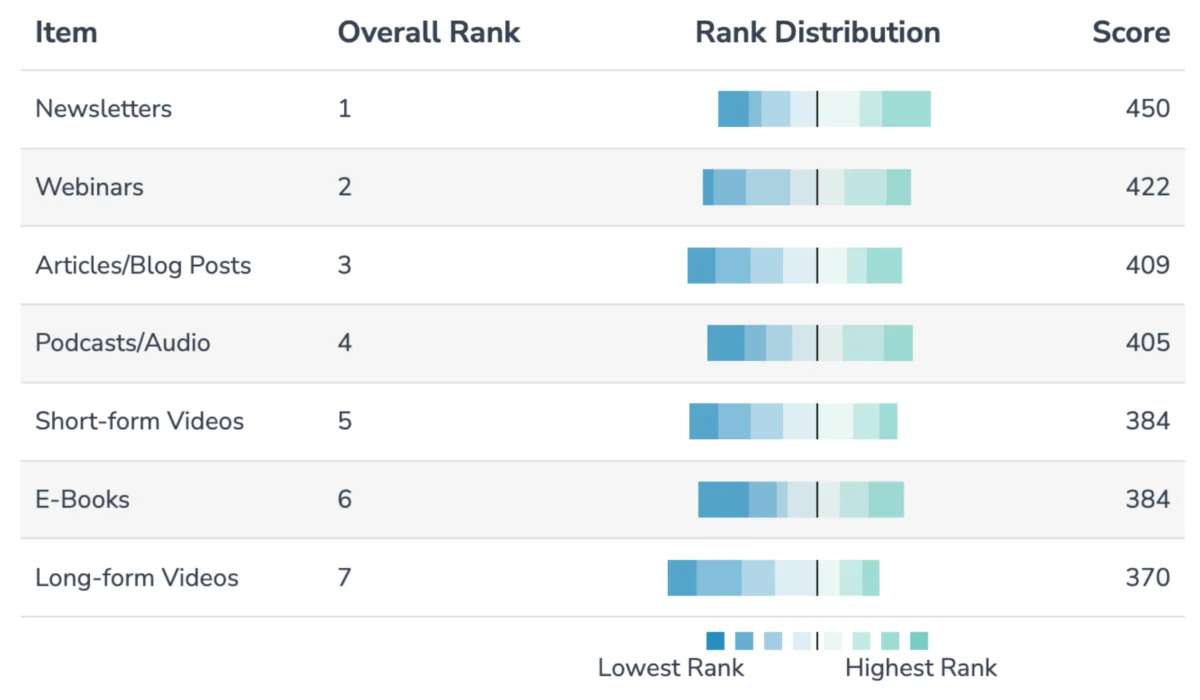
In the modern digital ecosystem, marketing leaders are suffering from a paradox: they are drowning in data yet starving for insight. Every day, the typical executive’s inbox and social media feeds are inundated with an unrelenting deluge of white papers, podcasts, LinkedIn think pieces, and industry reports. While the volume of content has reached an all-time high, the utility of that content is rapidly diminishing.
For many professionals, the result is not greater knowledge, but "analysis paralysis." The challenge for today’s marketing leaders is no longer finding more content—it is finding better filters. This reality has prompted a fundamental shift in how brands communicate, leading to the resurgence of the newsletter as a primary vehicle for strategic engagement.
The Shift Toward Curated Intelligence
The desire for "smart summaries" is at an all-time high. Audiences are no longer looking for raw data; they are looking for synthesis. They crave a trusted voice to interpret what is happening in the industry and, more importantly, why it matters.
This trend is perfectly encapsulated by the evolution of Convince & Convert (C&C), a firm that has long produced a vast array of high-quality content ranging from blogs and podcasts to original research. For years, their newsletter, ON, served as a central hub for their audience. However, as the digital landscape matured, the team realized that simply pushing out links was no longer enough. To remain relevant, they had to move from being a content publisher to becoming a content curator.
Research-Driven Strategy: The Preference for Email
The decision to pivot was not based on gut instinct, but on rigorous audience research. In their most recent annual survey, Convince & Convert asked marketing leaders to rank their preferred formats for consuming industry trends and insights. The results were categorical: newsletters were the preferred medium, outranking short-form video, webinars, blogs, and podcasts.
In fact, newsletters were nearly twice as likely to be ranked as the primary source of information compared to any other channel. This data suggests that when professionals are tasked with making high-stakes decisions in a volatile industry, they prioritize a medium that offers concentrated, thoughtful, and portable value. Unlike a video or a podcast, which requires a significant time commitment and specific environmental conditions, a well-crafted newsletter acts as a "debrief"—a resource that can be scanned for immediate strategic impact.

The Evolution: From "ON" to "The Trendline"
Recognizing that the old model of simply listing links had lost its efficacy, the team at Convince & Convert initiated a complete overhaul of their email strategy. The goal was to transform their newsletter into a more focused, high-value asset, resulting in the launch of The Trendline.
The Problem with Traditional Newsletters
For years, the standard playbook for brand newsletters was the "link list." While this format was functional in the early days of content marketing, it has become increasingly ineffective. The quality bar for content has risen significantly; if a reader is forced to click through multiple links to find value, they are likely to disengage.
The team identified three primary risks with their former approach:
- The Click-Through Barrier: Forcing readers to click links to find the "meat" of the story creates friction that many busy professionals simply won’t tolerate.
- Lack of Strategic Context: Providing information without explaining the "so what" renders the content commoditized.
- Information Saturation: By sending too much, the brand was contributing to the very problem their audience was trying to solve: inbox fatigue.
The New Architecture of Engagement
The Trendline was designed to solve these issues by providing value upfront. The new format is built around a "debrief" model. Instead of asking readers to hunt for insights, the editorial team processes the news through a strategic lens, posing the critical questions that a CMO or marketing director should be asking.
The format features several key structural shifts:
- The Strategic Lens: Every news item is now accompanied by analysis on why it matters to the industry and what questions it raises.
- Reduced Friction: The core content is delivered directly within the email. Readers can choose to click through for deeper reading, but they are not required to do so to extract value.
- Hierarchy of Importance: The curation process is more rigorous, ensuring that only the most critical information reaches the top of the reader’s queue.
Implications for the Broader Marketing Landscape
The shift at Convince & Convert mirrors a broader trend in B2B marketing: the move toward "owned media" as a tool for authority-building. As social media algorithms become more opaque and reach becomes increasingly volatile, the email list remains one of the few channels where a brand has direct, reliable access to its audience.

The Power of "Sound Off"
A notable innovation in The Trendline is the inclusion of "Sound Off," an interactive poll at the end of every edition. This serves two purposes: it creates a feedback loop that allows the team to gauge audience sentiment, and it provides a cleaner, more actionable engagement metric than traditional, often-muddied click-through rates. By shifting from passive consumption to active participation, the brand is fostering a community rather than just a subscriber list.
Lessons for Marketing Leaders
For brands looking to replicate this success, the lesson is clear: your email marketing strategy must prioritize the reader’s time over the brand’s desire for traffic.
- Know Your Audience’s Pain Points: If you are targeting senior decision-makers, they do not have time for long-form fluff or dense charts. They need actionable, high-level intelligence that can be absorbed in minutes.
- Deliver Value Upfront: Your goal should be to provide a "return on investment" for the time it takes to read the email. If the reader learns one thing that helps them make a better decision, you have succeeded.
- Embrace Curatorial Authority: In an era of AI-generated content and information overload, the most valuable commodity is a trusted human editor who can filter out the noise.
- Prioritize Intentional Formatting: Every section of your newsletter should have a clear, consistent purpose. This allows the reader to scan with intent, knowing exactly where to look for the insights that matter most to them.
Conclusion: The Future of Trust
The transition from ON to The Trendline is not merely a rebranding exercise; it is a fundamental shift in philosophy. By moving away from volume and toward high-utility curation, Convince & Convert is demonstrating that the future of content marketing lies in building trust.
In a world where attention is the scarcest resource, the brands that win will be the ones that respect their audience’s time. By acting as a filter rather than a firehose, marketers can transform their email communications from a daily chore into an essential, indispensable resource for their customers. The path forward for marketing leaders is simple: stop trying to reach more people and start trying to be more useful to the people you already have.

 Siti Muinah
 Nana Wu