By Jay Allen
July 4, 2026
The Japanese entertainment industry is currently reeling from a fresh scandal involving Fuji TV, the nation’s prominent broadcasting network. The incident, centered on the production of the new drama series Fūfu Bessei Keiji (“Separate Surname Detectives”), has ignited a fierce public debate regarding workplace conduct, the power dynamics of the Japanese entertainment hierarchy, and the recurring inability of Fuji TV to safeguard the wellbeing of its talent.
For observers of Japan’s media landscape, this latest controversy does not exist in a vacuum. It is viewed by many as the latest chapter in a long, troubling history of institutional negligence that has repeatedly placed high-profile stars in the crosshairs of public vitriol.
A History of Institutional Failure
To understand the gravity of the current situation, one must look at the dark precedents that have defined Fuji TV’s recent reputation. The network has faced sustained criticism for its handling of sensitive internal matters, often appearing to prioritize ratings and image over the human cost of its production choices.
The most harrowing example remains the tragedy of Kimura Hana. A breakout star of the reality television series Terrace House, Kimura took her own life following a relentless barrage of online harassment. Critics argued—and subsequent investigations largely supported—that Fuji TV’s editorial decisions, specifically the decision to air an episode known to incite negative public reaction against the wrestler, played a significant role in her downward spiral.
This was followed by the scandal involving former SMAP member Nakai Masahiro. Reports emerged detailing a settled sexual assault claim brought by a former Fuji TV announcer. The subsequent discovery that the network had commissioned a third-party investigation into its own potential role in obscuring the incident underscored a growing perception that Fuji TV’s internal culture prioritizes the protection of established celebrity brands over transparency or victim advocacy.
Now, with the allegations surrounding the filming of Fūfu Bessei Keiji, the network faces a familiar accusation: that it has once again dropped the ball, leaving its stars to fend for themselves in a toxic public environment.
The Fūfu Bessei Keiji Controversy: A Chronology of Events
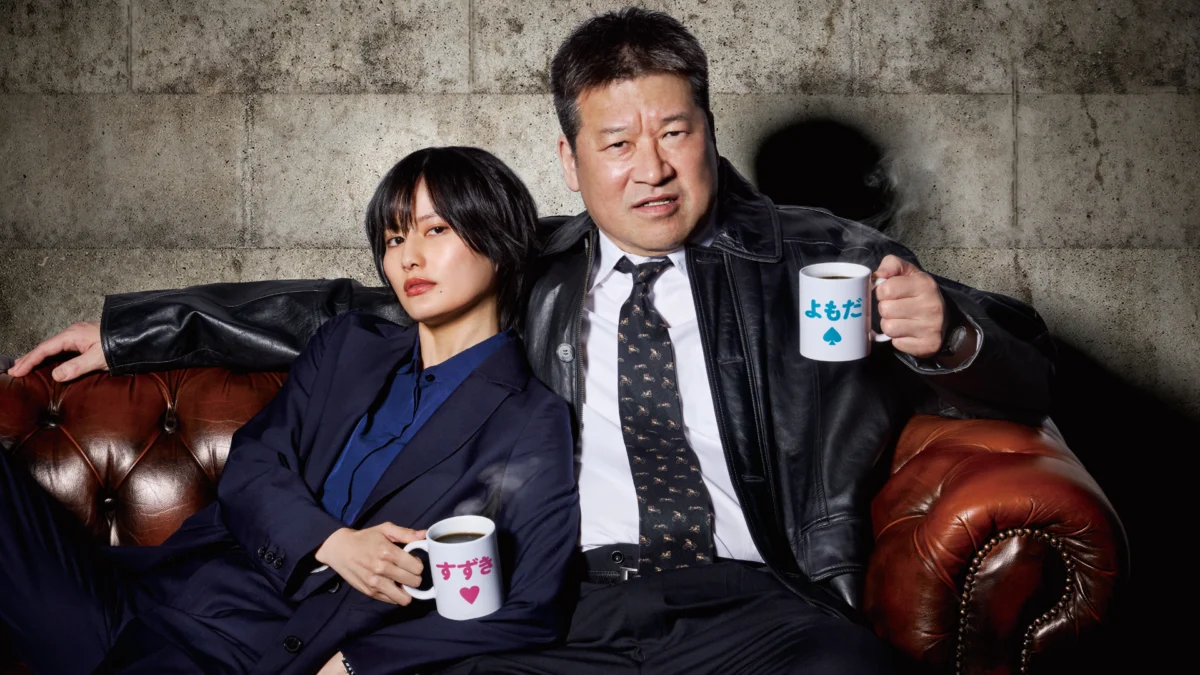
The current dispute revolves around the production of Fūfu Bessei Keiji, a comedy series starring 57-year-old veteran actor Satō Jirō and 30-year-old actress Hashimoto Ai. The show’s premise—a satirical take on Japan’s long-standing, contentious legal battle over separate spousal surnames—follows two married detectives who must conceal their relationship to work in the same unit.
The timeline of the current scandal is as follows:
- July 1, 2026: The weekly magazine Shukan Bunshun, known for its aggressive investigative reporting on celebrity affairs, released a teaser on social media alleging a volatile on-set incident. The publication claimed that Satō had “burst” into Hashimoto’s dressing room, an interaction that reportedly left the actress in tears.
- The Allegation: The Bunshun report further alleged that Satō had engaged in unwanted physical contact with his co-star, touching Hashimoto against her will. This accusation quickly gained traction, triggering a wave of speculation across social media platforms.
- Immediate Response: Within hours of the report, the narrative began to splinter. Satō’s agency, From First Production, issued a swift, categorical denial of the allegations. Unlike typical corporate non-denials, the agency’s rebuttal was aggressive, challenging the credibility of the Bunshun report and suggesting that the media outlet had misrepresented the context of the on-set interaction.
The Anatomy of the Backlash
The reaction to the news has been characterized by a stark polarization of public opinion. Unlike the Kimura Hana case, where public sympathy was largely directed toward the victim, the Fūfu Bessei Keiji situation has seen a significant portion of the audience rally behind the accused.
The Misogyny Factor
A distressing element of this controversy is the vitriol directed at Hashimoto Ai. As the accuser, Hashimoto has become the target of a vicious campaign of online harassment. Supporters of Satō, eager to defend the veteran actor’s reputation, have flooded social media with misogynistic tropes, questioning the actress’s motives, her professional integrity, and her character.
![[Insider] Fuji TV Fails Again in Japan Sexual Harassment Scandal](https://media.unseen-japan.com/wp-content/uploads/2026/07/bessei-fuufu-tantei.jpg)
This phenomenon highlights a broader societal issue in Japan: the tendency to reflexively dismiss allegations of misconduct made by women against older, established male figures. The "vile torrents" of abuse directed at Hashimoto demonstrate that, despite shifting global conversations around workplace harassment, the domestic entertainment industry remains a hostile environment for those who choose to speak out.
The Role of Fuji TV
Fuji TV’s silence in the immediate aftermath has been deafening. By failing to issue a comprehensive statement or provide a platform for a neutral, third-party clarification, the network has allowed the rumor mill to dictate the narrative. Critics argue that this passivity is a strategic choice—a way to maintain the production’s viability while letting the public "fight it out" on social media. However, this strategy has backfired, creating a toxic atmosphere that has effectively paralyzed the show’s promotion and tarnished the reputation of both leads.
Implications for the Japanese Entertainment Industry
The Fūfu Bessei Keiji scandal is more than just a tabloid-fodder celebrity feud; it is a symptom of a systemic crisis within Japanese television production.
Power Dynamics and "On-Set Culture"
In Japan, the hierarchy on a television set is rigid. Veteran actors like Satō often wield significant influence, and the boundary between professional guidance and overbearing behavior is frequently blurred. When a conflict arises, production staff are often reluctant to intervene for fear of upsetting the talent or disrupting the filming schedule. This lack of robust human resources infrastructure on sets leaves younger actors—particularly women—vulnerable.
The Responsibility of the Broadcaster
Broadcasters act as the ultimate gatekeepers. When a network like Fuji TV commissions a show, they are responsible for the environment in which that show is created. By failing to implement clear, enforceable codes of conduct or effective grievance mechanisms, the network is complicit in the fallout. The recurring nature of these scandals suggests that Fuji TV’s management has not internalized the lessons of the past.
The Future of Accountability
As public awareness grows, the appetite for institutional reform is increasing. The Japanese public is becoming less tolerant of the "cover-up and move on" tactics that have traditionally defined the entertainment industry. If Fuji TV wishes to retain its relevance and credibility, it must move beyond crisis management and embrace radical transparency.
This includes:
- Independent Oversight: Implementing independent, on-set monitors for high-profile productions to ensure professional conduct.
- Zero-Tolerance Policies: Establishing clear, publicly disclosed consequences for harassment that are not subject to "negotiated settlements" behind closed doors.
- Victim-Centric Support: Creating external channels for staff and talent to report grievances without the fear of retaliation or public shaming.
Conclusion
The controversy surrounding Fūfu Bessei Keiji is still unfolding. As of this writing, the truth remains obscured by competing narratives and a lack of official clarity. However, the damage to the discourse is already done.
Fuji TV stands at a crossroads. It can continue to operate in the shadows, hoping that public memory is short and that the next scandal will distract from the last. Or, it can acknowledge that the current state of affairs is unsustainable. The tragedy of Kimura Hana was a wake-up call that many in the industry hit the snooze button on. The Nakai Masahiro case was a second warning. This current situation is, perhaps, the final notice.
For the sake of Hashimoto Ai, for the sake of all those working in the industry, and for the sake of the audience that consumes these stories, the era of negligence must come to an end. True leadership in media is not just about producing the next hit; it is about ensuring that the people who create it are treated with the dignity, respect, and safety they deserve. Fuji TV has yet to prove that it is capable of that level of stewardship.