

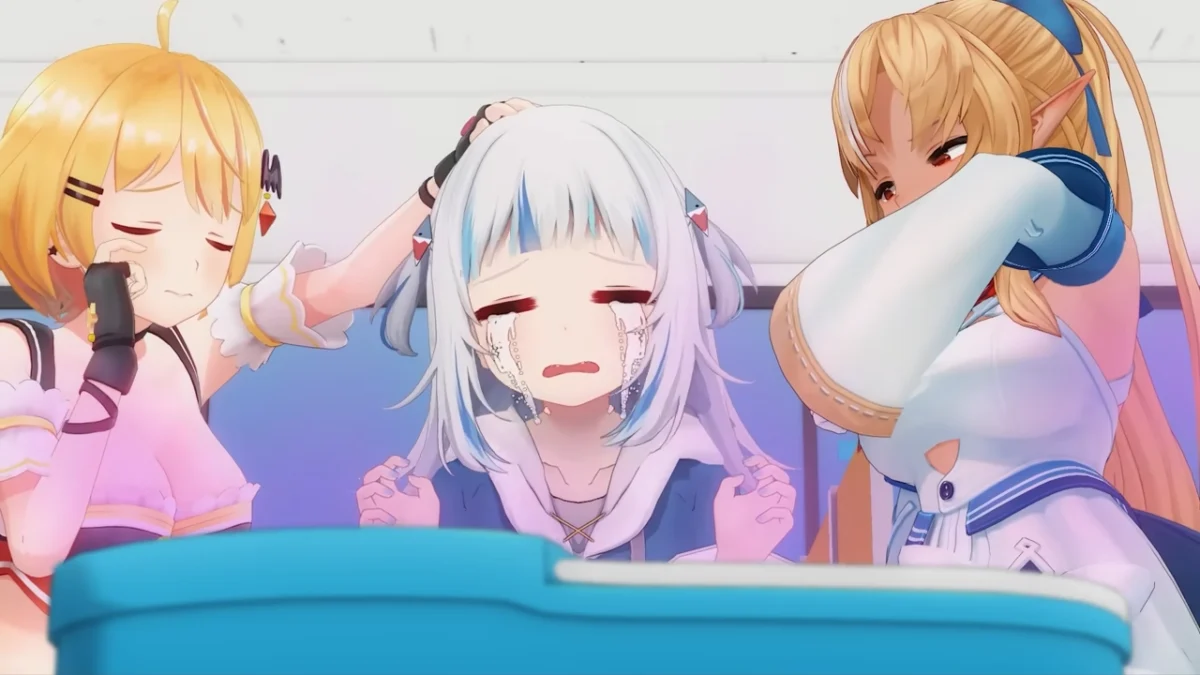
In a move that has sent shockwaves through the global digital entertainment industry, Gawr Gura, the world’s most-subscribed VTuber, has officially announced her departure from the Hololive agency. The announcement, delivered during a solemn and emotionally charged livestream on April 15, marks the conclusion of a transformative four-and-a-half-year tenure that saw the "shark-themed" idol redefine the boundaries of livestreaming and virtual content creation.
Gura, who stands as a cultural titan with over 4.58 million subscribers on YouTube, cited "disagreements with management and company direction" as the primary catalysts for her decision. Her graduation, set for May 1, 2025, represents the latest in a string of high-profile exits from the agency, raising urgent questions regarding the sustainability of the current VTuber business model and the future of the Hololive brand.
A Legacy Defined: The Rise of the Shark
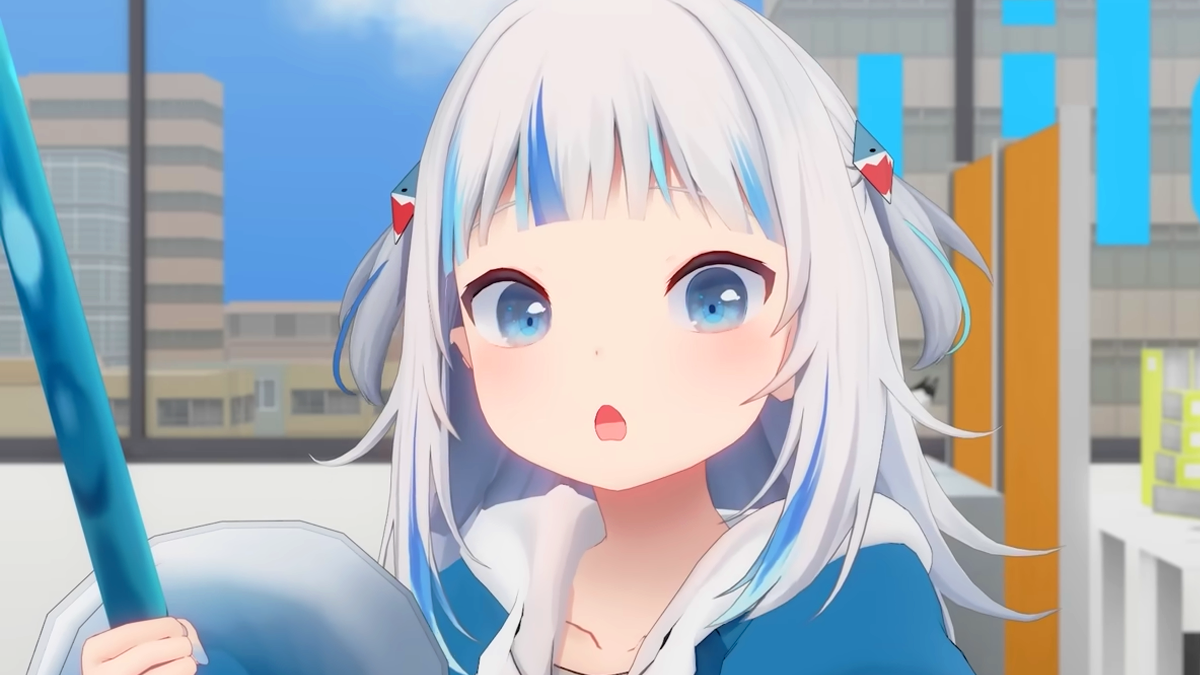
Debuting in September 2020 as a foundational member of Hololive English’s "HoloMyth" generation, Gawr Gura burst onto the scene with an iconic, singular-word introduction: "a." What followed was an unprecedented ascent in the digital landscape. Within months, Gura had surpassed the pioneer of the medium, Kizuna AI, to become the most-subscribed VTuber in history.
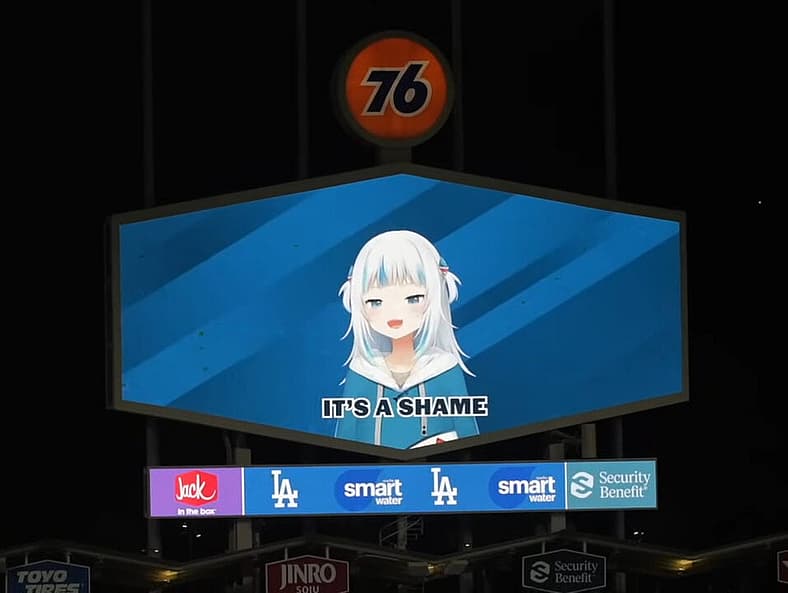
Her impact transcended the screen. Over her tenure, she became a bridge between niche internet culture and mainstream recognition. She served as a tourism ambassador for Tokyo, made history with a high-profile collaboration with the Los Angeles Dodgers—during which her performance of "Take Me Out to the Ball Game" became a viral sensation—and claimed the title of "VTuber of the Year" at the 2023 Streamy Awards. Beyond the statistics, Gura is credited with pioneering the Western VTuber explosion, inspiring a generation of creators, animators, and fans to pursue their own digital aspirations.
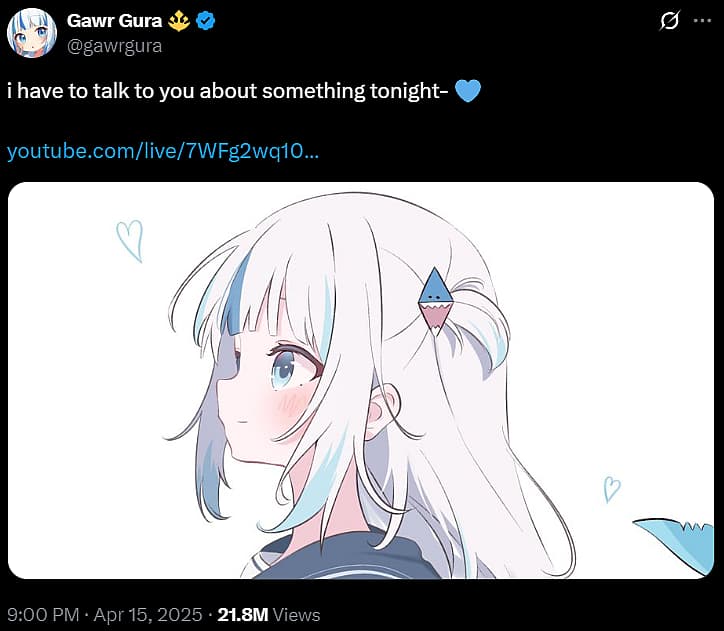
The Announcement: A Farewell to "Chumbuds"
The announcement was marked by a somber tone that stood in stark contrast to the typically high-energy, comedic nature of Gura’s content. Eschewing her digital avatar for a static self-portrait, Gura spoke directly to her audience—her "Chumbuds"—with a raw vulnerability rarely seen in the curated world of idols.
"I’m really sorry for worrying you or upsetting you," Gura stated, her voice wavering. "This has been a very long time coming… My reasons being disagreements with management and company direction."

She reflected on the intensity of her journey, admitting that the sudden global fame was a double-edged sword. She spoke of days when the pressure was so great that she struggled to maintain her physical health, yet credited her community for providing the stability she needed to endure. "You helped pull me out of my shell, and I went from being too scared to sing alone in my shower to singing live in front of thousands of people," she shared. As she concluded her final statement, she promised one last project for her fans, expressing an optimistic, if bittersweet, outlook for the future.
Chronology of an Agency in Flux
Gura’s departure is not an isolated incident but rather the sixth high-profile graduation from Hololive since August 2024. This trend has alarmed long-time followers of the agency. Other notable talents who have recently parted ways or announced their exits include Minato Aqua, Amelia Watson, Ceres Fauna, Sakamata Chloe, and Nanashi Mumei.
While "graduation" is the standard term in the Japanese idol industry for a voluntary departure, the frequency of these exits has sparked intense speculation. The timeline of these departures coincides with significant corporate shifts at Cover Corp, the parent company of Hololive. In 2023, the company went public, a move CEO Motoaki "Yagoo" Tanigo defended as essential for long-term survival. However, analysts and fans alike have theorized that the pressures of operating as a public company have necessitated an increased emphasis on "idol" duties—such as large-scale, high-profit concerts—over the more relaxed, community-focused streaming that originally built the brand’s foundation.
Financial and Corporate Implications
The market reaction to Gura’s announcement was immediate and severe. By the following day, Cover Corp stocks had plummeted by more than 10%. This volatility reflects the reality that for companies like Cover, individual talent is not just a performer; they are an engine of revenue and a pillar of the brand’s equity.
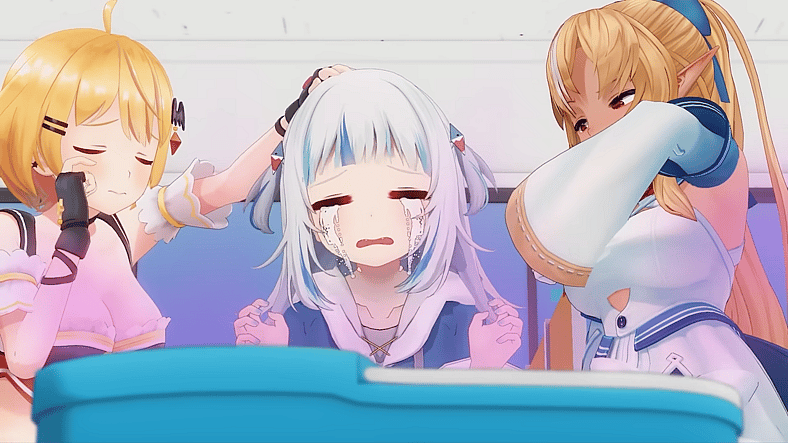
The shift toward a more corporate, profit-driven structure appears to be at odds with the creative autonomy that attracted many of these performers to the medium in the first place. When talented streamers feel that the "direction" of the company no longer aligns with their vision, the resulting friction often leads to these permanent separations. The "catch-all" justification of "disagreements with management" has become a recurring theme, signaling a deeper, systemic misalignment between the corporate entity and its primary human assets.
Perspectives from Within: The Calli Mori Testimony
The internal atmosphere at Hololive remains tense, yet measured. Fellow Hololive English talent Calli Mori addressed the news shortly after it broke, offering a candid look at the complexity of the situation.
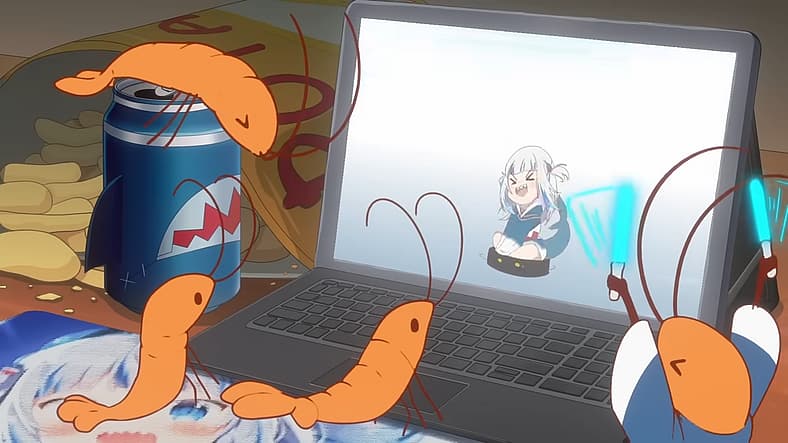
"Whenever a talent says something like ‘disagreements with management’… those aren’t worries that I can assuage," Mori remarked. "I am a person that likes the way that things are, which doesn’t make my opinion any better or worse than theirs."
Mori emphasized that there is rarely a single cause for such a departure, suggesting that each talent has a unique experience with the agency. She urged fans to avoid falling into "doomsaying" or allowing third-party entities to manipulate the narrative. Her comments highlighted a divide within the agency: those who have found a way to thrive within the new corporate structure and those for whom the "idol" expectations have become untenable.
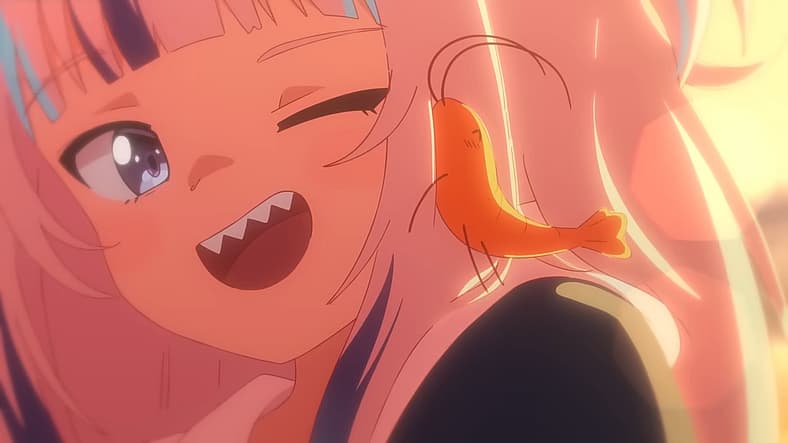
The Future of the Industry
The departure of Gawr Gura leaves a void that may be impossible to fill. She was not merely a mascot; she was a cultural phenomenon who proved that a virtual identity could foster genuine, deep-seated human connections.
As Hololive looks toward a post-Gura future, the company faces a critical juncture. The decision to prioritize high-profit, large-scale performances is a standard business strategy for growth, but it risks alienating the very creators who made the platform a success. If the current trajectory of departures continues, the agency may find its most valuable assets—its unique, personality-driven creators—continuously seeking opportunities elsewhere, perhaps in independent ventures where they can maintain full control over their creative output.
For now, the focus remains on the final weeks of Gura’s tenure. Fans are bracing for a period of mourning and celebration, honoring a "little shark" who changed the face of the internet. Whether this marks the beginning of a decline for the genre or simply a painful period of corporate restructuring, one thing is clear: the era of Gawr Gura was a singular, irreplaceable chapter in the history of digital entertainment. As the community prepares for her final sign-off, they do so with the knowledge that while the avatar may be retiring, the impact of the person behind the mask will resonate for years to come.








