

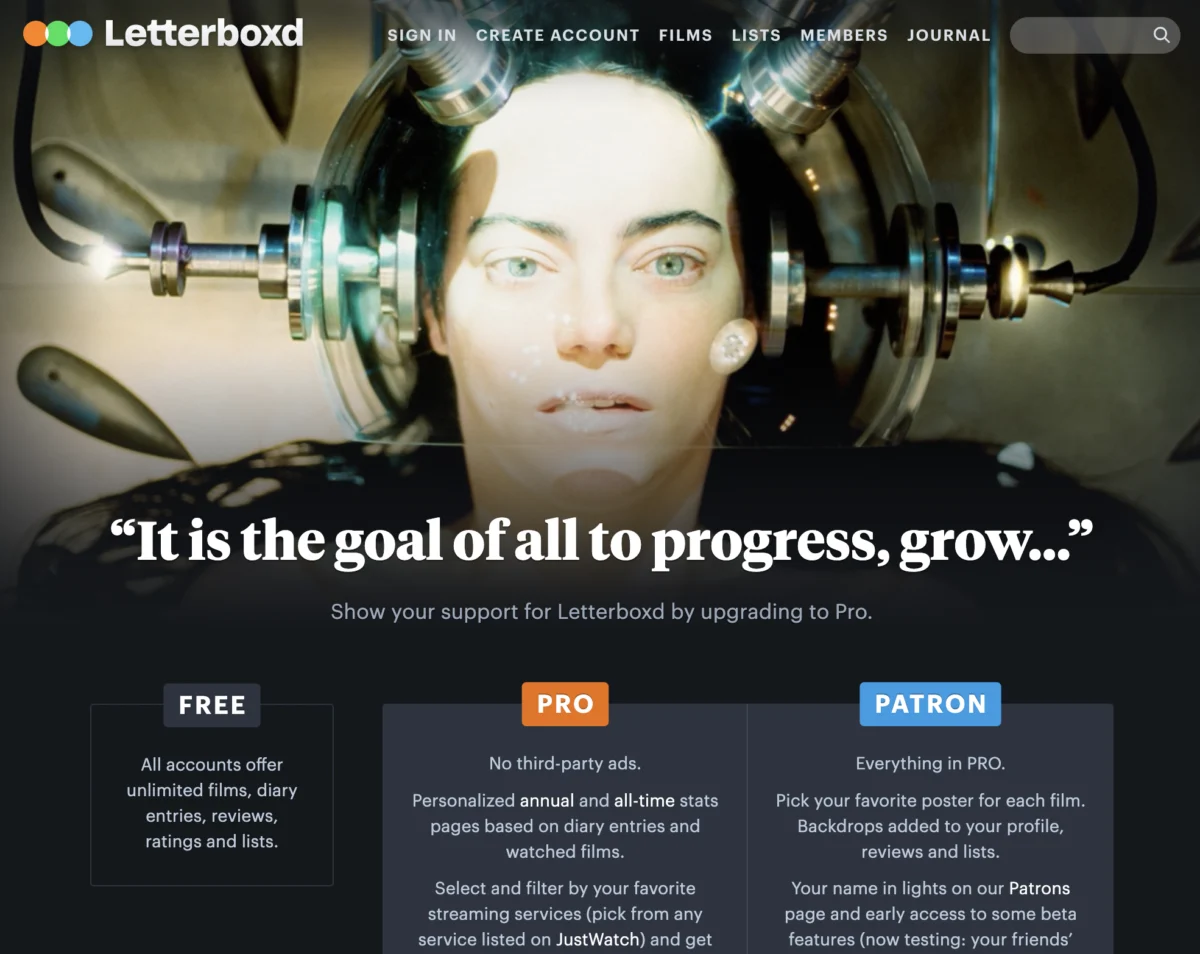
For the better part of a decade, Letterboxd has stood as a defiant, digital bastion of cinephilia—a platform where film lovers, from casual viewers to A-list celebrities like Charli XCX and Jack Harlow, congregate to log, rate, and debate the cinematic canon. However, the "cult favorite" status that has defined the platform’s identity is now colliding with the harsh realities of corporate consolidation.
According to reports, Letterboxd has been quietly shopping itself to potential buyers for several months. As of late July, Sony Pictures Entertainment has emerged as a key player in the preliminary discussions, with sources confirming the studio has agreed to initial meetings to explore an acquisition.
The Field of Suitors: A Who’s Who of Media and Capital
The interest in Letterboxd extends far beyond traditional film studios. The list of entities engaged in early-stage talks reads like a roster of the most powerful players in modern media and private equity. According to a recent report in Puck, Netflix, Paramount, Reddit co-founder Alexis Ohanian, and prominent private equity firms including RedBird and TPG are all among those who have participated in initial discussions regarding a potential purchase.
This robust interest underscores the platform’s immense cultural capital. With a user base now reaching 26 million, Letterboxd has successfully captured the attention of the elusive "young movie lover" demographic—a group that remains highly sought after by legacy media brands struggling to maintain relevance in a fragmented digital landscape.
A Chronology of the Sale Process
The journey toward a potential acquisition did not happen overnight. The narrative began to shift in early 2023, when Tiny, a Canadian-based public company, acquired a 60 percent controlling stake in Letterboxd. At that time, the valuation of the platform was pegged at approximately $50 million.
By April 2026, industry reports from Semafor suggested that the honeymoon phase between the platform and its majority owner was potentially shifting toward an exit strategy. The Semafor report indicated that the stakeholders were exploring a sale, with companies like Versant and The Ankler noted as early interested parties.

In the months since that initial report, the valuation expectations have shifted dramatically. While the platform was valued at $50 million in 2023, reports suggest that sellers are now seeking a valuation in the neighborhood of $250 million—a five-fold increase that reflects both the platform’s exponential growth and the premium placed on its deeply engaged user community.
Maintaining the "Charm" in a Corporate Ecosystem
Despite the uncertainty surrounding its ownership, Letterboxd has continued to iterate on its product. Recent innovations, such as the "Four Favorites" social media feature and the launch of the Letterboxd Video Store—which allows for the digital rental of rare, under-the-radar, and sometimes unreleased films—have been met with widespread approval from the user base. These features have managed to enhance the platform’s utility without compromising its minimalist, "Old Internet" charm.
However, the platform is not without its growing pains. Long-awaited features, such as the ability to log television shows, remain in a state of purgatory, leaving some power users frustrated. The tension between the platform’s grassroots, fan-driven origins and the pressures of modern monetization is the central narrative of this potential sale. Critics and users alike are asking: Can a platform defined by its independence survive under the stewardship of a major studio or a private equity firm that might prioritize data harvesting or self-promotion over the user experience?
Strategic Implications: Why Sony, Netflix, or Paramount?
The identity of the potential buyer carries significant weight for the future of the app.
The Case for Sony
Sony Pictures Entertainment appears to be a logical suitor. Recent business maneuvers, including the acquisition of the Alamo Drafthouse theater chain and a $100 million stake in the immersive entertainment company Cosm, signal that Sony is actively building an ecosystem centered on "niche, devoted audiences." Integrating Letterboxd into this portfolio would provide Sony with a direct pipeline to the most passionate segment of the movie-going public.
The Case Against Netflix
While Netflix’s presence in the conversation is unsurprising given its massive scale, a deal feels less organic. Netflix is currently in a phase of aggressive growth and IP acquisition. While they could certainly afford the $250 million price tag, it is unclear how the platform’s "community-first" ethos would thrive inside the company’s algorithmic, content-heavy model.

The Financial Reality for Paramount
Paramount’s interest, while noted, is complicated by its own precarious financial position. As it moves toward a potential merger with Warner Bros. Discovery, the company is grappling with approximately $80 billion in debt. Adding another asset, however culturally valuable, may prove to be a secondary concern compared to the massive restructuring efforts currently underway.
Official Responses and the Road Ahead
In response to the growing speculation, the company has maintained a guarded stance. When asked about the potential sale earlier this year, a representative for Letterboxd offered a measured statement to IndieWire: "As Letterboxd has grown, it’s natural there will be interest in what we do next. There’s nothing specific for us to share at this time. Any decision about Letterboxd’s future would involve the founders."
Requests for comment regarding the most recent round of meetings were met with silence from the platform’s representatives. Similarly, spokespeople for Sony, Netflix, and Paramount have largely declined to comment or did not return requests for information.
The Future of Cinephile Social Media
The prospect of a $250 million valuation for a platform that essentially tracks personal viewing habits is a testament to the power of community-driven data. Whether it is a studio like Sony or a tech-focused entity that takes the reins, the core challenge remains the same: scaling the platform while preventing the degradation of the very community that made it valuable in the first place.
For the millions of users who rely on Letterboxd for their weekly recommendations and their year-end "Top 10" lists, the coming months will be a period of watchful waiting. The "Old Internet" quirks that have made the site a sanctuary for film lovers are, ironically, what makes it a prime target for the "New Internet" of corporate giants. As the deal-making process continues, the hope among the platform’s core demographic is that whoever ends up at the helm recognizes that the value of Letterboxd lies not in its data, but in the passion of the people who call it home.










