For fourteen years, the residents of Bikini Bottom have been notably absent from the world of LEGO. While the brand has continued to dominate the global toy market with a relentless string of hit releases, the SpongeBob SquarePants license had drifted into the annals of collector history—until now. LEGO has officially announced the return of the world’s most famous sea sponge in the form of an elaborate "Icons" set, signaling a major strategic shift in how the company approaches beloved pop-culture intellectual properties.
The Main Facts: A Nostalgic Homecoming
The newly unveiled SpongeBob SquarePants: Bikini Bottom set (Product #11386) is a sprawling, 1,800-piece love letter to the long-running Nickelodeon series. Eschewing the small, play-focused sets of the mid-2000s, this new release is firmly categorized under the "LEGO Icons" banner, targeting an older, more affluent demographic of AFOLs (Adult Fans of LEGO).
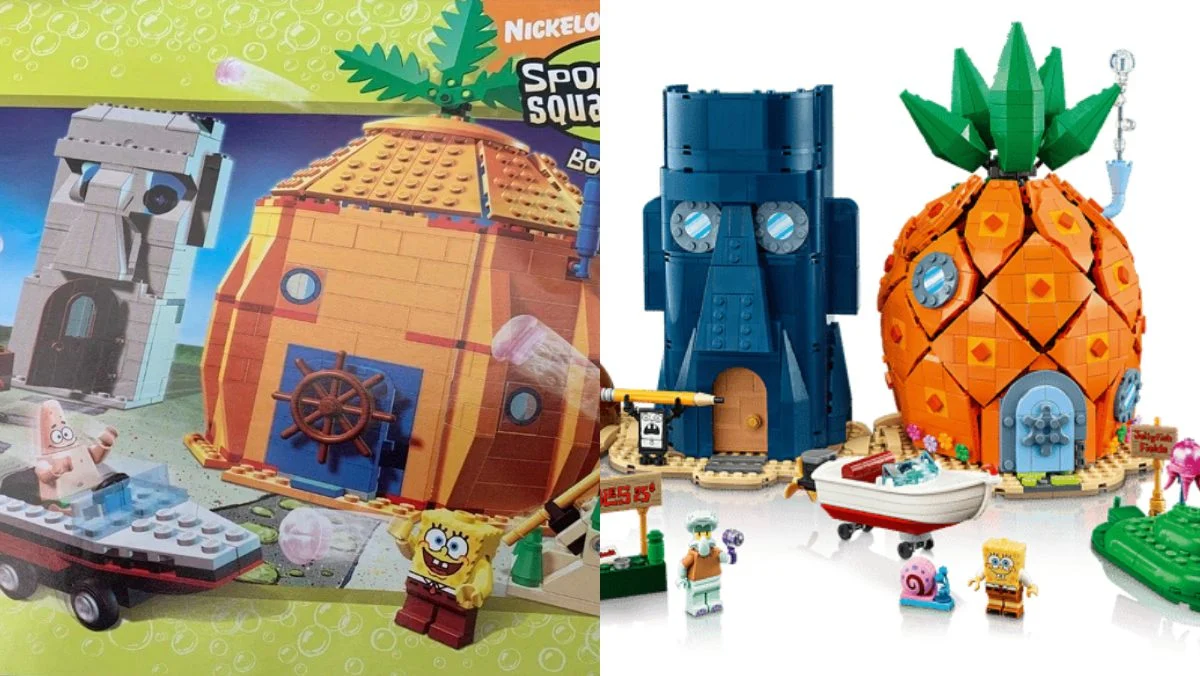
The set captures the essence of the show’s most iconic locations. Builders can construct the legendary Pineapple house, Squidward’s Easter Island head, and Patrick’s humble boulder. Beyond the architecture, the set includes a suite of modernized, highly detailed minifigures: SpongeBob, Patrick, and Squidward have been completely redesigned with contemporary printing techniques, and even Gary the Snail is included. Perhaps the most delightful surprise for long-time fans is the inclusion of a Doodlebob minifigure, a deep-cut reference that highlights the set’s focus on show lore.
Beyond the dwellings, the build includes iconic set pieces such as the "Bikini Bottom" town sign, the bubble stand, and the lush greenery of Jellyfish Fields. The set is currently available for pre-order with a scheduled retail release date of September 1, 2026, at a price point of $219.99.
A Chronological Journey: From Cylinder Plankton to Modern Minifigures
To understand the significance of this launch, one must look at the historical trajectory of the SpongeBob theme. The original LEGO SpongeBob SquarePants line ran from 2006 to 2012, a period characterized by simpler, more modular play-sets. The inaugural set of that era, the original Krusty Krab, was a humble 295-piece build.
At the time, the limitations of LEGO’s manufacturing process were evident. Most infamously, the character of Plankton was represented not by a dedicated minifigure, but by a simple cylindrical brick with a painted face. It was a functional, if somewhat uninspired, solution to a character design problem.

Fast forward to 2026, and the leap in quality is staggering. The contrast between the 2006 Krusty Krab and the new, massive Bikini Bottom display piece serves as a physical timeline of LEGO’s evolution. The modern set utilizes advanced SNOT (Studs Not On Top) techniques to create organic shapes—like the curves of a pineapple or the craggy texture of a rock—that were mathematically impossible or prohibitively expensive to produce two decades ago. This evolution reflects a broader trend in the toy industry: the "kidult" market, where manufacturers are increasingly catering to nostalgic adults with disposable income who demand high-fidelity representations of their childhood favorites.
Supporting Data: The Anatomy of the New Set
With a piece count nearing 1,800, the 2026 Bikini Bottom set is a significant undertaking. The price-per-piece ratio sits at approximately 12 cents per brick, which aligns with the premium pricing standard for licensed LEGO Icons sets.
The set’s design philosophy prioritizes display value over traditional "playability." While the 2006 sets were designed to be pushed across a floor by children, the 2026 set is designed to sit on a display shelf, acting as a conversation piece for adult fans. This shift is substantiated by the marketing campaign accompanying the release. LEGO took to Instagram to debut the set with a meticulously crafted stop-motion recreation of the show’s iconic opening credits. The video was not targeted at children browsing a toy catalog; it was a high-production-value piece of social media content designed to trigger the "nostalgia reflex" of millennials who grew up watching the show on Nickelodeon.
Official Responses and the Fanbase Divide
The announcement has elicited a polarized response from the community, highlighting the ongoing tension between LEGO’s accessibility and its current "premiumization" strategy. On social media platforms like Instagram and Reddit, the reaction has been a tug-of-war between sheer excitement and "sticker shock."
"I don’t need it. I don’t need it. I definitely don’t need it… I NEEEEEEEED IT!!" wrote one user, echoing a famous line from the show to express their internal struggle with the $220 price tag. This sentiment captures the paradox of the modern LEGO collector: the intense desire to own a piece of childhood, balanced against the reality of a three-figure price point.
Other fans have pointed out the irony of branding a show that is fundamentally "for kids" as an 18+ adult collectible. As one user noted, "Oh wow, this is going to be a fun theme for kids… oh, it’s over $200, I meant for adults." This criticism highlights a growing concern within the community that LEGO is increasingly pricing out its core demographic—children—in favor of capitalizing on the spending power of adults.

Implications: A Potential Renaissance or a One-Off?
The release of this set carries significant implications for the future of the SpongeBob license at LEGO. The question remains: is this a one-time "Icons" release, or the beginning of a larger, sustained revival?
In 2020, a passionate fan submitted a project to the LEGO Ideas platform proposing a large-scale Krusty Krab set. Despite gaining significant traction and community support, the project was denied by LEGO during the review phase. This rejection led many to believe that the SpongeBob license was permanently shuttered. The reversal of that position—or at least the acquisition of a new licensing deal—suggests that LEGO has reconsidered the commercial viability of the brand.
If the 2026 Bikini Bottom set succeeds in the market, it could pave the way for a return to smaller, more affordable sets. A "waves-based" approach, where a massive flagship set is supported by smaller, accessible builds (such as a Boatmobile set or a smaller Krusty Krab), would be the natural next step.
Conclusion: The Business of Childhood
LEGO’s return to Bikini Bottom is a masterclass in leveraging Intellectual Property (IP) to bridge the gap between generations. By honoring the history of the show while utilizing the cutting-edge design capabilities of a 2026-era toy giant, LEGO has created a product that feels both timely and timeless.
However, the high price point serves as a stark reminder of the current state of the hobby. As collectors weigh the cost against the nostalgia, the success of this set will serve as a bellwether for how much value fans place on their childhood memories. Whether this is a one-off "Icons" celebration or the start of a new, long-term partnership, the residents of Bikini Bottom have officially reclaimed their place in the LEGO pantheon. For those willing to pay the price, a trip back to the sea has never looked—or felt—so polished.