

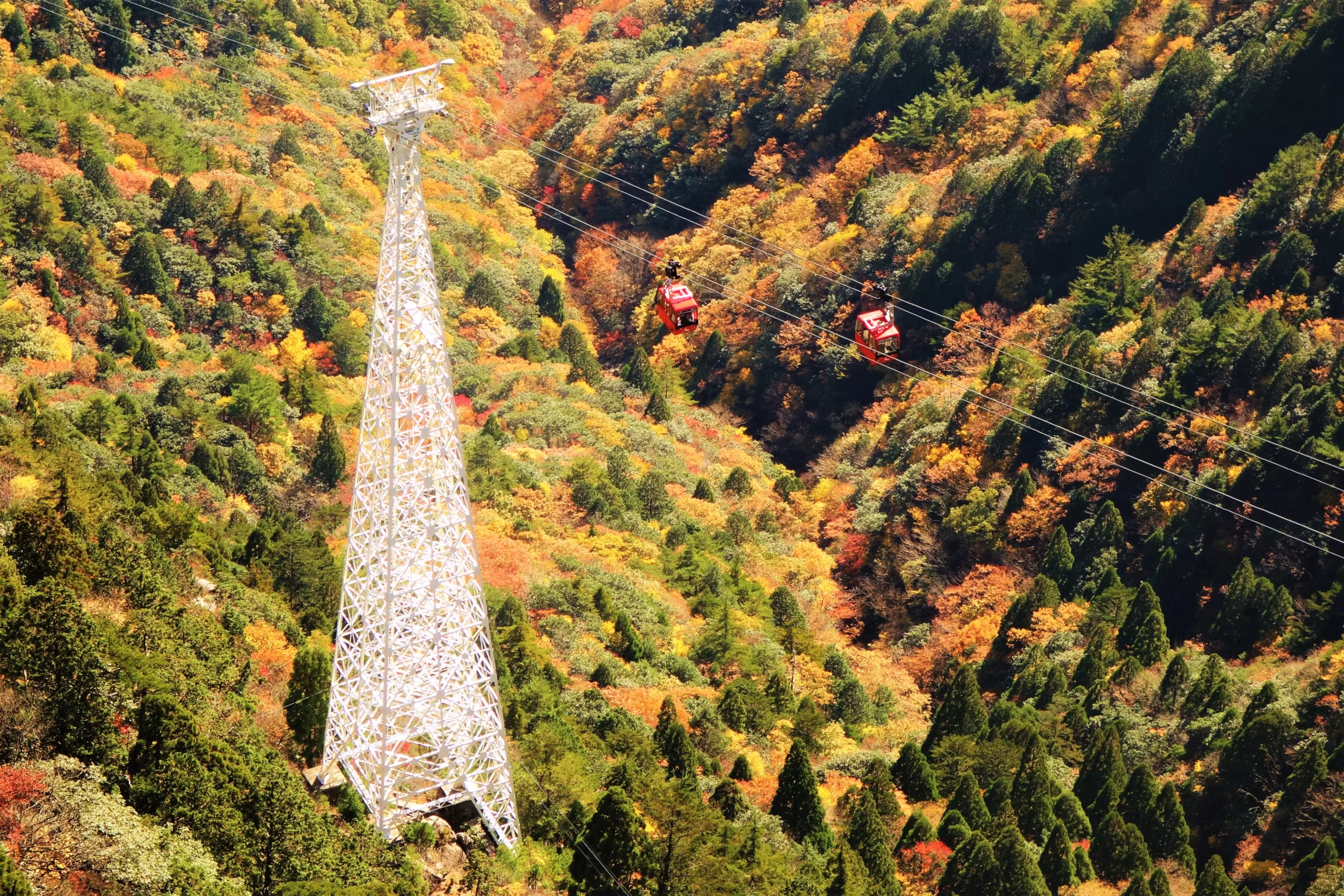
As the sweltering heat of summer begins to wane, Japan’s landscapes undergo a breathtaking metamorphosis. Among the most anticipated destinations for nature enthusiasts and photographers alike is Mt. Gozaisho in Mie Prefecture. Standing 1,212 meters above sea level, this majestic peak serves as a natural barometer for the shifting seasons, offering a spectacular, early-arrival autumn foliage experience that draws visitors from the bustling urban hubs of Nagoya and Osaka.
Main Facts: The Gozaisho Experience
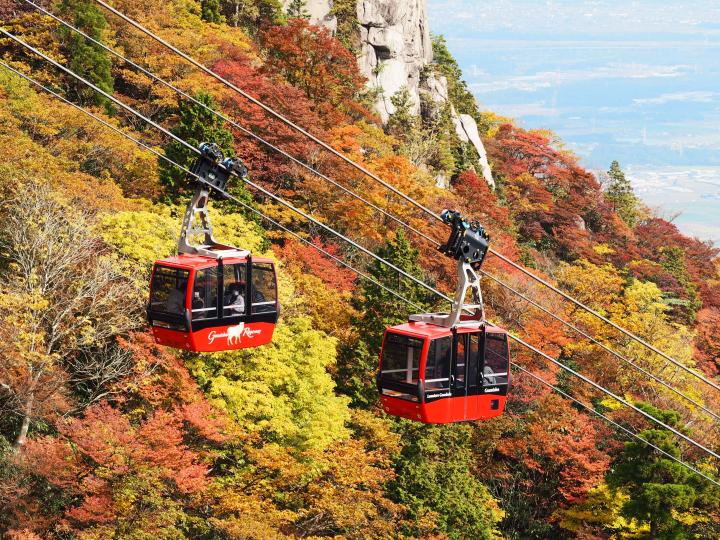
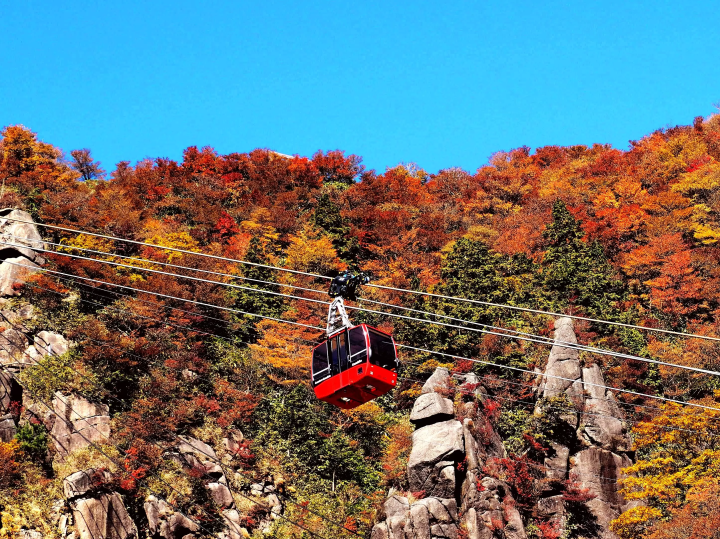
Mt. Gozaisho is not merely a mountain; it is a meticulously managed alpine retreat that balances accessibility with raw, rugged beauty. The primary artery for this ascent is the Gozaisho Ropeway, a world-class aerial lift system that transports visitors from the base at Yunoyama Onsen (400 meters above sea level) to the Summit Park in just a matter of minutes.
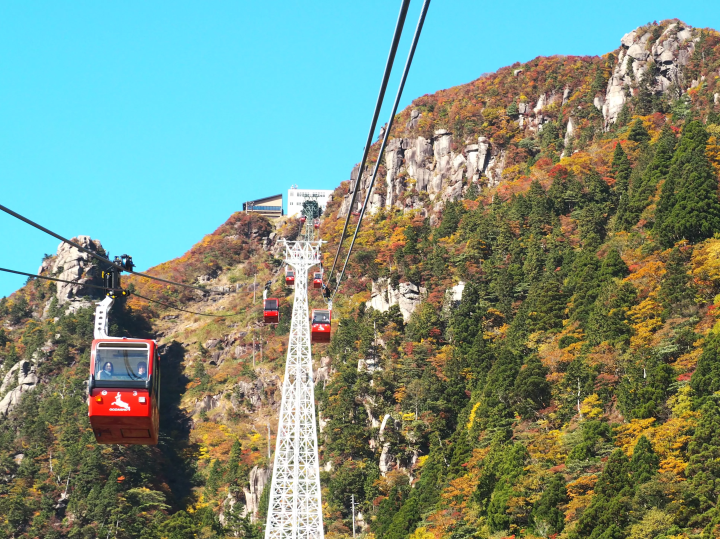
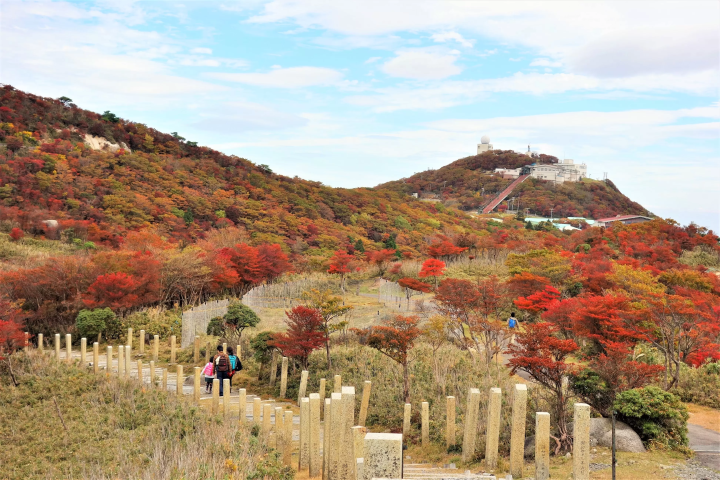
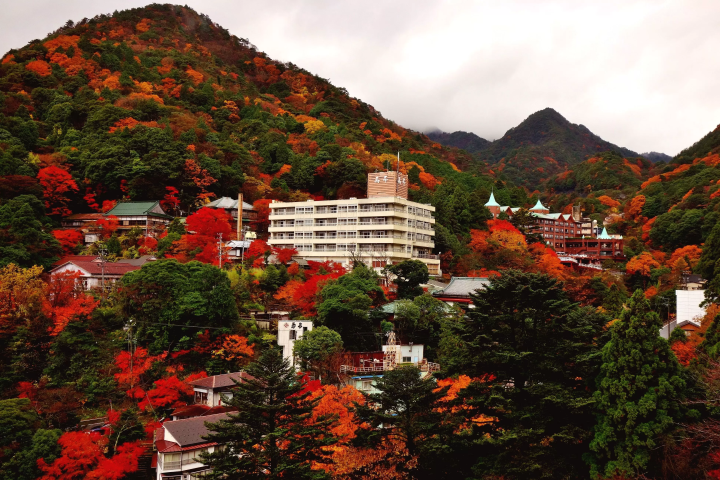
The mountain is renowned for its vertical foliage transition. Because of the elevation gain, autumn arrives on the summit significantly earlier than at the base. From late October to mid-November, the mountain transforms into a vibrant tapestry of crimson, gold, and burnt orange. The geography of the area, characterized by dramatic rock faces and steep valleys, provides a three-dimensional viewing experience that is difficult to replicate elsewhere in the Kansai or Chubu regions.
Chronology of the Season
Understanding the timing of the foliage is essential for the ideal visit. The progression of color on Mt. Gozaisho follows a predictable yet weather-dependent timeline:
- Late October: The color change commences at the summit. The azalea colonies, which define the mountain’s unique vegetation, reach their peak hue. The red and white azaleas, along with Enkianthus campanulata, turn a deep, resonant crimson due to the sharp drop in nighttime temperatures.
- Late October to Early November: The foliage descends toward the mid-mountain regions. The craggy rock faces surrounding the Ropeway Sanjo Park Station provide a stark, dramatic contrast to the fiery colors of the maples and beech trees.
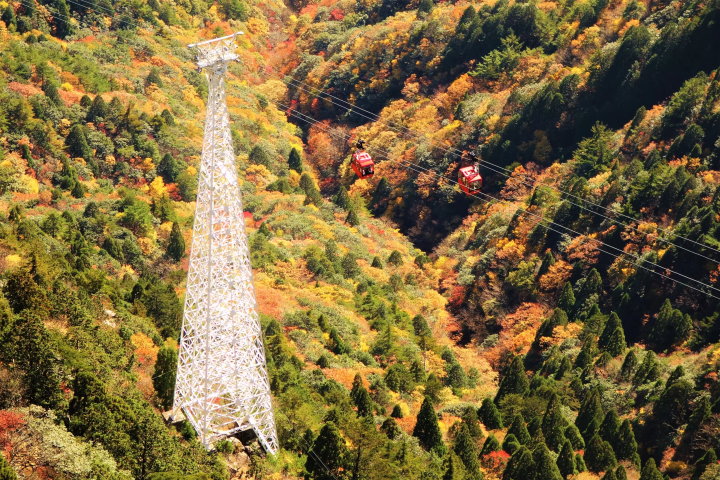
- Early to Mid-November: The valley near "Tower No. 6" enters its prime. This area is often described as resembling a traditional Japanese woodblock print, with layers of color cascading down the slopes.
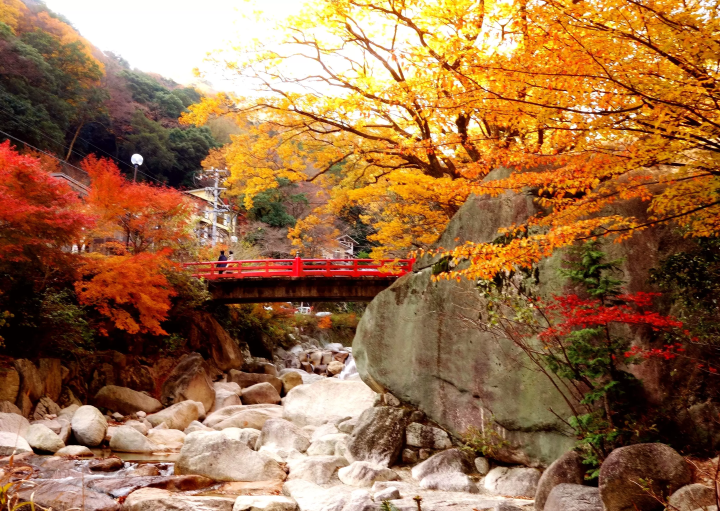
- Late November: The spectacle concludes at the base, where the maple trees lining the streams near the Yunoyama Onsen village provide a soft, reflective finale to the season.
Supporting Data and Practical Logistics
Planning a trip to Mt. Gozaisho requires an awareness of both the physical environment and the logistics of regional travel.
Ropeway and Lift Operations
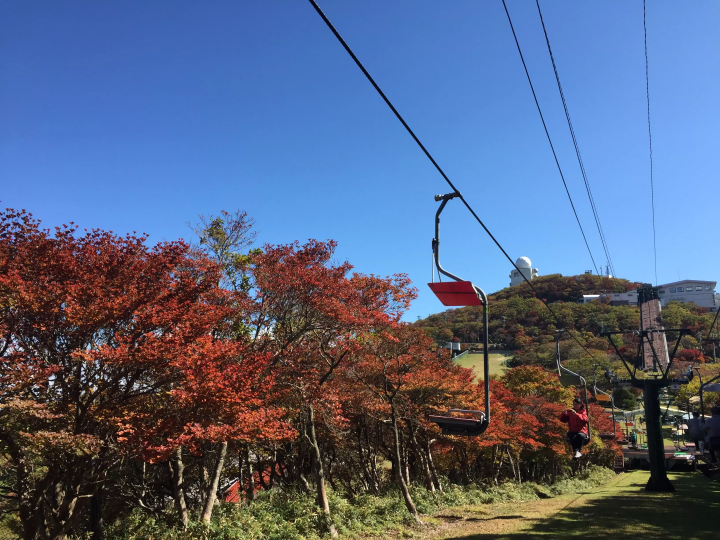
The Gozaisho Ropeway is the gateway to the summit. A round-trip ticket for an adult costs 2,600 yen, while children are charged 1,300 yen. Children aged 1 to 3 travel free, while those 13 and older are classified as adults. Once at the summit, visitors can further elevate their experience by utilizing the sightseeing lift, which covers a 500-meter stretch in about eight minutes. This single-seater lift offers an intimate view of the azalea colonies, costing 700 yen for a round trip.
Culinary and Sightseeing Amenities
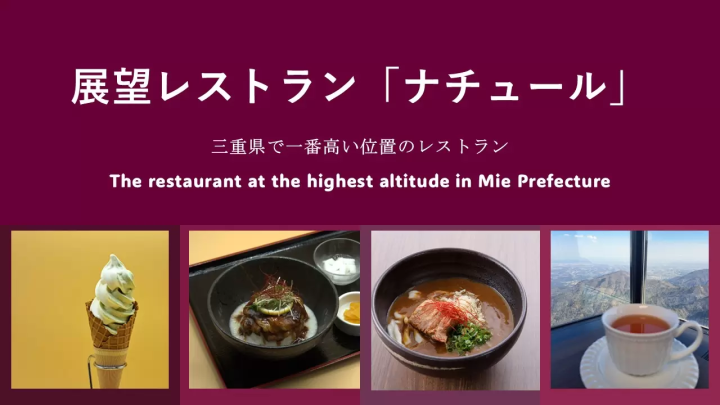
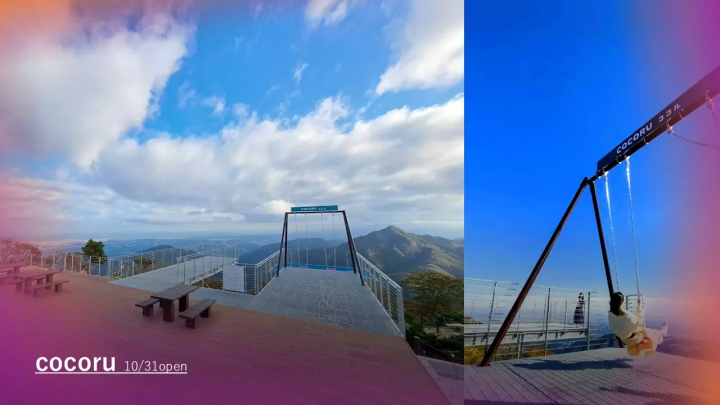
The Summit Park is equipped to handle day-trippers with modern comforts. The restaurant "Nature" serves as a culinary landmark, famous for its "Gozaisho Curry Udon." As of October 31, 2025, the park will unveil the "COCORRU Terrace," a new vantage point designed for panoramic photography. This terrace offers views stretching toward the Ise-Shima area and features a high-altitude swing, promising a blend of thrill and aesthetic beauty for visitors.
The Yunoyama Onsen Connection
Yunoyama Onsen, with a history spanning 1,300 years, adds a restorative dimension to the visit. Often referred to as "Deer’s Hot Spring"—named for a legend involving a wounded deer that recovered after bathing in the mineral-rich waters—the town is the perfect base for an overnight stay. The area’s hot springs are celebrated for their skin-moisturizing properties, providing a perfect remedy for a day of hiking or sightseeing.
Official Recommendations and Expert Tips
The popularity of Mt. Gozaisho’s foliage season creates significant logistical challenges. Peak weekends often result in heavy traffic congestion and long wait times for the ropeway. To ensure a seamless experience, officials and local tourism boards provide the following recommendations:
Strategic Planning
- Prioritize Weekdays: To avoid the peak crowds, scheduling a visit on a Tuesday, Wednesday, or Thursday is highly recommended.
- Public Transportation: On weekends and holidays, the roads leading to the ropeway base often become gridlocked. Visitors are strongly advised to utilize the Kintetsu Railway and Mie Kotsu Bus network to bypass traffic entirely.
- Correct Transit Navigation: Travelers must ensure they are heading to Kintetsu Yokkaichi Station, not JR Yokkaichi Station. The two are distinct, and confusion between them can lead to significant delays. Using the "Kintetsu Rail Pass" is a cost-effective strategy for those traveling from Nagoya or Osaka.
- Safety First: When using the single-seater sightseeing lift, please note that for safety reasons, carrying children on one’s lap is strictly prohibited.
Implications for Tourism and Sustainability
The rising popularity of Mt. Gozaisho reflects a broader trend in Japanese tourism: the shift toward "experiential nature travel." The mountain’s commitment to providing both accessible infrastructure (the ropeway) and preserved natural areas (the summit walking trails) allows for a diverse range of visitors—from elderly tourists enjoying the view from a cafe to younger hikers seeking the thrill of the new COCORRU Terrace.

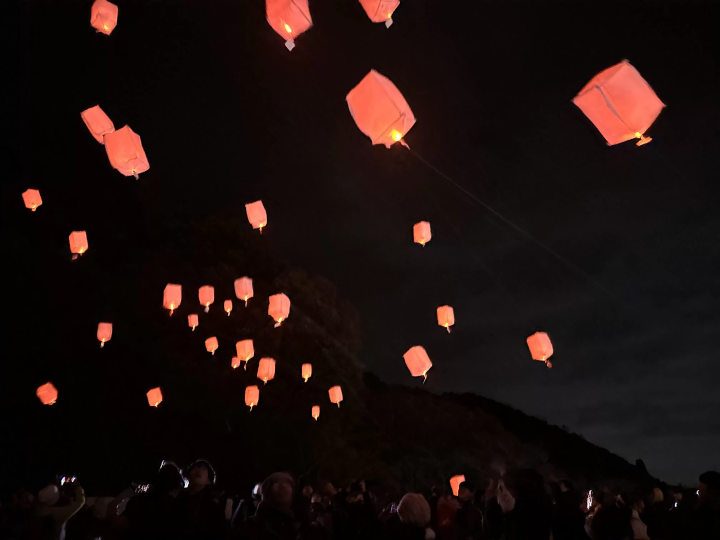
However, this influx of visitors necessitates a proactive approach to environmental stewardship. The vibrant red colors of the summit plants, driven by the anthocyanin pigments produced in response to the climate, serve as a reminder of the mountain’s delicate ecological balance. Events like the Sky Lantern Festival, held in the base parking lot in early December, aim to extend the tourism season into the winter months, helping to distribute the visitor load throughout the year.
The Human Element
For those choosing to stay in the area, establishments like "Saikoyo" underscore the importance of local hospitality. Located just 200 meters from the ropeway bus stop, the hotel exemplifies the "Omotenashi" (Japanese hospitality) spirit. By hosting year-round events and maintaining an energetic staff, such businesses ensure that the Gozaisho experience is defined not just by the scenery, but by the warmth of the community that stewards it.

Conclusion: A Seasonal Imperative
Whether you are an avid hiker looking to traverse the rocky ridges, a photographer chasing the elusive "woodblock print" aesthetic of the valley, or a traveler seeking the curative properties of a 1,300-year-old hot spring, Mt. Gozaisho offers a profound connection to the rhythm of the Japanese autumn.
By planning ahead, utilizing public transit, and respecting the natural limitations of this high-altitude environment, visitors can ensure that their trip to this Mie Prefecture gem remains a highlight of their travel year. For the latest updates, including real-time foliage reports and event scheduling, travelers are encouraged to monitor the official Gozaisho Ropeway social media channels on Facebook and Instagram. As the air cools and the first leaves begin to turn, the summit awaits—a testament to the enduring, fleeting beauty of autumn.











