
 Sagoh
Sagoh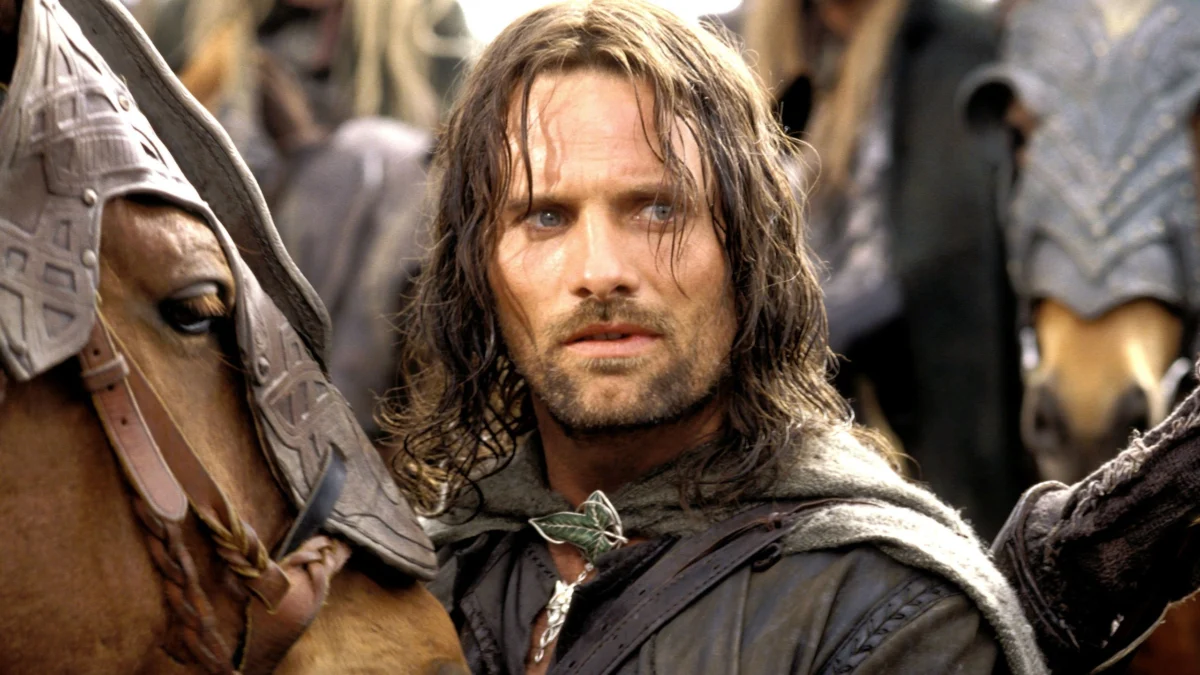
The first decade of the 21st century remains, by almost any metric, the most transformative period in the history of the fantasy genre. Between 2000 and 2009, cinema saw the transition from practical, character-driven storytelling to the birth of the modern, interconnected blockbuster franchise. This era didn’t just produce "good" movies; it redefined the cinematic landscape, proving that fantasy—once relegated to the fringes of "niche" entertainment—could dominate the box office and command the respect of the Academy Awards.
As we look back at the decade that gave us the sprawling landscapes of Middle-earth, the whimsical corridors of Studio Ghibli, and the gritty, dark-fairy-tale realism of Guillermo del Toro, it becomes clear that the 2000s set an impossible standard. This was a decade where the impossible was made manifest on screen, setting a high bar for every fantasy project that followed.
The Chronology of Magic: A Year-by-Year Breakdown
To understand the scope of the 2000s, one must examine the specific triumphs that defined each calendar year.
2000: The Emperor’s New Groove
While the Disney Renaissance of the 90s had begun to wane, The Emperor’s New Groove emerged as a defiant, hilarious outlier. Eschewing the grand musical tropes of its predecessors, it leaned into dry wit and slapstick. Its lasting impact lies in its character dynamics, proving that fantasy didn’t always need high stakes to be compelling.
2001: Spirited Away
In a year that saw the debut of Harry Potter and The Lord of the Rings, the true victor was Hayao Miyazaki. Spirited Away is a masterclass in world-building. By blending Japanese folklore with universal themes of growth and loss, Miyazaki crafted a film that transcended cultural barriers, eventually winning the Academy Award for Best Animated Feature and securing its status as a timeless masterpiece.
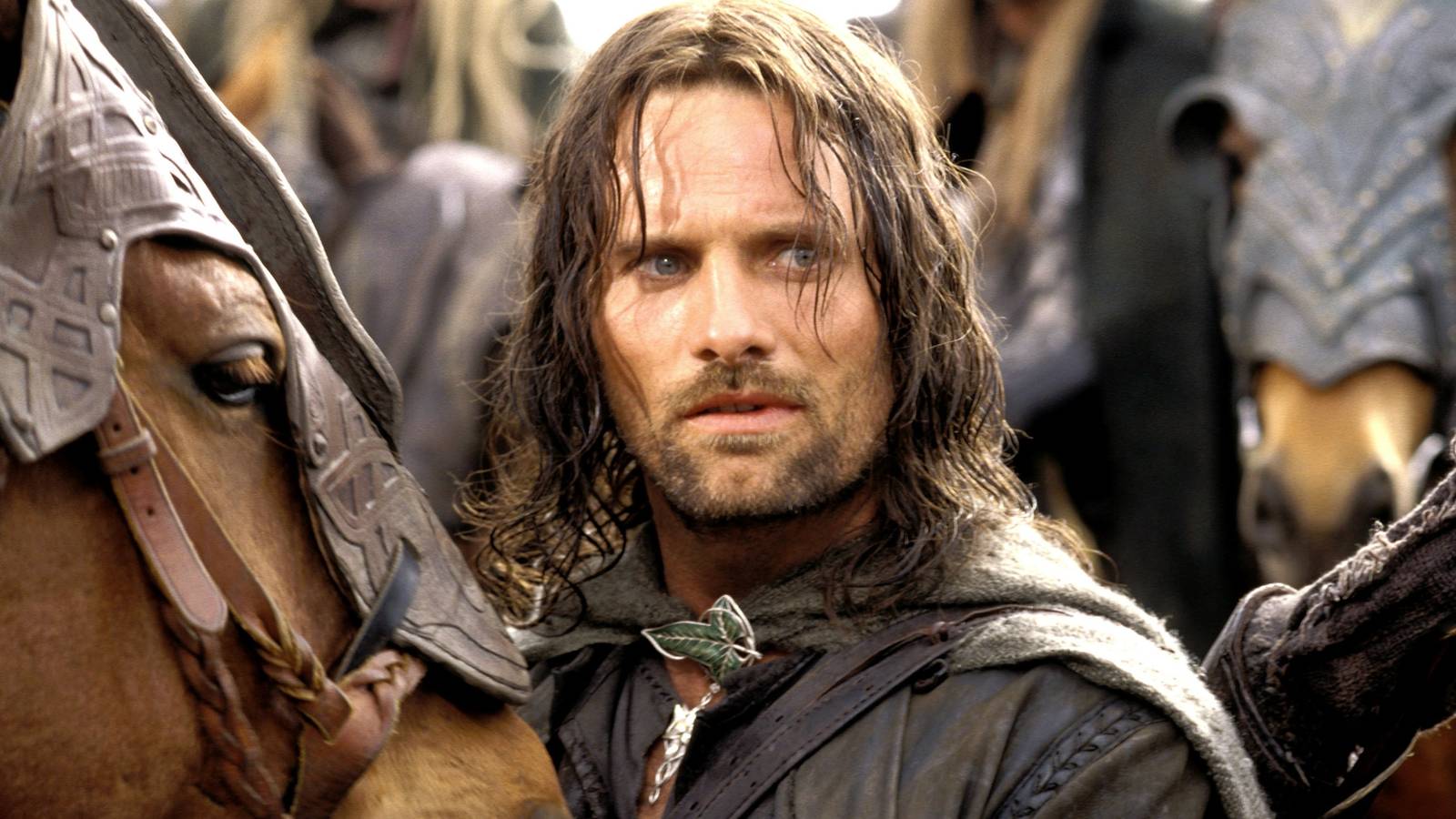
2002: The Lord of the Rings: The Two Towers
If the first film introduced us to Middle-earth, the second taught us the scale of war. The Two Towers is widely considered one of the greatest sequels ever made. It successfully juggled multiple narrative threads while delivering the Battle of Helm’s Deep—a sequence that remains the gold standard for cinematic siege warfare.
2003: The Lord of the Rings: The Return of the King
The conclusion of Peter Jackson’s trilogy wasn’t just a movie; it was a cultural event. With an unprecedented 11-for-11 sweep at the Academy Awards, including Best Picture, it signaled that fantasy had arrived at the apex of critical prestige. It remains the gold standard for epic storytelling.
2004: Shrek 2
Following the massive success of the original, Shrek 2 achieved the rare feat of improving upon the foundation of its predecessor. By sharpening its satirical edge and introducing iconic characters like Puss in Boots, it cemented the franchise as a permanent fixture in modern pop culture.
2005: Harry Potter and the Goblet of Fire
As the franchise matured, so did its stakes. The Goblet of Fire marked a tonal shift toward the dark, visceral, and dangerous. By introducing the Triwizard Tournament, the film successfully raised the threat level of the series, paving the way for the darker installments that would conclude the saga.
2006: Pan’s Labyrinth
Guillermo del Toro’s dark fairy tale remains perhaps the most sophisticated fantasy film of the decade. By juxtaposing the brutal reality of post-Civil War Spain with a terrifying, beautiful underworld, del Toro proved that fantasy could serve as a profound metaphor for the human condition.
2007: Enchanted
Disney’s Enchanted offered a clever meta-commentary on the studio’s own history. Amy Adams’ breakout performance as Giselle, a cartoon princess thrust into the cynical streets of Manhattan, revitalized the musical genre and provided a refreshing, lighthearted counterpoint to the darker fantasy trends of the time.
2008: Ponyo
Returning to the whimsical, Miyazaki’s Ponyo offered a vibrant, child-like wonder that stood in stark contrast to the grim reality of other 2008 releases. Its hand-drawn aesthetic and gentle environmental themes reinforced Studio Ghibli’s reputation as the heartbeat of the genre.
2009: Coraline
Based on Neil Gaiman’s novella, Coraline introduced a generation of viewers to the uncanny. Henry Selick’s stop-motion direction turned a story about a "perfect" alternate world into a haunting, visually stunning exploration of childhood autonomy and the dangers of perfection.
Supporting Data: The Oscar Shift
The 2000s were not merely a time of audience popularity; they represented a fundamental shift in how awards bodies viewed "genre" films. Before 2000, fantasy was rarely recognized in "Best Picture" categories. The success of The Lord of the Rings trilogy (specifically The Return of the King) forced the Academy to acknowledge that world-class production design, screenwriting, and acting could—and should—be found in fantasy cinema. This paved the way for future genre giants like The Shape of Water and Everything Everywhere All at Once to achieve similar acclaim.
Official Perspectives and Critical Reception
Critics at the time often noted a "franchise fatigue" that began to set in toward the end of the decade, yet the enduring legacy of these films proves that quality ultimately overrides quantity. Producers and directors from the era, such as Peter Jackson and Guillermo del Toro, have often spoken in interviews about the "burden of the unknown"—the challenge of convincing studios to invest in high-concept fantasy before the massive success of these specific titles provided the proof of concept.
Industry analysts observe that the 2000s functioned as the "R&D phase" for modern blockbuster filmmaking. Without the technical risks taken by the crews behind Harry Potter and The Lord of the Rings, the current dominance of the Marvel Cinematic Universe or the Avatar franchise would likely not exist in their current form.
The Lasting Implications
The legacy of the 2000s fantasy genre is twofold:
- Technical Standard: The decade solidified the use of motion capture, CGI integration, and high-fidelity practical effects. The "look" of modern fantasy—balanced between digital wonder and tangible detail—was forged in the early 2000s.
- Cultural Normalization: Fantasy is no longer a sub-culture; it is the dominant language of global cinema. The success of these films proved that audiences are hungry for "escapism with substance."
As we analyze the trajectory of cinema, the 2000s serve as the essential pivot point. It was a decade where filmmakers stopped treating fantasy as a children’s diversion and began treating it as a canvas for the most complex human emotions. From the laughter of The Emperor’s New Groove to the haunting finality of The Return of the King, these ten years provided a blueprint for wonder that directors are still following today.


 Pevita Pearce
 Asep Darmawan




