Lina Irawan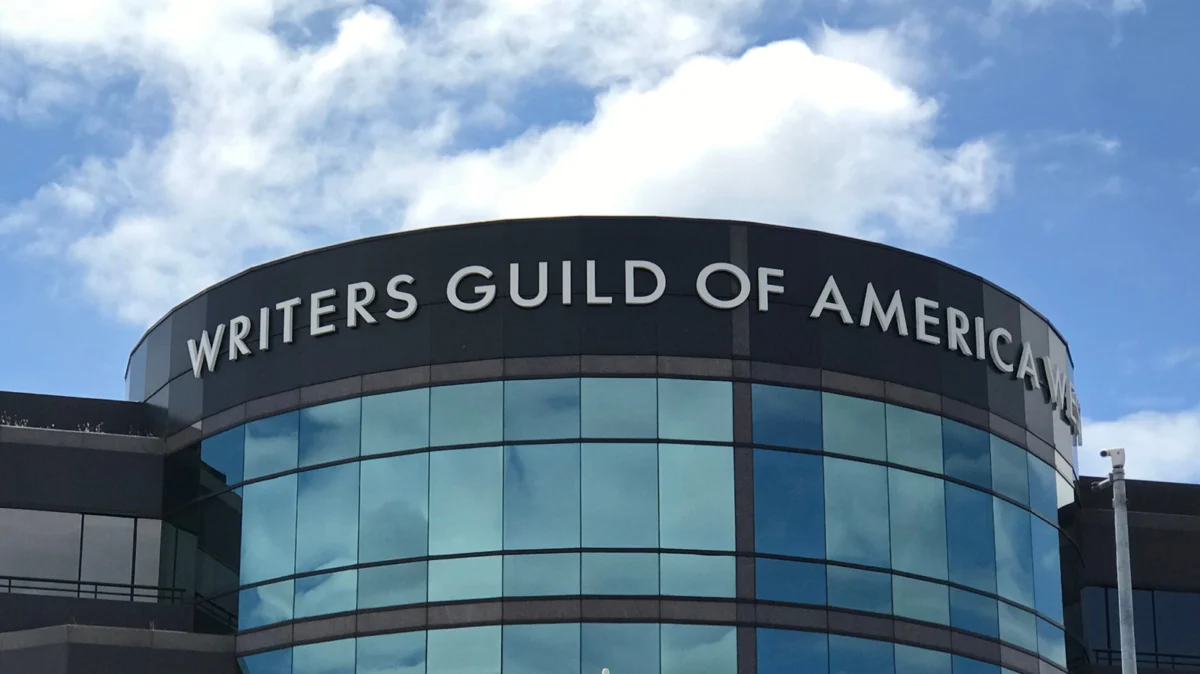
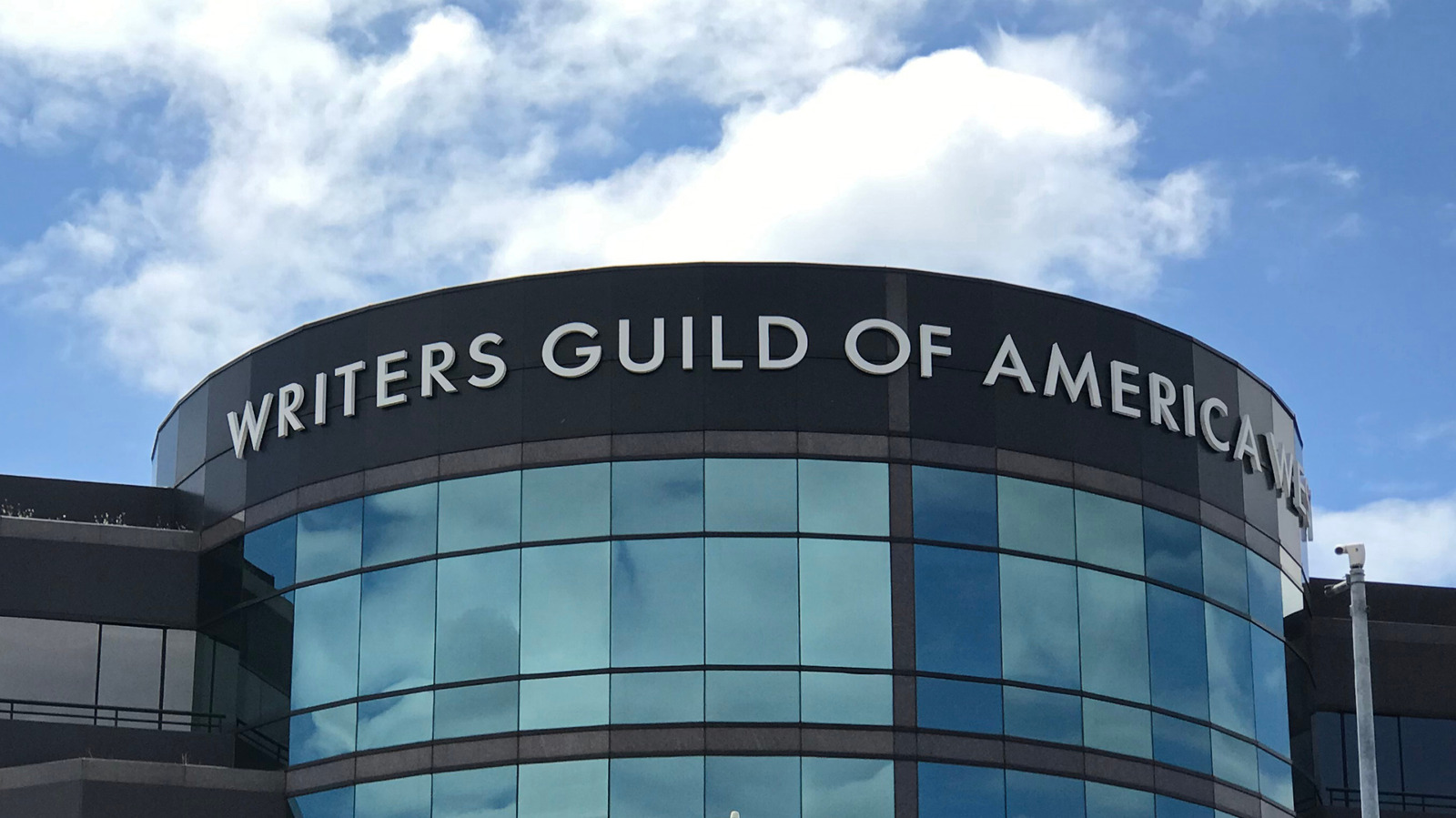
The landscape of American entertainment is teetering on the edge of a historic consolidation, one that has ignited a firestorm of legal opposition. In a landmark move, the Writers Guild of America (WGA) West and East have joined forces to file a sweeping antitrust lawsuit aimed at blocking the $110 billion merger between Paramount and Warner Bros. Discovery (WBD). This legal offensive represents a significant escalation in the battle over media concentration, marking the first time labor unions have aggressively targeted the structural integrity of a major media deal on antitrust grounds.
The core of the dispute rests on a singular, unsettling reality: the consolidation of vast swaths of American entertainment media under the control of a single family—the Ellisons. Critics and industry analysts are sounding the alarm that the deal, which effectively hands the keys to a third of the US entertainment industry to one entity, represents a dangerous departure from competitive market principles.
The Genesis of the Challenge: Main Facts of the Suit
The WGA’s lawsuit is not merely a protest against corporate greed; it is a meticulously crafted legal argument that the merger violates the Sherman Antitrust Act and poses an existential threat to the creative labor market.
At the heart of the complaint is the fear of monopsony—a market condition where there is only one buyer (or very few buyers) for a service. By merging two of the most significant "Big Five" studios, the resulting entity would possess unprecedented leverage over writers, directors, and crew members. The guild contends that the merged entity would have both the incentive and the singular capacity to systematically suppress wages and stifle employment opportunities.
"The merged Paramount-Warner Bros. entity would have both the incentive and the ability to lower costs by suppressing writers’ wages and reducing output," the WGA stated in its filing. The guild argues that when competition is stripped from the buyer side of the labor market, the bargaining power of the individual creator evaporates.
A Timeline of Consolidation: How We Got Here
The path to this legal showdown has been paved by years of aggressive deal-making and shifting corporate priorities. To understand the gravity of the WGA’s suit, one must look at the recent history of these media titans.
The 2022 Precursor: The Discovery-WarnerMedia Merger
The seeds of current skepticism were sown in 2022, when WarnerMedia (then owned by AT&T) merged with Discovery. The deal was promised as a synergistic powerhouse, but the subsequent reality involved mass layoffs, the cancellation of completed projects for tax write-offs, and a significant narrowing of the studio’s creative output. This history serves as the primary evidence in the WGA’s case, demonstrating that "synergy" often serves as a euphemism for workforce reduction and creative austerity.
The 2025 Paramount-Skydance Takeover
Following a protracted period of financial instability and internal boardroom turmoil, Paramount Global entered into a deal with David Ellison’s Skydance Media. This acquisition was not merely a studio transaction; it was a transition of power that cemented the Ellison family’s control over a massive segment of the American cultural consciousness.
The $110 Billion Collision
In June 2025, after a chaotic bidding war that included an aggressive play by Netflix—which attempted to carve out significant portions of the WBD business—the regulatory bodies granted initial approval to the $110 billion merger. The speed and relative ease of that approval surprised many, but the subsequent backlash from both state attorneys general and organized labor suggests that the regulatory appetite for "too big to fail" media conglomerates is rapidly changing.
The Legal and Economic Arguments: Supporting Data
The WGA’s lawsuit is supported by economic theories that suggest that when media markets consolidate, the "middle class" of creators is the first to suffer. The guild points to the following points of contention:
1. The Suppression of Originality
The suit asserts that reduced competition leads to "creative homogenization." When a single entity controls a significant portion of the production pipeline, the incentive to greenlight "risky" or "original" projects—which are the lifeblood of cultural progress—drops significantly. Instead, the conglomerate converges on the "lowest-risk projects," such as endless sequels, IP-driven reboots, and franchise extensions, which require less creative development and offer safer, predictable returns.
2. Labor Market Concentration
Data presented by the WGA highlights that the reduction of independent buyers in the studio system directly correlates to a decrease in competitive bidding for scripts. When two major bidders become one, the "price" of labor (writer compensation) is no longer determined by market demand but by the unilateral policy of the conglomerate.
3. State-Level Opposition
The WGA is not acting in a vacuum. A coalition of 12 state attorneys general has filed a separate, parallel antitrust case. These officials argue that the merger creates a regional and national monopoly that harms consumers, specifically citing the potential for price hikes in streaming services and the erosion of local news and public interest programming that these entities historically managed.
Official Responses and Corporate Strategy
The response from the corporate side has been one of practiced confidence, though the mounting pressure is clearly being felt.
Paramount and Skydance representatives have consistently maintained that the merger is essential for competing in a world dominated by tech giants like Amazon, Apple, and Google. "Our goal is to build a robust, future-proof media company that can sustain the high-quality storytelling audiences expect," a spokesperson noted shortly after the merger’s initial approval. They argue that the industry is not shrinking, but rather evolving, and that scale is the only way to remain relevant against Silicon Valley’s streaming juggernauts.
However, the WGA’s filing effectively turns this argument on its head. The guild suggests that "scale" is being pursued at the expense of the very people who produce the content. If the merger is built on the backs of suppressed wages, the "future-proof" company may find itself without the creative talent necessary to produce the very content that makes the company valuable.
Implications: The Future of the Industry
If the WGA and the state attorneys general succeed in blocking the merger, it would signal a watershed moment in US antitrust law, akin to the breakup of the old Hollywood studio system in the 1940s.
The Potential for Regulatory Overhaul
Should the court rule in favor of the WGA, it would set a precedent that labor unions have a seat at the table when evaluating the economic impact of mega-mergers. It would suggest that the "public interest" includes the health of the labor market for creators, not just the price of consumer services.
The "Netflix Factor"
The lawsuit also highlights the ongoing tension between traditional studios and the tech-native streaming giants. By blocking a merger designed to "compete" with Netflix, the court may inadvertently force a new model of cooperation or perhaps invite further scrutiny of the tech companies themselves. If traditional studios are prevented from merging, the industry may see a rise in independent production houses, which could lead to a more fragmented, yet arguably more creative, ecosystem.
A Test of Democracy
At a broader level, the concern regarding the Ellison family’s control over a third of the nation’s entertainment media touches on the role of media in a democracy. Entertainment is the primary vehicle for cultural messaging in the United States. The concentration of this power into the hands of a single family raises fundamental questions about bias, perspective, and the diversity of narratives presented to the American public.
Conclusion: A Fight for the Soul of Hollywood
The lawsuit filed by the Writers Guild of America is more than a dispute over contracts or corporate restructuring; it is a fight for the soul of the creative industry. By challenging the Paramount-Warner Bros. Discovery merger, the WGA is forcing a national conversation about the cost of consolidation.
As the legal proceedings unfold, the entertainment industry—and the public at large—will be watching closely. Whether the courts uphold the principles of market competition and labor protection or allow the march toward total consolidation to continue will define the next generation of American media. One thing is certain: the era of unchecked media mergers is being met with a level of resistance that the industry has not seen in decades. The outcome of this case will echo through the halls of every studio lot, affecting not only the wages of the writers but the very nature of the stories we see on our screens.


 Jia Lissa
 Nana Wu