

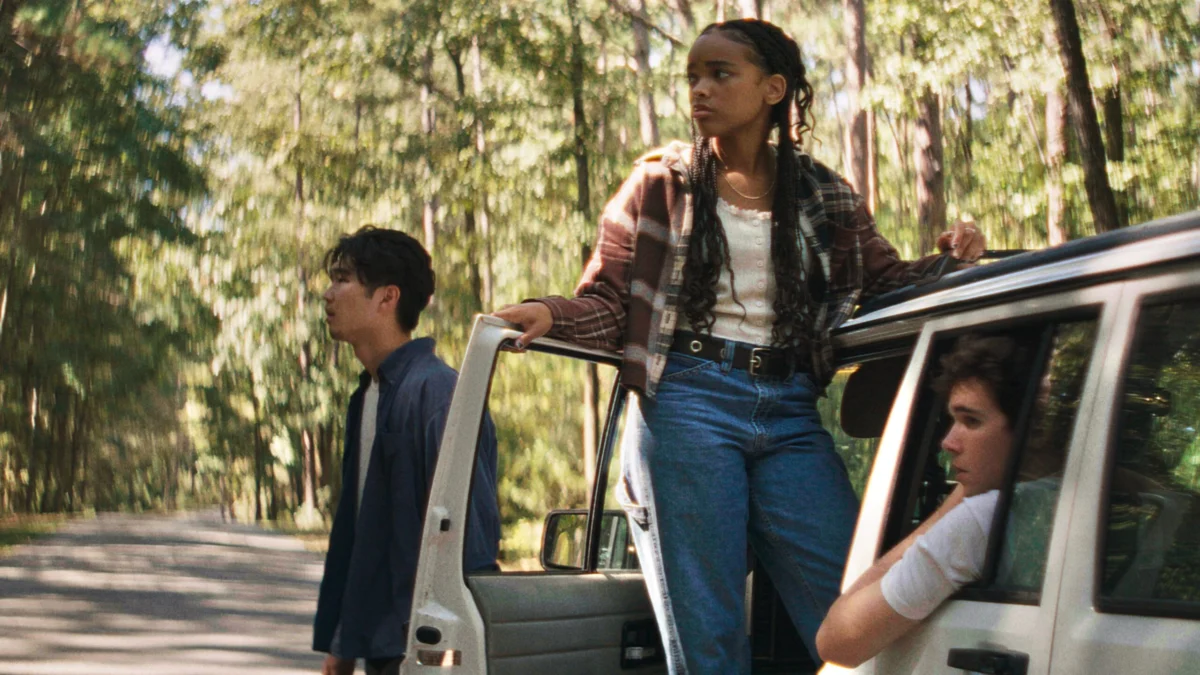
As the summer heat intensifies, New York City’s most beloved cinematic tradition is cooling down the concrete jungle with a fresh infusion of culture. Rooftop Films, the non-profit organization synonymous with transforming the city’s public spaces into vibrant, open-air theaters, has announced a major expansion to its 2026 summer programming. This latest slate of screenings—ranging from high-concept existential horror and groundbreaking documentaries to nostalgic family favorites—solidifies the organization’s role as a vital pillar of NYC’s community engagement and arts scene.
By bridging the gap between independent filmmakers and the city’s diverse neighborhoods, Rooftop Films continues to offer more than just a movie; they offer a shared urban experience. Whether it is a world premiere on a grassy hill in Central Park or a tense horror screening on a Lower East Side rooftop, the 2026 series is designed to activate the five boroughs, proving that New York City remains the undisputed capital of independent cinema.
The Evolution of the 2026 Slate
The newly announced programming is a testament to the diversity of modern storytelling. The series is carefully curated to balance the avant-garde with the communal. From the existential dread explored in Alex Ullom’s debut It Ends to the rhythmic, sociological deep dive of Disco’s Revenge, the lineup reflects the current zeitgeist of independent film.
"Our goal has always been to bring cinema to the people, rather than expecting the people to seek out the cinema," says an organization spokesperson. This year’s expansion is particularly notable for its strategic partnerships. By collaborating with institutions like the North Brooklyn Parks Alliance, the Prospect Park Alliance, and the Fort Greene Park Conservancy, Rooftop Films has ensured that these events reach far beyond the standard festival circuit, embedding themselves into the literal landscape of the city’s public life.
Chronology of Screenings: A Summer of Cinema
For those planning their summer around these outdoor experiences, the following schedule outlines the major events in the extended program:
- July 19: The People’s Final: World Cup Watch Party (Governors Island)
- July 23: The Oldest Person in the World (Green-Wood Cemetery)
- July 25: Disco’s Revenge (Brower Park)
- July 29: Wild Inside (Central Park, Great Hill)
- August 4: Cookie Queens (Msgr. McGolrick Park)
- August 5: Shrek 2 (Prospect Park)
- August 8: Sour Minnows (The Old American Can Factory)
- August 12: Akeelah and the Bee (Prospect Park)
- August 14: It Ends (New Design High School)
- August 17: Dangerous Docs: States of Emergency (Gansevoort Plaza)
- August 26: Space Jam (Fort Greene Park)
- September 3: Mad Hot Ballroom (Snug Harbor Cultural Center)
- September 9: The Namesake (Fort Greene Park)
- September 12: Newlyweeds (Brower Park)
- September 18: Gorilla Gorilla (New Design High School)
Supporting Data and Highlights
The depth of this year’s programming is supported by a robust selection of films that challenge traditional narratives. The inclusion of The Oldest Person in the World on July 23 at the historic Green-Wood Cemetery represents a unique intersection of history and modern documentary craft. Filmmaker Sam Green’s examination of supercentenarians, paired with a post-screening discussion led by WIRED features director Reyhan Harmanci, promises to be one of the most intellectually stimulating events of the summer.

Similarly, the world premiere of Penny Lane’s Wild Inside on July 29 at Central Park’s Great Hill offers a local connection that resonates deeply with New Yorkers. The film, which chronicles the journey of Flaco the Eurasian Eagle-Owl, turns a recent city news sensation into a profound meditation on captivity and liberation.
The "Summer Movies in the Park" series, presented in partnership with NewYork-Presbyterian, provides a family-friendly anchor to the season. By selecting milestone anniversaries—such as the 30th anniversary of Space Jam and the 20th anniversary of Akeelah and the Bee—the organizers are fostering a multi-generational audience, inviting parents who grew up with these films to share them with their children in the very parks where they played as youths.
Official Responses and Community Impact
Beyond the screen, Rooftop Films maintains a significant economic and social footprint. The organization is not merely a curator; it is a catalyst for the industry. Through their longstanding Filmmakers Fund, they provide crucial grants to alumni, and their low-cost equipment rental program continues to lower the barrier to entry for local artists who might otherwise be priced out of the industry.
"It is about sustainability," says an industry analyst. "By providing the infrastructure—the projectors, the screens, the legal guidance, and the funding—Rooftop Films ensures that the next generation of NYC directors doesn’t just exist; they thrive."
The collaboration with City Council Members—including Gale A. Brewer, Lincoln Restler, and Chi Ossé—underscores the municipal support for this endeavor. These screenings are often free with an RSVP, a vital component of the program’s success in fostering equitable access to culture in neighborhoods that are frequently underserved by traditional high-end cinema chains.
Implications for the Future of Independent Film
The expansion of the 2026 series suggests a shift in how audiences consume media. As streaming platforms become more ubiquitous, the desire for "event cinema"—the act of gathering, being outdoors, and sharing a collective emotional response—is growing. Rooftop Films has successfully tapped into this human need, proving that in a digital age, the most valuable seat in the house is on a folding chair on a school roof or a blanket on the Great Hill.

Furthermore, the programming of films like Newlyweeds and Gorilla Gorilla signals a commitment to supporting the "sophomore slump" and the "debut feature"—the most precarious stages of a filmmaker’s career. By giving these films a platform, Rooftop Films is helping to build the careers of the next generation of auteurs.
How to Participate
For those looking to secure their spot at these events, the official Rooftop Films website is the primary hub for RSVPs and ticket information. Because these screenings are free and open to the public, demand is historically high. The organization encourages attendees to RSVP well in advance.
Additionally, for those who wish to support the mission year-round, memberships are available. These memberships not only provide first-access to tickets and exclusive discounts but also contribute directly to the Filmmakers Fund, ensuring that the lights continue to stay on, the projectors keep rolling, and the stories of New York—and the world—continue to be told under the night sky.
As the 2026 season reaches its crescendo in mid-September, it is clear that Rooftop Films has once again succeeded in its mission: to prove that cinema is not just a commercial product, but a public good. Whether you are a horror aficionado, a documentary enthusiast, or a family looking for a classic movie night, the summer of 2026 is, without a doubt, the summer of the rooftop.










