

In the modern era of rapid technological turnover and fleeting corporate trends, the existence of a company that has stood for over 1,400 years seems almost paradoxical. Yet, in the historic city of Sakai, located just a stone’s throw from Osaka’s Kansai International Airport, stands the headquarters of a firm founded in 578 AD—the oldest continuously operating company in the world.
For those seeking to understand the intersection of deep history, corporate resilience, and the pinnacle of traditional Japanese craftsmanship, a newly launched factory tour at this venerable institution offers an unprecedented window into the past. This program is not merely a sightseeing excursion; it is a masterclass in architectural wisdom, designed for corporate training, educational institutions, and international visitors eager to grasp the essence of Japanese heritage.
The Legacy of Kongo Gumi: A Historical Overview
The company’s story is inextricably linked to the birth of Japanese Buddhism. Founded in 578 AD, its origins trace back to skilled artisans invited from the ancient Korean kingdom of Baekje by Prince Shotoku, a seminal figure in Japanese history. These craftsmen were tasked with a monumental project: the construction of Shitennoji, one of Japan’s oldest Buddhist temples.
For fourteen centuries, this lineage of master carpenters has remained the backbone of Japan’s sacred architecture. From the soaring eaves of ancient pagodas to the intricate joinery of Shinto shrines, the company has played an indispensable role in preserving the spiritual and cultural landscape of the nation. To walk through their production center today is to trace the evolution of the very tools and techniques that have defined Japanese aesthetics since the Asuka period.
Resilience Through the Ages: A Chronology of Survival
The longevity of this organization is not the result of static preservation, but of constant, often painful, adaptation. Throughout its 1,400-year history, the firm has weathered the storm of countless crises.
The Crucible of History
- Feudal Turmoil: During the eras of civil war, the company survived by shifting its focus to the repair and fortification of castles and domestic architecture when temple construction waned.
- The Showa Era Transformation: Perhaps the most precarious period in the company’s recent history occurred during the 20th century. Facing severe financial strain and the devastating impact of World War II, the firm stood on the precipice of collapse.
- The Turning Point: A pivotal moment arrived with the bold decision to appoint the company’s first female master carpenter (toryo). This leadership shift, combined with the integration of modern management foundations alongside traditional building methods, allowed the company to survive the postwar economic shifts that claimed many of its contemporaries.
These stories of survival—of what was protected and what was sacrificed—are now being shared through exclusive, insider-led lectures, providing a raw, unfiltered look at the reality of corporate longevity.
The Anatomy of the Factory Tour
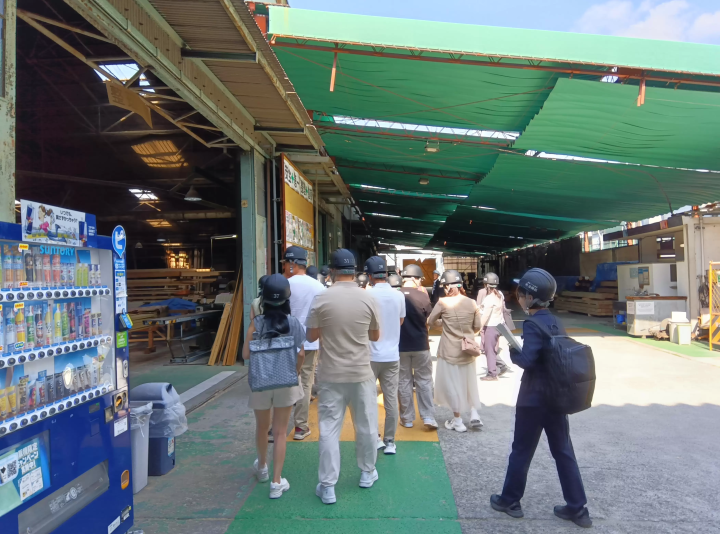
The tour is a meticulously curated experience that blends sensory immersion with intellectual engagement. The program typically spans 2 to 2.5 hours and is structured to provide a comprehensive look at the "hidden" side of construction.
1. The Production Center
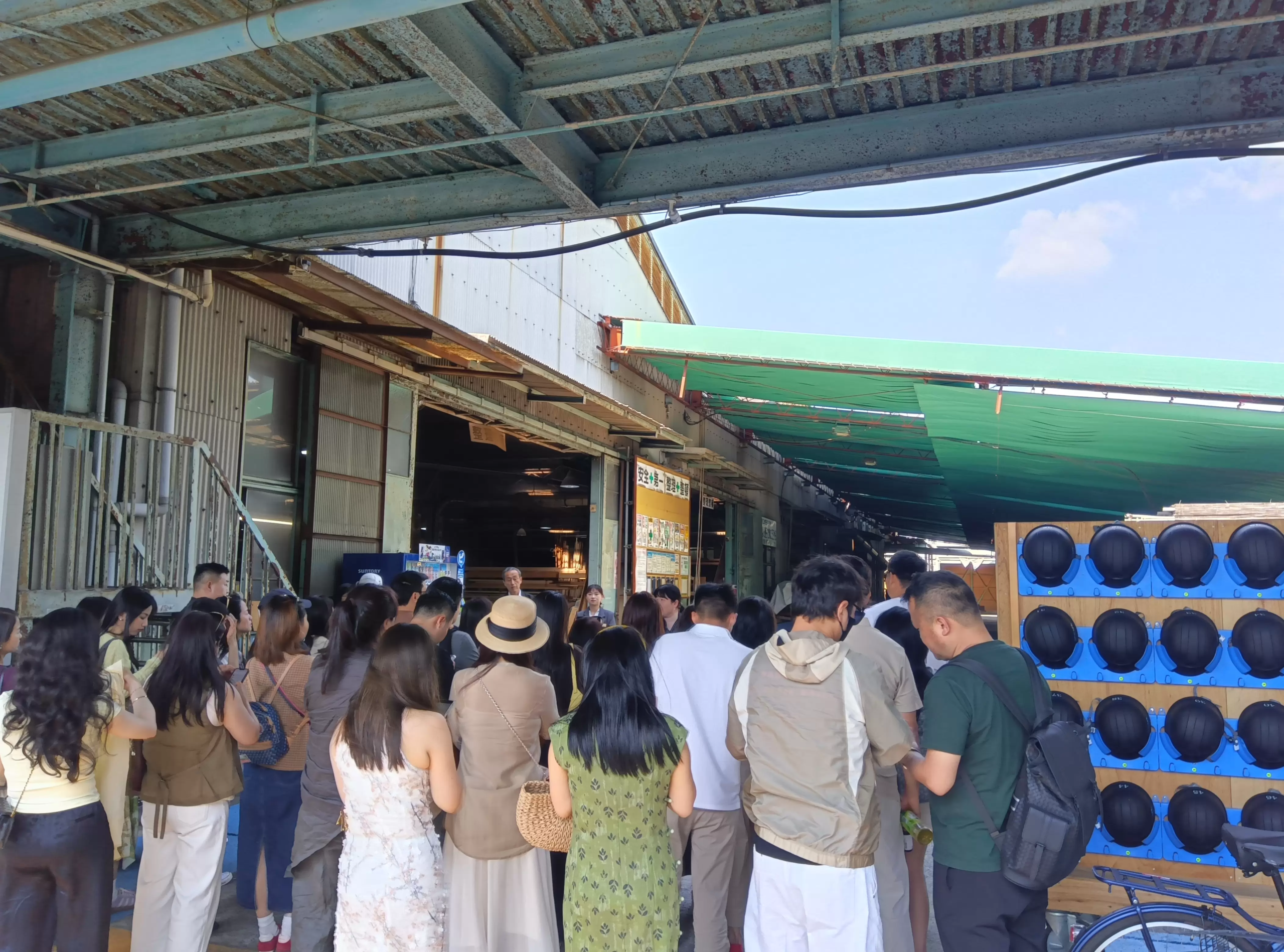
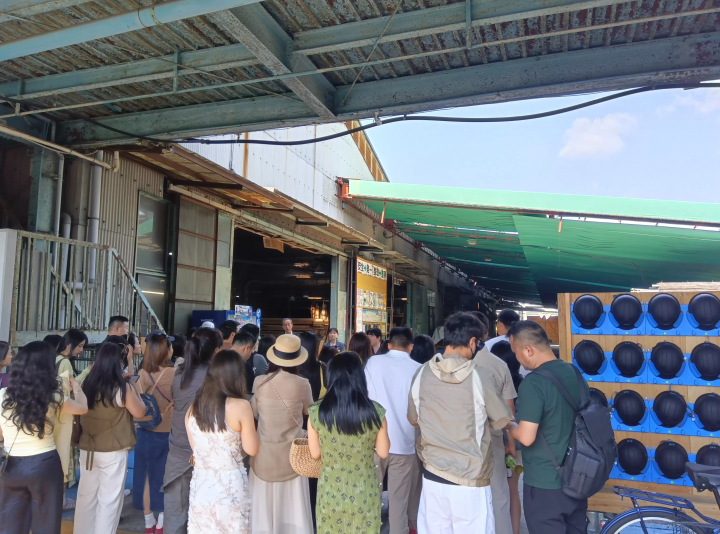
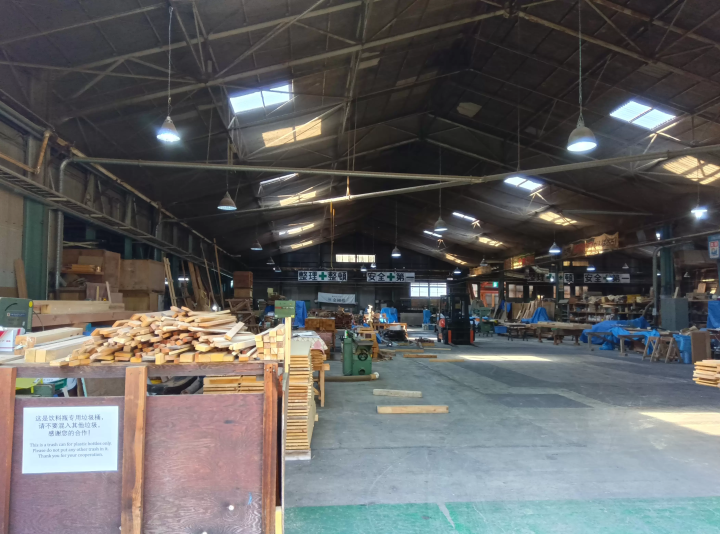
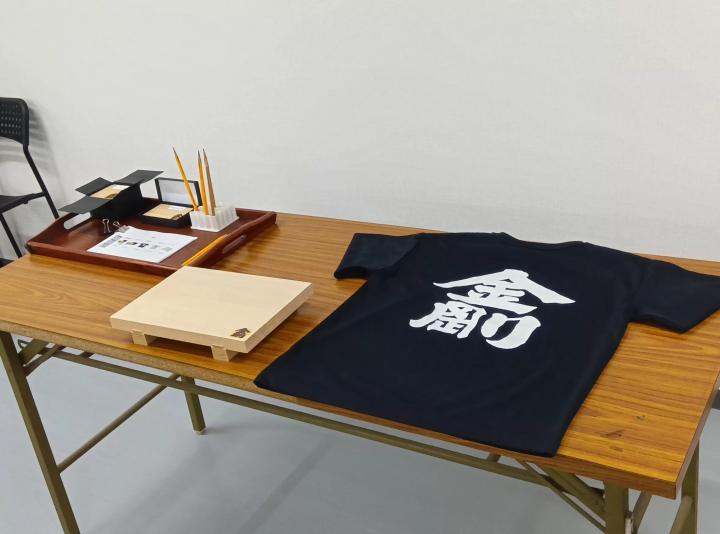
Upon entering the workshop, visitors are greeted not by the sterile hum of machinery, but by the warm, distinct aroma of hinoki (Japanese cypress). The workspace is a testament to the "5S" methodology taken to its extreme; the organization and cleanliness of the floor reflect the discipline of the craft. Here, participants witness the raw timber that will eventually become the pillars of future national treasures.
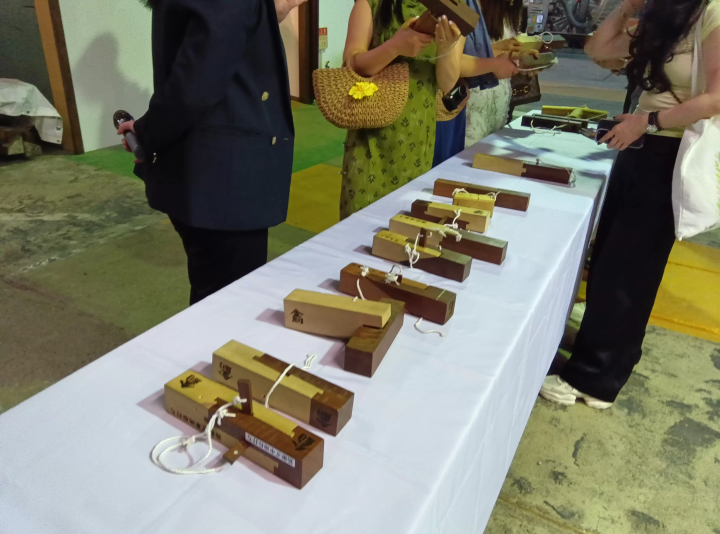
2. The Art of the Joint: Engineering Without Nails
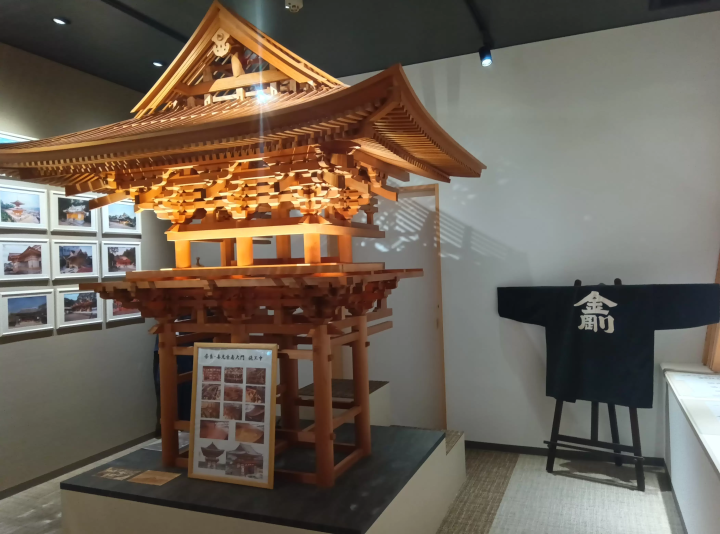
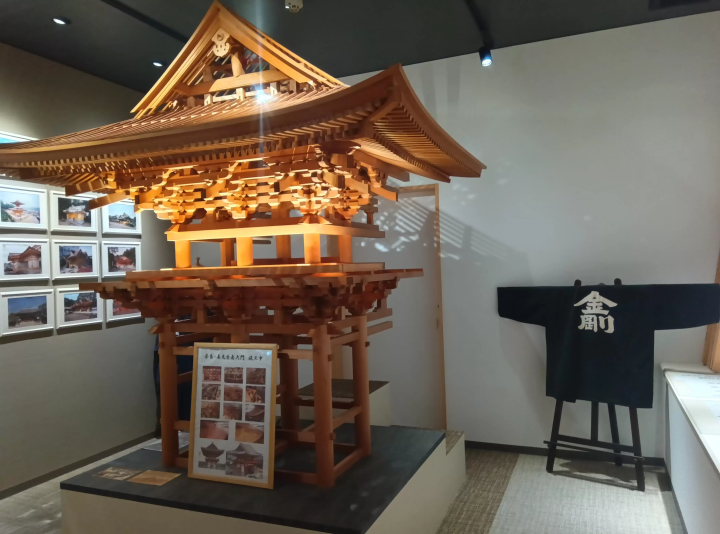
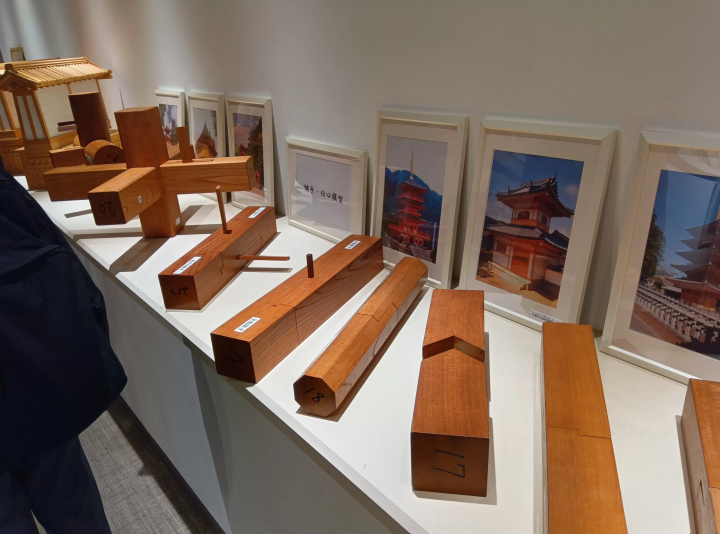
One of the most profound realizations for visitors is the Japanese mastery of interlocking wood. The company’s architecture eschews the use of nails, relying instead on complex, precision-engineered joints. This technique allows wooden structures to "breathe" and shift, granting them the flexibility required to withstand Japan’s frequent seismic activity.
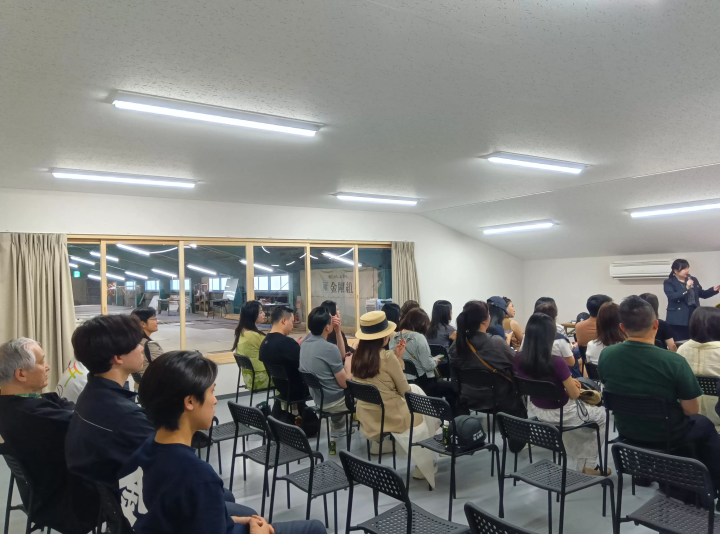
3. Hands-On Engagement
The tour moves beyond observation with an interactive session. Participants are invited to handle traditional wood-planing tools and attempt to assemble scale-model joints. These moments of levity—often punctuated by the frustrated laughter of participants realizing the immense skill required to fit pieces together—serve to bridge the gap between the observer and the craftsman.
Supporting Data: The Craftsmanship Ecosystem
The vitality of the company is sustained by the Takumi-kai, a dedicated group of master temple carpenters. This guild-like structure ensures that skills are not merely written down in manuals but are transferred through mentorship.
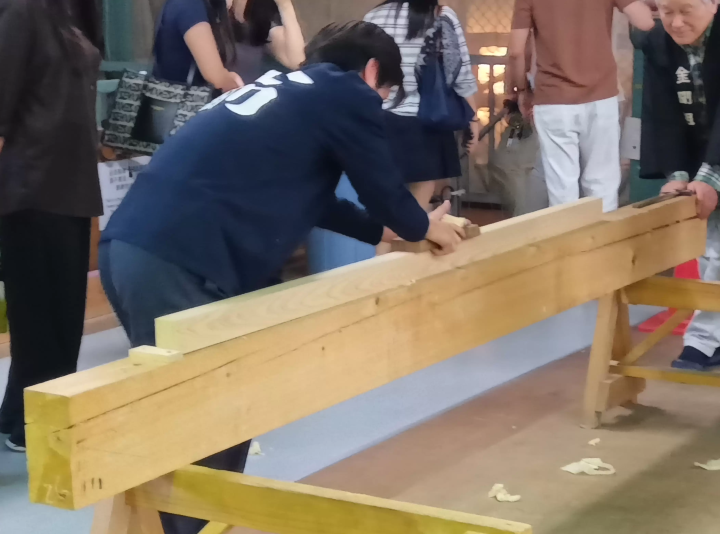
- Human Capital: The company places an overwhelming emphasis on the development of apprentices. A toryo (master carpenter) leading a site often possesses upwards of 60 years of hands-on experience.
- Operational Precision: Every piece of wood is treated with reverence. The drying process, which can take years, is a critical component of ensuring that the final structure will stand for another millennium.
- Economic Impact: The tour highlights the shift toward "industrial tourism," where the company opens its doors to convey the value of quality over quantity. By offering professional insights into their business model, they provide a blueprint for modern corporations looking to cultivate long-term employee loyalty and craftsmanship.
Official Perspectives: The Philosophy of "Invisible Quality"
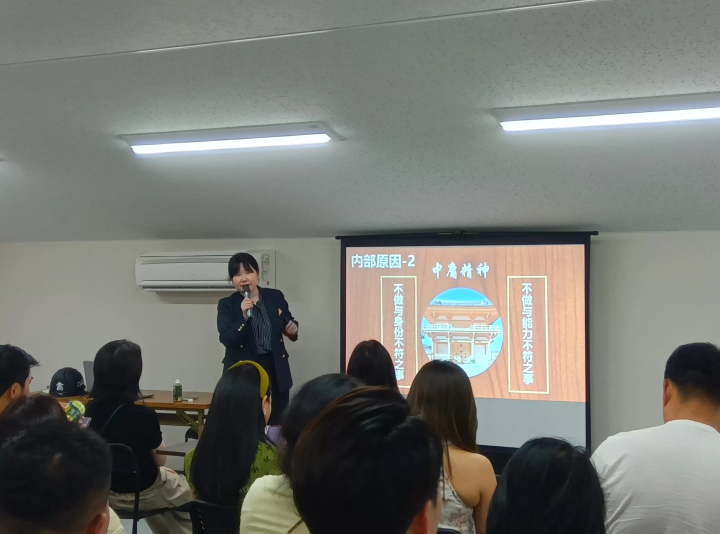
During the seminar portion of the tour, company representatives emphasize a core philosophy: "Never cut corners, especially where it cannot be seen."

This ethos, common in high-end Japanese craftsmanship, posits that the structural integrity of a temple is not defined by its aesthetic beauty, but by the hidden joints and the quality of the timber buried within the frame. This commitment to the "unseen" is perhaps the most significant lesson for corporate visitors. It is a philosophy of integrity that has allowed the brand to maintain its reputation across fifteen centuries.
Implications: A Model for the Future
Why does a 1,400-year-old company matter in the age of AI and automation? The answer lies in the sustainability of their model. As global industries struggle with the "short-termism" of quarterly financial reporting, the story of this Sakai-based firm serves as a compelling case study in long-term stewardship.
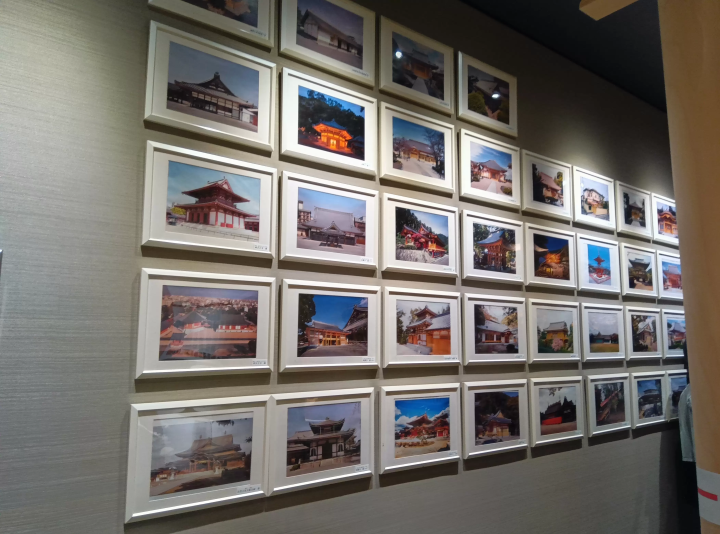
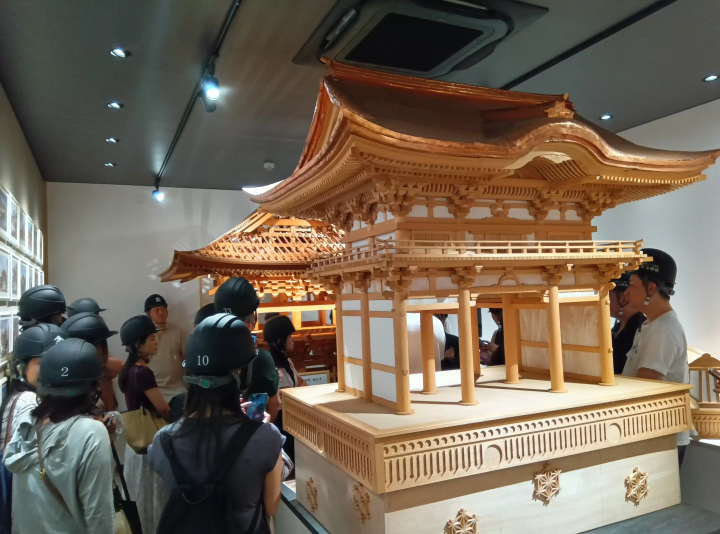
For the international visitor, the tour offers more than just photos of wood shavings or temple models; it offers a deeper understanding of the Japanese psyche. It illustrates a society that values the continuity of the spirit through the medium of physical objects.
Tour Details for Prospective Visitors
- Duration: 2 to 2.5 hours.
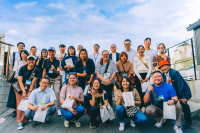
- Pricing: Up to 10 participants: ¥195,000 (flat rate); 11+ participants: ¥19,500 per person.
- Booking: Reservations must be made at least two weeks in advance.
- Accessibility: Inquiries are accepted in Japanese, English, and Chinese.
Final Thoughts
The secrets of the world’s oldest company are not kept in a vault; they are etched into the grain of the hinoki cypress and carried in the hands of the masters who plane it. To visit this factory is to witness a living history that defies the passage of time. Whether you are an executive looking for lessons in legacy-building or a traveler seeking the heart of Japanese culture, this experience in Sakai is an essential journey into the past, present, and future of craftsmanship.

For those interested in booking, please submit your inquiry through the official industrial tourism portal and prepare to step into a world where 1,400 years is only the beginning.











