

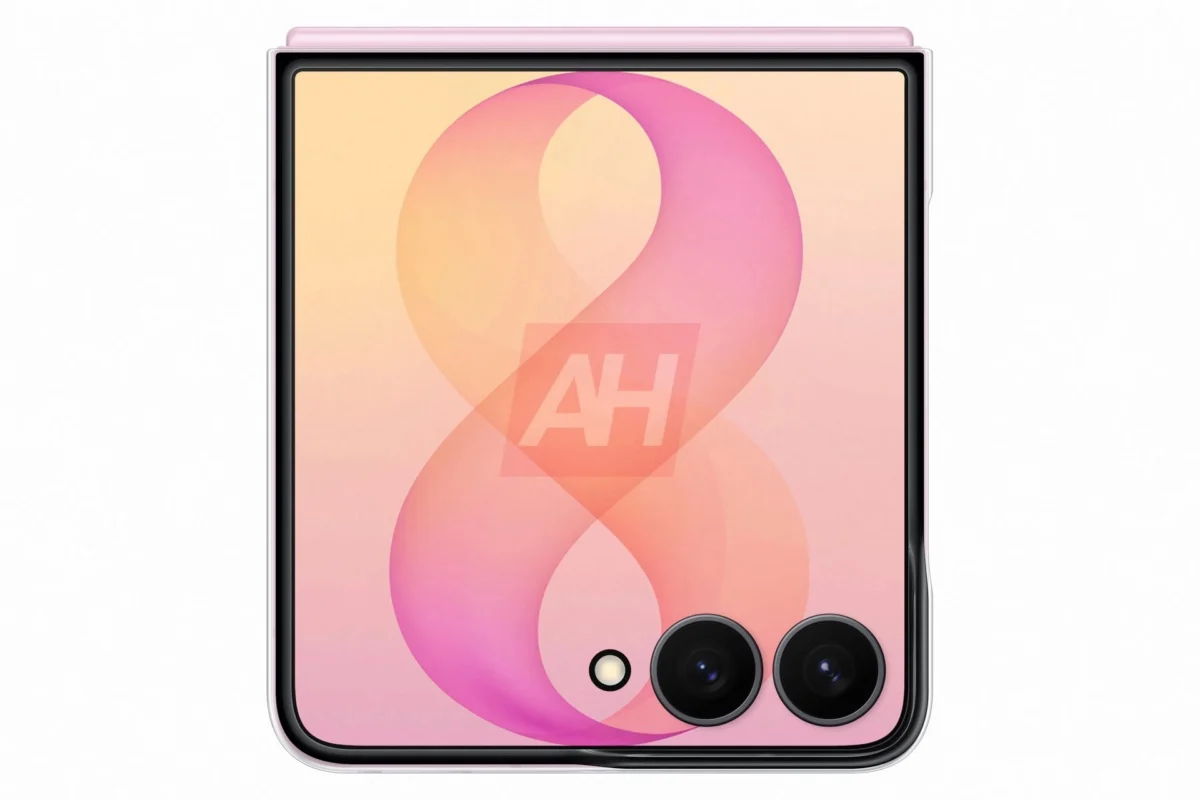
As the smartphone industry approaches the mid-year mark of 2026, all eyes are turning toward Samsung’s upcoming "Unpacked" event scheduled for July 22. While the tech giant is expected to pull back the curtain on a suite of new hardware, the focus—and the controversy—is centering on the Galaxy Z Flip 8. Recent reports suggest that Samsung is planning a significant price hike for its next-generation foldable, a move that is baffling analysts and consumers alike, given that the device appears to offer little more than a modest internal refresh.
For a product line that has historically relied on the "wow factor" of its folding form factor to justify its premium price tag, the Z Flip 8 may be the first iteration to face a severe backlash from a market that is becoming increasingly value-conscious.
The Core Facts: A Costly Plateau
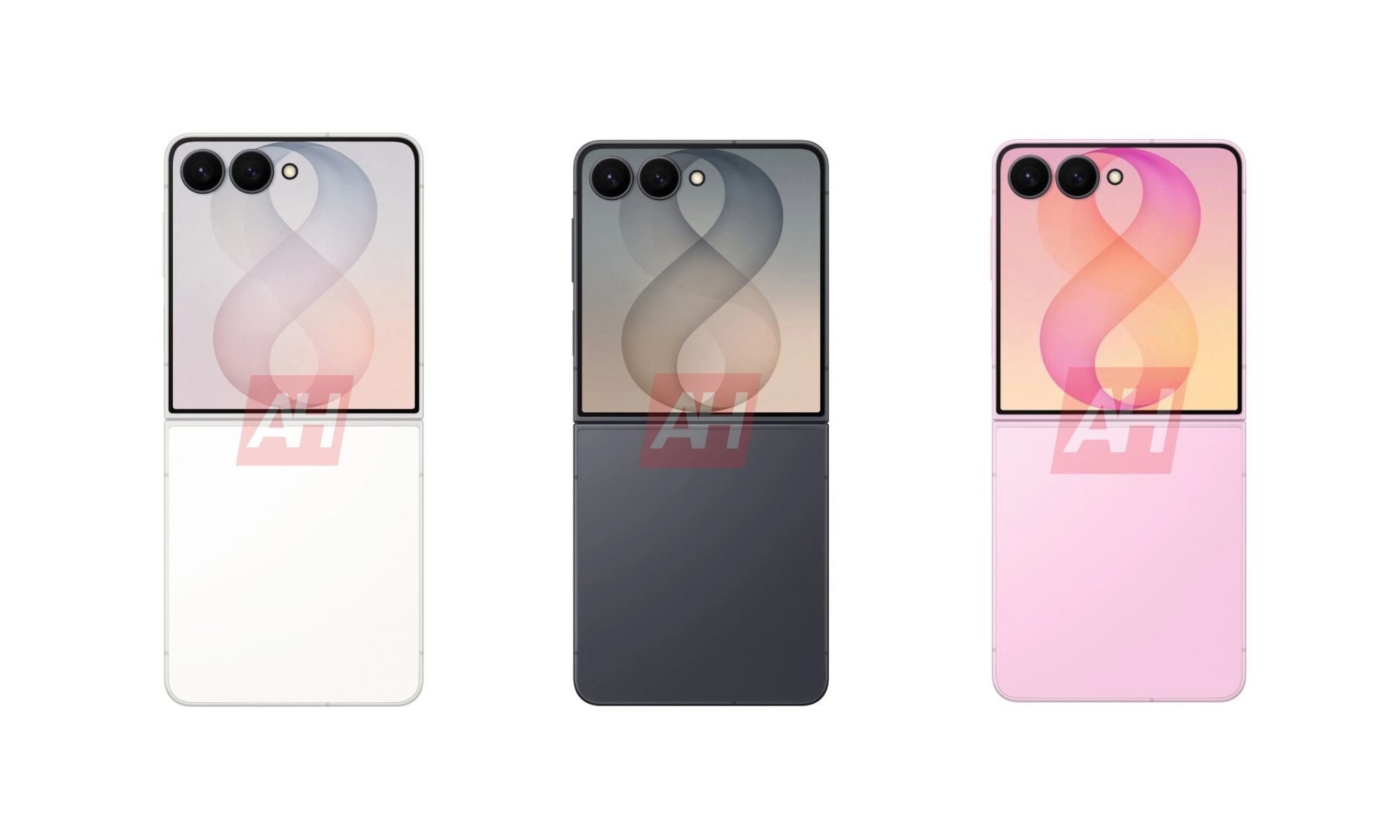
The primary concern surrounding the Galaxy Z Flip 8 is the disparity between its projected retail price and its tangible hardware upgrades. According to insights shared by industry leaker Roland Quandt, the Z Flip 8 will be virtually indistinguishable from its predecessor, the Galaxy Z Flip 7.
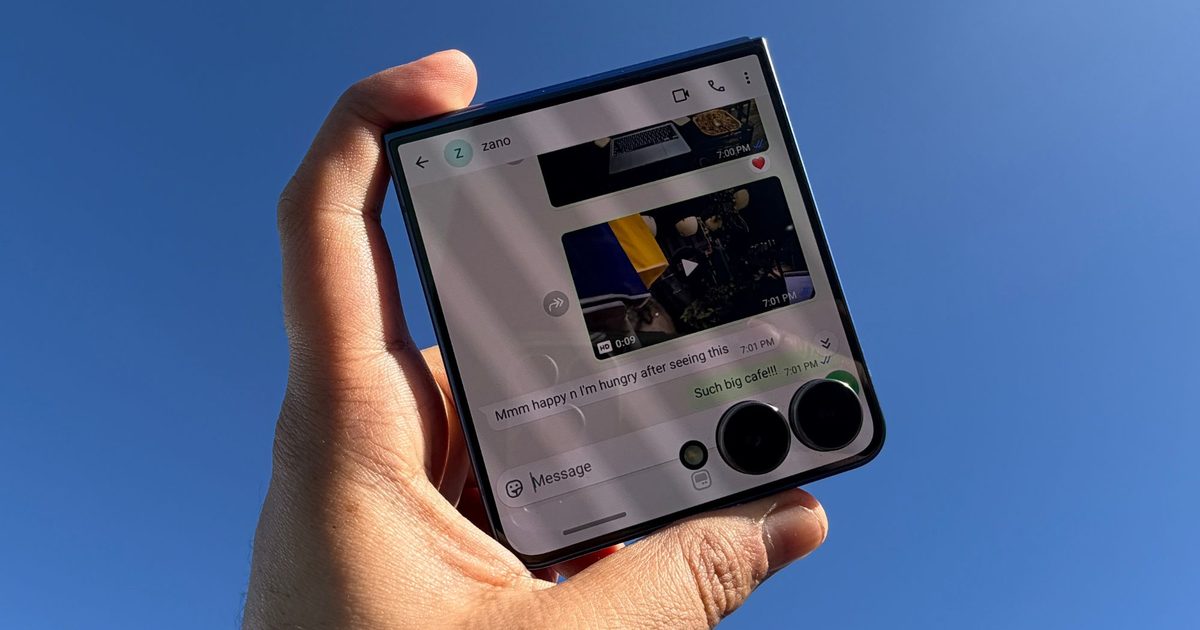
This lack of evolution is underscored by a sobering pricing report originating from South Korea. The device is rumored to carry a price tag of 1,683,000 won—an increase of approximately 198,000 won, or roughly $130 USD, over the launch price of the previous model. For a consumer base that has grown accustomed to iterative updates, a price increase of this magnitude typically necessitates a major leap in display technology, camera sensors, or battery longevity. If current leaks hold true, the Z Flip 8 delivers none of these, opting instead to recycle the design language and hardware architecture of the past two years.
Chronology of a Controversial Development
To understand how we arrived at this impasse, one must look at the recent trajectory of the Galaxy Z Flip series:
- Mid-2024 (The Foundation): The Galaxy Z Flip 6 established the current camera array—a 50MP main sensor paired with a 12MP ultrawide lens. It set the standard for the 4,300mAh battery and 25W charging, which have become the "plateau" specs for the series.
- Early 2025 (The Refinement): The Galaxy Z Flip 7 arrived to critical acclaim, focusing on software optimization and minor tweaks to the cover screen utility. It was widely praised for its "fun" factor, but the lack of major hardware breakthroughs began to signal a shift in R&D focus toward the company’s "Fold" and "Ultra" lines.
- Spring 2026 (The Rumor Mill): Whispers began to circulate that Samsung was prioritizing the development of the "Galaxy Z Fold 8 Ultra," essentially sidelining the Flip series in terms of engineering resources.
- July 2026 (The Impending Launch): As we stand on the precipice of the July 22 Unpacked event, the narrative has shifted from excitement to skepticism. The consensus among analysts is that the Flip 8 is being positioned as a "filler" device while the company focuses its innovation budget elsewhere.
Supporting Data: Under the Hood
The "upgrade" list for the Z Flip 8 is remarkably short. The primary change is the inclusion of the Exynos 2600 processor, though some markets—likely North America—will receive the Qualcomm Snapdragon 8 Elite Gen 5. While the shift to the 8 Elite Gen 5 is technically an upgrade in raw computational power and efficiency, it is an industry-standard progression rather than a transformative feature.
Hardware Specifications Comparison (Projected)
| Feature | Galaxy Z Flip 7 | Galaxy Z Flip 8 |
|---|---|---|
| Display | 6.9-inch 120Hz | 6.9-inch 120Hz |
| Cover Screen | 4.1-inch | 4.1-inch |
| Main Camera | 50MP | 50MP |
| Battery | 4,300mAh | 4,300mAh |
| Charging | 25W | 25W |
| Weight | 188g | 180g |
As the table illustrates, the hardware is essentially stagnant. The only notable "win" for the new model is a reduction in weight to 180 grams and a slimmer chassis measuring 6.1mm when unfolded. While a lighter, more ergonomic phone is always welcome, it is a difficult sell when paired with a triple-digit price hike.
Official Responses and Corporate Strategy
Samsung has remained characteristically silent regarding these leaks, a standard policy for the company ahead of its Unpacked events. However, internal industry rumblings suggest that Samsung is under immense pressure to increase profit margins on its foldable division.
The strategy appears to be a calculated gamble: betting that the brand loyalty of the "Flip" user base is strong enough to withstand a price increase, or that the "slim" redesign will be perceived as a premium enough aesthetic shift to justify the extra cost. By diversifying the chipsets (the aforementioned Exynos/Snapdragon split), Samsung is also likely attempting to mitigate rising component costs, though this rarely translates to savings for the end consumer.
Market Implications: The Danger of Self-Cannibalization
The implications of this strategy are twofold. First, it leaves the Z Flip 8 incredibly vulnerable to internal competition. Once the new device is released, the Z Flip 7 will inevitably see significant retail discounts. If the Flip 8 offers no substantial feature improvements, a savvy consumer will opt for the discounted, functionally identical Flip 7. This creates a scenario where Samsung effectively cannibalizes its own new launch sales.
Second, this move signals a broader trend in the foldable market: maturation. For years, foldables were "bleeding-edge" technology. Now that the hardware is stable, companies are struggling to find ways to innovate without significantly raising prices. If Samsung insists on raising prices while the hardware remains stagnant, they risk turning the Z Flip from a "must-have" gadget into a luxury item for a shrinking niche, opening the door for competitors to capture the mid-range market with more aggressive, feature-rich offerings.
A Broader Context: The Changing Landscape
It is worth noting that the Z Flip 8 is launching into a landscape of significant change. As reported elsewhere, the Android ecosystem is undergoing a massive transformation, with Google Play opening its doors to third-party app stores on the very same day as the Unpacked event.

Furthermore, users are becoming increasingly wary of how their data is used, as seen in the recent controversy regarding Samsung Health’s AI training data. In this climate, a phone that costs more but delivers less is not just a poor value proposition—it is a tone-deaf response to a consumer base that is already feeling "upgrade fatigue."
Final Thoughts: Is the Upgrade Worth It?
For current owners of the Galaxy Z Flip 6 or Flip 7, the evidence suggests that the Flip 8 is a skip-worthy generation. Unless there is a surprise software feature or a revolutionary AI integration that has not yet leaked, the marginal weight reduction and processor bump do not justify a $130 price increase.
Samsung’s decision to prioritize the Z Fold 8 Ultra while asking more for the Z Flip 8 suggests a company that has lost its way in balancing the "cool factor" of its foldables with the practical realities of the consumer market. Whether the market agrees with this valuation will be determined in the weeks following the July 22 unveiling. Until then, the Z Flip 8 serves as a cautionary tale of what happens when a company mistakes iteration for innovation.
The foldable phone market is no longer in its infancy. It is a mature, competitive, and demanding space. If Samsung continues to push higher prices for the same hardware, they may find that their most loyal customers are the first ones to look elsewhere.











