Pevita Pearce
Japan’s legendary Shinkansen—the high-speed backbone of the nation’s transit network—is currently the stage for a unique, albeit polarizing, experiment. Since July 1, JR Central and JR West have introduced "moderately air-conditioned" carriages on select Hikari services, marking a significant departure from the standard, crisp cooling that typically defines the bullet train experience. While the initiative aims to accommodate passengers sensitive to low temperatures, it has ignited a fierce debate across social media, pitting those who crave relief from the "Arctic" chill of standard carriages against those who argue that such measures are counter-productive during the peak of Japan’s notoriously humid summer.
Main Facts: A Shift in Climate Control
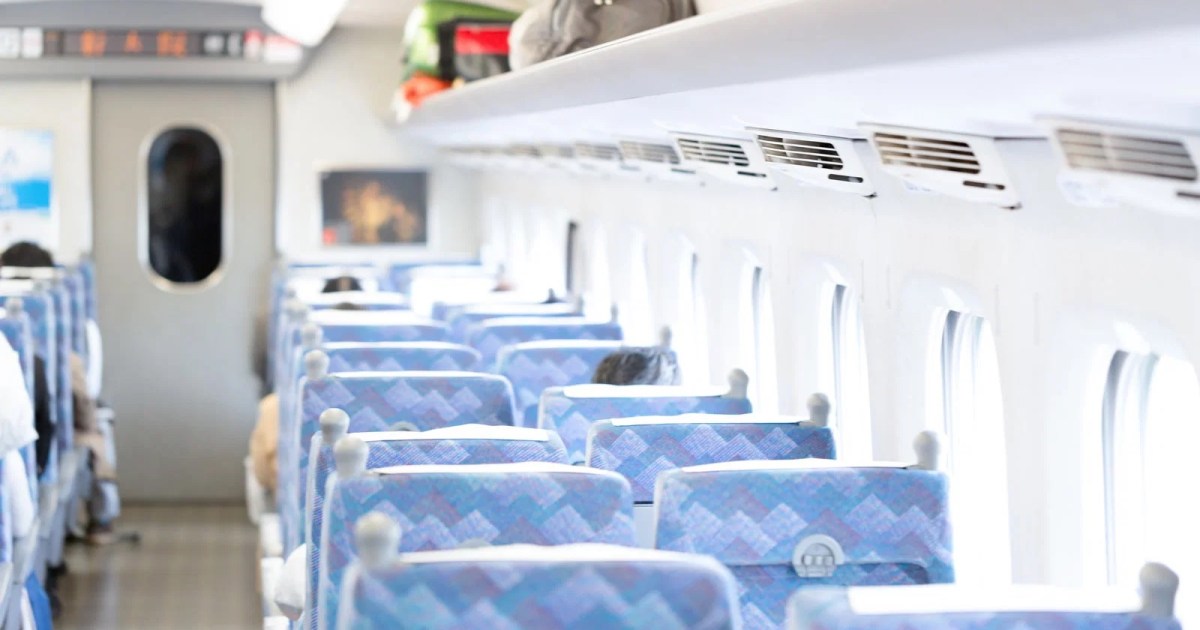
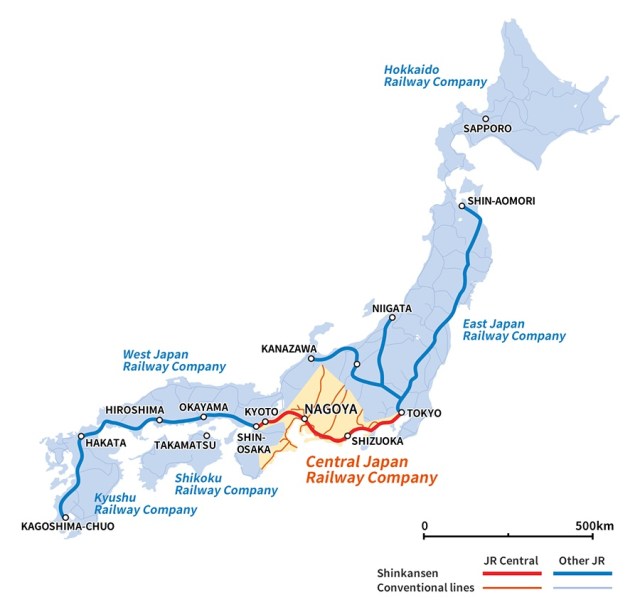
The trial, which is scheduled to run through August 31, specifically targets Car No. 3 on select 16-car Hikari services traversing the Tokaido and Sanyo Shinkansen lines. This route is one of the most vital arteries in the country, connecting Tokyo to Hakata in Fukuoka and passing through industrial and cultural hubs including Nagoya, Kyoto, Osaka, and Hiroshima.
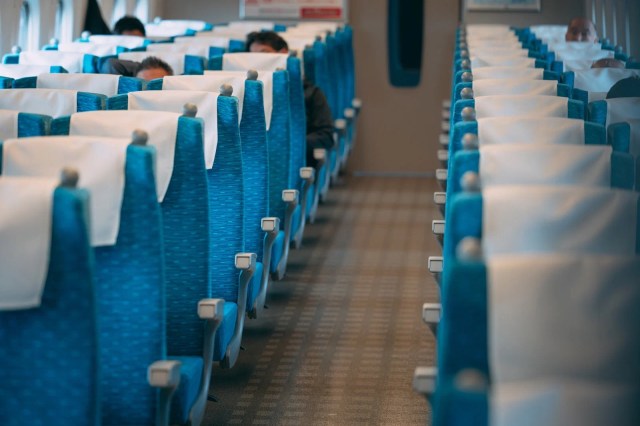
The core of the experiment is a temperature adjustment: in the designated trial carriage, the air conditioning is set approximately 2 degrees Celsius (3.6 degrees Fahrenheit) higher than the ambient temperature in the remainder of the train. By selecting an unreserved carriage for this trial, the railway operators are allowing passengers a degree of agency; commuters can consciously choose to board the warmer car or, should they find the temperature unsuitable, simply relocate to a standard, cooler carriage elsewhere on the train.
Chronology: From Local Commuter Quirk to High-Speed Reality
The concept of "weak" air-conditioning (known in Japan as jakurei-bō) is not a new phenomenon. It first emerged in the 1980s on local commuter rail lines as a response to elderly passengers and those with health conditions who found the aggressive cooling of public transport to be detrimental to their well-being. Over the decades, these "mild" carriages became a standard feature of urban rail travel across the archipelago.
However, the Shinkansen has historically maintained a uniform, brisk temperature profile across all classes of service. The transition toward testing this on the Shinkansen began in earnest following a smaller, successful pilot program conducted during the summer of 2025. Encouraged by the feedback from that limited trial, JR Central and JR West decided to scale up the initiative for the 2026 season.
The decision was officially announced in late spring 2026, setting the stage for the current mid-summer implementation. As of early July, the program is in full swing, with onboard staff actively collecting passenger feedback to determine whether the trial will be discontinued, refined, or expanded in the future.
Supporting Data: Why the Change?
The rationale behind this initiative is rooted in data-driven passenger advocacy. JR Central conducted extensive surveys over the past two years, consistently finding a segment of the traveling public that reports discomfort due to the standard, intense cooling of the Shinkansen.
For many travelers—particularly those wearing business attire or those with specific medical sensitivities—the sharp contrast between the sweltering 35-degree Celsius (95-degree Fahrenheit) heat outside and the roughly 22–24 degree Celsius (71–75 degree Fahrenheit) environment inside the train can cause thermal shock. The 2-degree increase in the test carriage is designed to bridge this gap, providing a "gentler" transition for passengers who spend extended periods on the train.
Furthermore, the choice of the Hikari service is strategic. While the Nozomi services are prioritized for speed and business travel, the Hikari offers a slightly more relaxed pace, often catering to tourists and families who may be more prone to prolonged exposure to air conditioning, which can lead to fatigue or physical discomfort during long-haul trips between Tokyo and Kyushu.
Official Responses: Balancing Comfort and Necessity
The railway companies have adopted a measured stance in response to the public discourse. In an official statement, JR Central emphasized that train crews are already trained to adjust cabin temperatures based on real-time factors, such as the number of passengers on board, the duration of the trip, and the exterior weather conditions.
"We acknowledge that comfort is inherently subjective," a spokesperson noted. "No single temperature setting can satisfy every individual on a train of this scale."
The company stressed that the current trial is an exercise in flexibility. They are encouraging passengers who find the temperature in their carriage to be either too hot or too cold to alert the onboard staff. While the staff cannot always overhaul the climate control system for the entire train, they can often provide advice or facilitate a seat change if availability permits. By utilizing an unreserved carriage, the railways have effectively offloaded the choice to the consumer, theoretically minimizing the impact of the trial on those who prefer the standard, cooler environment.
Implications: The Cultural Clashes of Thermal Comfort
The reaction on platforms like X (formerly Twitter) and various Japanese web forums highlights a deeper cultural tension regarding public space and personal comfort.
The Pro-Chill Perspective
For a large contingent of commuters, the "intense" air conditioning is a quintessential, non-negotiable comfort of the Japanese summer. These passengers argue that when humidity levels hit near-tropical highs, the primary purpose of public transport air conditioning is to provide an immediate, cooling respite from the heat. To them, "weak" air conditioning feels like a dilution of a luxury service, and some have jokingly—or perhaps seriously—suggested that if the train is not cold enough, it defeats the purpose of modern transit comfort.
The Pro-Mild Perspective
Conversely, the supporters of the initiative argue that the "cold culture" in Japan is often excessive. This demographic includes individuals who suffer from "air-con sickness," a common complaint in Japan characterized by headaches, lethargy, and muscle stiffness caused by prolonged exposure to cold, dry air. For these passengers, the ability to select a "mild" car is a major quality-of-life improvement, allowing them to complete their journey without the need for heavy cardigans or blankets in the middle of July.
The "Timing" Critique
A significant portion of the criticism is not directed at the existence of the mild cars, but at the timing of the trial. Skeptics have questioned why the experiment is taking place during the hottest months of the year. Critics argue that if the railway wanted to test the viability of "mild" air conditioning, they should have done so during the milder months of May or September, rather than in the midst of a summer that has seen record-breaking temperatures across the country.
Future Outlook
As the trial progresses through the final weeks of August, the data collected will be pivotal. JR Central and JR West are looking for clear indicators: Are the "mild" cars seeing a high occupancy rate compared to their neighbors? What is the ratio of positive to negative feedback in the onboard surveys?
If the trial proves that a significant enough portion of the public prefers the warmer setting, we may see a permanent, standardized integration of "mild" carriages across the Shinkansen network. However, if the backlash continues to dominate the discourse, the companies may opt to scrap the idea or relegate it to specific, seasonal schedules that fall outside of the peak summer heat.
Regardless of the outcome, the current situation serves as a fascinating case study in how Japan’s highly disciplined and efficient transit systems are attempting to navigate the increasingly complex demands of a modern, diverse passenger base. In a country where the Shinkansen is a symbol of punctuality and excellence, the "Great Chill Debate" proves that even the most advanced technology must eventually bend to the most basic human need: the desire for personal comfort.


 Neng Nana
 Asro
Asro