Dwi Wanna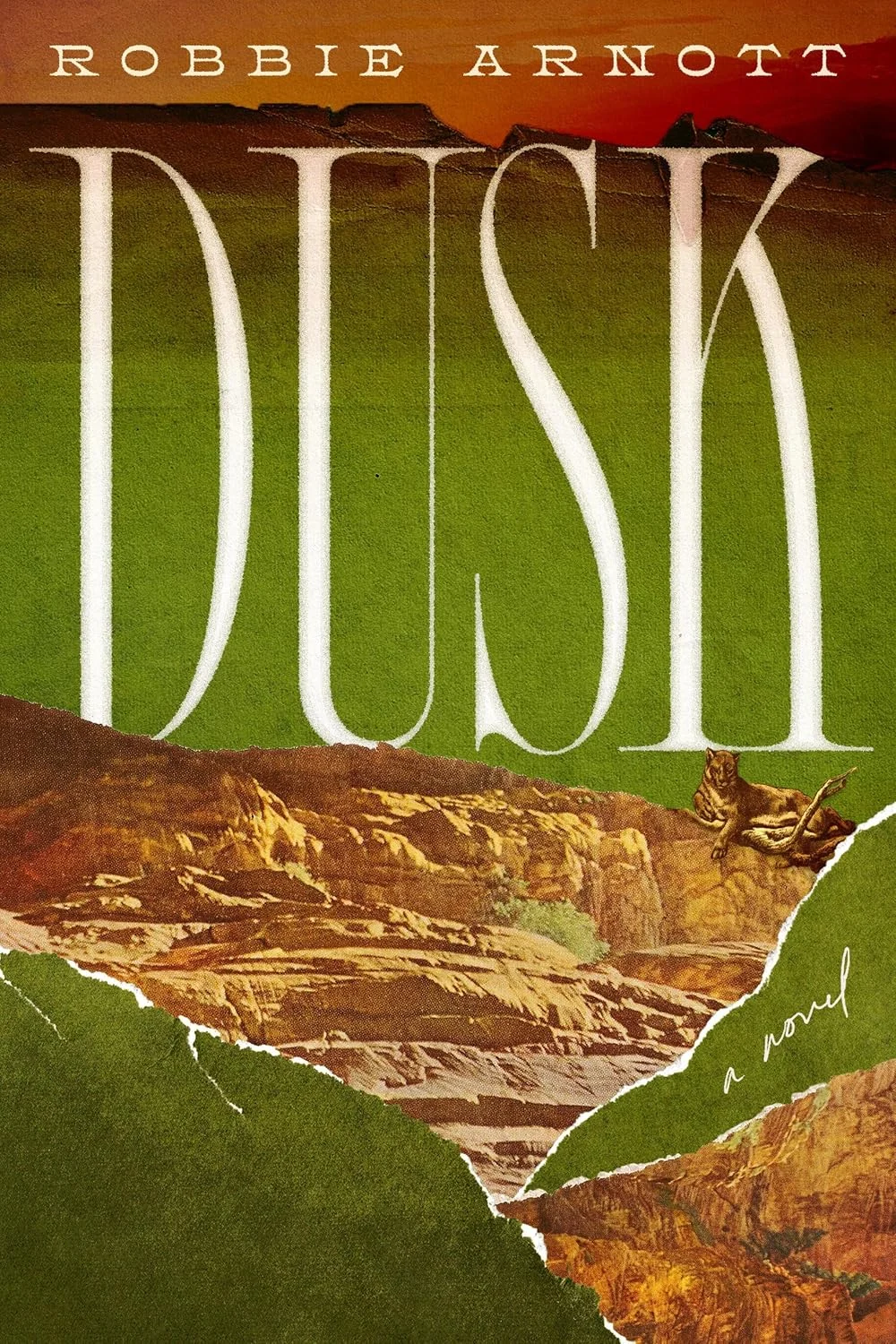
As the global environmental crisis intensifies, literature has increasingly become a crucible for our collective anxieties. The rise of "climate fiction"—or "cli-fi"—is not merely a trend; it is a profound cultural response to an existential challenge so massive that it threatens to reshape the very foundations of human civilization. The 2026 Climate Fiction Prize shortlist represents the current state of this evolving genre, bringing together six novels that span the spectrum of science fiction, historical drama, and contemporary literary realism.
However, the selection raises a fundamental question: does the current literary landscape treat climate change as a central, driving force of human experience, or is it merely using environmental degradation as a convenient aesthetic backdrop?
The 2026 Shortlist: A Diverse Array of Narratives
The six novels shortlisted for this year’s prize offer vastly different entry points for readers, regardless of their preferred literary tradition. The list includes:

- "Dusk" by Robbie Arnott: A haunting, lyrical exploration of colonial history and the sins of the forebears, set in an alternate Australian highland landscape.
- "Awake in a Floating City" by Susanna Kwan: A quiet, intimate look at adaptation and human connection within a perpetually flooded, rain-drenched San Francisco.
- "The Tiger’s Share" by Keshava Guha: A generational drama set in a choking, smog-filled Delhi, examining the intersections of privilege, environmental martyrdom, and familial duty.
- "Hum" by Helen Phillips: The eventual prize winner, which delves into the anxieties of motherhood, AI surveillance, and the erosion of nature in an urban dystopia.
- "Endling" by Maria Reva: A dark, inventive comedy/drama concerning a biologist’s desperate race to save an endangered snail species amidst the chaos of the war in Ukraine.
- "The Book of Records" by Madeleine Thien: A sweeping, philosophical work that weaves together the migratory journeys of historical figures with a speculative future community.
Chronology and Context: The Evolution of the Cli-Fi Genre
The trajectory of climate fiction has shifted rapidly over the past decade. Early works often relied on apocalyptic tropes—global flooding, scorched earth, or societal collapse. Today’s literature, as evidenced by this year’s shortlist, is more interested in the "in-between" spaces: the daily lives of people living through the slow, grinding process of environmental change.
Arnott’s Dusk, for instance, functions as a historical lens. By projecting the consequences of colonial violence onto an environmental setting, it suggests that the "sins of the parents"—the environmental exploitation of previous centuries—are the direct antecedents of our current climate crisis. Conversely, Susanna Kwan’s Awake in a Floating City offers a glimpse into a post-disaster future that has already arrived. The characters in her novel have moved past the initial shock of climate change and are now preoccupied with the mundane, painful, and beautiful work of sustaining community in a city that is literally sinking into the bay.
Supporting Data: Why "Hum" Claimed the Top Prize
Helen Phillips’ Hum was ultimately selected as the winner, a choice that highlights the jury’s focus on emotional resonance. The narrative follows May, a mother navigating a job market dominated by AI, who attempts to give her children a fleeting, "natural" experience in a city’s last remaining green space.

The novel is a masterclass in tension, layering financial instability, technological dependence, and environmental decay. Its success lies in its ability to mirror the anxieties of the modern parent. While some critics argue that the climate element in Hum is secondary to the story of AI and family dynamics, its effectiveness as a horror story—one that feels entirely plausible—is precisely what earned it the top spot. It reflects the growing public sentiment that we are already living in a world where nature is a luxury commodity, accessible only through the mediation of technology.
The Problem of "Interchangeable Backdrop"
Despite the high quality of these individual works, a recurring critique of the 2026 shortlist is the "thinness" of the climate framing in several entries. In The Book of Records, the climate change element serves as a frame for historical migration, but it lacks the depth required to make it a central pillar of the narrative. One could argue that the historical journeys of Du Fu, Spinoza, and Arendt carry enough weight on their own; attaching them to a climate migration plot risks trivializing both the historical trauma and the modern-day environmental crisis.
Similarly, The Tiger’s Share uses the choking smog of Delhi as a thematic mirror for the characters’ internal moral decay, yet the climate itself is rarely interrogated as a policy or scientific reality. While these books are undeniably well-written, they raise a valid question: when does an environmental setting become a "literary convenience" rather than a meaningful engagement with the climate crisis?

Official Responses and Industry Implications
The jury’s selection of Hum suggests an industry preference for "personal" climate stories over "systemic" ones. While works like Endling demonstrate immense creativity—using the extinction of a snail as a metaphor for the loss of the world during wartime—they are often categorized as "black comedy" rather than traditional environmental literature.
Critics have noted that the 2026 shortlist reflects a shift toward "aestheticized" climate fiction. There is a palpable tension between authors who want to address the urgency of the catastrophe and those who wish to use the climate as a mood-setter. This has prompted a debate among literary critics: should the Climate Fiction Prize prioritize books that grapple with the causes and structural realities of climate change, or should it celebrate any work that acknowledges the changing environment as a part of the human condition?
Future Implications: Toward a More Urgent Narrative
As we look toward the 2027 cycle, the implications for the genre are clear. If climate fiction is to remain relevant, it must move beyond the "colorful background" approach. The reality of climate change is not merely a setting; it is a catalyst that fundamentally alters power dynamics, resource distribution, and the nature of human survival.

The success of Awake in a Floating City provides a blueprint for what a more "urgent" literature might look like. It captures the psychological toll of adaptation without relying on the sensationalism of traditional dystopia. It asks the reader to consider: how do we maintain our humanity when the environment no longer supports our traditional ways of living?
The 2026 shortlist has provided readers with a rich, if sometimes disparate, collection of stories. It has showcased the beauty of the prose in Dusk, the inventiveness of Endling, and the chilling plausibility of Hum. However, for future writers and jurors, the challenge remains: the climate crisis is not waiting for us to find the right metaphor. It is unfolding in real-time, and it demands a literature that is as robust, unyielding, and transformative as the change it seeks to document. We must ensure that in our rush to tell human stories, we do not lose sight of the planet that makes those stories possible.

 Neng Nana
 Layla Zulfa