The literary world’s premier showcase for independent fantasy talent, the Self-Published Fantasy Blog-Off (SPFBO), has reached a critical juncture. As the eleventh iteration of the contest winds down its initial evaluation phase, the judging panel has officially announced the final "cut posts"—the difficult process of eliminating contenders to clear the path for the competition’s four semi-finalists.
With the conclusion of this "Seventh and Final Fall," the competition shifts from a broad survey of self-published talent to an intensive, deep-dive analysis of the remaining frontrunners. Each of the four survivors will soon be the subject of a dedicated, comprehensive review, marking the transition from the grueling elimination phase to the high-stakes selection of the eventual champion.
A Chronicle of Competition: The Selection Methodology
The SPFBO process is designed to be as objective as possible within the inherently subjective realm of fiction reading. Contrary to common assumptions, the judges do not read in a specific order, nor do they rank books from "worst to best" to decide which to cut. Instead, the process is a steady, simultaneous evaluation of several titles at once, allowing for a nuanced discourse among the panel.
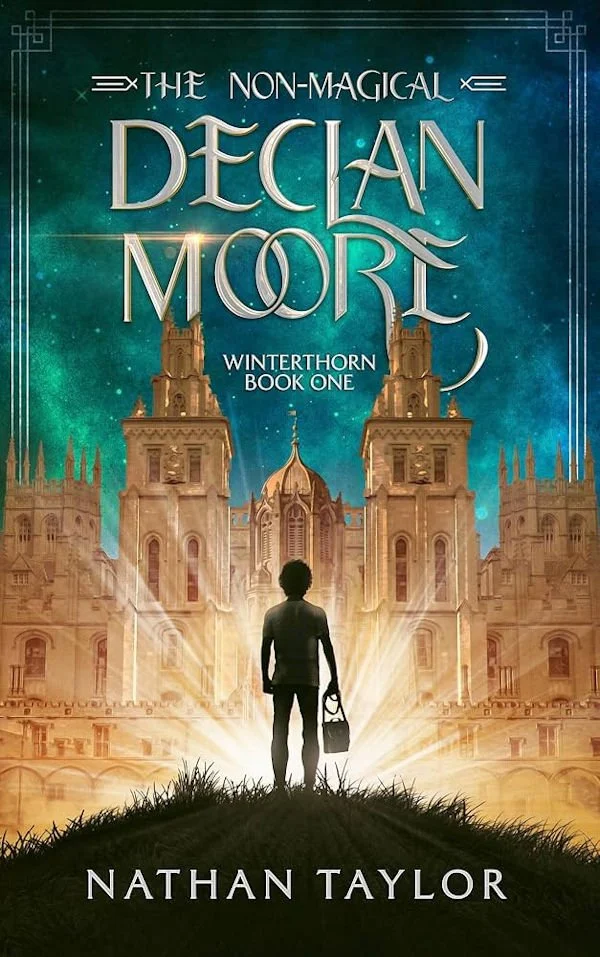
This year’s panel, a diverse group of 14 critics and writers, has navigated a crowded field of entrants. By the time the final two books—The Non-Magical Declan Moore and Hunter’s Apprentice—were removed from the running, the team had effectively whittled down a massive list of submissions to the four strongest voices.
"Reading is inherently subjective," a spokesperson for the panel noted. "What didn’t click for us might be exactly the kind of story a specific reader has been searching for all year. We encourage our audience to look past our cuts and sample these titles for themselves."
Deep Dive: Analyzing the Final Two Cuts
The final two books to depart the competition, The Non-Magical Declan Moore and Hunter’s Apprentice, highlight the wide spectrum of stylistic preferences held by the judging panel.

The Non-Magical Declan Moore: A Polarizing Debut
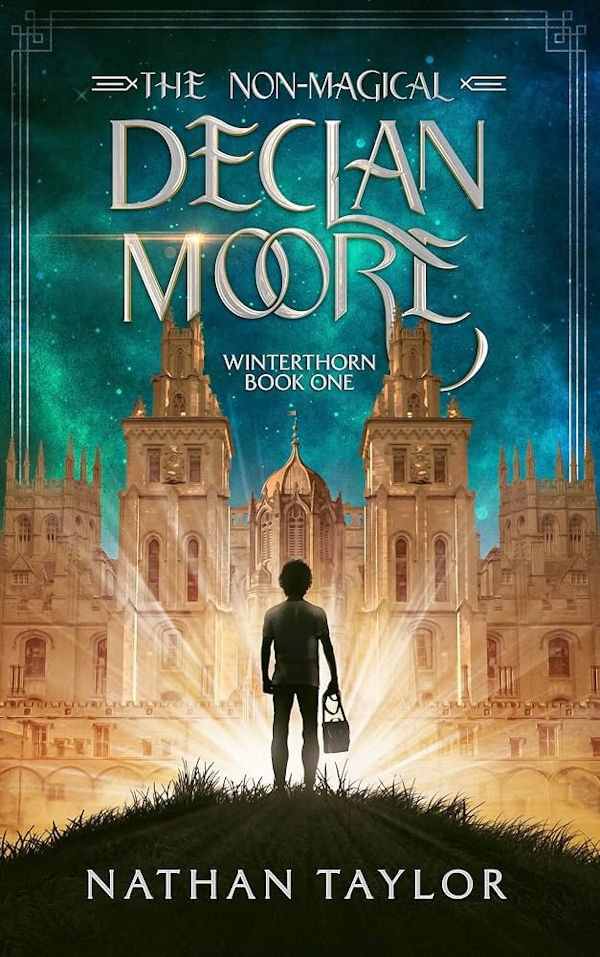
Nathan Taylor’s The Non-Magical Declan Moore proved to be the most divisive entry of the cycle. The premise—set in a modern, magic-saturated society where a young man finds himself a "LAMP" (Lacking All Magical Potential)—tapped into classic tropes of the "chosen one" narrative, albeit with a subversive twist.
- The Appeal: For proponents like judge Stacey, the book offered a compelling look at a teen grappling with a "dark secret" in a world that shuns the powerless. Sarah, another judge, highlighted the narrative’s ability to build suspense, particularly regarding the internal betrayal and the mystery surrounding the "Directive."
- The Criticism: Critics on the panel found the emotional pacing inconsistent. Some judges felt that Declan’s reactions to traumatic events were muted, creating a sense of "emotional whiplash" that made it difficult to sustain immersion. While the supporting cast—specifically a character named Ace—received praise for being grounded, other characters were perceived as mere plot functions, leading to a split in the final scoring that ultimately sealed the book’s fate in the competition.
Hunter’s Apprentice: Grit vs. Narrative Voice
Simon Shugar’s Hunter’s Apprentice presented a different challenge for the judges: the balance between immersive world-building and character consistency.
- The Strengths: The book excelled in its portrayal of harsh, realistic survival. Judges praised the meticulous detail regarding foraging, tracking, and winter preparation, which gave the setting a lived-in, authentic weight. Julia noted that the "contrast between a brutal world and genuinely good people" provided a refreshing take on the dark fantasy subgenre.
- The Challenges: The primary friction point was the narrative voice. Because the story follows the protagonist, Tomi, from age four, the judges expected a child’s perspective. However, the narration consistently skewed toward an adult tone, which some judges found to be a persistent "immersion breaker." Additionally, editorial inconsistencies, such as repeated paragraphs and occasional typos, hampered the reading experience for several members of the panel.
Supporting Data: The Panel’s Evaluation Metrics
The SPFBO 11 panel, consisting of Adawia Asad, Eva Geraghty, Evelyn Grimald, Julia Kitvaria Sarene, Karen Lucia, Kerry Smith, Kit Caelsto, Maureen Neuman, Robert Max Freeman, Sara Rosevear, Sherry Cammer, Stacey Markle, Tianna Twyman, and Yaniv Rosenfeld Cohen, employed a multi-faceted approach to judging.
Their rubric focused on four primary pillars:
- Narrative Voice: Assessing whether the prose style fit the tone and age-group of the protagonist.
- World-Building: Evaluating the depth, consistency, and originality of the setting.
- Character Development: Determining if the cast felt like fully realized individuals or mere plot devices.
- Pacing and Flow: Measuring how effectively the author maintained reader engagement across the entirety of the manuscript.
The data from these evaluations shows a clear trend: while technical proficiency and world-building were high across the board, the most successful books were those that maintained a consistent emotional tether between the reader and the protagonist.
Implications for the Self-Publishing Industry
The conclusion of this phase of the SPFBO serves as a microcosm of the current state of independent fantasy. The high level of competition suggests that the barrier to entry for quality self-published work has effectively vanished. Authors today are producing works that rival traditionally published titles in terms of scope, editorial polish, and thematic ambition.
However, the "marmite" nature of the cut books—titles that were either loved or disliked with intensity—suggests that in a crowded market, niche appeal is a significant factor in a book’s success. For authors, the lesson is clear: the technical execution of a premise is secondary to the consistency of the character voice and the emotional reality of the prose.
Official Responses and Looking Ahead
In their official statement, the panel extended a sincere note of gratitude to all participants. "Putting your work forward for a competition takes real courage," the statement read. "We appreciate every author who entrusted us with their story."
As the contest transitions to the semi-final stage, the focus is now squarely on the four titles that have managed to navigate the panel’s rigorous standards. These books represent the pinnacle of this year’s submissions, and the forthcoming dedicated reviews will serve as a bellwether for the quality of self-published fantasy in 2026.
Readers interested in the ongoing progress of the competition are encouraged to visit the official SPFBO website for detailed updates and further information on the finalists. Any technical queries regarding the contest’s procedures should be directed to editor Jennie Ivins via Bluesky or Threads.
With the field narrowed and the stakes higher than ever, the industry looks toward the next few months to see which of the final four will emerge as the champion of the eleventh annual Self-Published Fantasy Blog-Off. The journey from the slush pile to the final four is a testament to the perseverance of the modern independent author, and the upcoming reviews promise to provide a comprehensive look at the best of what the current fantasy landscape has to offer.