

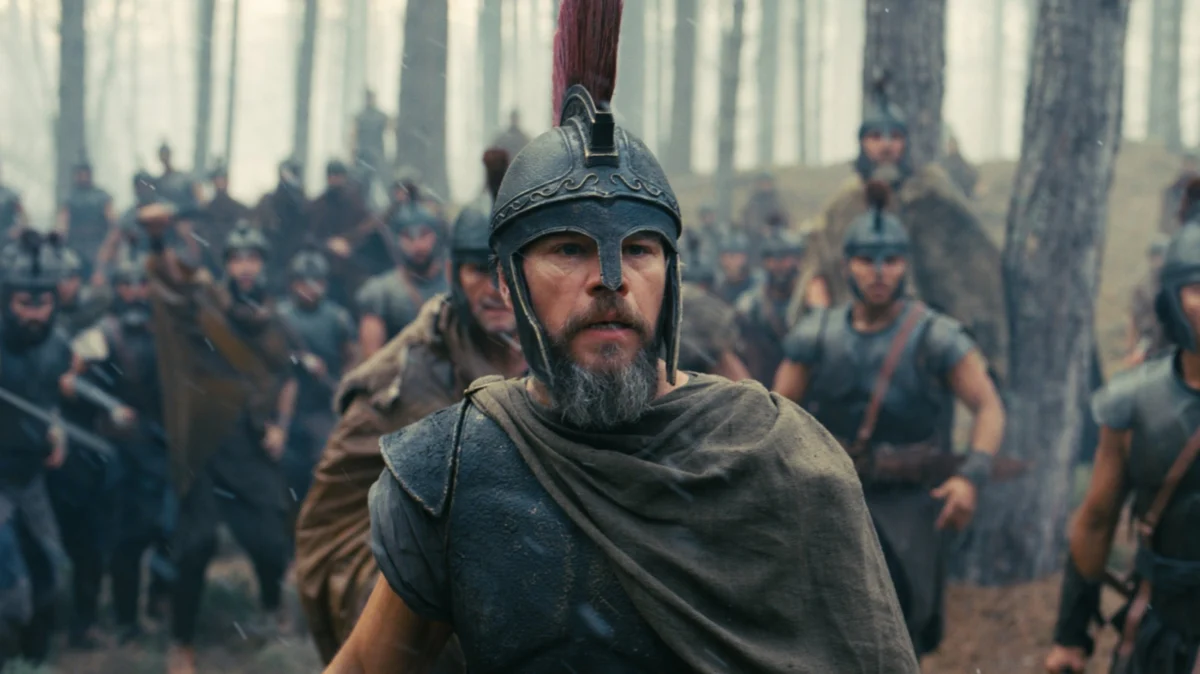
Christopher Nolan, the architect of modern high-concept cinema, has returned to the spotlight. Following the seismic cultural and commercial impact of 2023’s Oppenheimer—a film that defied the conventions of the biopic genre to secure both box-office dominance and the Academy Award for Best Picture—the director is pivoting toward the mythic. His latest endeavor, The Odyssey, represents a monumental shift for the filmmaker. Moving away from the claustrophobic tension of historical drama and the intricate mechanics of time-bending thrillers, Nolan is now tackling Homer’s seminal ancient Greek epic.
As audiences prepare for what promises to be a visual and narrative spectacle, a recurring question has emerged in the era of franchise-dominated blockbusters: Does The Odyssey feature a post-credits scene? In an industry where the mid-credits stingers and post-credits teasers have become the gold standard for audience retention, Nolan’s approach remains a subject of intense speculation.
The Main Facts: Navigating the Credits of The Odyssey
For those heading to the theater to witness Matt Damon’s portrayal of the legendary hero Odysseus, we can provide a definitive answer: No, The Odyssey does not feature any post-credits scenes.
When the final frame of the narrative concludes and the screen fades to black, the story is officially finished. There are no secret sequences, no teasers for a potential sequel, and no additional vignettes hidden behind the scrolling credits. For cinemagoers who appreciate the traditional theatrical experience, this is a clear signal: once the credits begin to roll, you are free to head toward the lobby, discuss the film’s massive scale, or finally attend to those inevitable bathroom breaks that come with a long-form IMAX production.
This decision, while perhaps disappointing to fans of the Marvel Cinematic Universe (MCU) style of world-building, is entirely consistent with the directorial philosophy of Christopher Nolan. Throughout his storied career, the filmmaker has consistently prioritized the integrity of the self-contained narrative.
Chronology: A Career Built on Narrative Autonomy
To understand why The Odyssey lacks a post-credits tag, one must look at the historical trajectory of Nolan’s filmography. Since his breakout with Memento and the subsequent global phenomenon of The Dark Knight trilogy, Nolan has maintained a steadfast refusal to participate in the "expanded universe" trend.
During the 2010s, when the post-credits scene became a primary mechanism for driving franchise engagement and anticipation for future installments, Nolan remained an outlier. Even within the confines of his Batman trilogy—a rare instance of sequential storytelling in his career—Nolan eschewed the "teaser" format. Each film in The Dark Knight trilogy functioned as a distinct chapter that provided a sense of finality, rather than a bridge to the next marketing cycle.
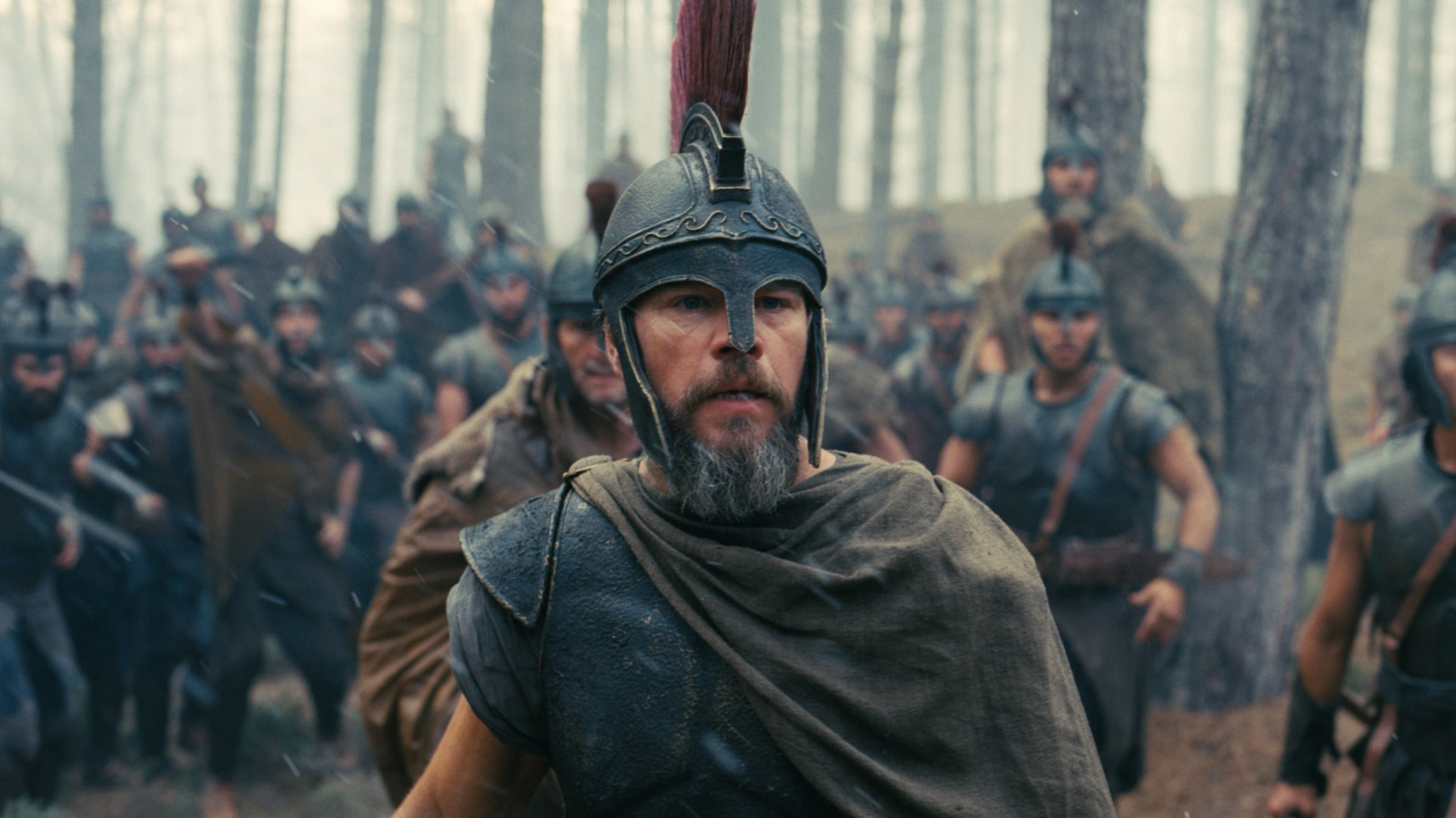
Reports dating back to 2014 suggested a deep-seated aversion on the part of the director toward the practice. While Nolan has never explicitly stated that he "hates" the format, he has spoken extensively about his preference for the "closed loop" storytelling style. For Nolan, the film is a singular artistic statement. By the time the credits roll, the emotional and narrative resolution should be fully achieved. To add a stinger would be, in his view, an intrusion upon the viewer’s final impression of the film’s atmosphere.
Supporting Data: The Scale of The Odyssey
The lack of a post-credits scene does not imply a lack of ambition. On the contrary, The Odyssey is designed to be one of the most technically demanding films of the decade. Nolan has described his motivation for this project as a desire to fill a void in contemporary cinema.
"As a filmmaker, you’re looking for gaps in cinematic culture, things that haven’t been done before," Nolan noted in a recent interview. He expressed a long-standing fascination with the mythological films of his youth, specifically citing the work of stop-motion pioneer Ray Harryhausen. However, Nolan felt that the "weight and credibility" of these myths had never been fully captured through the lens of modern, A-budget, IMAX-native technology.
The Odyssey is, by all accounts, an epic in the classical sense. With an A-list cast that includes Tom Holland as a pivotal figure, Anne Hathaway, Robert Pattinson, Lupita Nyong’o, Zendaya, and Charlize Theron, the film is clearly aiming to be a cultural touchstone. The sheer size of this production—utilizing the IMAX 65mm format that has become a Nolan hallmark—is intended to immerse the audience in the world of Homer’s epic. The narrative spans years of travel, encounters with gods and monsters, and the existential struggle of a man trying to find his way back to his family. Given the density of this material, it is clear that Nolan felt the full runtime was necessary to capture the story’s scope, leaving no room for trivial or teasing afterthoughts.
Official Responses and Creative Philosophy
Why does Nolan resist the trend that has become a staple of modern tentpole filmmaking? The answer lies in his commitment to the "theatrical event." Nolan is perhaps the most vocal defender of the cinematic experience, frequently advocating for films to be consumed as complete, uninterrupted works of art.
In his view, the post-credits scene represents a shift toward a "serialized" model of consumption—one that encourages audiences to think about what comes next, rather than contemplating the film they have just watched. By removing the incentive to stay through the credits, Nolan reinforces the idea that his work is meant to be digested in its entirety by the time the theater lights come up.
This approach also serves to protect the film’s "mythic" quality. By grounding The Odyssey in the reality of ancient trials and tribulations, any modern-day "easter egg" or franchise setup would arguably shatter the immersive illusion he has meticulously constructed. The film stands as a monolith: a complete, singular, and definitive take on one of the greatest stories ever told.
Implications for the Future of Blockbuster Cinema
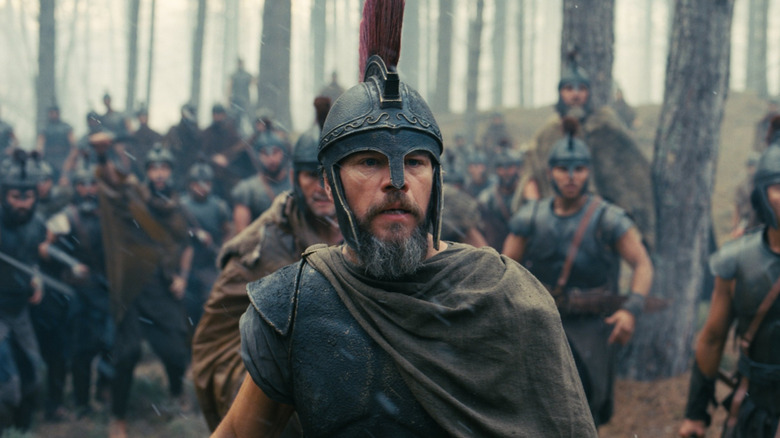
The release of The Odyssey on July 17, 2026, serves as a litmus test for the industry. It asks a fundamental question: Can a massive, big-budget blockbuster succeed without the "hook" of a post-credits sequence?
In a landscape where studios are obsessed with interconnected IP and long-term franchise sustainability, Nolan’s refusal to follow the herd is a bold, almost subversive, act. By centering his marketing around the quality of the film rather than the promise of a future installment, he challenges both the audience and the studio system.
If The Odyssey achieves the same level of critical and commercial success as Oppenheimer or The Dark Knight, it may provide a roadmap for other directors looking to break free from the "universe-building" mandates of major studios. It suggests that there is still a massive appetite for films that offer a beginning, middle, and end—films that respect the viewer’s time by delivering a fully realized story in a single sitting.
Conclusion
As we approach the July 2026 premiere, the message for potential viewers is clear: When you settle into your seat to watch The Odyssey, you are signing up for a singular, monumental journey. You do not need to prepare for a post-credits reveal or a post-film analysis of secret clips.
Christopher Nolan has crafted a film that asks the audience to engage with the text itself—the struggle, the journey, and the eventual return of Odysseus. Once the final frame hits the screen, the experience concludes. There is no need to stay for the scrolling names unless you wish to pay your respects to the hundreds of craftspeople who brought this vision to life. The Odyssey is, in every sense of the word, a complete work of art, designed to exist in its own time and space, independent of the trends that define the rest of the industry.








