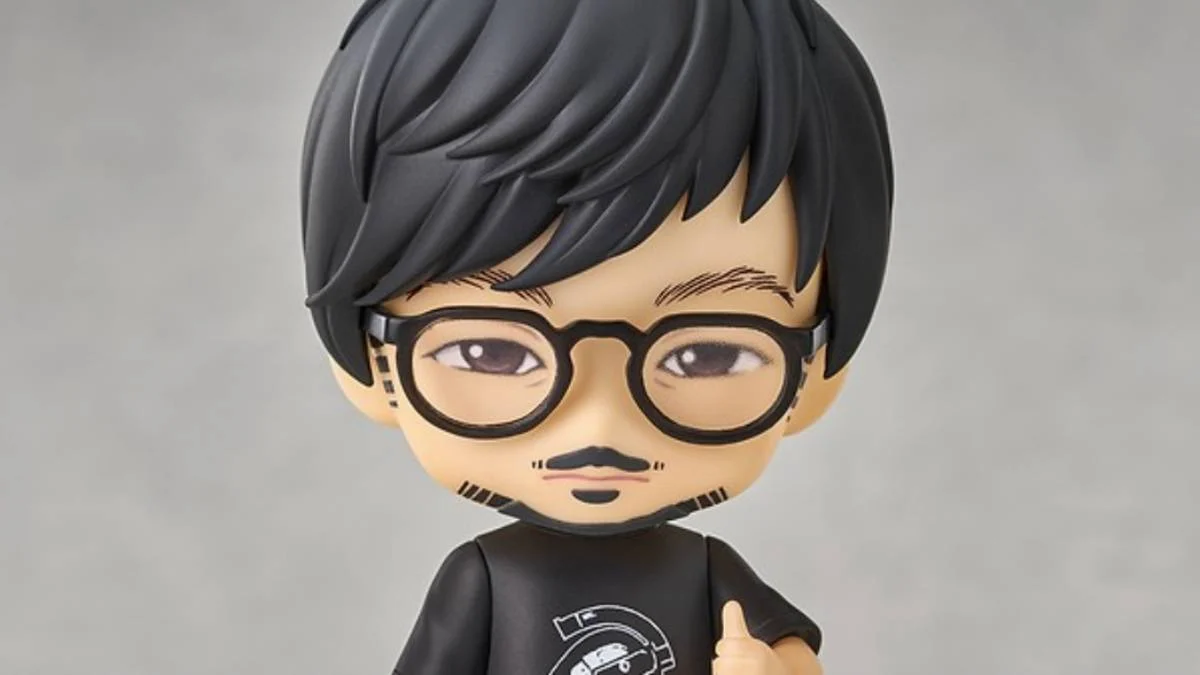
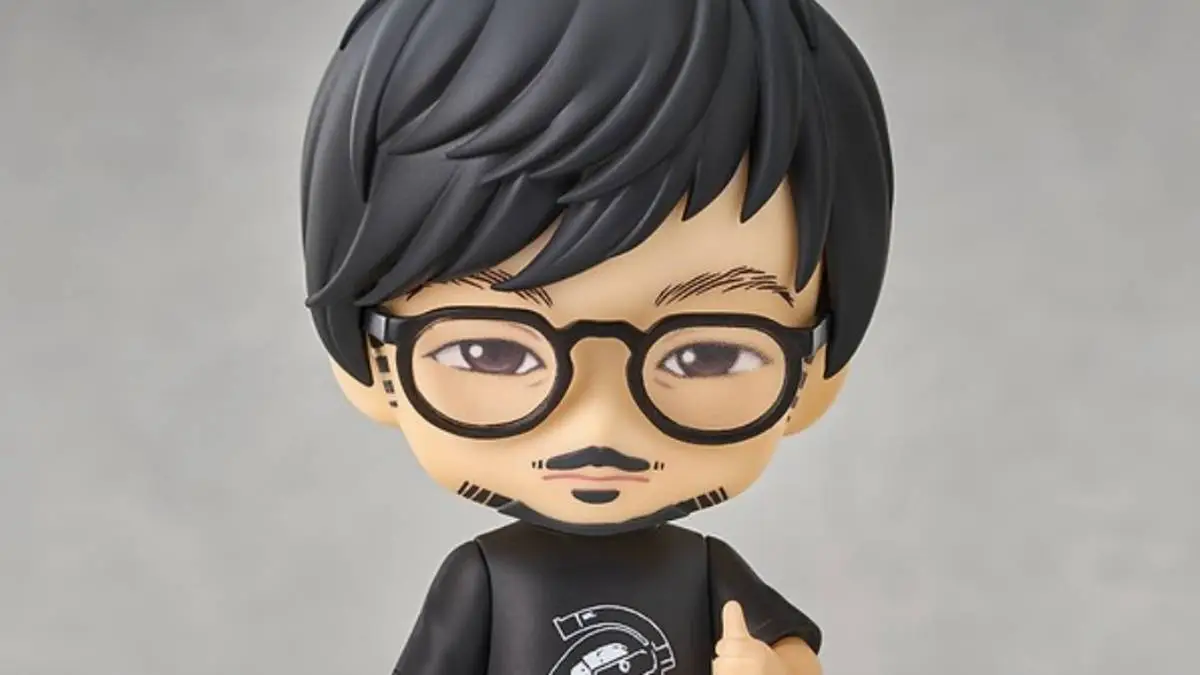
In a move that underscores his status as one of the most recognizable figures in modern interactive entertainment, legendary game designer Hideo Kojima is officially being immortalized in plastic. During the highly anticipated Good Smile Fest 2026, Good Smile Company, the industry leader in high-end collectible figures, unveiled a painted prototype of a Hideo Kojima Nendoroid. This announcement marks a significant milestone in the intersection of game development culture and high-end merchandise, cementing Kojima’s reputation not just as a creator, but as a pop-culture icon in his own right.
The Announcement: A Stylized Tribute to a Visionary
The reveal at Good Smile Fest 2026 provided fans with their first tangible look at the figure. Maintaining the signature "chibi" aesthetic that defines the Nendoroid line—characterized by large, expressive heads and highly articulated, diminutive bodies—the Kojima figure captures the director in a casual yet iconic pose.
The painted prototype displays an impressive level of detail, most notably the attire. The figure is clad in a black t-shirt emblazoned with the logo of Kojima Productions’ mascot, "Ludens," the futuristic, skull-masked explorer that has become the studio’s emblem. While Good Smile Company has yet to provide a definitive release date, the presence of a finished, painted prototype at the festival serves as a strong indicator that the production cycle is well underway. Industry analysts expect pre-orders to go live within the coming weeks, a timeline consistent with the company’s typical release schedules following such high-profile reveals.
Chronology: From Pixel Architect to Collectible
Hideo Kojima’s career spans over three decades, beginning in the late 1980s at Konami and evolving into his current role as an independent auteur at the helm of Kojima Productions. His journey to becoming a collectible figure is the culmination of years of building a personal brand that rivals the fame of the characters he creates.
The Evolution of the Kojima Persona
- The Metal Gear Era (1987–2015): During his tenure at Konami, Kojima became known for his cinematic approach to game design. While he was a household name among hardcore gamers, his public profile was largely tied to the Metal Gear franchise.
- The Independence Milestone (2015): The founding of the independent Kojima Productions allowed Kojima to step into the spotlight as a creative leader. His presence on social media and his "HideoTube" series began to cultivate a more personal connection with his audience.
- The Death Stranding Phenomenon (2019–Present): With the release of Death Stranding, Kojima’s public persona reached a zenith. His collaborations with Hollywood actors like Norman Reedus, Mads Mikkelsen, and Léa Seydoux pushed him further into mainstream consciousness.
- The Good Smile Fest Reveal (2026): The current unveiling of the Nendoroid represents the "Meta-Auteur" phase, where the creator is recognized with the same reverence as the fictional heroes he writes.
Supporting Data: The Expanding World of Good Smile Company
The decision to produce a Hideo Kojima Nendoroid is not an isolated experiment but part of a broader, successful trend by Good Smile Company to honor real-world figures who have shaped global entertainment. By placing Kojima alongside figures like the legendary voice actress Masako Nozawa (the voice of Goku) and the late comic book icon Stan Lee, Good Smile is signaling that Kojima belongs in the pantheon of creators who have fundamentally altered the landscape of popular media.
Notable "Real-Life" Nendoroid Precedents:
- Stan Lee: Capturing the warmth and creative energy of the Marvel architect, this figure remains a top seller in the "celebrity" category.
- Bruce Lee: A celebration of the martial arts legend that highlights the brand’s ability to capture likenesses of historical figures.
- Masako Nozawa: A heartfelt tribute to the woman who defined the voice of an entire generation of Dragon Ball fans.
- Global Stars: From the members of BTS to international athletes like Kamui Kobayashi, Good Smile has demonstrated a clear strategy of bridging the gap between celebrity culture and the otaku collector market.
Expanding the Kojima Productions Universe
The news of the Nendoroid was not the only Kojima-related highlight at the festival. Good Smile Company also confirmed that a Death Stranding 2: On the Beach Sam Porter Bridges "figma" is currently in development. Unlike the Nendoroid, which prioritizes a stylized, cute aesthetic, the figma line is known for its high degree of articulation and realistic proportions.
The announcement for the Sam Porter Bridges figure is in its earliest stages. As of now, there is no prototype or concept art available for public viewing, only confirmation of the project and official game art. This simultaneous reveal—a stylized Nendoroid of the creator and a high-fidelity figma of the protagonist—highlights the symbiotic relationship between Kojima’s games and the merchandising ecosystem that supports them. It serves as a reminder that for the modern fan, the value lies not just in the software, but in the physical representation of the creative process.
Implications: The Auteur as a Product
The transformation of Hideo Kojima into a collectible figure raises interesting questions about the nature of celebrity in the digital age. In the past, game designers were often anonymous figures behind the curtain. Today, names like Kojima, Todd Howard, or Hidetaka Miyazaki carry as much weight as a lead actor in a film.
The Cult of Personality
The Nendoroid figure is a testament to the "cult of personality" that surrounds Kojima. Fans of his work are no longer just fans of the Metal Gear or Death Stranding franchises; they are fans of his specific creative sensibilities, his philosophical inquiries, and his distinct personal style. When an individual is turned into a mass-market collectible, it validates their status as a cultural asset.
Market Dynamics
From a business perspective, this move is a savvy play by both Kojima Productions and Good Smile Company. By merchandising the "creator," they are diversifying their revenue streams. For the consumer, it provides a tangible way to participate in the "Kojima fandom." It is an extension of the same behavior that drives fans to attend his panels at Tokyo Game Show or watch his latest interview with bated breath.
Furthermore, the integration of real-world figures into the Nendoroid line suggests a growing convergence between high-end fashion, fan culture, and traditional toy collecting. As these markets continue to overlap, the barrier between "creator" and "character" becomes increasingly porous.
Looking Forward: What This Means for the Industry
As we look toward the future of Death Stranding 2: On the Beach and beyond, the existence of these figures serves as a marker of the industry’s health. The success of these figures depends on the continued resonance of Kojima’s creative output.
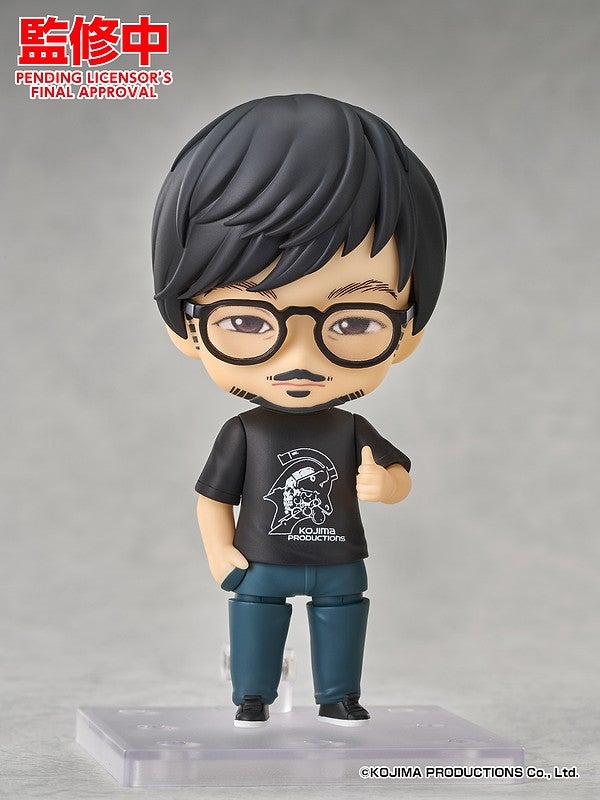
For the collector, the Hideo Kojima Nendoroid is more than a toy—it is a piece of gaming history. It captures a specific moment in time where an independent designer from Japan could captivate a global audience with complex, non-linear narratives and surreal imagery. As production moves forward, the primary challenge for Good Smile will be balancing the iconic "Kojima look"—the signature glasses, the scarves, and the stoic yet thoughtful expression—with the standardized Nendoroid form factor.
Based on the initial prototype, it appears they have succeeded. The figure retains the charm expected of a Good Smile product while clearly signaling, "This is Hideo Kojima."
Conclusion
The announcement of the Hideo Kojima Nendoroid is a symbolic victory for the creative visionary. In an industry that is often dominated by corporate IP and studio-led branding, Hideo Kojima has managed to maintain a singular, personal brand that is recognizable on a global scale. Whether sitting on a shelf next to Sam Porter Bridges or standing alone as a tribute to his career, the Kojima Nendoroid is a tangible manifestation of a career defined by innovation, risk, and a relentless pursuit of the avant-garde.
As collectors await the official pre-order window, one thing is certain: the demand for such a piece will be high. It is not merely a toy; it is a celebration of a creator who has consistently dared to ask "what if?" and, in doing so, changed the way we experience games. Hideo Kojima, the man, has become the artifact, and in the world of high-end collectibles, there is perhaps no greater honor.