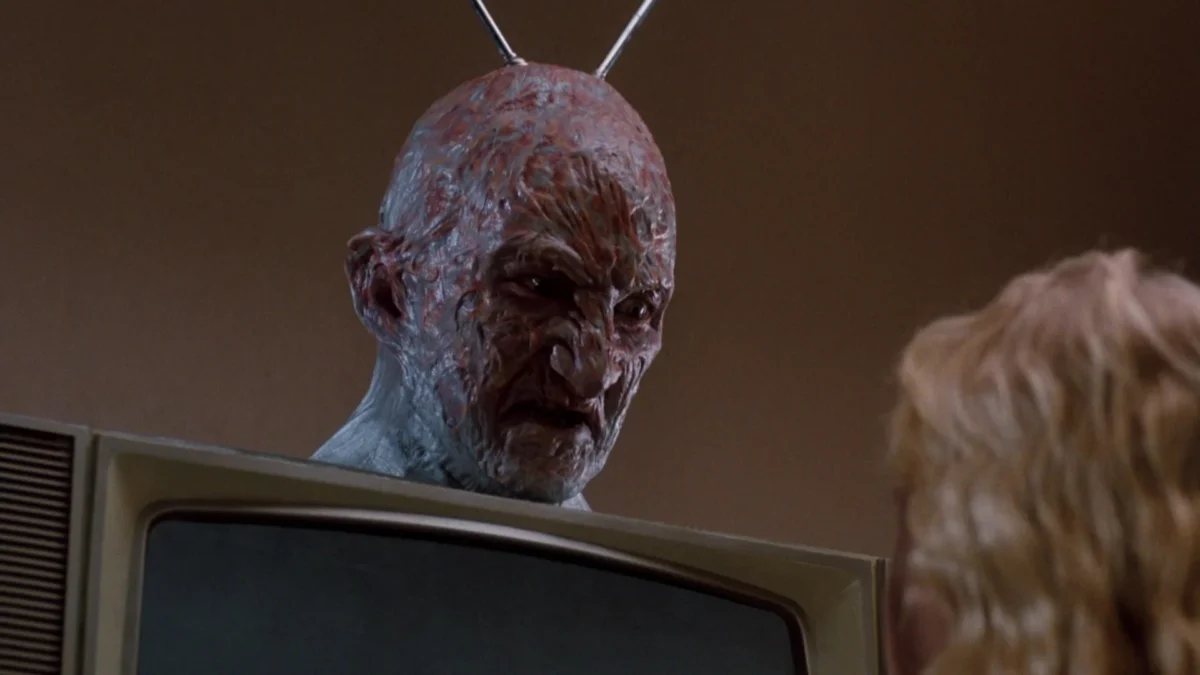
The gates of Springwood are swinging open once more. In a move that has sent ripples of anticipation—and perhaps a touch of trepidation—through the horror community, Paramount Pictures has officially announced its intention to resurrect one of the most prolific figures in cinematic history: Freddy Krueger. Under the banner of its "Paramount Primal" label, the studio is embarking on a ambitious mission to reimagine Wes Craven’s seminal 1984 slasher, A Nightmare on Elm Street, for a contemporary audience.
This development marks a significant shift in the landscape of intellectual property rights, as the project is being developed in direct collaboration with the estate of the late Wes Craven. By securing the U.S. rights to Craven’s original screenplay, the studio is positioning this reboot as a return to the roots of the franchise, aiming to recapture the psychological terror and surreal dread that made the original film a cultural phenomenon.
The Genesis of a New Nightmare: The Legal Path to Resurrection
For decades, the Nightmare on Elm Street franchise was synonymous with New Line Cinema, the independent studio that famously earned the moniker "The House That Freddy Built." However, the legal landscape surrounding the character became increasingly fraught in the 21st century.

Following years of complex copyright litigation, the estate of Wes Craven successfully reclaimed the U.S. rights to the original 1984 screenplay in 2019. This victory, spearheaded by the estate’s legal representation, including producer Marc Toberoff, was a watershed moment. It effectively pulled the character out of the hands of Warner Bros. (the parent company of New Line) and allowed the estate to pursue a creative direction that aligned with their vision for the late director’s legacy.
Paramount’s acquisition of these rights—utilizing the "Paramount Primal" banner, a creative division overseen by industry heavyweights David Ellison and Taylor Sheridan—signals a desire for a prestige-horror approach. The project is currently being shepherded by producers JD Lifshitz and Raphael Margules, the duo responsible for the critical and commercial success of Zach Cregger’s Barbarian. Their involvement, alongside Craven’s widow, Iya Labunka, and his son, Jonathan, provides a sense of continuity and creative oversight that was notably absent in previous iterations.
A Chronological Look at the Franchise
To understand the weight of this announcement, one must look back at the erratic history of the Springwood Slasher.
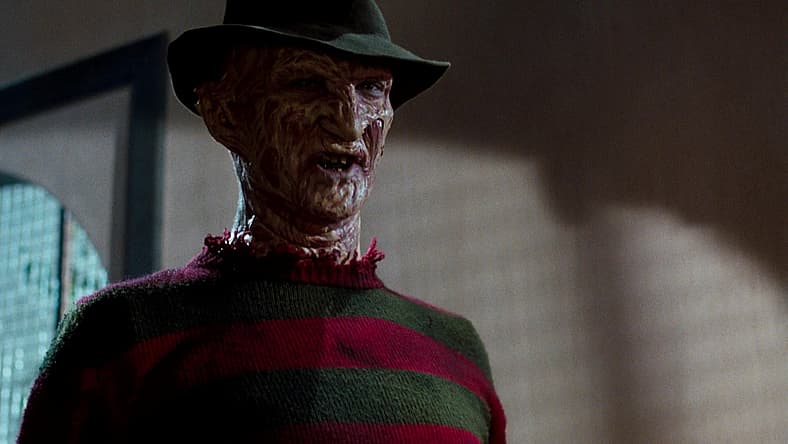
- 1984: Wes Craven releases A Nightmare on Elm Street, introducing the world to Freddy Krueger, a child killer who stalks teenagers in their dreams. It becomes an instant classic, revolutionizing the slasher genre.
- 1985–1994: The franchise enters a period of massive expansion. Freddy’s Revenge, Dream Warriors, and several sequels cement Krueger as a pop-culture icon, complete with his own television anthology series and a massive merchandising empire.
- 2003: The long-awaited crossover Freddy vs. Jason is released, pitting the two biggest titans of 80s horror against each other. It remains one of the highest-grossing horror films of its time.
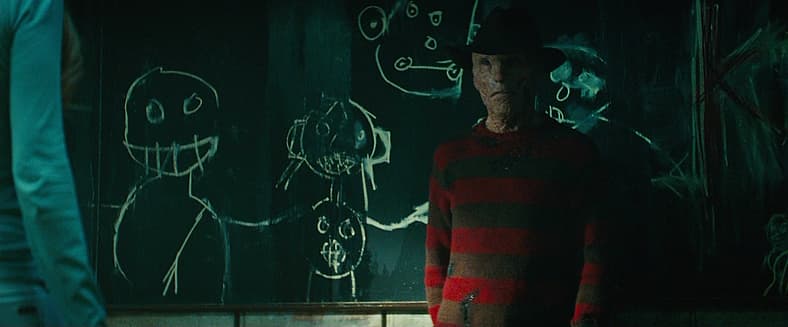
- 2010: A high-budget remake starring Jackie Earle Haley as Krueger hits theaters. Despite financial success, it is met with harsh criticism from fans and critics alike for failing to capture the charisma and nightmarish logic of the original.
- 2019: The Wes Craven estate officially regains the U.S. rights to the original script, effectively ending the era of studio-controlled sequels and setting the stage for a potential reboot.
- 2024: Paramount Pictures officially announces the development of a new Nightmare project, signaling the beginning of a modern era for the franchise.
The Creative Philosophy: Honoring the Source Material
The producers behind this new endeavor have been vocal about their respect for Wes Craven’s original work. The decision to base the new film on the original screenplay is a strategic choice meant to distance the project from the "slasher-by-numbers" fatigue that plagued the later sequels and the 2010 remake.
"We can’t remember a time before we were fans of Wes Craven," stated producers JD Lifshitz and Raphael Margules in a recent press release. "The fact that Iya and Jonathan have entrusted us with this opportunity to help usher a new story into this world is an honor beyond words. We look forward to working alongside them to bring a terrifying new nightmare to audiences everywhere, and to welcome Freddy home."
Iya Labunka echoed these sentiments, emphasizing the cultural evolution of the genre. "We look forward to bringing the world of Wes Craven’s Nightmare on Elm Street to a new and completely engaged generation of fans. We know that Wes would have been thrilled to see how horror is taking its long overdue place in the cultural canon. We can’t wait for all of us to sit together in a dark theater—around the campfire of today—as the next chapter of the Nightmare story unfolds."
Implications for the Horror Genre
The decision to bring back A Nightmare on Elm Street is not merely a nostalgia play; it is a calculated risk in an industry that has seen horror become the most reliable genre at the box office. With the massive success of films like Talk to Me, Smile, and the Halloween legacy trilogy, audiences have shown an appetite for high-concept, visceral, and emotionally resonant horror.
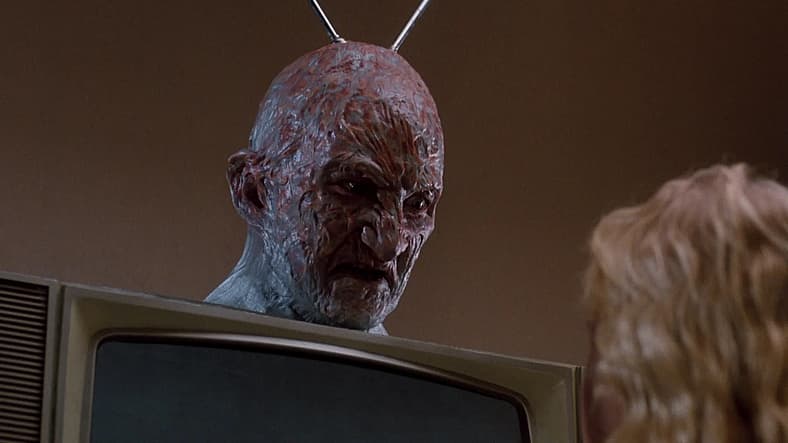
However, the reboot faces a distinct set of challenges. The character of Freddy Krueger is inextricably linked to the performance of Robert Englund. Over the course of eight films, Englund imbued the character with a blend of terrifying malice and dark, sardonic wit. Any attempt to recast the role will inevitably draw comparisons to the man who defined the character for three decades.
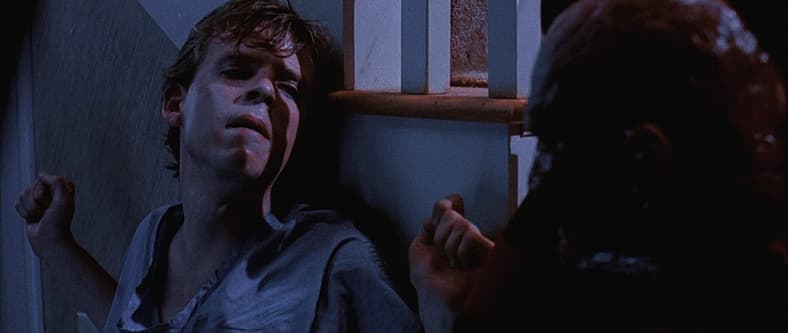
Furthermore, the franchise must navigate the "remake curse." Modern audiences are increasingly cynical toward reboots of beloved 80s properties. The failure of the 2010 remake serves as a cautionary tale: audiences are not interested in a beat-for-beat reproduction of the original. They are, however, interested in a fresh, creative perspective that utilizes the core concept—the idea of a killer who can reach you when you are most vulnerable—to explore contemporary anxieties.
The Future of Springwood
While details regarding the plot remain under lock and key, industry insiders suggest that the project is in the very early stages of development. The script, while rooted in the 1984 original, is expected to be a modern reimagining rather than a direct prequel or sequel. This leaves the door open for a complete tonal shift, potentially leaning back into the psychological, dream-state surrealism that characterized Craven’s early work, rather than the comedic-slasher elements that dominated the later sequels.
For the fans who grew up terrified of falling asleep, the news is bittersweet. There is a inherent desire to see the character handled with the respect and artistic integrity that Wes Craven initially intended. If Paramount can successfully tap into the primal fear of the dreamscape while updating the narrative for a post-digital age, they may well find themselves with a new flagship franchise.
As production gears up, all eyes will be on the casting process and the director selected to helm this project. In an era where horror is once again "cool," the return of the man with the razor glove could be the ultimate test of the genre’s longevity. Whether this new project will be a return to the glory days of the 1980s or a cautionary tale about the perils of revisiting the past, one thing is certain: Springwood is preparing for a new visitor, and the world is watching to see if we’ll ever sleep again.
For now, the project remains in the shadows, waiting for its moment to strike. Much like the character himself, the Nightmare on Elm Street franchise has proven to be incredibly resilient, surviving legal battles, critical failure, and the passage of time. The question remains: can it survive the expectations of a modern audience? We will have to wait for the final cut to find out.