Asro
Asro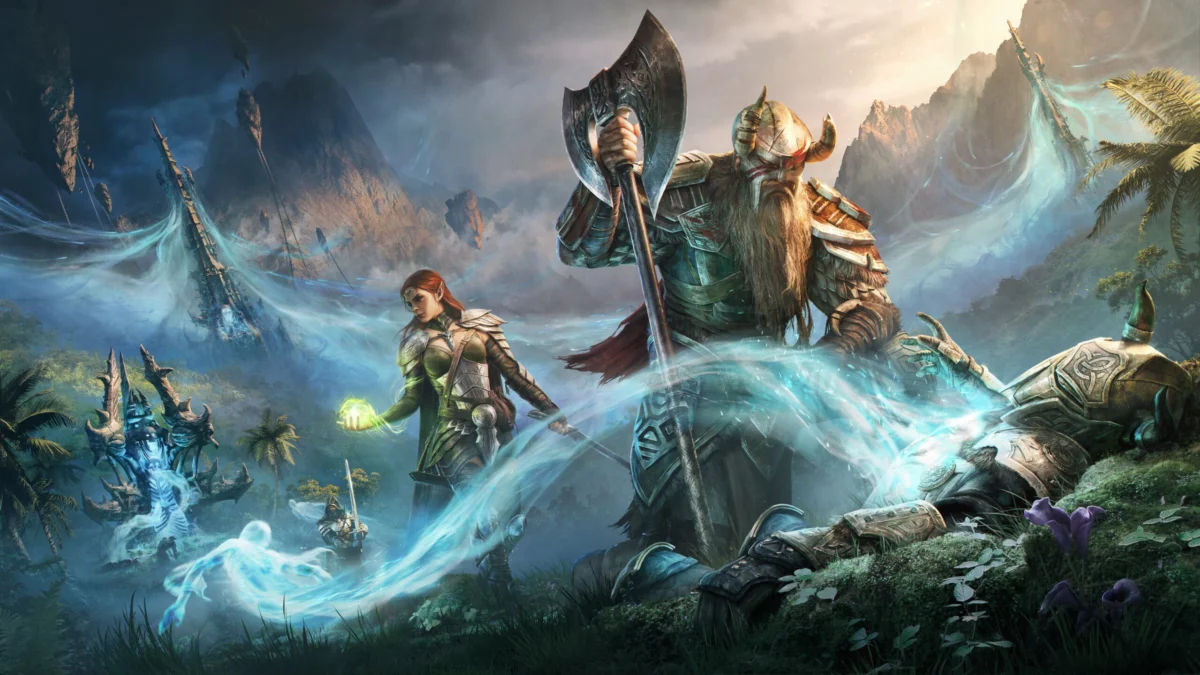
The landscape of the gaming industry continues to undergo a profound, often painful, restructuring. Following the latest wave of workforce reductions at Microsoft-owned Xbox, ZeniMax Online Studios (ZOS)—the powerhouse developer behind the long-running MMORPG The Elder Scrolls Online (ESO)—has been hit by a significant administrative and creative shakeup. The departures reach the very top of the studio’s hierarchy, signaling a new, uncertain chapter for one of the most successful online gaming teams in the world.
Main Facts: A Leadership Vacuum
The recent round of layoffs, which were part of a broader mandate across Microsoft’s gaming divisions, has resulted in the exit of several long-standing pillars of ZeniMax Online Studios. According to reports confirmed by WARN (Worker Adjustment and Retraining Notification) documentation filed with Maryland authorities, the studio head, Joseph Burba, is departing the company.
His exit is compounded by the loss of key creative and operational leadership, including The Elder Scrolls Online producer Susan Kath, studio game director Rich Lambert, and production director Ala Diaz. These individuals were instrumental in steering the trajectory of ESO over the last decade, maintaining its relevance in a highly competitive MMO market.
The studio has moved quickly to establish a succession plan. Josh Henderson, who previously served as the head of business operations, is slated to step into the role of studio head. He will be supported by Nick Giacomini, who assumes the role of game director. This transition is not immediate; current senior leadership has committed to remaining in their posts for a transitional period to facilitate what the company describes as a "smooth handoff" over the coming months.
Chronology: A Pattern of Retrenchment
The instability at ZeniMax Online Studios is not an isolated event but rather the latest iteration of a recurring theme within the ZeniMax Media and Microsoft ecosystems. To understand the gravity of the current situation, one must look at the timeline of the studio’s recent history.
The Foundation of Uncertainty
The seeds of current structural changes were arguably sown following the massive $7.5 billion acquisition of ZeniMax Media by Microsoft in 2021. While the merger brought the prestige of the Elder Scrolls and Fallout franchises into the Xbox fold, it also introduced a new layer of corporate oversight and efficiency mandates that have frequently clashed with the established culture of long-term development teams.
The "Project Blackbird" Fallout (2025)
A pivotal moment in this timeline occurred last year when the studio’s founder, Matt Firor, resigned. His departure followed the cancellation of "Project Blackbird," an ambitious internal project that Firor had described as the game he had "waited his entire career to create." This loss sent shockwaves through the studio, as Firor had been the visionary anchor of the ZOS team since its inception.
The Current Wave (2026)
Following the announcement of a 3,200-person reduction across Microsoft’s gaming divisions last week, the impact on ZeniMax was immediate and severe. The WARN filings suggest that 213 positions were eliminated at ZeniMax Online Studios, with an additional 166 roles cut from the broader ZeniMax Media operations. These numbers are staggering, leading some industry analysts and former employees to describe the cuts as "brutal," with some estimates suggesting that up to 50% of the active development team may have been affected.
Supporting Data: By the Numbers
The scale of these layoffs provides a grim snapshot of the current industry climate. While larger corporate entities often frame these cuts as necessary for "long-term sustainability," the human and operational cost is quantifiable.
- Total ZOS Reductions: 213 roles eliminated.
- Total ZeniMax Media Reductions: 166 roles eliminated.
- Leadership Impact: The loss of the studio head, game director, producer, and production director represents a total turnover of the primary decision-making tier for The Elder Scrolls Online.
- Operational Ripple Effects: The layoffs were not confined to development; they hit essential administrative and support functions, including the studio operations director, the studio audio director, the studio art manager, and various vice presidents of global sales and business development.
While Game File noted that it is difficult to isolate which of these administrative roles were exclusively ZOS-centric versus central Bethesda publishing roles, the overlap suggests that the infrastructure supporting the studio is being hollowed out alongside the development team itself.
Official Responses and Internal Communication
In a message circulated to employees, the outgoing leadership team attempted to strike a tone of resilience and continuity. They emphasized that the remaining staff should focus on the immediate future of the studio, specifically the finalization of "Update 51" and future content roadmaps.
"We have tremendous confidence in Josh [Henderson] and Nick [Giacomini], the future of this studio, and the continued growth of ESO," the statement read. "We believe that your passion, creativity, and commitment to each other and the community will continue serving as the heartbeat of ESO."
This messaging is standard for corporate transitions, aiming to quell fears among the remaining workforce. However, internal morale, according to anecdotal reports surfacing on social media and developer forums, remains fragile. The loss of veteran leaders like Rich Lambert—who frequently served as the public face of the game—is a significant blow to the community’s sense of continuity.
Implications: The Future of ZeniMax Online Studios
The departure of so many veteran leaders raises critical questions about the future of The Elder Scrolls Online.
1. The Creative Void
Rich Lambert and his team were the architects of ESO’s current gameplay loops and expansion cycles. Replacing this level of institutional knowledge is not merely a matter of hiring new staff; it is a matter of culture and vision. Whether the new leadership team can maintain the specific "flavor" and player-focused philosophy that kept the MMO profitable for over a decade remains to be seen.
2. Operational Efficiency vs. Creative Depth
Microsoft’s overarching strategy appears to be one of extreme consolidation. By trimming the fat—or in this case, a significant portion of the muscle—the parent company is likely looking to centralize operations and minimize overhead. While this may satisfy quarterly financial goals, it risks the "brain drain" phenomenon, where the most experienced developers seek employment in studios with more stable creative environments.
3. Community Sentiment
The player base of The Elder Scrolls Online is notoriously loyal, but that loyalty is often tied to the visible presence of developers who appear to care for the game. When the names associated with a decade of positive updates are removed in a single stroke, the trust between the player community and the studio is tested. The success of the upcoming updates will serve as the first real stress test for the new leadership duo of Henderson and Giacomini.
4. The Broader Xbox Strategy
This situation highlights the ongoing friction between the "service game" model and the "corporate efficiency" model. MMORPGs, by their nature, require consistent, long-term staffing to manage live servers, community events, and technical debt. Cutting 50% of a team in such a project is a risky maneuver that could lead to a decline in update frequency or quality.
Conclusion: A Turning Point
The events at ZeniMax Online Studios represent a defining moment for the studio. As the company moves toward this new era, the industry will be watching closely to see if the studio can survive the loss of its foundational leadership. The "heartbeat of ESO," as the outgoing team put it, is currently being subjected to a radical surgical procedure. Whether the patient recovers its strength or enters a period of long-term stagnation depends entirely on the ability of the new administration to stabilize the remaining team and honor the legacy that their predecessors built.
For now, the studio faces the daunting task of continuing to operate an massive, live-service title while simultaneously rebuilding its internal identity from the ground up.

 Reynand Wu
 Iffa Jayyana