

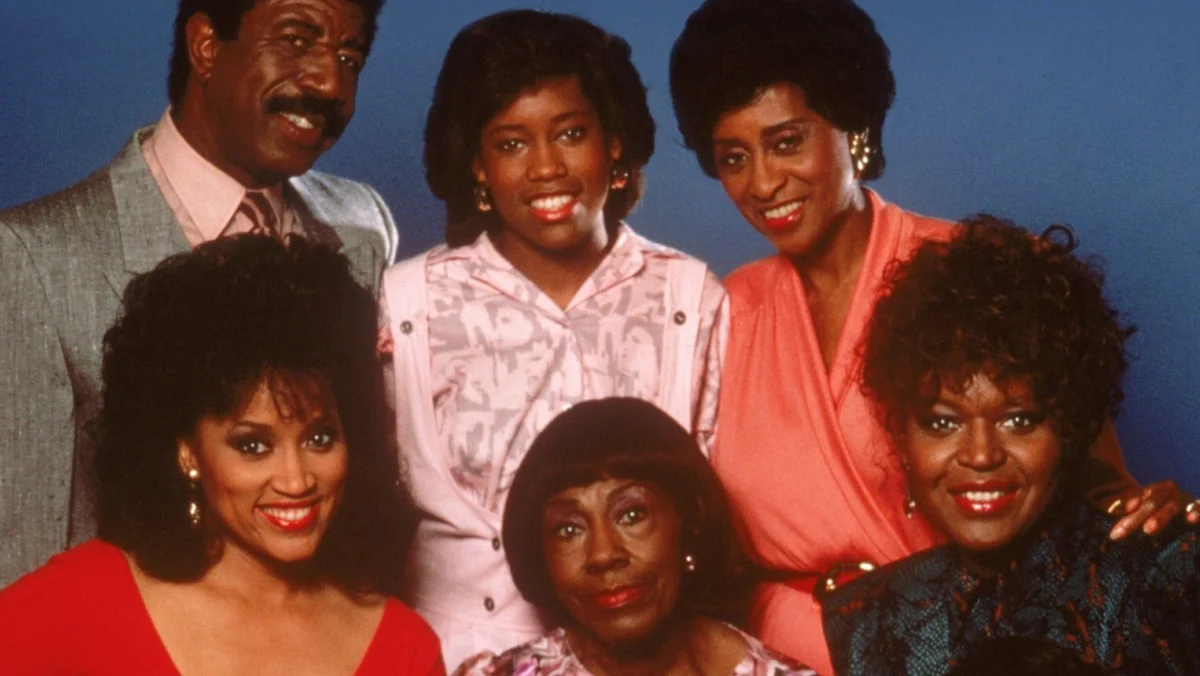
When the long-running CBS cultural touchstone "The Jeffersons" concluded its historic 11-season run in 1985, television audiences were left with a void in their primetime schedules. Enter NBC’s "227," a vibrant, laughter-filled sitcom that would soon become a cornerstone of 1980s television. Rooted in the lived experiences of playwright Christine Houston, the show evolved from a stage production—in which the legendary Marla Gibbs had starred—into a television powerhouse. While industry titans like Norman Lear initially eyed the project for Broadway, the creative vision of Gibbs, combined with the writing talents of Michael G. Moye and Bill Boulware, ultimately transformed the property into a defining sitcom for a generation.
Today, nearly four decades after the series concluded its 116-episode run in 1990, "227" remains a beloved artifact of television history. As time moves forward, the cast has dispersed into various corners of Hollywood, with only three of the show’s primary stars still with us today: Marla Gibbs, Jackée Harry, and Regina King. This report examines the evolution of these three titans, their post-"227" contributions to the arts, and the lasting implications of their work.
The Genesis of 227: A Creative Powerhouse
The journey of "227" was not merely a casting success; it was a masterclass in behind-the-scenes determination. Marla Gibbs, already a household name due to her iconic role as Florence Johnston on "The Jeffersons," recognized the potential of Houston’s play early on. In an interview with the Television Academy, Gibbs revealed her role as an "uncredited producer" who held executive rights and privileges despite a lack of formal billing.
"I took it anyway because it was a great way to learn this business," Gibbs noted. This tenacity fueled the show’s five-season tenure, providing a platform for complex, relatable, and comedic storytelling that centered on the residents of an apartment building in Washington, D.C. The show’s writers, including Moye—who would later craft the irreverent "Married… with Children"—and Boulware, who helped shape "The Fresh Prince of Bel-Air," established a narrative rhythm that remains influential in the genre today.
Marla Gibbs: The Matriarch of Modern Comedy
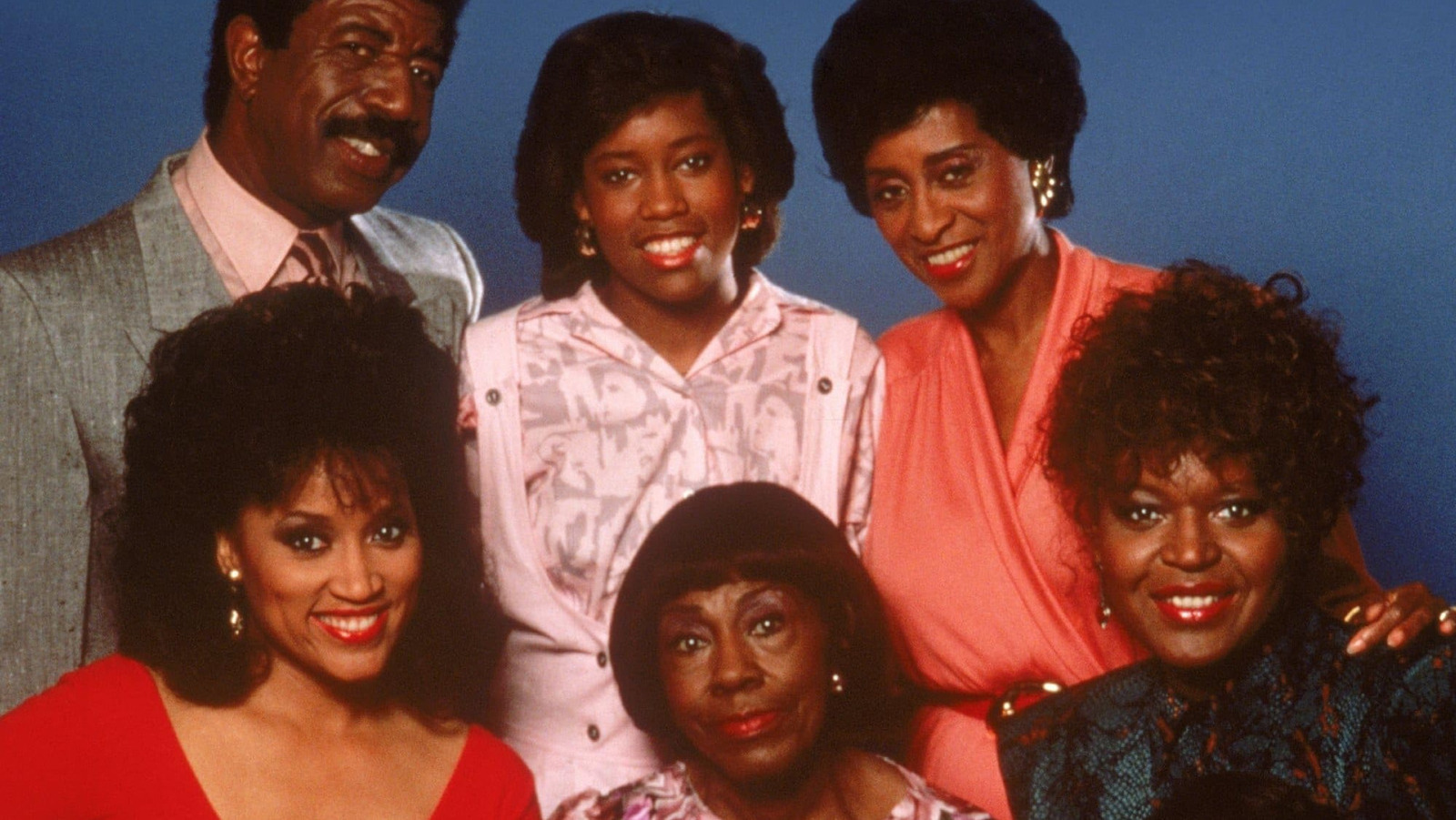
Marla Gibbs’ portrayal of Mary Jenkins was the heart and soul of "227." Mary was the anchor—a sharp-witted, kind-hearted, and occasionally meddlesome woman who balanced the antics of her neighbors with grace.
A Lifetime of Versatility
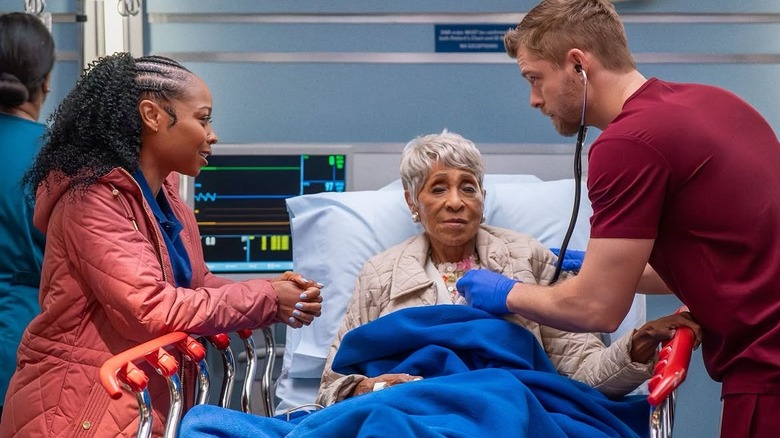
At 95 years old, Gibbs has defied the industry’s tendency to sideline aging performers. She continues to appear on screen with a frequency that would humble performers half her age. Her recent return to NBC for a guest role on "Chicago Med," where she performed alongside her real-life daughter, Angela Elayne Gibbs, served as a poignant reminder of her enduring craft.
Gibbs has navigated the modern entertainment landscape with remarkable agility. Her recent credits range from the medical drama Grey’s Anatomy and the daytime staple Days of Our Lives to a comedic appearance in Mel Brooks’ History of the World, Part II. Perhaps most notably, she took on a cameo in the Breaking Bad spin-off film El Camino, playing a woman who sought a vacuum cleaner rather than a new identity—a subtle, humorous nod to her status as a legendary figure in television history.
Longevity and Philosophy
When asked about her secret to longevity, Gibbs emphasizes the importance of remaining active and engaged. A recent social media post featuring the icon in a gym, utilizing a weight machine, resonated with fans worldwide. "At my age, it’s easy to just lay in bed," she wrote. "Then I remember… as long as I’m breathing, I still have a chance to enjoy life." This philosophy has cemented her legacy not just as a comedic actress, but as a symbol of vitality and grace in the entertainment industry.
Jackée Harry: From Scene-Stealer to Television Staple
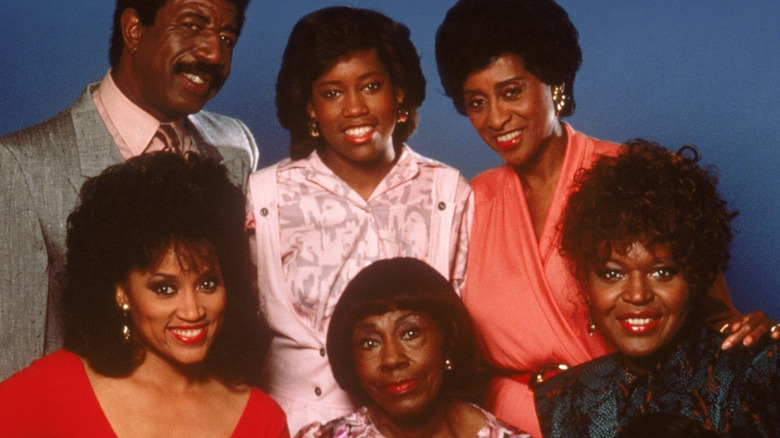
If Mary Jenkins was the anchor of "227," then Sandra Clark—played by the incomparable Jackée Harry—was the wind that kept the show’s energy chaotic and electric. As the glamorous, flirtatious neighbor, Harry’s performance was a masterclass in comedic timing, earning her an Emmy Award and paving the way for a career that would span multiple decades.
A Career Defined by Evolution
Harry’s post-"227" career is a roadmap of American sitcom history. After the show concluded, she jumped into the Eddie Murphy-created The Royal Family before landing her next massive hit: Sister, Sister. As Lisa Landry, Harry brought a maternal warmth and comedic flair to the 1990s staple, endearing her to a new generation of viewers.
Her resume continued to expand in the 2000s, with a memorable run as Vanessa in Everybody Hates Chris and roles in the sitcom The First Family. Harry has proven to be an inexhaustible talent, seamlessly transitioning between stage, screen, and voice acting. Her return to the soap opera world in 2021 as Paulina Price on Days of Our Lives served as a homecoming of sorts, bringing her career full circle.
Supporting Data: The Impact of "Sandra Clark"
The character of Sandra Clark was groundbreaking for the 1980s, representing a Black female character who was unapologetically confident, fashion-forward, and assertive. Sociologists and television historians often point to Harry’s portrayal as a pivotal moment in the diversification of the "vamp" or "flirt" archetype in sitcoms. Her success proved that such characters could be complex, multidimensional, and central to the show’s emotional resonance.
Regina King: The Transformation of an Icon
Regina King’s ascent from a teenage actress on "227" to an Academy Award-winning powerhouse is one of the most remarkable career trajectories in Hollywood history. Playing Brenda Jenkins, the daughter of Mary and Lester, King was the audience’s window into the youth perspective of the show.
From Sitcom Star to Cinematic Force
King’s transition to feature films in the 1990s was nothing short of legendary. She moved from the comfort of the 227 set to the gritty, influential landscapes of Boyz n the Hood, Friday, and Jerry Maguire. Her ability to inhabit diverse roles—from the comedic timing required in Friday to the dramatic intensity needed for Enemy of the State—set her apart from her peers.
Her career reached an apex with her Oscar-winning performance in If Beale Street Could Talk (2018). Her portrayal of a protective, deeply loving mother showcased a profound emotional depth that resonated with critics and audiences alike.
Implications of Her Directorial Work
King’s influence extends beyond the camera lens. Her work as a director—helming episodes of This Is Us and Insecure before her feature film debut, One Night in Miami…—demonstrates a commitment to storytelling that prioritizes nuance, history, and the human condition. Her evolution is a testament to the "227" training ground, which provided a platform for young talent to observe and learn from veterans like Marla Gibbs.
Chronology of the 227 Legacy
- 1985: "227" premieres on NBC, effectively filling the gap left by "The Jeffersons."
- 1987: Jackée Harry wins the Primetime Emmy Award for Outstanding Supporting Actress in a Comedy Series, the first African American to do so in that category.
- 1990: The series concludes its 116-episode run, leaving an indelible mark on 80s pop culture.
- 2000s–2010s: The cast members achieve individual milestones, with King winning an Oscar and Gibbs continuing a prolific guest-starring career.
- 2020s: The surviving cast members continue to influence the industry, with King turning to directing and Harry and Gibbs maintaining active roles in modern television dramas.
Implications for Future Generations
The story of the "227" cast is more than a list of credits; it is a blueprint for longevity in a notoriously difficult industry. The resilience shown by Gibbs, the adaptability displayed by Harry, and the artistic growth demonstrated by King provide a roadmap for young actors entering the business today.
Furthermore, the success of "227" highlighted the importance of Black-led narratives in primetime television. By focusing on the everyday lives of a D.C. apartment complex, the show proved that the specificity of the Black experience is universal in its appeal.
As we look at the paths taken by these three icons, we see a shared commitment to the craft. Whether through the lens of a soap opera, the gravity of an Academy Award-winning film, or the warmth of a long-running sitcom, these performers have ensured that the legacy of "227" is not relegated to the archives. Instead, it lives on through the continued presence, passion, and professional evolution of its stars. Their stories remind us that while a series may end, the impact of the talent behind it continues to resonate, shaping the cultural fabric for decades to come.










