

As we mark National AI Day, the discourse is overwhelmingly focused on the promises of the future: the productivity gains of large language models, the potential for medical breakthroughs, and the transformation of the global economy. Yet, beneath the veneer of digital convenience lies a sobering reality. While millions of users query ChatGPT for everything from coding assistance to meal planning, the physical infrastructure supporting these digital brains is exerting an unprecedented toll on the natural world.
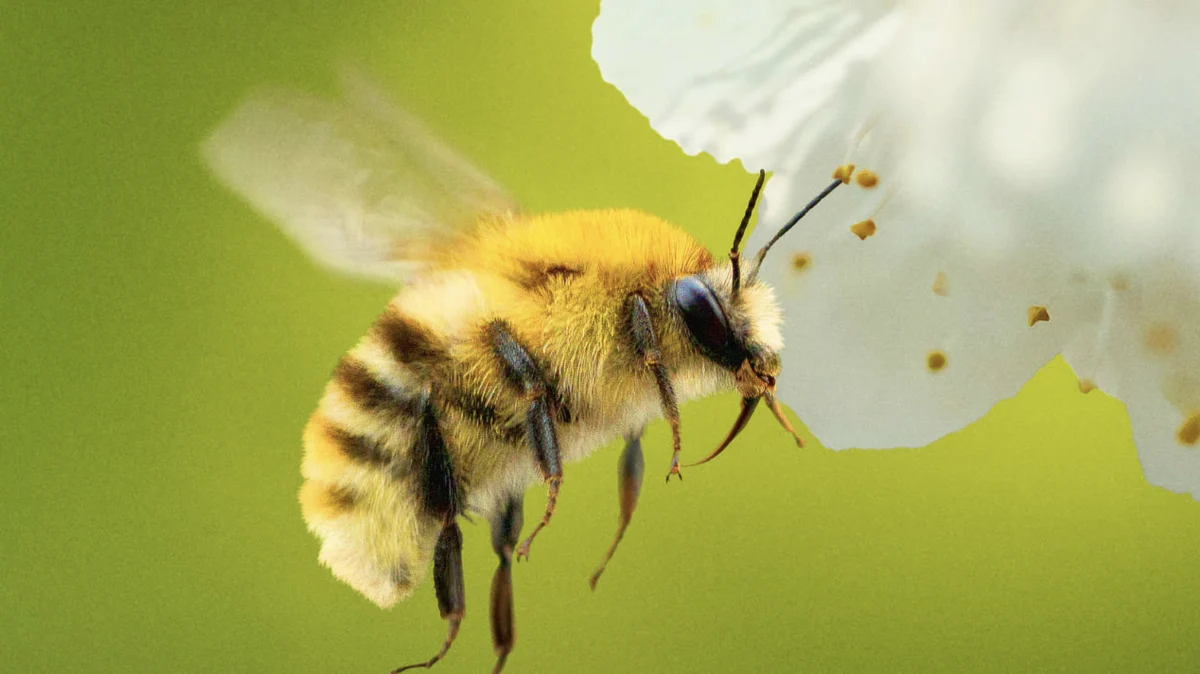
Perhaps most surprisingly, the hidden victims of this technological revolution are the world’s most vital pollinators: bees. A growing body of research suggests that the rapid, energy-intensive expansion of AI infrastructure is fueling climate-warming emissions that place fragile bee populations under life-threatening heat stress. In this deep dive, we examine how the "intelligence" of the future is colliding with the biology of the past.
The Mechanics of Consumption: Why AI is an Energy Hog
To understand the environmental impact of AI, one must first distinguish it from the traditional internet. A standard web search is a relatively low-power affair, requiring a fraction of a second of server time. Generative AI, however, is a different beast entirely.
Training a large language model (LLM) requires processing vast datasets through thousands of specialized graphics processing units (GPUs) over weeks or months. But the "inference" phase—the moment you hit "enter" on your query—is where the cumulative energy drain becomes significant. Every prompt triggers a complex, resource-intensive computation that requires high-performance cooling and electricity.
The Data Center Explosion
The International Energy Agency (IEA) has issued stark projections regarding this surge. Global electricity consumption from data centers is expected to more than double by the end of the decade. While this growth is driven by digitalization at large, AI is the primary catalyst for a new generation of "hyperscale" data centers. These facilities are often larger than thousands of combined retail warehouses, and their energy requirements are so immense that they are beginning to strain regional power grids, often forcing utility providers to revert to fossil fuel-heavy energy mixes to keep up with the demand.

Chronology of a Crisis: From Silicon to Sustainability
- 2022: The public launch of ChatGPT triggers a gold rush in generative AI, leading to an unprecedented demand for data center capacity.
- 2023: Environmental researchers begin tracking the "water footprint" and energy consumption of major AI models, noting that a single query can consume as much electricity as a small lightbulb left on for several hours.
- 2024: The University of Sydney publishes a landmark study connecting the dots between AI-driven carbon emissions, local temperature spikes, and the physiological impact on insect pollinators.
- 2025–2026: Technology companies face increasing pressure from regulators and environmental groups to shift toward carbon-neutral data centers. The conversation shifts from "can we build it?" to "how can we power it sustainably?"
The Bee Connection: A Fragile Biological Link
Why should the health of a server farm in Northern Virginia or the deserts of Nevada matter to a bee in a meadow? The answer lies in the delicate equilibrium of global temperatures.
The Sensitivity of Pollinators
Bees are remarkably sensitive to thermal fluctuations. They rely on specific temperature ranges to regulate their activity, reproduction, and hive health. When average temperatures rise, even by small margins, the consequences are severe:
- Reproductive Failure: Studies have shown that heat stress significantly reduces sperm viability in male bees, leading to lower colony birth rates.
- Developmental Mortality: During the larval stage, bees are highly susceptible to heat; extreme spikes in temperature can lead to mass mortality within the brood.
- Disease Susceptibility: Heat-stressed colonies are immunocompromised, making them more vulnerable to the mites, pathogens, and pesticides that already threaten their survival.
Modeling the Impact
Researchers at the University of Sydney have utilized sophisticated climate modeling to predict the impact of AI-related electricity consumption. By calculating the potential carbon emissions from projected data center growth and correlating them with regional warming trends, the team found a clear, albeit alarming, trajectory. If AI infrastructure continues to rely on high-carbon electricity sources, the resulting rise in ambient temperatures could put millions of bees at risk of "thermal collapse" every year.
The cumulative effect of billions of daily AI interactions, combined with the heat generated by the servers themselves, creates a feedback loop that threatens the stability of agricultural ecosystems.
The Economic Ripple Effect: Why Your Wallet Should Care
The decline of bee populations is not merely an environmental tragedy; it is an economic catastrophe in the making. Pollinators are the backbone of global agriculture. According to the Food and Agriculture Organization, roughly one-third of the human diet—including essential fruits, vegetables, nuts, and seeds—is dependent on insect pollination.

When bee populations decline, crop yields drop. The scarcity of these goods leads to a direct increase in food prices. As we integrate AI into the very systems that govern our modern lives, we risk destabilizing the foundational food security systems that underpin our economy. The "cost" of an AI query, therefore, is not just the electricity on your bill, but potentially a hidden tax on the food on your plate.
Official Responses and Industry Accountability
The tech giants behind the AI boom—Microsoft, Google, Meta, and Amazon—are well aware of the scrutiny. In response, a significant shift in corporate strategy has begun to take shape.
The Push for Renewable Infrastructure
Many major players have committed to "Net Zero" targets, investing billions in renewable energy infrastructure, such as massive wind and solar farms. Furthermore, there is a race toward more efficient cooling systems, such as liquid cooling, which significantly reduces the energy required to prevent server overheating.
Innovation in Hardware and Software
Chip manufacturers are also pivot-pointing. Newer, more efficient AI hardware is being designed specifically to handle large workloads with a smaller electricity footprint. Simultaneously, the industry is seeing a rise in "Small Language Models" (SLMs) and edge computing. By running AI models directly on local devices like smartphones or laptops, the reliance on massive, cloud-based data centers is reduced for certain tasks, offering a path toward a more decentralized and sustainable AI future.
Implications: A Call for Responsible Intelligence
The takeaway from this year’s National AI Day is not a call to abandon the technology. AI holds the potential to solve some of the world’s most intractable problems, including optimizing energy grids and accelerating climate-friendly materials research.
However, we must move past the idea that digital progress is "weightless." The infrastructure of the future must be built on a foundation of sustainability. The challenge for the next decade is two-fold:
- Policymakers: Must mandate transparency regarding the energy sources powering data centers.
- Tech Industry: Must prioritize energy efficiency as a primary feature of AI development, rather than an afterthought.
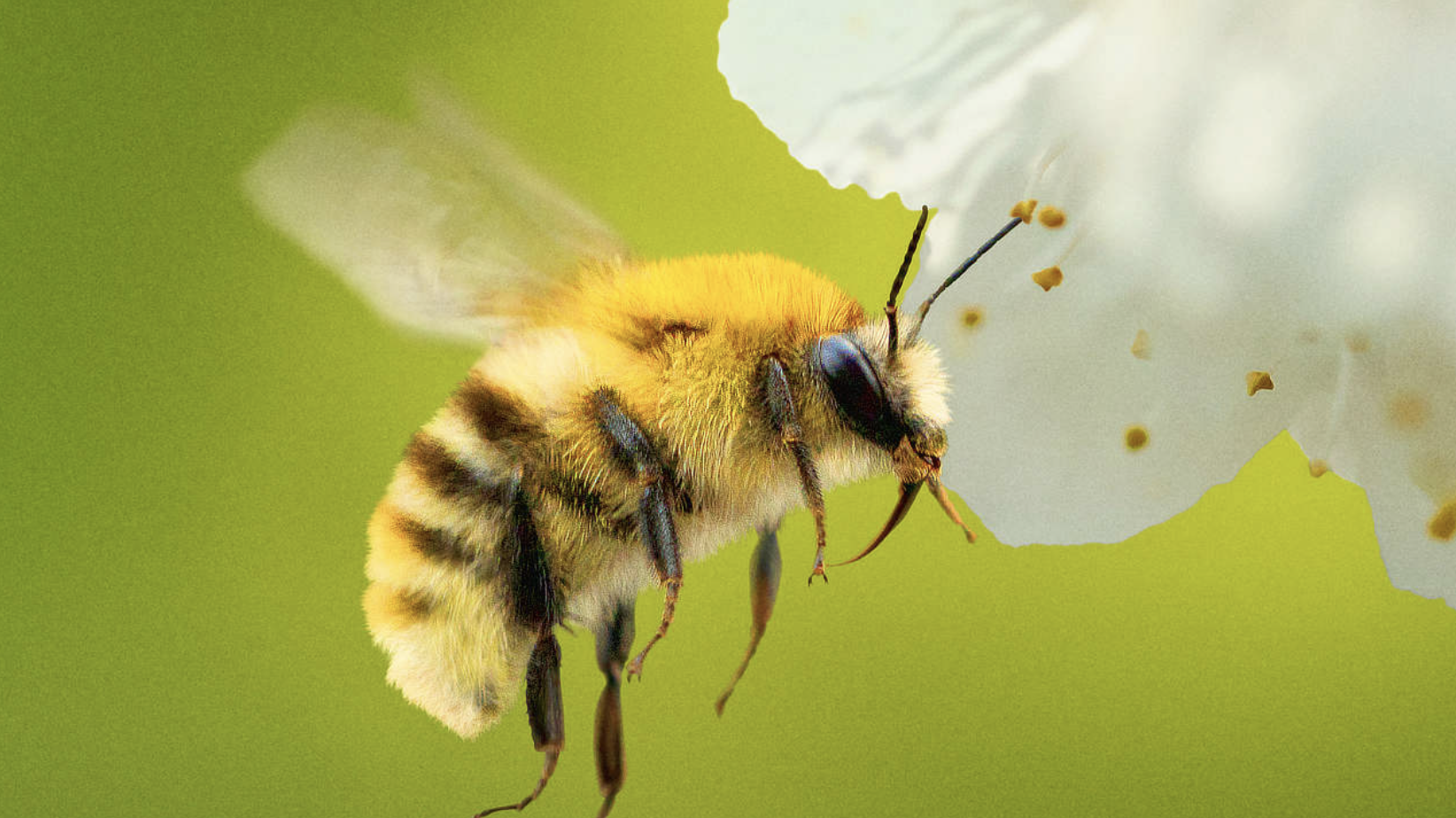
The fate of our digital future is inextricably linked to the health of our natural world. As we continue to refine the intelligence of our machines, we must ensure that we do not do so at the expense of the tiny, buzzing workers that keep our planet thriving. Responsible AI is not just about ethics and bias; it is about ensuring that our progress does not come at the cost of the pollinators that make life on Earth possible.
As we look ahead, the goal must be a symbiosis where AI helps us protect the environment, rather than forcing us to choose between the two. The bees, and our food supply, are counting on it.











