

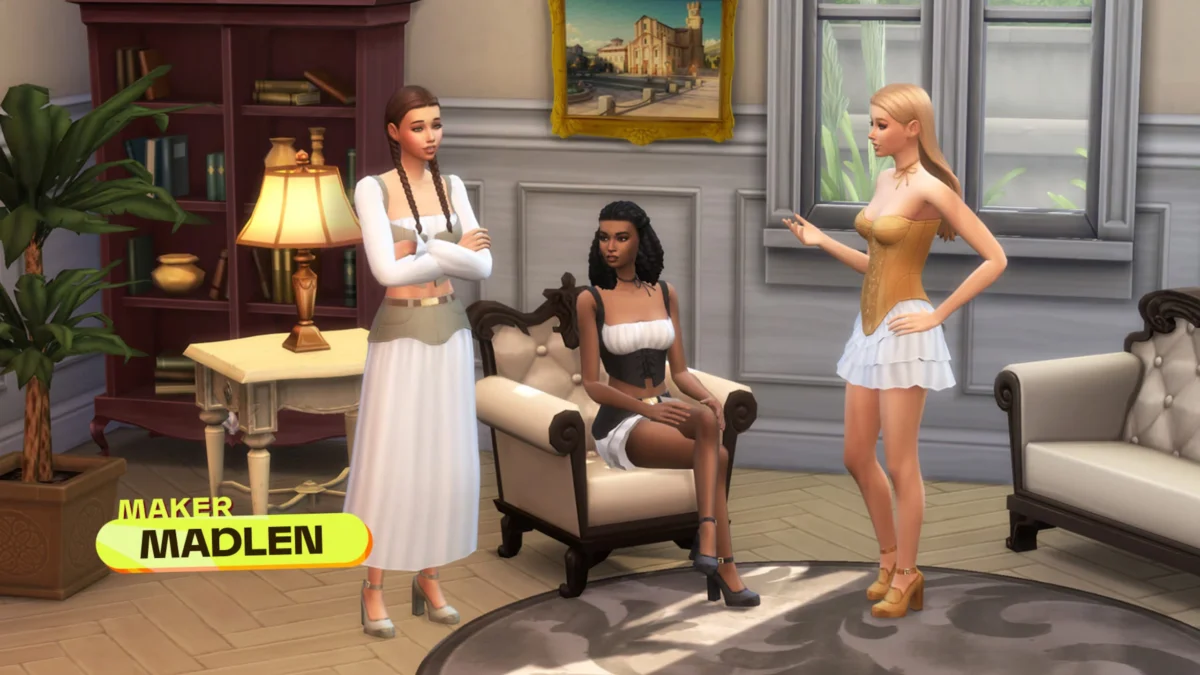
London, UK – [Current Date] – The Sims 4, Maxis and Electronic Arts’ beloved life simulation game, has officially expanded its Marketplace and integrated user-created content (UGC) to PlayStation and Xbox consoles. This rollout, occurring a little over a month after its debut on PC, marks a significant step in bringing a more customizable experience to console players. However, the introduction is shadowed by ongoing controversy surrounding its monetization model, particularly the reliance on a new premium currency called "Moola" and recent shifts in policy regarding purchasable "Kits" for PC players.
The console launch brings with it the same structure seen on PC, where players can purchase a variety of user-generated items – from custom furniture and clothing to architectural pieces – using Moola. This digital currency has been a focal point of player frustration since its initial unveiling, prompting a mixed reception for what could otherwise be a groundbreaking expansion of content availability for console users.
Main Facts: A New Era for Console Customization, But At What Cost?
The arrival of The Sims 4 Marketplace on PlayStation and Xbox signifies a major shift for console players, granting them unprecedented access to a curated selection of user-created content. Historically, robust modding and custom content have been largely confined to the PC version of The Sims, leveraging the open nature of the platform. The Marketplace aims to bridge this gap, offering a more officially sanctioned and integrated avenue for creators to share their work with a broader audience.
At its core, the Marketplace functions as a digital storefront within The Sims 4 client, showcasing a range of items crafted by approved creators participating in the "Maker Program." These items span decorative objects, build mode assets, and potentially even gameplay-altering elements, mirroring the diverse ecosystem of free custom content that has long thrived on PC.
However, the enthusiasm for this expanded access is tempered by the controversial implementation of "Moola." This premium, in-game currency is now the sole method for acquiring Marketplace items, as well as a specific category of official DLC known as "Kits." The pricing structure of Moola, much like other premium currencies in the gaming industry, has drawn sharp criticism for obscuring the real-world value of purchases and often leaving players with residual, unusable amounts of currency after buying desired items.
Furthermore, the console launch occurs against the backdrop of a dynamic situation on the PC platform. Following significant community backlash, a leaked internal memo suggested that EA is poised to reverse its decision to make "Kits" exclusively purchasable with Moola on PC, with a return to direct real-money transactions already initiated on the EA App and planned for Steam. This creates an immediate disparity, as console players are introduced to a system that PC players are already seeing modified, raising questions about fairness and future policy alignment.
Chronology of the Marketplace Rollout: From PC Debut to Console Integration
The journey of The Sims 4 Marketplace has been characterized by a phased rollout, each stage met with varying degrees of community reaction and strategic adjustments from Maxis and EA.
Initial PC Launch and Early Reactions
The Sims 4 Marketplace and its associated Maker Program first debuted on PC approximately a month prior to its console counterpart. This initial launch was positioned by Maxis as an evolution of the game’s commitment to player creativity and community engagement, offering a platform for creators to monetize their efforts and for players to discover new, unique content. The vision was to create a vibrant, official ecosystem for custom content, providing a more structured and potentially safer alternative to the sometimes-unregulated world of free mods.
However, the PC launch was met with a significant wave of discontent from a substantial portion of the player base. The primary flashpoint was the mandatory use of Moola. Players immediately voiced concerns about the opaque pricing model, where real-world money is first converted into Moola, which then buys the content. This two-step process, common in many free-to-play and live-service games, often leads to situations where players must purchase more premium currency than strictly necessary for an item, leaving them with small, unusable balances. This perceived "nickel-and-diming" tactic was particularly grating for a game that already has a substantial upfront cost and numerous paid expansion, game, and stuff packs.
Adding fuel to the fire was the reclassification of "Kits" – smaller, themed content packs – which were moved from direct real-money purchase to Moola-only acquisition. Kits, previously purchasable for a few dollars each, suddenly required players to engage with the Moola system, intensifying the feeling that EA was pushing players towards its new premium currency model. The PC community, known for its extensive and often free custom content, questioned the value proposition of official paid mods, especially when many high-quality alternatives existed for free.
Console Integration and Parity
With the PC version serving as a testing ground, the Marketplace made its way to PlayStation and Xbox consoles. Maxis confirmed that the console experience would largely mirror that of the PC, meaning console players would also be introduced to the Moola currency system for Marketplace items and Kits.
The introduction of user-created content to consoles for The Sims 4 is, in itself, a notable achievement. Console gaming platforms typically maintain tighter controls over third-party modifications due to security, performance, and certification requirements. The Marketplace represents a curated system that allows Maxis and EA to vet content, ensuring it meets certain standards before being made available to console players. This opens up a new realm of customization for a segment of the player base that has traditionally been limited to official DLC releases.
For console players, this could be seen as a net positive in terms of content variety. However, the identical implementation of Moola and the Kits policy means that console players immediately inherit the controversies that have plagued the PC launch. They are effectively joining the ecosystem at a point where a significant portion of the community has already expressed dissatisfaction with the economic model.
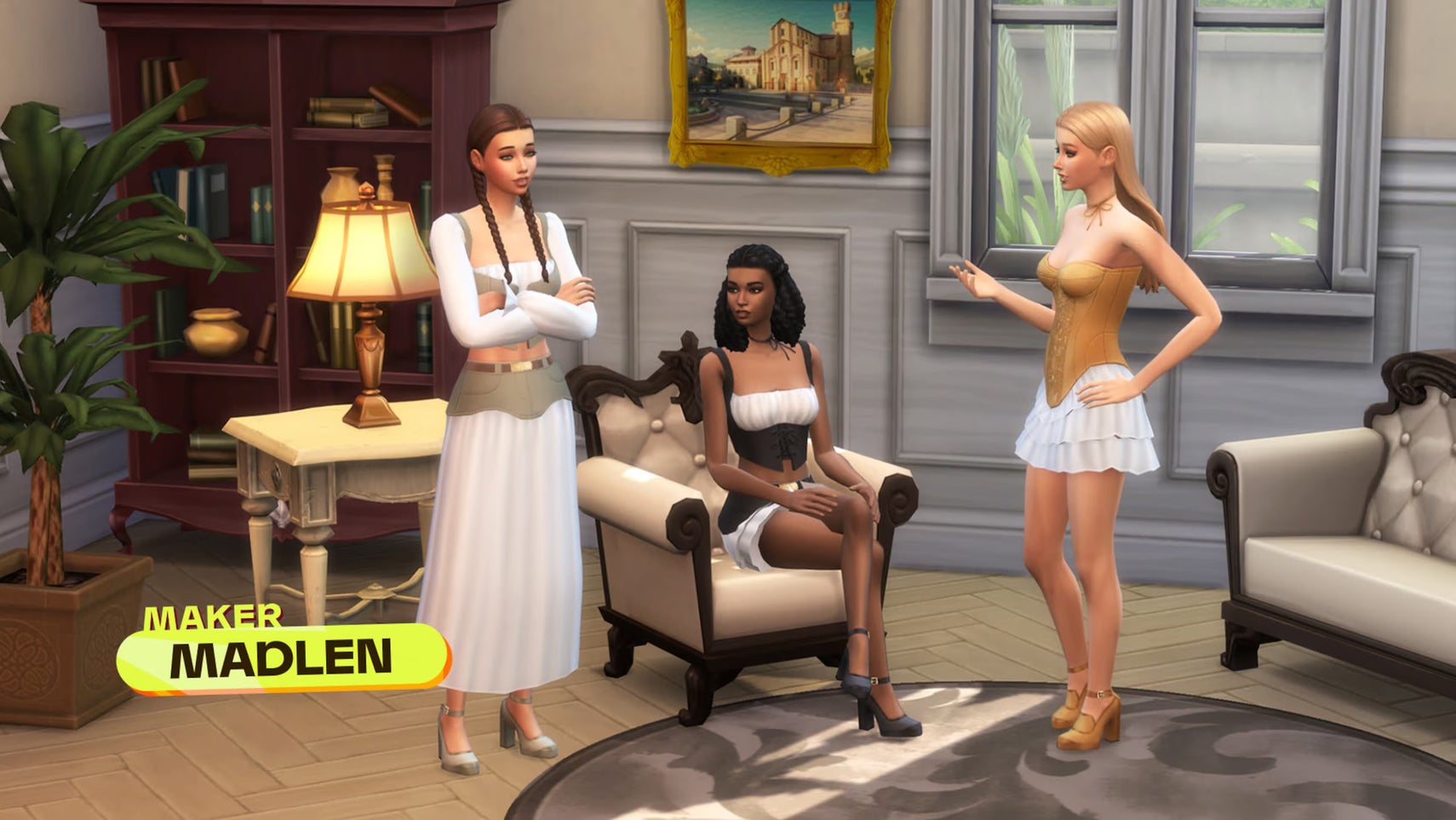
The "Kits" Controversy and EA’s Apparent Reversal
One of the most intriguing developments in this unfolding narrative is the recent leak suggesting a significant policy change regarding Kits on PC. A memo, reportedly from within EA, indicated plans to revert Kits to direct real-money purchases on both the EA App and Steam platforms. According to reports from SimsCommunity, this change has already taken effect on the EA App, with Steam expected to follow suit shortly after April 20th.
This reversal, if fully implemented across PC platforms, would be a direct response to the community’s outcry. It suggests that the backlash against the Moola-only requirement for Kits was substantial enough to prompt a re-evaluation of the monetization strategy. The return to direct purchasing would alleviate one of the major pain points for PC players, allowing them to acquire these smaller content packs without engaging with the premium currency system.
Crucially, this apparent policy shift does not extend to the newly launched console Marketplace, at least not immediately. The original article notes that "the company may wait to see if the decision to remove Kits from console platform marketplaces will be as poorly received as it has been on PC." This implies a "wait and see" approach for consoles, treating them as a separate, perhaps less vocal, market segment. This creates an immediate and noticeable discrepancy in how players on different platforms can acquire content, potentially leading to further frustration among console players who are subject to a monetization model that PC players are escaping.
Supporting Data and Community Sentiment: A Fraught History of Paid Mods
The debate surrounding paid mods and user-created content is not new to the gaming landscape. The Sims 4 Marketplace is merely the latest iteration in a long, often tumultuous history of developers and publishers attempting to monetize community-driven content.
The History of Paid Mods in Gaming
The most prominent example of a widespread paid mod initiative dates back to 2015 when Valve, in partnership with Bethesda, introduced paid mods to The Elder Scrolls V: Skyrim’s Steam Workshop. This endeavor lasted mere days before being pulled due to overwhelming community backlash. Players raised concerns about quality control, content theft (where free mods were re-uploaded for a price), developer cuts, and the fundamental philosophical objection to paying for content that had historically been free and created out of passion.
While the Skyrim experiment failed spectacularly, the concept didn’t entirely vanish. Bethesda later introduced the Creation Club for Skyrim and Fallout 4, a more curated system where selected creators are paid by Bethesda to produce content, which is then sold using a premium currency. This model, while more controlled, still faced criticism for its pricing and the perception of developers profiting from a community that largely provided content for free.
These historical precedents highlight a consistent theme: gaming communities, particularly those with a strong modding culture like The Sims, are fiercely protective of their free content ecosystem. The introduction of official, paid alternatives is often viewed with suspicion, seen as a threat to the existing culture of sharing and collaboration, and a cynical attempt to monetize passion projects.
The Sims Modding Community’s Perspective
The Sims 4 boasts one of the most prolific and dedicated modding communities in gaming. Thousands of creators contribute an astounding array of custom content (CC) and mods, ranging from new hairstyles and clothing to complex gameplay overhauls and functional objects. This content is almost universally distributed for free, often supported by creator donations via platforms like Patreon. The sheer volume and quality of free CC are often cited by players as a major reason for the game’s longevity and replayability.
The introduction of an official paid Marketplace, even if curated, inevitably raises concerns within this established community.
- Competition and Discoverability: Will the official Marketplace overshadow free CC? Will new players be steered towards paid options before discovering the vast free alternatives?
- Quality vs. Cost: Players might question if the paid content is demonstrably superior in quality or features compared to free offerings to justify its price.
- Creator Incentives: While the Maker Program aims to empower creators, some existing modders might view it as an attempt to co-opt their work or to commercialize a hobby that many prefer to keep non-commercial. The profit sharing model for creators, though not explicitly detailed in the original article, is a common point of contention in such programs.
- Fragmentation: The existence of two parallel content ecosystems – official paid and unofficial free – could lead to fragmentation of the community and content, making it harder for players to navigate.
The reliance on Moola further exacerbates these concerns. The obfuscation of real-world value, coupled with the legacy of free custom content, makes the paid Marketplace a hard sell for many veteran players.
Economic Model and Player Value
The Moola currency system is central to the controversy. It operates on a common freemium model:
- Fixed Denominations: Players buy Moola in fixed bundles (e.g., 500, 1000, 2500 units).
- Item Pricing: Marketplace items and Kits are priced in Moola, often at amounts that don’t perfectly align with the bundles.
- Leftover Currency: This inevitably leads to players having "leftover" Moola that isn’t enough to buy another item, compelling them to purchase another bundle to make a subsequent purchase.
This system is widely criticized for being manipulative. It makes it difficult for players to directly equate the cost of an item in Moola to its real-world cash value, and it incentivizes overspending by creating residual balances. For a game like The Sims 4, which is not free-to-play and already requires significant investment in its core game and numerous DLC packs, this monetization strategy is perceived by many as aggressive and exploitative. It erodes consumer trust and adds an unnecessary layer of complexity to what should be straightforward content acquisition.
Official Responses and Future Outlook: A Balancing Act
Maxis and EA’s communication surrounding the Marketplace and Moola has attempted to frame it as a positive step for both creators and players, though recent developments suggest a more nuanced internal struggle.

Maxis and EA’s Stated Goals
In their official communications, including the launch blog post for the console Marketplace, Maxis has consistently highlighted the Maker Program and Marketplace as initiatives designed to:
- Empower Creators: Provide a platform for talented community creators to showcase and monetize their work, offering a new revenue stream.
- Expand Customization: Offer new, high-quality, and curated options for players to personalize their game experience beyond official DLC.
- Ensure Quality and Safety: Provide a vetted environment for user-created content, ensuring compatibility and reducing risks often associated with unofficial mods.
- Enhance Longevity: By continuously injecting new content, the Marketplace aims to keep the game fresh and engaging for its vast player base.
The initial decision to move Kits to Moola-only purchases was likely part of a broader strategy to solidify Moola as the primary currency for all smaller, supplementary content within The Sims 4 ecosystem, thereby driving adoption and usage of the new system.
The Leaked Memo and Unofficial Stance
The leaked memo regarding the reversal of the Kits policy for PC players represents a significant, albeit unofficial, acknowledgment of player dissatisfaction. While EA has not issued a public statement directly addressing the leak or the reasoning behind the change, the reported action on the EA App speaks volumes. It strongly suggests that the backlash from the PC community was more impactful than anticipated, potentially affecting sales of Kits or overall player engagement.
The fact that this reversal is not immediately extended to console players, as implied by the original article, reveals EA’s cautious and segmented approach. The "wait and see" strategy for consoles could be driven by several factors:
- Differing Community Dynamics: Console player communities for games like The Sims 4 might be perceived as less vocal or less organized in their feedback compared to the PC community, which has a long history of modding and community advocacy.
- Lower Expectations for Modding: Console players, traditionally having less access to user-created content, might be more accepting of any official form of UGC, even with a controversial monetization model.
- Strategic Data Gathering: EA might be using the console launch as a fresh data point to gauge how the Moola system performs in a new market segment before committing to a universal policy. If console players adopt the system without significant negative feedback or sales impact, the Moola-only policy for Kits might persist there.
This creates a potentially awkward situation where console players are effectively being subjected to a policy that PC players have successfully pushed back against. It puts EA in a position of managing different player experiences based on platform, which could lead to further accusations of unequal treatment.
Implications for The Sims 4 Ecosystem: Fragmentation and Future Directions
The rollout of the Marketplace, particularly with its controversial elements and subsequent policy adjustments, carries significant implications for The Sims 4 and the broader gaming landscape.
Fragmentation of Content and Player Experience
The introduction of an official paid Marketplace creates a distinct division within The Sims 4’s content ecosystem. Players now have at least three primary avenues for content:
- Official DLC: Expansion, Game, and Stuff Packs (purchased directly with real money).
- Official Marketplace UGC & Kits (Console): Purchased with Moola.
- Official Marketplace UGC (PC): Purchased with Moola.
- Kits (PC): Returning to direct real-money purchase.
- Unofficial Free Mods/CC: Downloaded from third-party websites (PC only).
This fragmentation can lead to a disjointed player experience. New players might find the array of options confusing, while veteran players might feel pressured to engage with a monetization model they dislike. It also raises questions about discoverability; will the official Marketplace algorithms prioritize paid content, potentially making it harder for players to find excellent free alternatives? The coexistence of a robust free modding scene alongside an official paid one is a delicate balance, and there’s a risk of alienating segments of the player base.
Impact on Console Players
For console players, the Marketplace represents their first major foray into official user-created content. While the availability of more customization options is a welcome development, the Moola-only system for Kits and Marketplace items immediately introduces a layer of friction. They are not only dealing with a new currency but also a system that has already proven contentious on PC. The knowledge that PC players are getting a reprieve from the Moola-only Kits policy could foster resentment and a feeling of being a second-class citizen within The Sims 4 community. Their feedback will be crucial in determining if EA maintains its current console strategy or eventually aligns policies across platforms.
Precedent for Future Sims Titles and EA Strategy
The Sims 4 Marketplace serves as a significant case study for EA’s broader strategy regarding user-generated content and monetization, especially as development for Project Rene (widely believed to be The Sims 5) progresses. The lessons learned from this rollout – the efficacy of Moola, the community’s reaction to paid mods, and the impact of policy reversals – will undoubtedly influence future decisions.
If the Moola system proves unprofitable or too damaging to player goodwill, EA might reconsider its approach for future titles. Conversely, if console players adopt it without widespread revolt, it might embolden EA to continue experimenting with similar monetization models. The tension between empowering creators and maximizing revenue, while navigating a passionate community, will be a defining challenge for the next generation of Sims titles.
The Broader Game Industry Context
The Sims 4 Marketplace fits within a broader industry trend of increasing monetization in live-service games. From battle passes and cosmetic microtransactions to premium currencies and, now, official paid mods, publishers are continually exploring new revenue streams. This push often clashes with player expectations, particularly in games with established communities and traditional pricing models. The Sims 4’s experience underscores the delicate balance publishers must strike between innovation in content delivery and respecting player sentiment and historical community practices. The success or failure of this Marketplace could influence how other major developers approach user-generated content monetization in their own titles moving forward.
In conclusion, The Sims 4 Marketplace’s arrival on consoles is a double-edged sword. It offers unprecedented customization to a new audience but does so with a monetization model that has already sparked controversy on PC. As EA navigates the differing reactions across platforms and potentially adjusts its strategies, the long-term implications for the game’s ecosystem, its community, and the future of user-generated content monetization remain to be fully seen.










No comments yet. Be the first to join the conversation!