

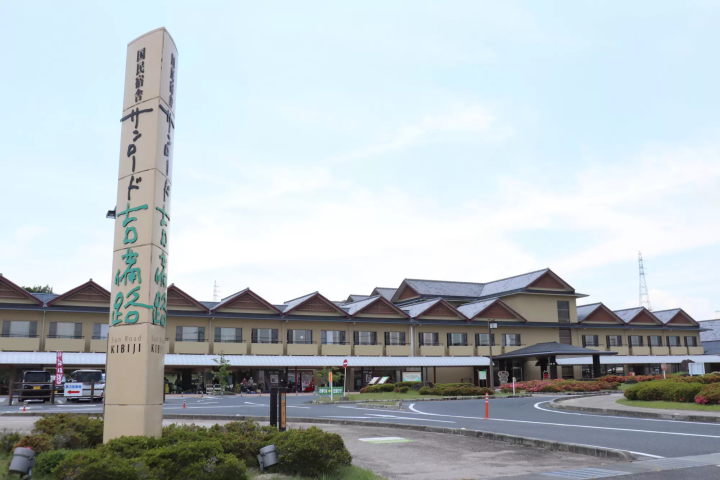
SOJA CITY, OKAYAMA – As of June 2026, the landscape of tourism in Okayama Prefecture has shifted with the highly anticipated reopening of "Sun Road Kibiji." Following an extensive, multi-month renovation—the first major overhaul since the facility first opened its doors in 2003—this iconic hub has emerged as a modernized sanctuary for both weary travelers and local residents.
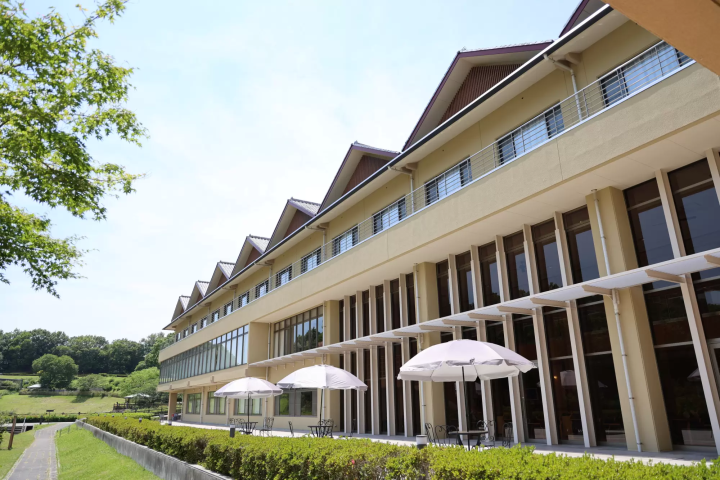
Strategically positioned as a gateway to the historic Kibi region, the facility integrates wellness, gastronomy, and cultural heritage into a single, cohesive experience. From the therapeutic waters of its newly refreshed hot springs to its innovative culinary offerings, Sun Road Kibiji is redefining the concept of a regional tourist hub.
Main Facts: A Landmark Transformation
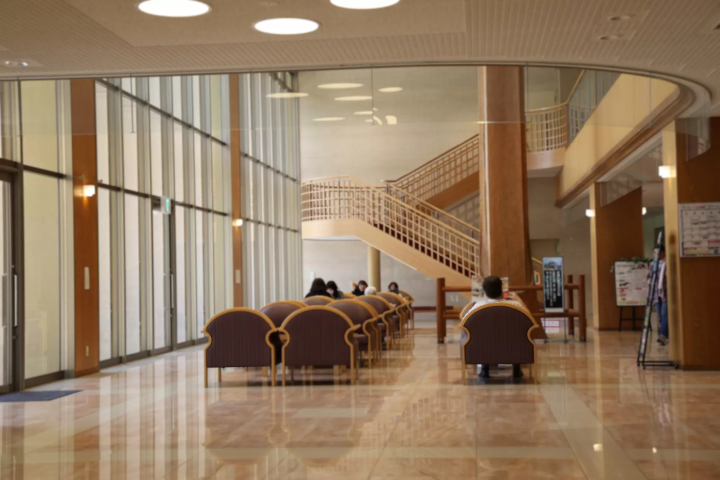
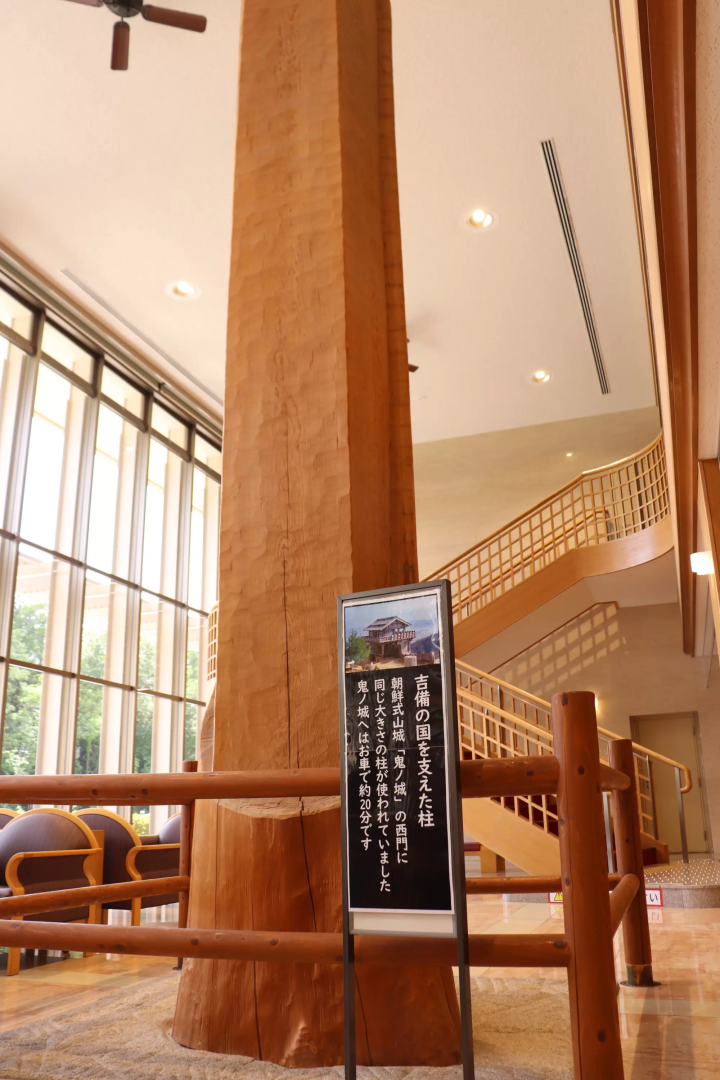
The renovation project, which concluded in June 2026, was designed to balance historical reverence with contemporary comfort. The lobby, the heart of the facility, now features upgraded LED lighting that accentuates the architectural grandeur of the space. Notably, the massive floor pillars were intentionally modeled after the structural dimensions found at the west gate of the nearby Kinojo Castle, bridging the physical gap between the facility and one of Japan’s most significant historical sites.
The facility continues to serve its primary functions:
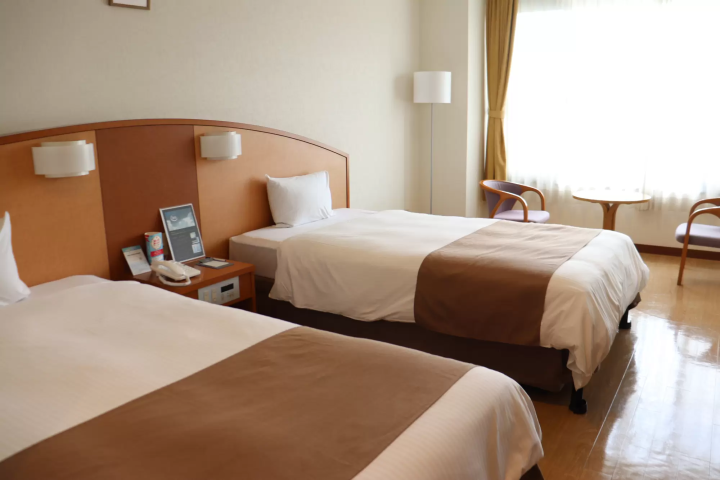
- Accommodations: A blend of Western, Japanese, and hybrid-style rooms.
- Wellness: A comprehensive day-trip hot spring and sauna complex.
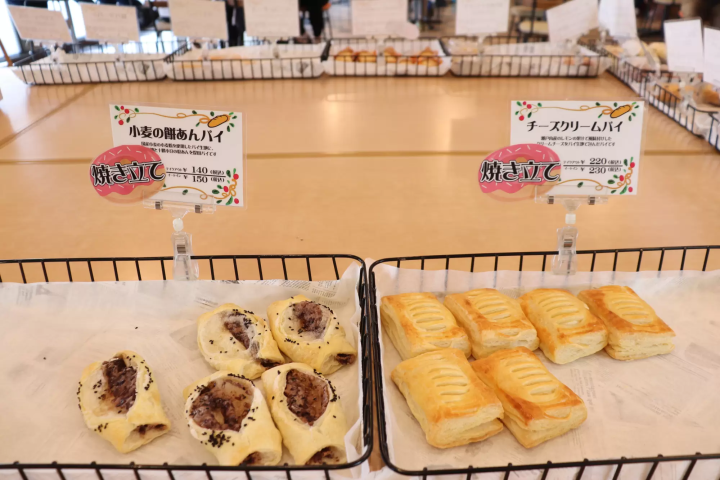
- Gastronomy: High-end dining at Restaurant Muscat and casual artisan offerings at Bakery Café Couleur.
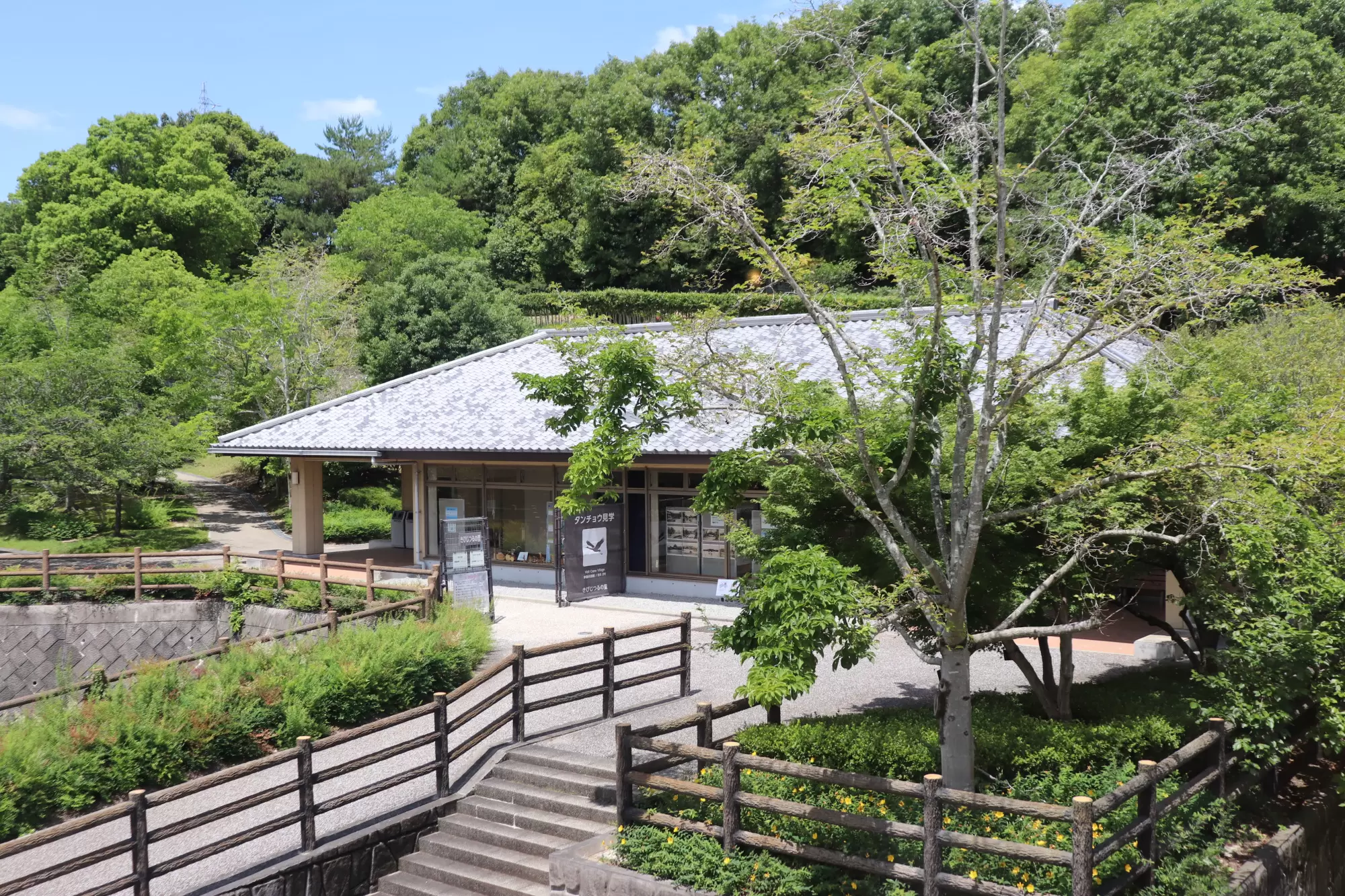
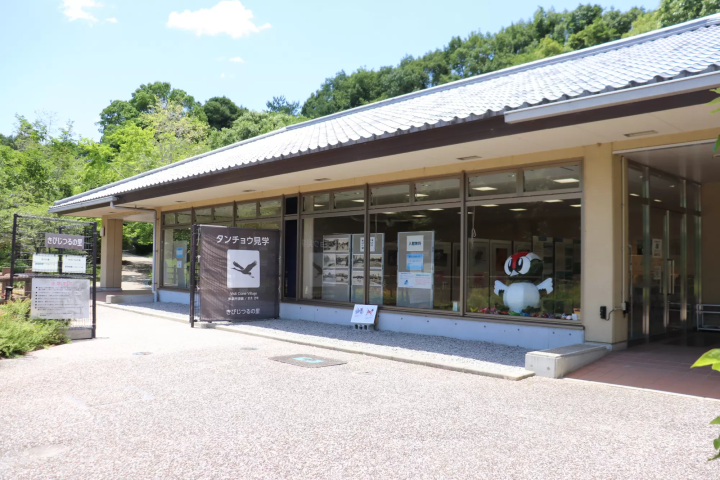
- Conservation: An on-site sanctuary dedicated to the Japanese red-crowned crane.
- Commerce: The "Eetoko Soja" market, highlighting Okayama’s agricultural prowess.
Chronology of Development
The history of Sun Road Kibiji is intrinsically linked to the development of Soja City’s tourism infrastructure.
- 2003: The facility opens its doors, establishing a centralized hub for visitors exploring the Kibi Plain.
- 2003–2025: Over two decades of operation, the site becomes a staple for local community gatherings, school trips, and regional tourism, maintaining steady foot traffic despite aging infrastructure.
- Late 2025: The facility enters a period of closure for its inaugural comprehensive renovation. The project focused on energy efficiency, modernization of the bathing areas, and aesthetic updates to public spaces.
- June 2026: Sun Road Kibiji officially reopens, welcoming the public with upgraded facilities and an expanded menu.
Gastronomic Excellence: From Local Produce to "Kofun" Curry
The culinary experience at Sun Road Kibiji is a testament to the bounty of the Kibi region.
Restaurant Muscat
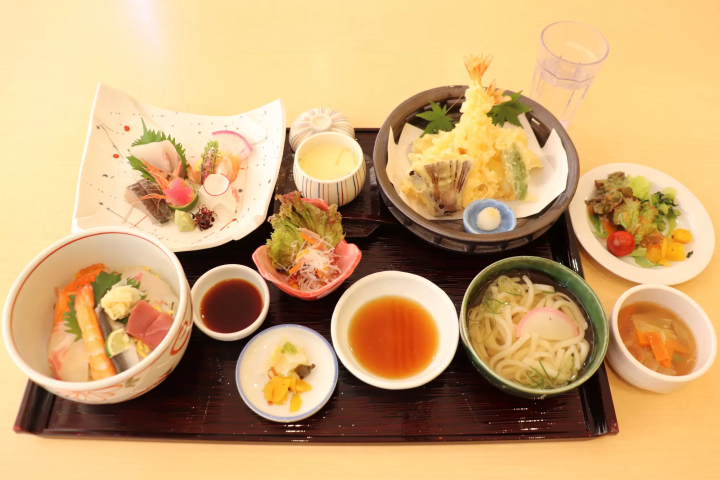
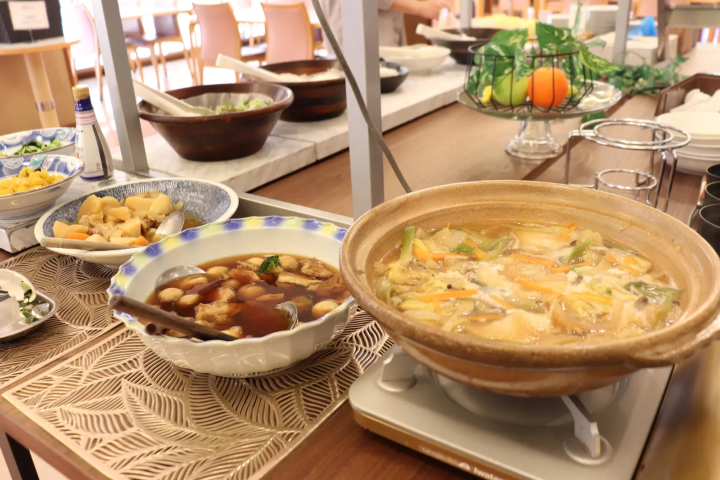
Located on the second floor, this restaurant has become a destination in its own right. Its weekday lunch service, which features a mini-buffet of fresh, locally sourced salads and side dishes, alongside a soft-drink and soft-serve ice cream bar, frequently draws crowds before the doors even open. The signature "Oni no Shiro Kinojo Gozen" set meal—inspired by the local castle—is a highlight, offering a generous portion of Okayama-style sushi.
Bakery Café Couleur
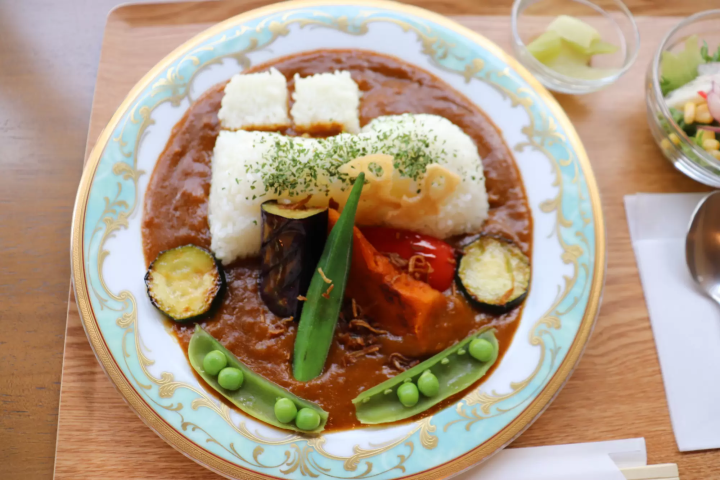
For those seeking a more casual atmosphere, Bakery Café Couleur offers a unique cultural twist. Their standout dish, the "Tsukuriyama Kofun Curry," is a culinary homage to the local keyhole-shaped burial mound. The dish is meticulously crafted to replicate the three-tiered structure of the ancient mound, using seasonal vegetables grown in Soja City. It is a brilliant example of "edible history," providing visitors with a tangible connection to the region’s archaeology.
Wellness and Relaxation: The "Beauty Bath"
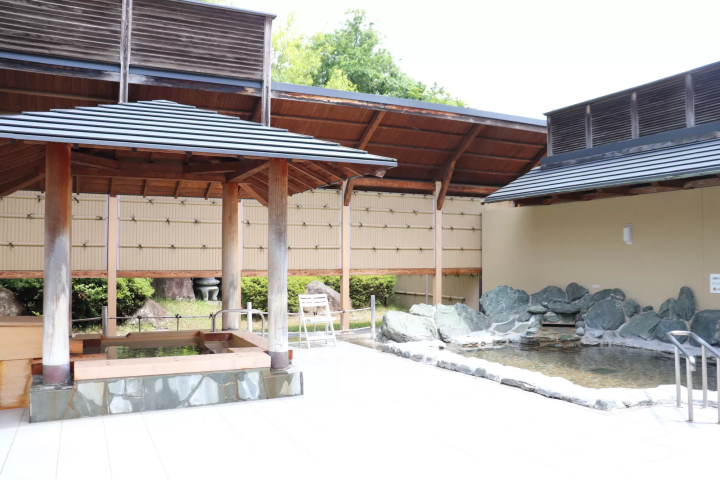
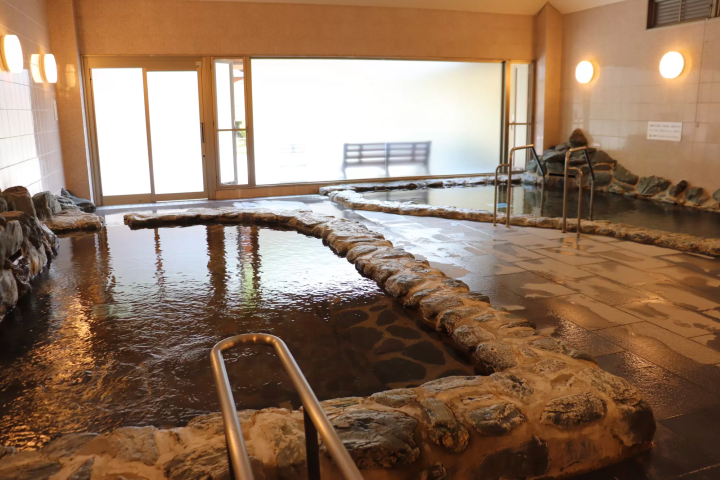
The core of the facility’s wellness offering is its natural hot spring. The renovation has revitalized the bathing experience, which is split into Japanese and Western-style sections that rotate by gender.
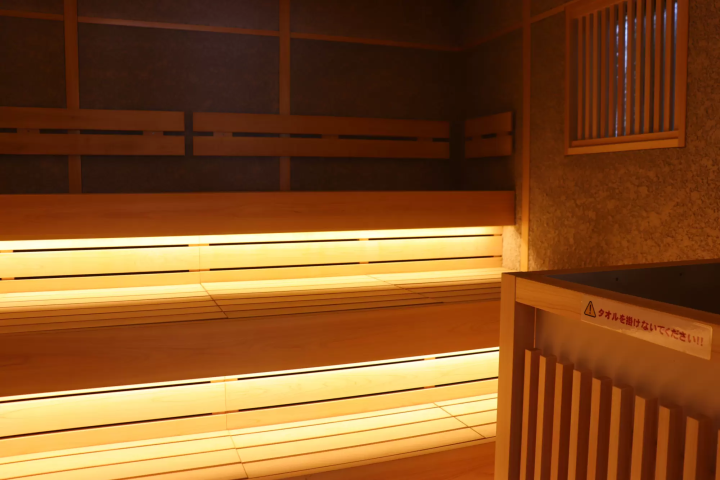
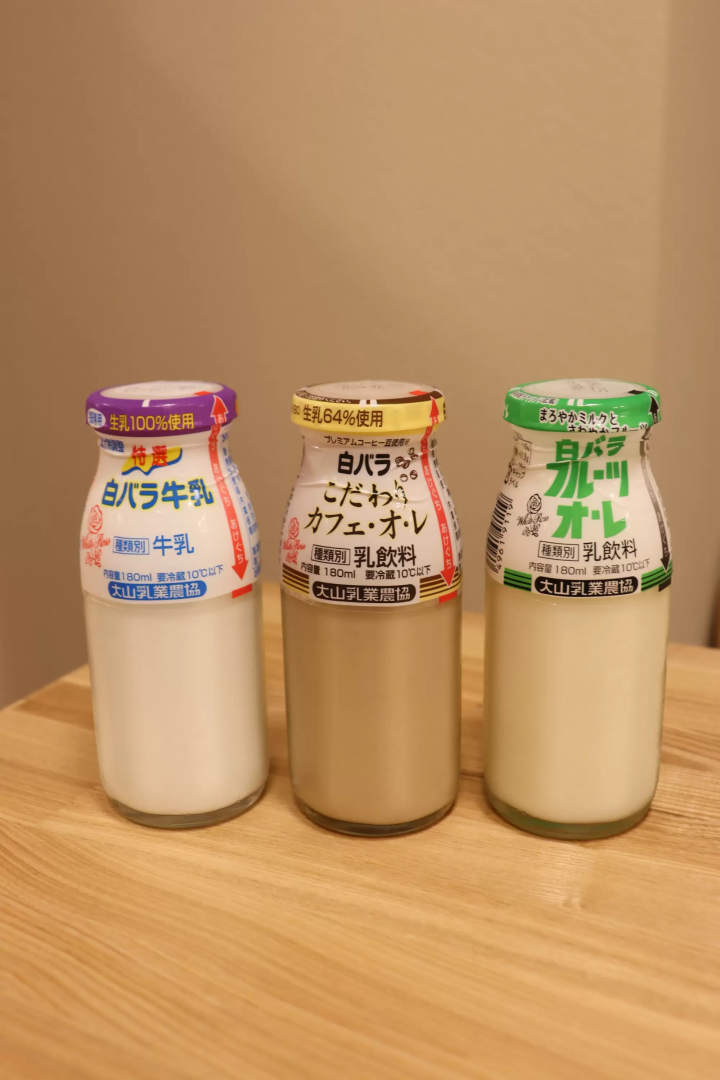
The water is classified as an alkaline simple hot spring, known locally as a "Beauty Bath." Beyond its cosmetic benefits for the skin, the water is medically recognized for aiding in the recovery of fatigue, neuralgia, and chronic digestive disorders. The addition of modernized sauna facilities further elevates the experience, providing a complete post-workout or post-travel recovery cycle. Following a soak, guests often opt for a traditional glass-bottled "Shirobara" dairy drink, a nostalgic touch that resonates with visitors of all generations.
Supporting Data: Conservation and Community
One of the most unique aspects of Sun Road Kibiji is its role as a steward of biodiversity. The facility houses one of Japan’s largest crane-breeding capacities.
The Kibiji Tsuru-no-Sato (Red-Crowned Crane Sanctuary):
- Mission: To protect and educate the public about the special natural monument, the red-crowned crane.
- Accessibility: Open to the public with free admission, the sanctuary provides an intimate look at these elegant birds.
- Educational Impact: Detailed display panels outline the growth process and the tireless work of zookeepers, making it an essential stop for educational tourism and school groups.
The facility also bolsters the local economy through "Sun Direct Plaza," where the region’s famous Muscat of Alexandria grapes, sweet corn, and celery are sold. By sourcing ingredients from the surrounding fields, the facility ensures that the economic benefits of tourism are distributed directly to Soja’s farmers.
Implications: A Model for Regional Revitalization
The successful renovation of Sun Road Kibiji serves as a blueprint for how mid-sized tourist facilities can remain relevant in an era of rapidly changing consumer preferences.
Economic Impact
By diversifying its offerings—integrating an agricultural market, a high-end restaurant, a boutique bakery, and a historical sanctuary—the facility creates multiple revenue streams. This "all-in-one" approach encourages longer stays, which in turn increases the per-visitor spend in Soja City.
Cultural Preservation
The integration of local history into the architecture and menu ensures that the facility is not merely a rest stop, but a cultural ambassador. Whether it is the pillar design mimicking the gates of Kinojo Castle or the Kofun-shaped curry, these subtle nods to history foster a deeper appreciation for Okayama’s heritage among travelers.
Sustainability
The transition to LED lighting and the focus on hyper-local food sourcing reflect a commitment to modern environmental standards. By prioritizing seasonal, local vegetables, the facility significantly reduces its carbon footprint associated with supply chain logistics, setting a standard for other municipal tourist hubs in the prefecture.
Conclusion
Sun Road Kibiji’s 2026 renovation is more than just a fresh coat of paint; it is a strategic repositioning of Soja City as a premier destination for those seeking a blend of history, nature, and relaxation. With the combination of the soothing "Beauty Bath," the educational crane sanctuary, and the vibrant local marketplace, the facility is well-positioned to serve the next generation of travelers. Whether you are a history buff visiting the Kofun mounds, a foodie looking for the perfect Muscat grape dessert, or a family in search of a weekend getaway, Sun Road Kibiji provides a comprehensive, high-quality experience that honors the past while embracing the future.











