

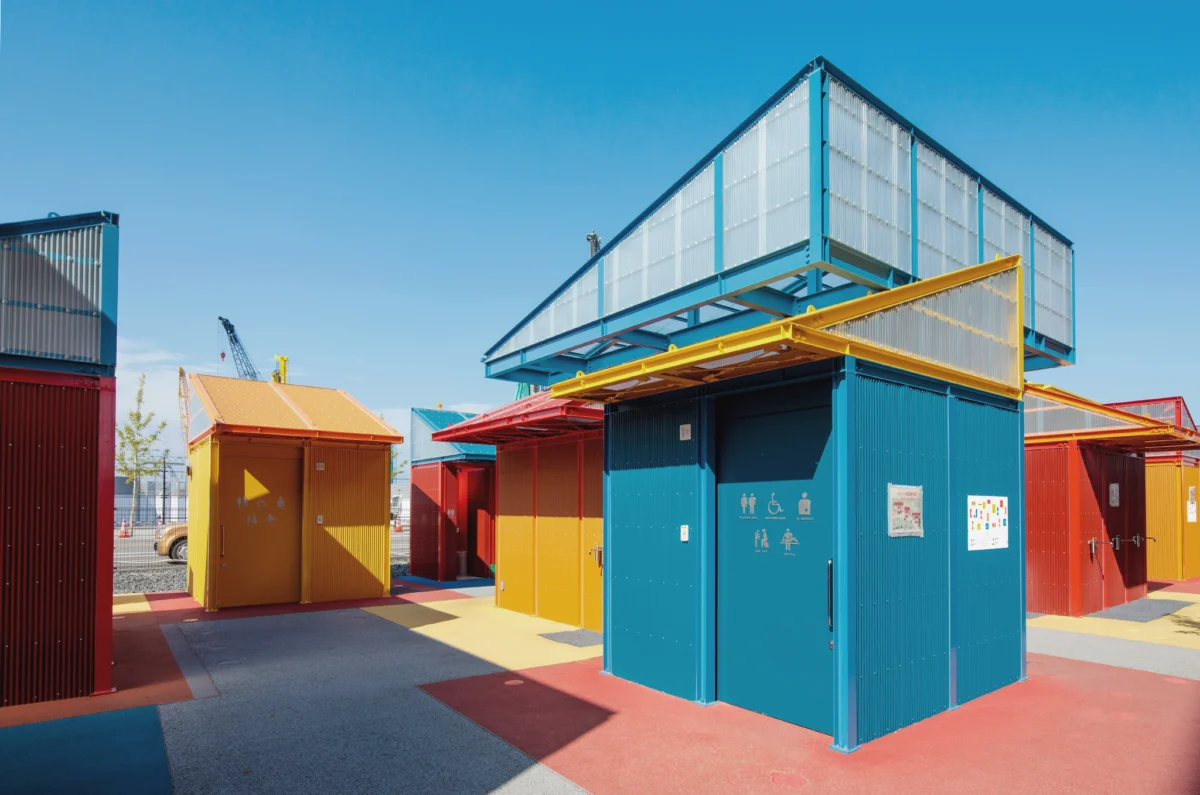
In a move that promises to cement a polarizing piece of modern architecture into the cultural landscape of Japan, the Osaka Prefectural Government has officially confirmed the relocation of the modular restrooms that became the lightning rod for criticism during the 2025 World Expo.
Often derided in the press and on social media as the "¥200 million toilets," these structures are set to find a permanent home at the Osaka Prefectural Flower Culture Center in Kawachinagano City. The announcement, made this past Tuesday, marks the end of a long period of public scrutiny and the beginning of a new chapter for the facility as a monument to sustainable architectural design.
While the original complex, known as "Toilet No. 5," was a sprawling, multi-unit affair designed for the massive foot traffic of the World Expo, the relocation will involve a strategic downsizing. The prefecture has earmarked approximately ¥100 million for the complex logistical operation of dismantling, transporting, and reassembling the prefabricated units. Once the work is completed, the facility is scheduled to open to the public in the spring of 2026.
The Architecture of Controversy: A Brief Chronology
The journey of the Toilet No. 5 project began with an ambitious vision of sustainability. Architect Takashi Yonezawa, the lead designer, conceived the project as an homage to the Japanese "Metabolism" movement—a post-war architectural philosophy that viewed buildings as organic, evolving, and adaptable structures rather than static monoliths.
The Timeline of the Expo’s Most Infamous Facility
- Initial Design Phase (2023–2024): Architect Takashi Yonezawa introduces the concept of modular, reusable restroom units for the Expo. The project is designed to be easily dismantled and relocated, emphasizing the Expo’s theme of environmental sustainability.
- The Price Tag Revelation (Early 2024): As budget details for the Expo emerge, the public learns that the cost for several high-concept toilet facilities is significant. The media latches onto the figure of ¥200 million, which quickly becomes shorthand for perceived government waste.
- The Social Media Firestorm (Spring 2024): Former Takarazuka actress Tomoko Mariya brings national attention to the costs, publicly stating she was "shaking with anger" over the expenditure. Her comments trigger a broader debate on public fund transparency.
- Defense by the Expo Association: Amidst growing outcry, the Expo Association clarifies that the figure represents a comprehensive, architecturally significant facility, not a standard public convenience. They note that the actual contract price was closer to ¥150 million.
- The Expo Conclusion (Late 2025): As the Expo wraps up, questions arise regarding the fate of the temporary structures. Proposals to scrap the units are met with resistance from those who view them as architectural prototypes.
- The Relocation Agreement (July 2026): The Osaka Prefectural Government announces the transfer of the structure to the Osaka Prefectural Flower Culture Center, preserving the units for future use.
Decoding the Price: Why the Cost Was So High
The public perception of the "¥200 million toilet" is rooted in a fundamental disconnect between the layman’s understanding of a restroom and the architect’s vision of a modular, sustainable structure. To understand the controversy, one must look past the "toilet" label and analyze the engineering requirements of the project.
The Technical Reality of Modular Construction
The facility is comprised of 46 individual prefabricated units. Unlike conventional public toilets, which are typically built into the foundation of a building, these units were designed to be independent, load-bearing, and capable of being reconfigured. This design requires advanced seismic engineering, integrated plumbing systems that function independently of a permanent municipal sewer line, and high-quality materials that can withstand the wear and tear of millions of visitors.
The Economic Breakdown
While the ¥200 million figure was the most widely cited, it was an estimate that included not just the physical build, but the specialized labor of architects, structural engineers, and logistics experts. The actual contract price of ¥150 million reflects the "design-build" model, where the cost of innovation—specifically, the research and development of the modular system—is folded into the final invoice.
Critics argue that even at ¥150 million, the expenditure was disproportionate to the primary function of the facility. However, proponents of the project suggest that the cost should be viewed as an investment in "circular architecture"—a design methodology that could lead to significant cost savings in future urban planning by allowing public infrastructure to be reused rather than demolished and replaced.
Official Responses and the Architect’s Vision
The architect behind the project, Takashi Yonezawa, has maintained a consistent stance throughout the ordeal. Speaking to the Asahi Shimbun, Yonezawa expressed his satisfaction with the decision to relocate the facility rather than scrap it.
"I am happy that the toilet will be moved," Yonezawa stated. "In the future, I hope that people who are not familiar with the Expo will be able to experience it, and that it will contribute to the preservation of the Expo’s history and culture."
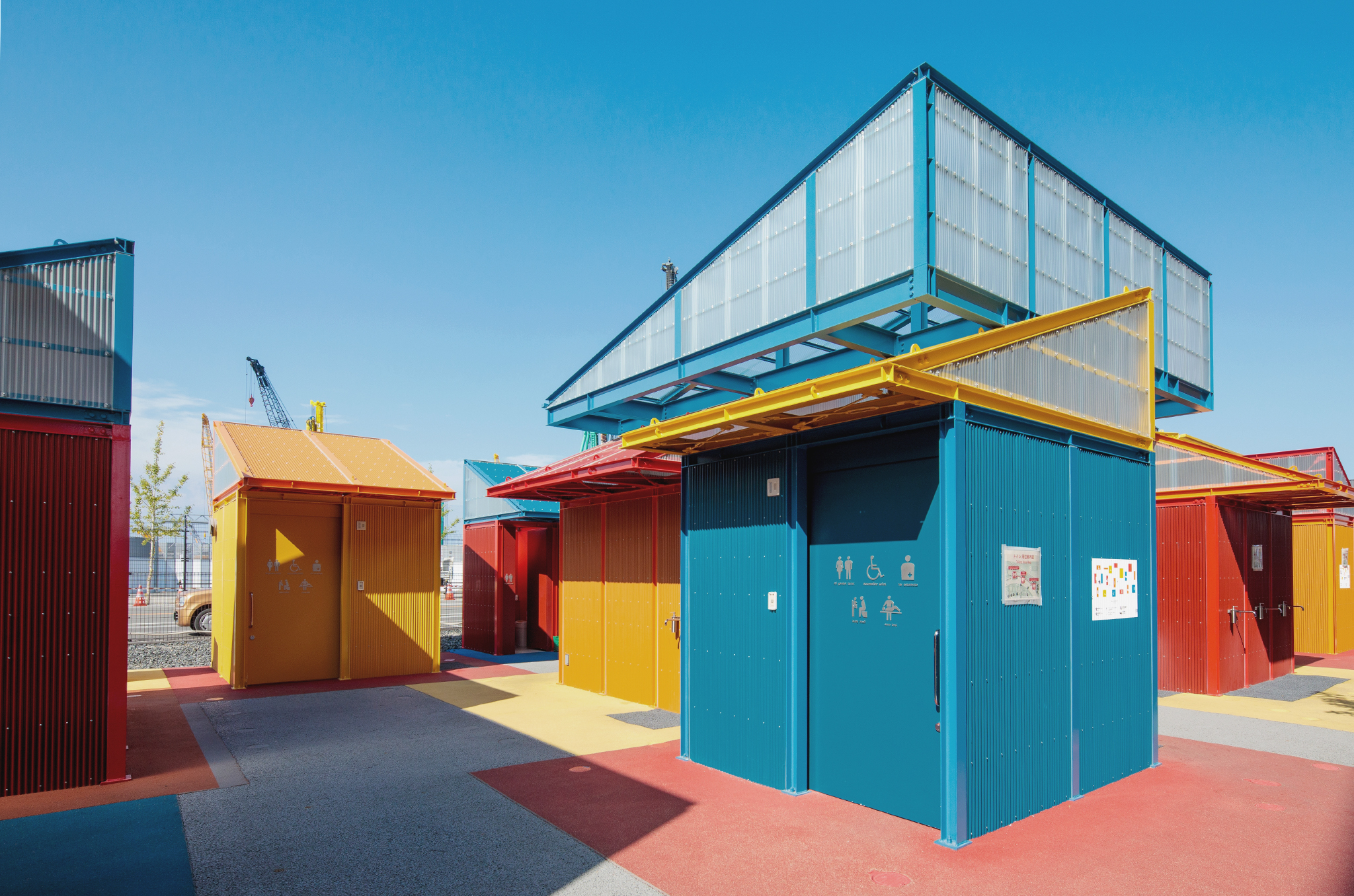
For Yonezawa, the structure was never just about providing a place to use the facilities; it was an experiment in the longevity of temporary architecture. By moving the structure to the Flower Culture Center, he argues that the prefecture is fulfilling the original promise of the Expo: to demonstrate that architecture can be a living, breathing component of society that adapts to the needs of the time.
The Expo Association has also stood by the project, emphasizing that the facility represents a "high-level design" meant to showcase Japanese engineering capabilities. Their official communications have frequently highlighted that the project was vetted through standard procurement processes, rejecting claims of fiscal negligence.
Implications for Public Infrastructure and Transparency
The saga of the Osaka Expo toilets serves as a masterclass in the complexities of public-funded projects in the modern digital age. The incident highlights several critical implications for how governments manage infrastructure and interact with the public.
The Power of Social Media in Fiscal Oversight
The role of public figures like Tomoko Mariya in shaping the narrative around the toilet project cannot be overstated. In an era where information—and misinformation—travels instantly, government entities are finding that their traditional modes of communication are often insufficient to quell public dissent. The "shaking with anger" sentiment captured a broader frustration with the perceived lack of accountability regarding Expo spending, turning a mundane utility into a political symbol.
The Sustainability Mandate vs. Cost Reality
The controversy underscores the tension between the desire for sustainable, "green" infrastructure and the economic realities of such projects. While sustainable design is increasingly prioritized in global urban planning, it often carries a higher initial price tag. The challenge for future administrations will be to communicate the long-term value of these investments to a public that is increasingly skeptical of government expenditure.
A Legacy of Adaptive Architecture
By finding a new home for the units, the Osaka Prefectural Government is engaging in a rare form of urban recycling. If the reassembly at the Flower Culture Center is successful, it could serve as a model for other municipalities. It demonstrates that when infrastructure is designed with the end in mind—that is, designed to be moved—the "life" of a structure can be extended indefinitely, potentially saving millions in the long run.
Conclusion: A New Life for a Controversial Landmark
As the units are disassembled and prepared for their journey to Kawachinagano City, the narrative surrounding the Osaka Expo restrooms is slowly shifting from one of outrage to one of curiosity. Next spring, visitors to the Flower Culture Center will be able to walk through these modular units, perhaps viewing them through a different lens than those who stood in lines at the Expo.
Whether these toilets are remembered as a symbol of wasteful spending or as a pioneering example of modular, sustainable architecture depends largely on how they are maintained and utilized in their new environment. For now, the "¥200 million toilet" has achieved a rare feat: it has survived the scrutiny of the public, the pressures of the budget, and the skepticism of the critics, emerging as a permanent, if unconventional, testament to the architectural ambitions of the 2025 World Expo.
The relocation process, budgeted at ¥100 million, remains a significant undertaking, but it is one that the prefecture deems necessary to preserve a piece of living history. As the modular pieces are fitted together in their new setting, they will stand as a reminder that in the world of public infrastructure, the line between "temporary" and "permanent" is often a matter of perspective, innovation, and the political will to adapt.











