

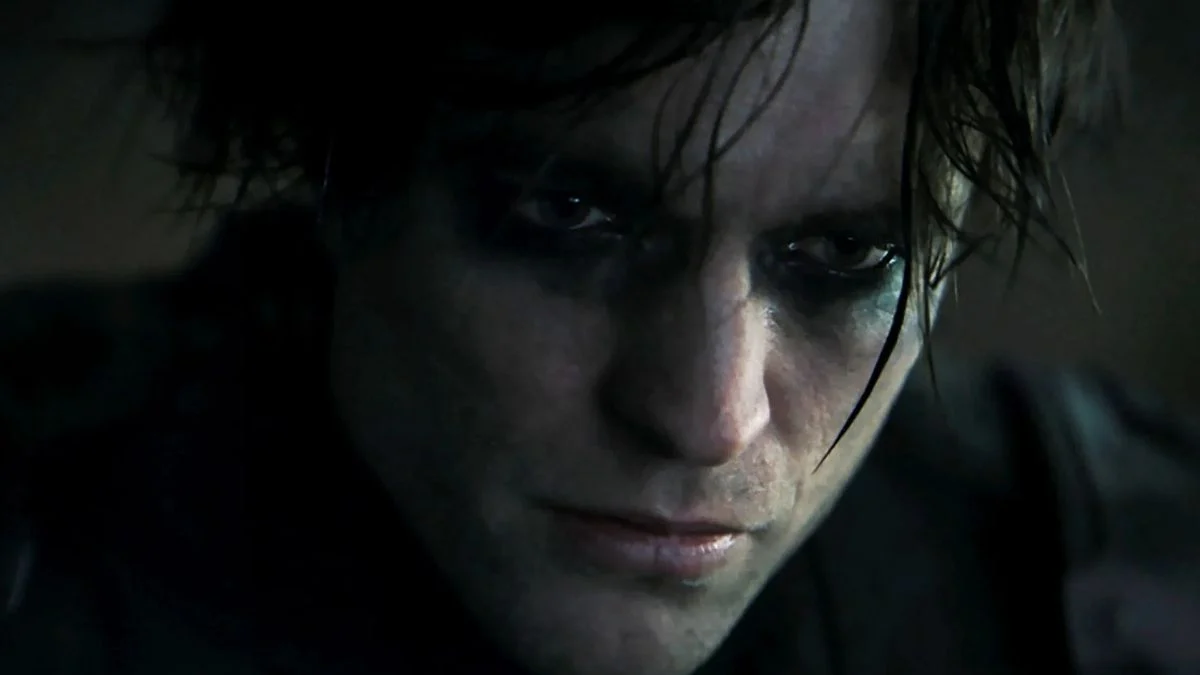
Like the citizens of a city perpetually shrouded in fog and corruption, fans of Matt Reeves’ The Batman have spent the better part of four years scanning the horizon for a signal. They are waiting for the return of the Dark Knight, a cinematic presence that redefined the "emo-noir" aesthetic of the superhero genre when it debuted in 2022. However, the light in the sky remains dim. In a move that has sent ripples of frustration through the DC fanbase, Warner Bros. has officially pushed the release of The Batman: Part II to February 18, 2028.
While the sting of this delay is undeniable, history suggests that in the world of high-stakes blockbuster filmmaking, time is often the most valuable ingredient in the recipe for a masterpiece. As production schedules shift and the pressures of franchise expectations mount, we must consider whether this extended wait is a sign of trouble, or a calculated decision to ensure that Robert Pattinson’s second outing as the Caped Crusader reaches its full potential.
The Chronology of a Shifting Schedule
The journey to The Batman: Part II has been anything but linear. Following the critical and commercial success of the 2022 original, expectations for a sequel were set at an all-time high. Initially, Warner Bros. set its sights on an October 2026 release window—a slot that mirrored the autumn atmosphere of the first film.
However, the realities of the industry, compounded by external factors and the meticulous nature of director Matt Reeves’ creative process, have forced the studio to adjust its sights. The move to October 2027 was the first sign of friction, and the latest announcement—delaying the film further into early 2028—marks a significant departure from the original roadmap.
For the casual observer, this may appear as a lack of stability within the DC banner. Yet, for those familiar with the history of "prestige" sequels, this timeline is beginning to mirror the development cycles of some of the most celebrated follow-ups in cinematic history.
The Philosophy of the "Delayed Masterpiece"
To understand why a delay of this magnitude could actually benefit The Batman: Part II, we must look at the precedent set by other legendary sequels that took their time to reach the screen.
The Power of Maturation: From Psycho to Aliens
Sometimes, the passage of time is necessary for a story to evolve organically. When Psycho II arrived in 1983—over two decades after Alfred Hitchcock’s original—the industry was skeptical. Yet, the gap allowed writers to pivot from a pure horror narrative to a nuanced character study of Norman Bates.
Similarly, the seven-year gap between Ridley Scott’s Alien and James Cameron’s Aliens allowed for a massive shift in tone. Audiences needed the space to sit with Ellen Ripley’s trauma before seeing her transform into an action-oriented survivor. The time gap wasn’t a hindrance; it was a narrative bridge that allowed the sequel to stand on its own while honoring the roots of the original.
The "Passion Project" Advantage
The most compelling cases for long delays are those where the director refuses to rush a vision. Consider Terminator 2: Judgment Day. Seven years passed between the original and the sequel. That time allowed James Cameron to secure a larger budget for groundbreaking special effects, but more importantly, it allowed him to recontextualize the T-800 from a villainous killing machine into a protective guardian.
Even more striking is the gap between Mad Max Beyond Thunderdome and Mad Max: Fury Road. George Miller waited decades to return to the wasteland. That time didn’t make the film "stale"; it allowed Miller to refine his visual language and deepen the thematic weight of his post-apocalyptic mythos. If Matt Reeves and co-writer Mattson Tomlin are currently refining their script to capture that same level of thematic depth, the extra eighteen months could be the difference between a "good" movie and a definitive classic.
Supporting Data: The Evolution of Gotham
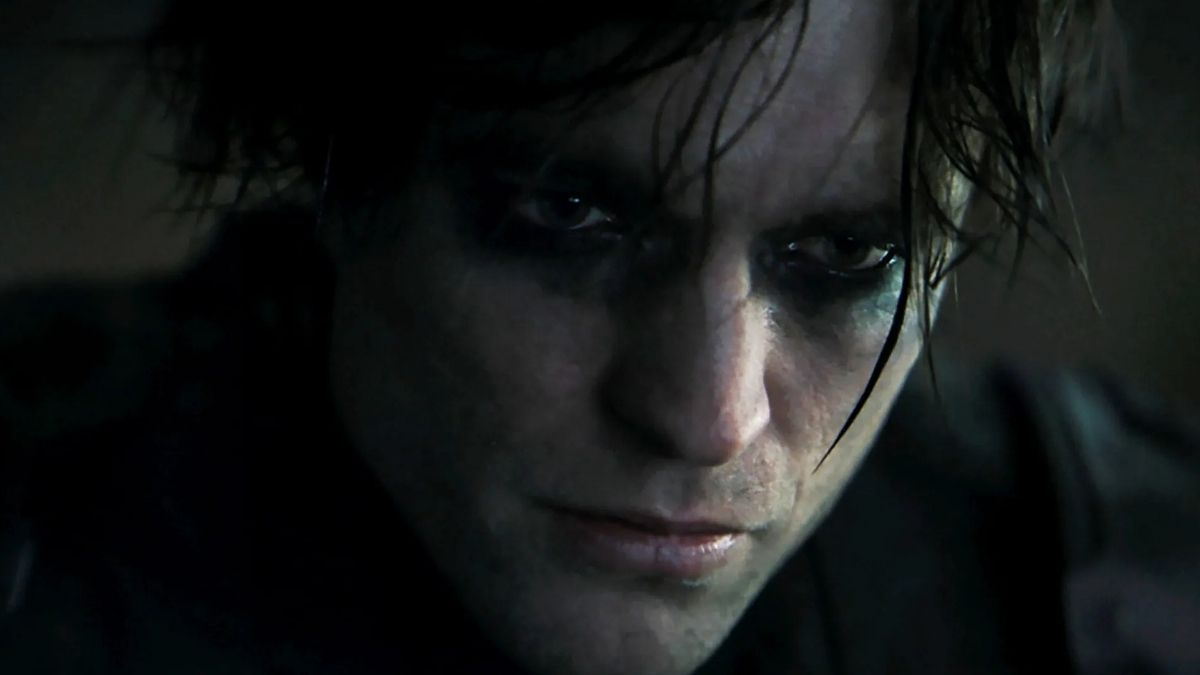
The world of The Batman is not a static backdrop; it is a living, breathing organism that is currently in a state of tectonic transition. The events of the 2022 film left the city of Gotham in a precarious position. Carmine Falcone is dead, the political structure of the city has been shattered by the Riddler’s flooding of the streets, and the police department is in the midst of a moral crisis.
For a sequel to be effective, it cannot simply pick up where the last one left off. It must reflect the "new" Gotham—a city that is reeling from the trauma of the first film.
- Political Vacuum: With the death of the mayor-elect and the exposure of the systemic corruption involving the Wayne family’s legacy, the power structure in Gotham is ripe for a power struggle.
- Batman’s Growth: Pattinson’s Bruce Wayne ended the first film having moved from a figure of vengeance to a figure of hope. A two-year gap in real-time production mirrors the necessary growth period for a character who is learning to be more than a vigilante.
- The Underworld’s Power Struggle: The vacuum left by the collapse of the Falcone empire creates a prime opportunity for other classic Batman villains to emerge. Developing a narrative that introduces these characters with the same grounded, detective-noir intensity of the first film requires time—and lots of it.
Official Responses and Industry Outlook
Warner Bros. has remained relatively tight-lipped regarding the specifics of the delay, attributing it to the broader strategy of the DC Universe (DCU) and the necessity of high-quality post-production work. While studio executives are naturally incentivized to provide a positive spin, industry analysts note that the current climate of superhero cinema is demanding more "quality over quantity."
After years of rapid-fire releases, the "superhero fatigue" reported by box office trackers suggests that audiences are no longer willing to settle for CGI-heavy, rushed scripts. The delay of The Batman: Part II aligns with a broader industry shift toward longer development cycles for tentpole films. By stepping back from the 2026/2027 windows, Warner Bros. is essentially signaling to the audience that this film is being treated as a prestige event rather than a standard franchise installment.
Implications: The High Stakes of 2028
The implications of this delay are profound for both the studio and the fans.
For the Studio: The delay forces Warner Bros. to rely on other DC properties to maintain momentum through 2026 and 2027. This provides an opportunity for smaller, experimental projects to find an audience without being overshadowed by the massive hype machine of a Batman film.
For the Fans: The wait is a test of patience, but it also elevates the anticipation. By the time February 2028 arrives, the "hype cycle" will have been recalibrated. Fans will have had ample time to revisit the first film, consume the spin-off content (like the Penguin series), and prepare for a sequel that promises to be a definitive statement on the character.
The Creative Risk: There is, of course, a downside. A delay this long risks losing the "cultural moment." If the film takes too long, it risks feeling disconnected from the current cinematic landscape. However, Matt Reeves has proven that his version of Batman exists in its own stylistic bubble—one that is largely insulated from the whims of the wider, interconnected superhero universe.
Conclusion: A Masterpiece or a Miscalculation?
In the final analysis, the delay of The Batman: Part II is an invitation to be patient. We are living in an era where the demand for instant content often overrides the need for deliberate craftsmanship. If Matt Reeves uses this time to sharpen the script, refine the noir cinematography, and ensure that the narrative arc of Bruce Wayne remains as poignant and grounded as it was in the first chapter, the delay will be forgotten the moment the lights go down in the theater in 2028.
Gothamites are right to be frustrated—we want our hero back. But as the history of cinema has shown, the Dark Knight has always been at his best when he operates in the shadows, emerging only when the story is ready to be told. If the 2028 release date delivers a cinematic triumph that rivals the greatest films in the genre, the wait will have been a small price to pay for a masterpiece. Until then, we wait, we watch the sky, and we trust that the signal—when it finally appears—will be worth the long, dark night of anticipation.










