

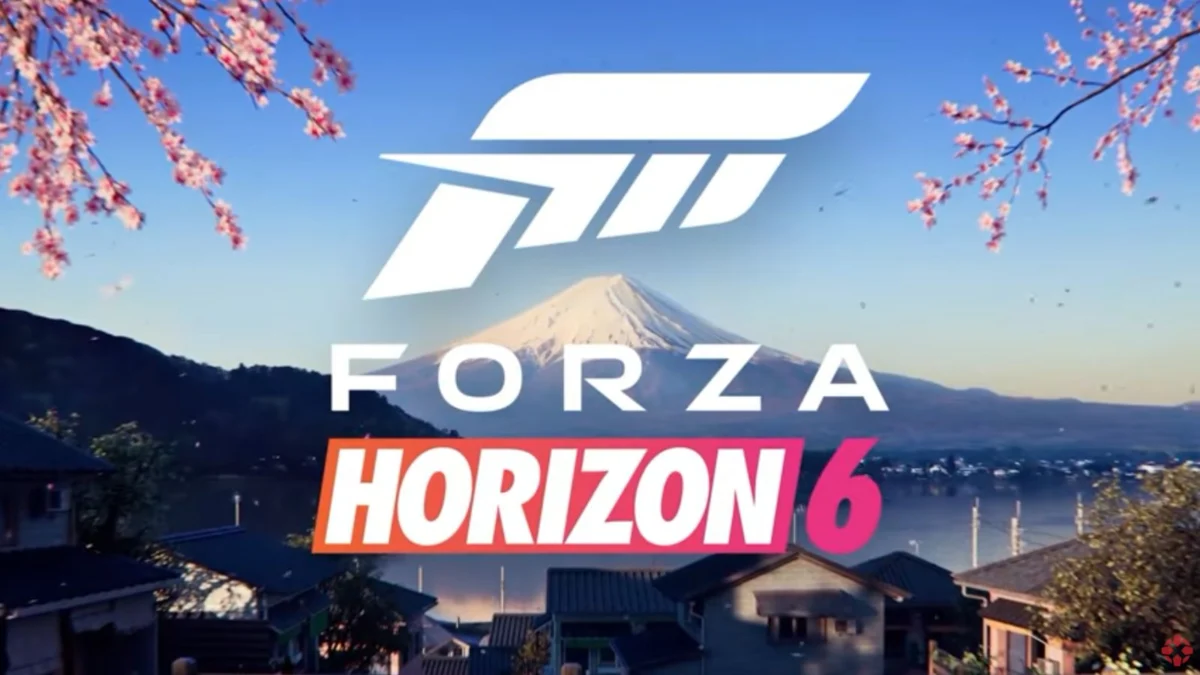
The anticipation surrounding Forza Horizon 6—the latest installment in Microsoft’s flagship open-world racing franchise—has hit a fever pitch. However, that excitement has been overshadowed by a significant security breach. In a rare and aggressive move, developer Playground Games has issued a stern warning to the gaming community: those caught accessing, sharing, or playing leaked, unauthorized builds of the game face "franchise-wide" and "hardware-level" bans.
The situation, which has sent shockwaves through the sim-racing community, follows the circulation of pre-release game files online. With the title set to transport players to the neon-lit streets and winding mountain passes of Japan, the leak has compromised the integrity of the studio’s launch strategy, leading to a zero-tolerance policy from the developer.
The Chronology of the Leak and Enforcement
The breach began to unfold in early May 2026, when encrypted pre-load data for Forza Horizon 6 was decrypted and distributed across various underground forums and peer-to-peer sharing platforms. While the developers initially maintained that the incident was not a result of a standard pre-load vulnerability, the damage was already done.
Within 48 hours of the initial file circulation, unauthorized gameplay footage began appearing on social media platforms and video-sharing sites. The most prominent incident involved a YouTuber who uploaded a 45-minute deep dive into the game’s mechanics, featuring the highly anticipated Japanese map. The response from Playground Games was swift and absolute.
Screenshots circulating on social media platforms like X (formerly Twitter) and Reddit revealed that the YouTuber’s account had been hit with a suspension lasting until December 31, 9999. In the gaming industry, such a date is functionally equivalent to a permanent ban. This move served as a signal to the broader community: the developers were monitoring activity closely and were willing to leverage the full extent of their enforcement tools to protect their intellectual property.
Official Response: A Zero-Tolerance Policy
Following the surge of leaked content, Playground Games took to official channels to clarify their stance. In a statement that left little room for negotiation, the studio confirmed they were aware of the unauthorized build and were actively tracking down users.
"We are aware of reports that a build of Forza Horizon 6 has been obtained prior to its release and can confirm this is not the result of a pre-load issue," the developer stated. "We are taking strict enforcement action against any individuals found accessing this build, including franchise-wide and hardware-level bans."
The escalation of these measures is significant. While a standard account ban prevents a user from accessing a specific game profile, a "hardware-level" ban effectively blacklists the user’s console or PC from accessing any Microsoft or Forza-related online services. By targeting the hardware, Playground Games is ensuring that even if a user creates a new account, they remain locked out of the ecosystem.
Further confirmation of this policy arrived via the moderation team of the r/ForzaHorizon subreddit. Moderators confirmed that they had been in direct contact with the developers, who indicated that they are not only targeting content creators but also "passive" users—those who simply download and play the leaked build offline. This nuance is critical; it suggests that even without public exposure, the game’s telemetry or local file authentication is designed to flag users the moment they reconnect to an Xbox or Windows Live service.
The Stakes: Why Forza Horizon 6 Matters
To understand the severity of the developer’s reaction, one must understand the weight of the project itself. Forza Horizon 6 is not merely an incremental update; it is the most ambitious project in the franchise’s history.
The move to Japan has been the single most requested feature by the fanbase for over a decade. The game features the largest map ever constructed for a Forza title, incorporating diverse biomes from urban drift scenes in Tokyo to the technical, high-speed corners of the Hakone mountains. With over 550 vehicles available at launch—ranging from vintage JDM icons to cutting-edge electric supercars—the studio has invested years of development, licensing, and creative labor into this release.
For Microsoft and Playground Games, a leak of this magnitude risks undermining the "day one" experience. The sense of discovery, the thrill of the first race, and the communal experience of exploring the new map are central to the Forza marketing strategy. When that content is leaked in an unfinished state, it threatens the brand’s reputation and the financial viability of the early access "Premium" tier, which is scheduled to go live on May 15.
Supporting Data and Technical Context
The leaked build appears to be a development-branch version of the game. Such builds are often used for internal testing, bug tracking, and performance optimization. They are frequently unstable, lacking final audio assets, textures, and proper physics tuning.
Industry analysts suggest that the circulation of these builds can be damaging for three reasons:
- Misrepresentation of Quality: Players might judge the game’s performance based on an unoptimized build, leading to unfair criticism regarding frame rates, bugs, or graphical fidelity.
- Spoilers: As an open-world game, narrative arcs and map progression are key. Leaks strip the mystery away from the player’s journey.
- Security Risks: Downloading "cracked" software from unverified sources is a primary vector for malware, ransomware, and credential theft. The developers have leveraged this as part of their warning, suggesting that users who attempt to run these files are putting their own digital security at risk.
Implications for the Gaming Industry
The "nuclear" approach taken by Playground Games represents a shifting trend in how developers handle pre-launch leaks. Historically, studios focused on DMCA takedowns of video content. Today, however, the focus has shifted to the user’s direct access to the software.
The End of "Early Access" Leaks?
If this strategy proves successful, it may become the industry standard. By tying bans to the hardware ID, developers are moving away from the "cat-and-mouse" game of banning accounts and toward a "burnt-earth" policy that makes the risk of leaking far higher than the reward.
Community Backlash vs. Protection
The reaction from the community has been divided. Many fans support the developer’s right to protect their work, particularly given the effort poured into the Japan setting. However, others argue that permanent hardware bans for simply accessing an offline build are overly draconian, especially if a user is not distributing the content.
Regardless of public sentiment, the message from the Forza team is clear: they are no longer treating leaks as a PR nuisance, but as a direct attack on their product.
Moving Forward: The Path to Launch
With the official release date of May 19 rapidly approaching, the focus is now on containment. Playground Games and Microsoft are working behind the scenes to patch the vulnerabilities that allowed the data to be decrypted.
For the vast majority of the player base, the advice remains simple: avoid any links, videos, or files claiming to be the game. With the official rollout for Premium Edition owners starting in just a few days, the risk of losing access to the entire Forza ecosystem—and potentially other Microsoft-linked services—is a price far too high to pay for a few days of unauthorized gameplay.
As the industry watches, Forza Horizon 6 stands as a test case for how large-scale developers will manage leaks in the digital age. The era of the "leaker" may be reaching a turning point, where the cost of being first is no longer just a copyright strike, but a complete and permanent exile from the virtual track.










No comments yet. Be the first to join the conversation!