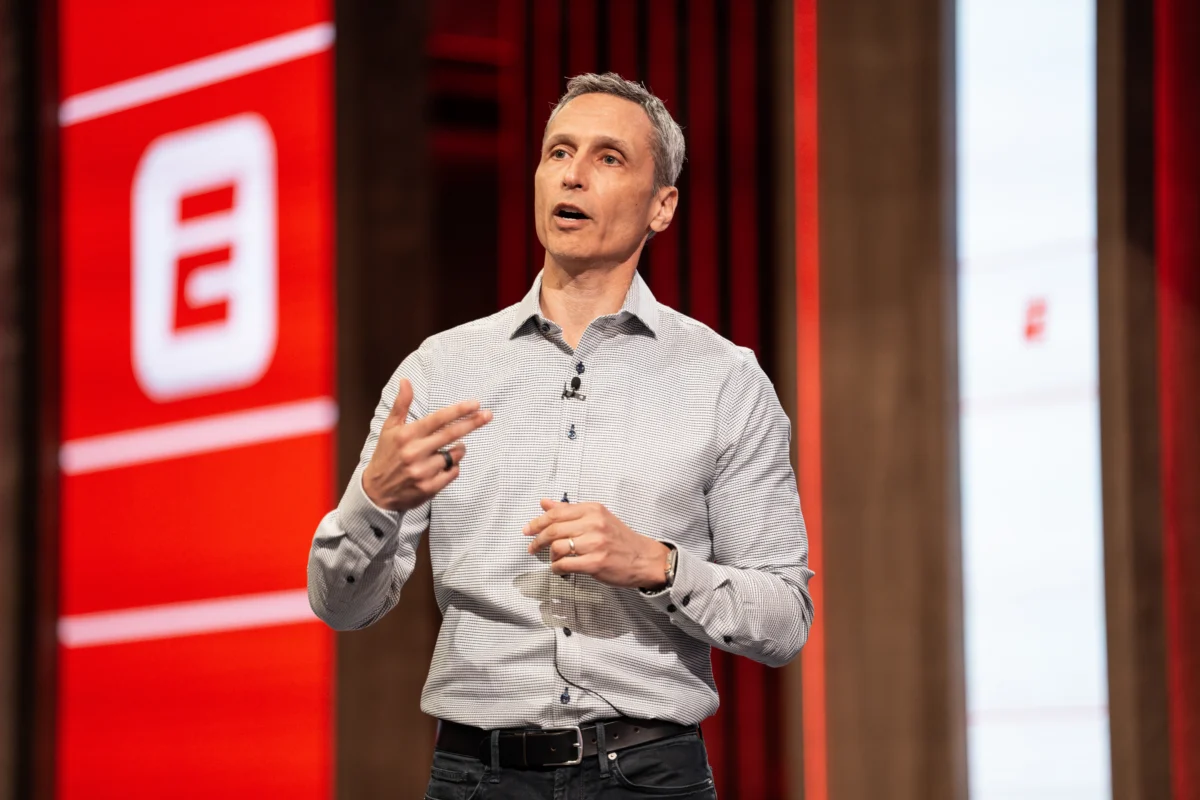
In a landscape where premium live sports content has become the ultimate currency, ESPN is making its intentions clear: the “Worldwide Leader in Sports” wants back into the FIFA World Cup business. During a keynote appearance at Fanatics Fest in New York, ESPN Chairman Jimmy Pitaro confirmed that the Disney-owned network will aggressively bid for the broadcasting rights to the 2030 World Cup, signaling a potential shift in the media power dynamics of global soccer.
The Strategic Ambition: Reclaiming Lost Territory
For two decades, ESPN was the synonymous home of the FIFA World Cup in the United States. Its coverage became an industry benchmark, blending high-production studio analysis with a cultural reverence for the tournament that helped elevate soccer from a niche interest to a mainstream juggernaut.
“We had the World Cup for two decades and it was a big part of ESPN’s identity and DNA,” Pitaro remarked during a CNBC-hosted panel. “Of course we’re interested in re-acquiring the rights.”
Pitaro’s comments underscore a “hyper-competitive” posture. While the network has remained a dominant force in domestic sports—anchored by the NFL and the NBA—the absence of the World Cup has been a notable void in its international soccer portfolio. As the sport continues to see explosive growth in American viewership, the 2030 tournament represents not just a broadcast opportunity, but a strategic imperative for ESPN’s long-term dominance in the streaming and linear landscape.
A Chronology of Rights and Evolution
The history of World Cup broadcasting in the U.S. has been defined by rapid shifts in valuation and platform strategy.
- The ESPN Era (1994–2014): For twenty years, ESPN held the mantle, cultivating an audience and setting the standard for how soccer should be presented to an American sports-viewing public.
- The Fox Transition: Following the 2014 tournament, Fox Sports aggressively entered the fray, securing the rights for the 2018, 2022, and 2026 cycles. This period saw Fox navigate the complexities of the 2022 Qatar tournament, which required a massive rescheduling from the traditional summer window to the winter, forcing the network to balance soccer against the high-value NFL and college football seasons.
- The Bargain of 2026: Due to unique circumstances surrounding the 2022 schedule shift, Fox was able to secure the 2026 rights for a reported $485 million—a figure that now appears remarkably low given the current valuation of live sports rights.
- The 2030 Horizon: With the tournament field expanding from 48 to a massive 64 teams in 2030, the value of the rights is projected to skyrocket. Analysts suggest the next deal could command anywhere from $1.5 billion to $2 billion, marking a significant inflationary jump from previous cycles.
Supporting Data: Why the Stakes Have Changed
The calculus for the 2030 rights is driven by more than just tradition; it is fueled by the changing habits of the modern sports consumer.
The Expansion Effect
FIFA’s decision to expand the tournament to 64 teams provides a direct boost to broadcast inventory. More games mean more commercial slots, more promotional windows, and, crucially, more hours of high-engagement content for platforms looking to drive subscriptions.
The Streaming Contenders
The competitive field is no longer limited to legacy broadcasters. The entry of tech giants like Netflix and YouTube into the sports rights market has fundamentally altered the landscape. Netflix has already made its intentions clear by securing the rights to the 2027 and 2031 Women’s World Cups in the U.S. and Canada. This pivot by streaming platforms forces traditional broadcasters like ESPN to prove their value proposition through superior production quality and integrated ecosystems.
The Valuation Surge
Reports indicate that the floor for the 2030 rights package will be well over $1 billion. This valuation reflects the “juggernaut” status of the sport in North America. Pitaro, reflecting on the current state of the game, noted, “The U.S. did a fantastic job and I’ve been watching it religiously.” This sentiment is shared by advertisers who view the World Cup as one of the few remaining “appointment viewing” events that can guarantee massive, unified audiences.
Official Responses and the Industry Perspective
Despite the rivalry, Pitaro maintained a diplomatic tone regarding Fox Sports, acknowledging their contribution to the sport’s current popularity.
“I’ve been very impressed with the way Fox has covered all this,” Pitaro said. “From a live game production perspective, from a studio perspective, they’ve done an outstanding job. I don’t know, honestly, how they could have done better with the product.”
This professional respect, however, does not diminish the competitive fire at ESPN. Under the leadership of Disney’s executive structure, including new CEO Josh D’Amaro, ESPN is being positioned as a “critical component” of Disney’s broader strategy. Pitaro emphasized that D’Amaro’s leadership style—calm, curious, and deeply supportive of sports—aligns perfectly with ESPN’s aggressive rights acquisition goals.
The Broader Implications for ESPN and Disney
The push for the World Cup is part of a larger, more complex puzzle for ESPN as it balances the high cost of rights with the transition to a direct-to-consumer (DTC) model.
The NFL Relationship
The NFL remains the bedrock of ESPN’s business. With the league now holding a 10% equity stake in ESPN, the partnership has evolved into a deeper, more collaborative relationship. Pitaro noted that the two entities are in a “great place,” even as they navigate the complexities of escalating rights fees and the shifting landscape of sports media. The upcoming broadcast of the Super Bowl on ABC serves as a crowning achievement for this integration.
Managing a Holistic Portfolio
When asked if the pursuit of high-cost events like the World Cup would require a “slim-down” of other rights, Pitaro argued for a holistic approach. “We’ve never had better rights in our 47-year history,” he noted. “We look at it holistically. So yes, there is some give and take there.” This suggests that while ESPN is willing to spend, it is also being highly disciplined about which assets provide the best return on investment for its long-term future.
The Disney Advantage
Pitaro highlighted that the primary differentiator for Disney in the streaming wars is the presence of ESPN. As competitors struggle to create a compelling sports product, Disney’s ability to leverage the ESPN brand across its various platforms—linear, digital, and streaming—remains its most powerful competitive weapon.
Conclusion: A New Era of Competition
The bid for the 2030 World Cup is more than just a search for content; it is a battle for the soul of global sports broadcasting in the United States. As FIFA prepares for the next round of negotiations, the involvement of legacy media giants like ESPN alongside tech-forward disruptors like Netflix ensures that the process will be one of the most closely watched business events in the history of sports media.
For Jimmy Pitaro and his team at ESPN, the goal is clear: they have the infrastructure, the history, and the institutional drive to bring the World Cup home. Whether the price tag aligns with their “holistic” strategy remains the billion-dollar question, but one thing is certain—the race for the 2030 tournament has officially begun.