The penultimate episode of the current season, titled "Montreal," has left audiences in a state of profound disarray. In a television landscape where plot armor is often taken for granted, this episode dismantled the perceived safety of its two leads with surgical, brutal precision. Written by Ryan Kattner and Kevin Hanna, the episode serves as a masterclass in tension, culminating in an act of violence that challenges everything we thought we knew about the survivability of our favorite immortals.
The Chekhovian Shadow: Death, Biology, and the Undead
The episode’s narrative foundation is built upon a subtle, recurring piece of foreshadowing regarding the physical limits of vampiric existence. Earlier in the season, Dr. Fareed posited a biological theory: a vampire as ancient and formidable as Lestat de Lioncourt might persist for up to ten hours after being decapitated.
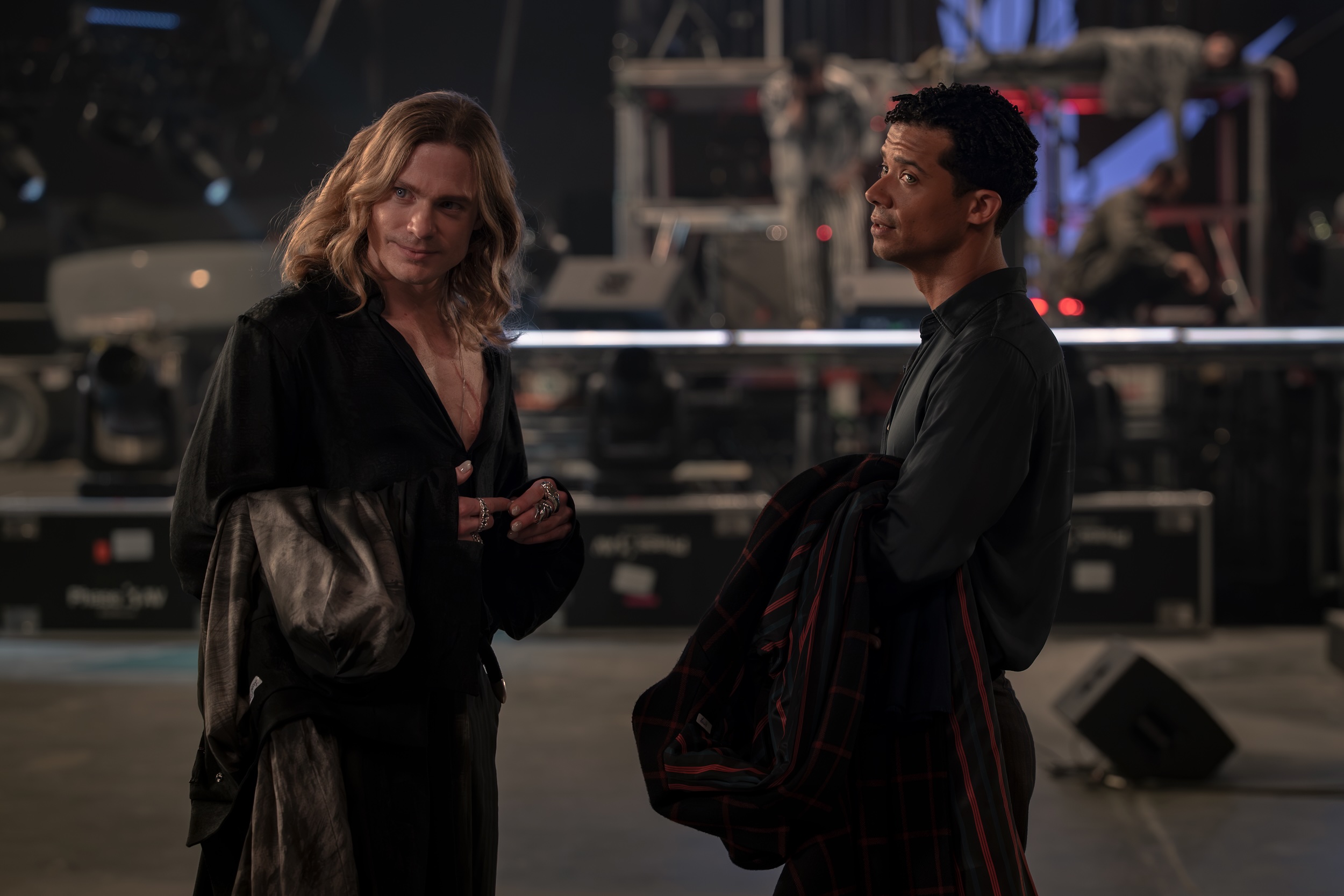
At the time, this served as a grim footnote—a piece of lore meant to establish stakes. However, as the episode unfolded, it became clear that this was not merely world-building; it was a roadmap. When the season’s penultimate hour concluded with the unthinkable—Lestat and Louis lying headless—the audience was forced to confront the validity of Fareed’s medical musing. Is this a permanent end, or a gruesome, temporary inconvenience for beings who have already cheated death for centuries?
Chronology of a Disastrous Halloween
The events of "Montreal" unfold in real-time, deliberately eschewing the flashback structure that has defined the series’ narrative rhythm. This choice anchors the audience in the immediate, claustrophobic reality of the protagonists.
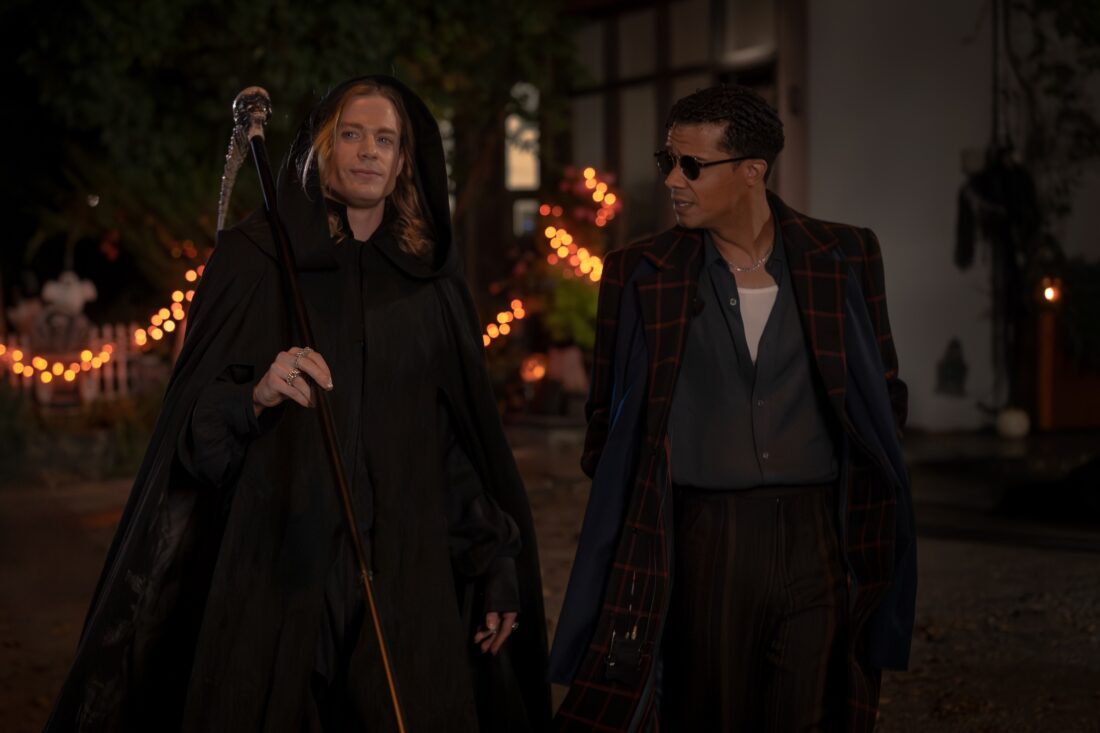
- The Calm Before the Storm: Lestat, acting as a bizarre, detached host, spends Halloween preparing for a massive vampire gathering. He remains largely unbothered by his waning cultural relevance—evidenced by a lukewarm critical reception—and his impending role in the "Great Conversion."
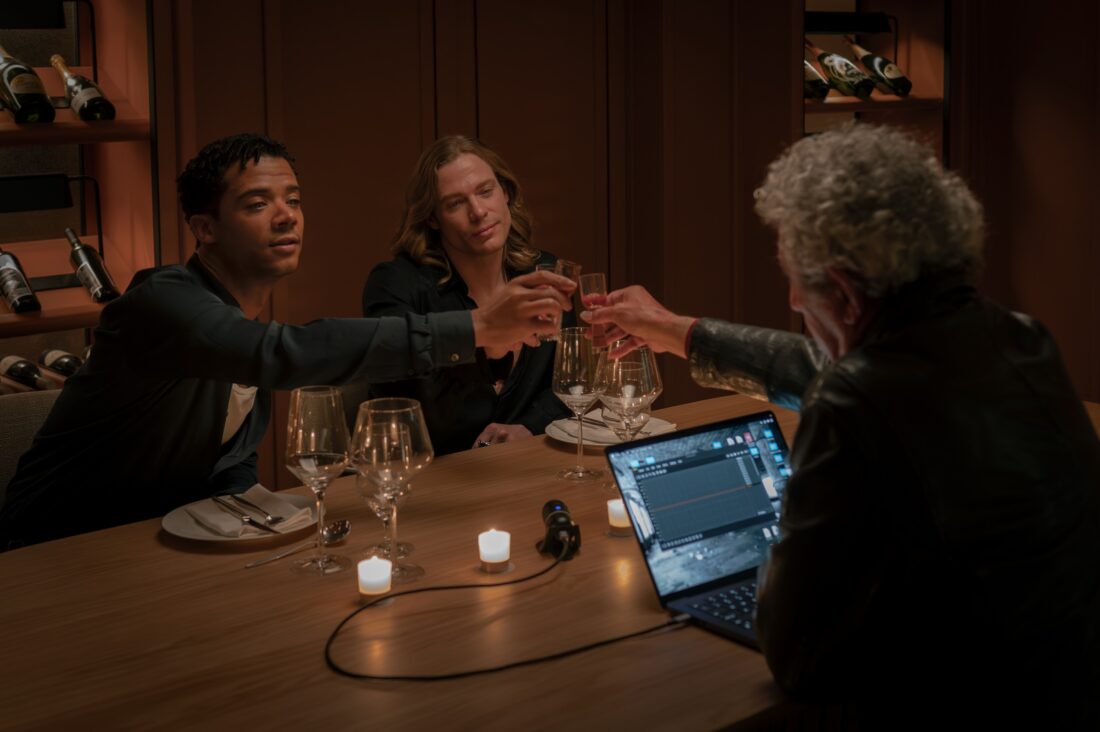
- The Dinner of Discord: A tense, performative dinner with journalist Daniel Molloy serves as the emotional crux of the episode. The conversation, fraught with layers of deception and buried trauma, highlights the deep, dysfunctional codependency between Louis and Lestat.
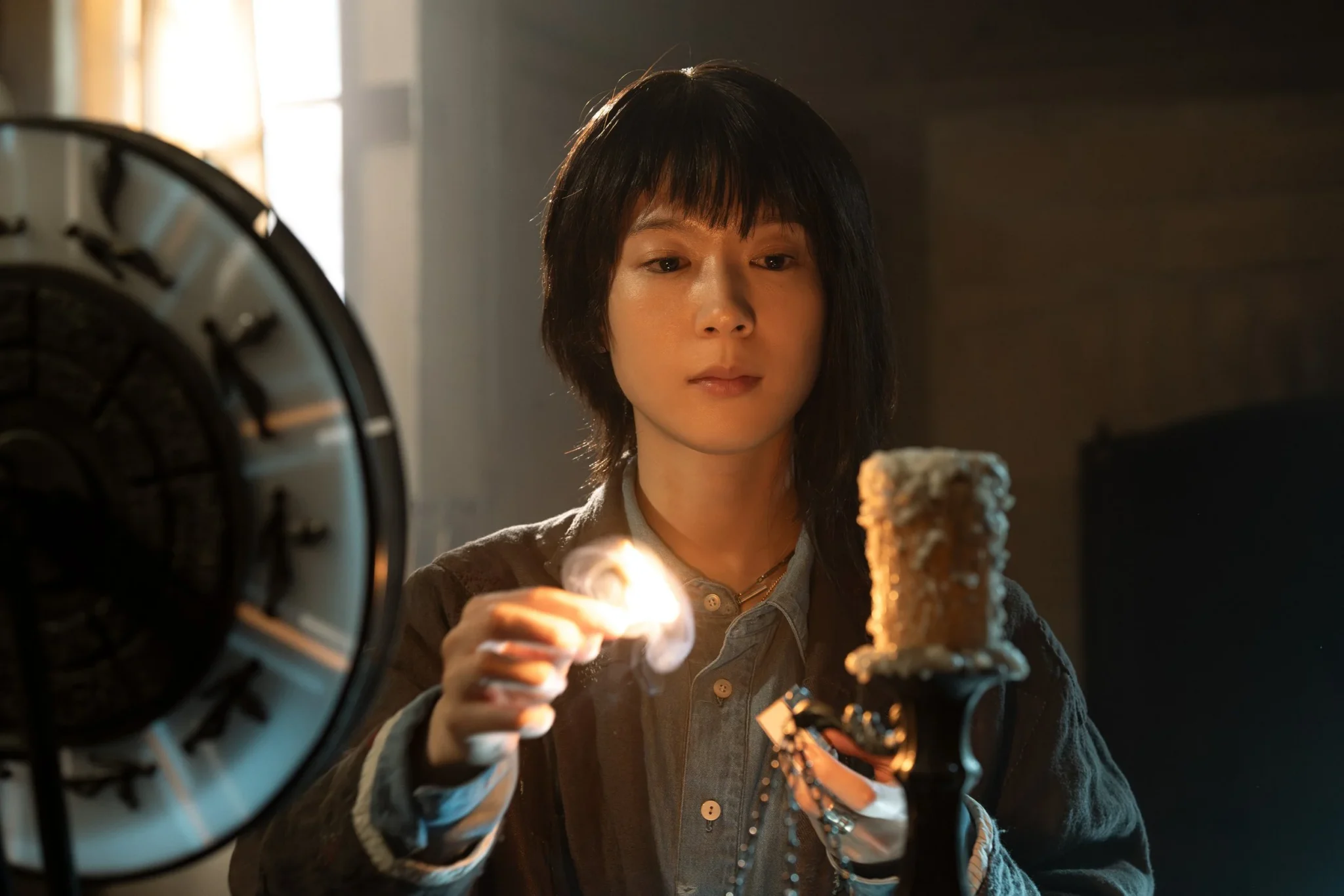
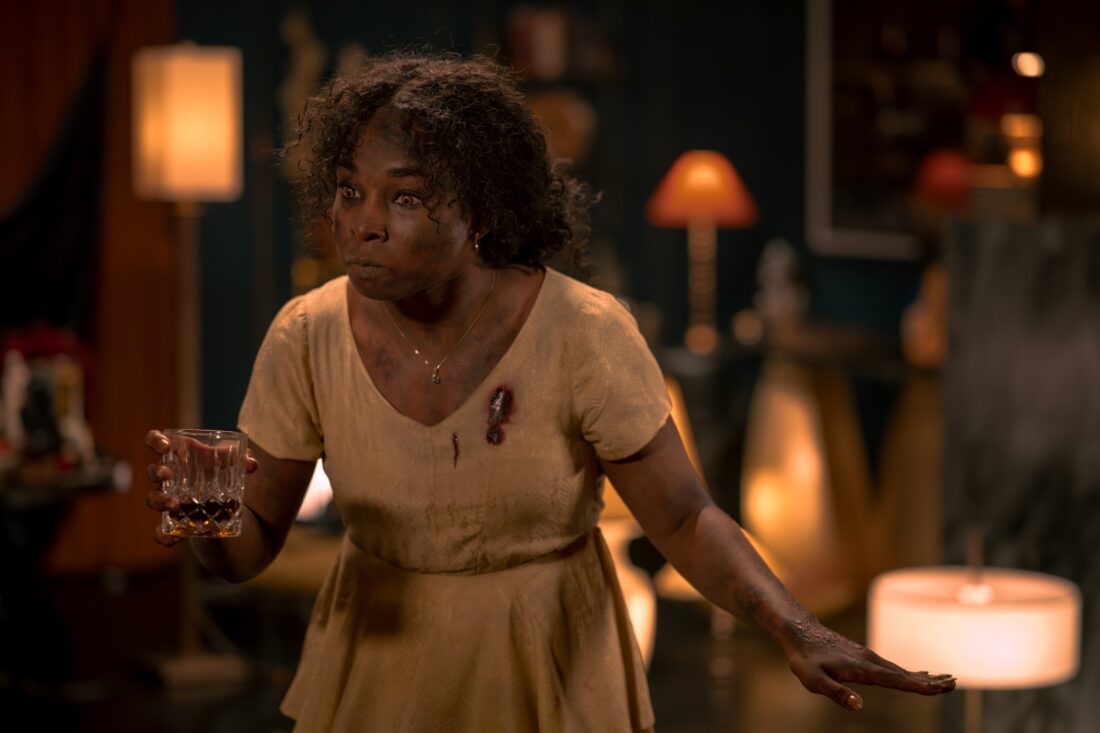
- The Seance: The arrival of Merrick Mayfair to commune with the spirit of Claudia provides a harrowing, high-stakes interruption. The spirit, manifesting through Merrick, delivers a scathing indictment of both Louis and Lestat, exposing the fractured nature of their "parental" legacy.
- The Execution: Following a series of heated exchanges, the episode ends with the sudden, shocking decapitation of both leads by figures who appear to be Armand and Daniel.
The Dynamics of Dysfunction: Supporting Data
The strength of "Montreal" lies not in the shock of the final frame, but in the dense, intricate character work that precedes it.
The Performance of Identity
Lestat’s internal monologue describes his life as a series of "nesting dolls"—the actor, the rock star, the monster, the recluse. His behavior throughout the episode is a chaotic attempt to reconcile these personas. His nonchalance regarding the "Great Conversion"—a genocidal event for the human population of Montreal—suggests a level of detachment that borders on nihilism.
The Weight of Guilt
Louis, meanwhile, serves as the moral counterweight, though his own hands are far from clean. The interaction with the spirit of Claudia is particularly damning. By highlighting that Claudia viewed Lestat as a more "honest" monster than Louis, the script effectively shatters Louis’s self-conception as the more ethical vampire. The scene serves as a visceral reminder that love, in the world of the undead, is frequently a tool for harm rather than salvation.
The Daniel Molloy Factor
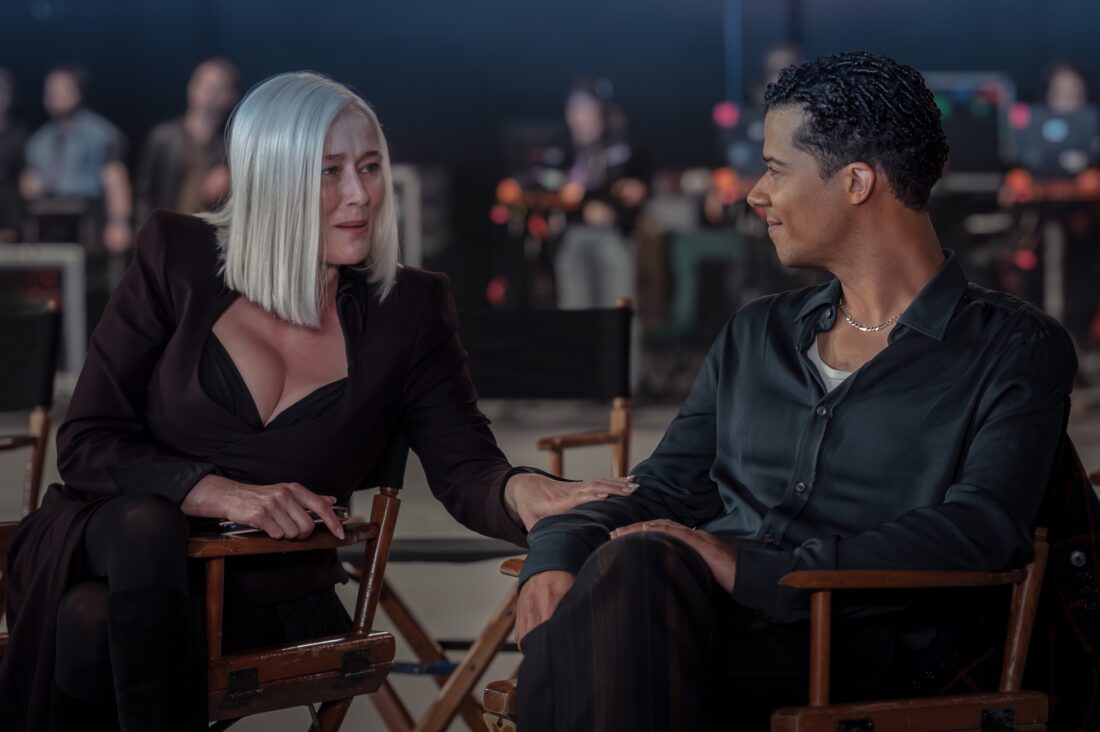
Daniel’s role has shifted from detached observer to active agitator. His release of a compromising video involving Lestat and Gabriella is not merely a journalistic scoop; it is an act of psychological warfare. His presence throughout the episode, specifically his attempt to pierce the mental shields of the vampires, marks him as an increasingly dangerous variable in the unfolding endgame.
Official Narrative and Theoretical Implications
While the imagery of the finale is undeniably gruesome, the "death" of the protagonists is subject to intense debate. The show’s own internal logic provides several potential avenues for survival.
The "Game Plan" Hypothesis
One prevalent theory is that the decapitation was a pre-arranged event. Lestat’s erratic, manically calm behavior throughout the episode suggests a man who is clearing his plate. By orchestrating his own "death," he may be attempting to escape the cycle of control imposed by Gabriella, or perhaps he is creating an exit strategy from a concert performance he has no desire to complete.

The Survivability Factor
If Dr. Fareed’s medical assessment holds true, the physical separation of head from body is not a terminal event. This leaves the door wide open for a miraculous—albeit messy—recovery. The question, then, is not whether they can survive, but what the emotional cost of such an event will be.
The Future Context
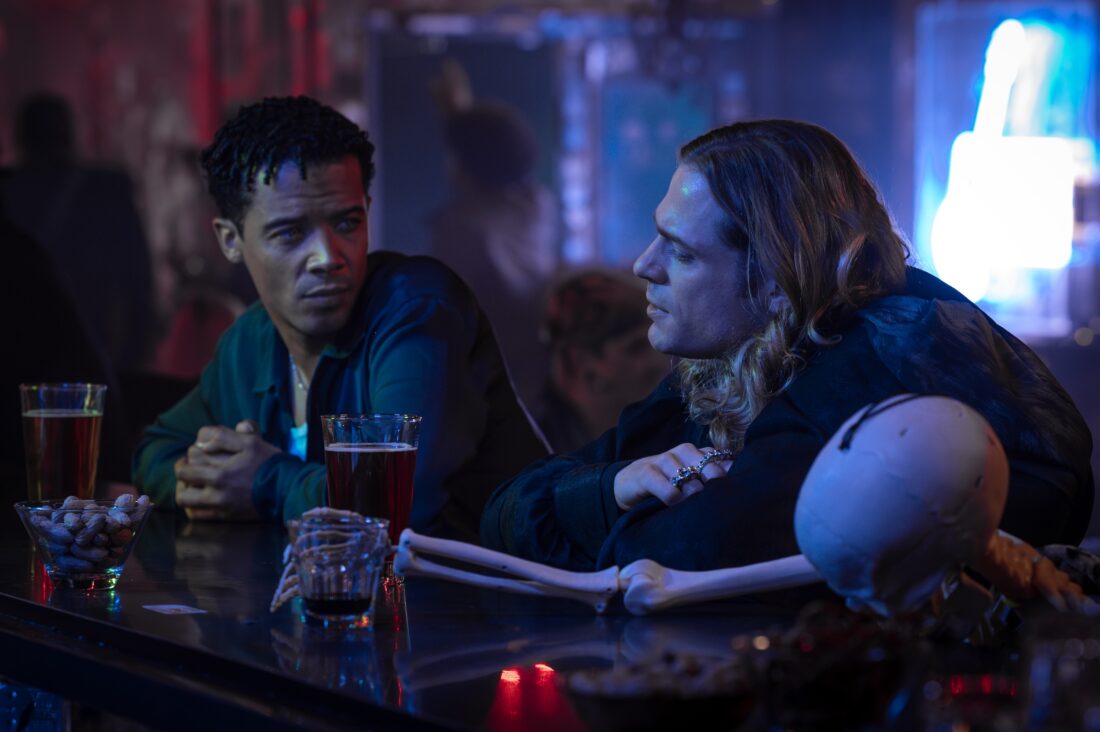
The existence of future-timeline scenes where Louis is alive and present at an auction serves as the strongest argument against a permanent demise. We know the destination; we are simply being forced to walk through the fire to understand how they arrived there. The implication is that the finale will not be about the end of these characters, but about the permanent scarring that results from this particular act of betrayal.
Thematic Analysis: The Burden of Immortality
At its core, "Montreal" explores the central theme of the series: the disconnect between loving someone and doing right by them. The characters are trapped in cycles of trauma, repeating the same mistakes across centuries because they lack the tools to break them.
Lestat’s admission—"I’m a monster"—is delivered not with the flair of a rock star, but with the weary resignation of someone who has spent an eternity trying to be something else. Louis’s response—that he is a "zip code of mess"—is equally significant. It represents a rare, raw moment of honesty that strips away the supernatural veneer and reveals two individuals who are profoundly lost.
Looking Toward the Finale
As we look toward the season finale, the audience is left with more questions than answers. Is Armand truly a turncoat, or is he playing a long game? What is the significance of the "bowling bags" and the apparent indifference of the perpetrators as they walk away from the scene?
The episode "Montreal" succeeds because it makes the supernatural feel deeply, uncomfortably human. It forces the audience to grapple with the reality that, even for immortals, the consequences of one’s actions are inescapable. The show has successfully moved beyond the tropes of vampire fiction and into the realm of a tragic, operatic exploration of the human condition.

Whether or not the heads are reattached, the characters we knew at the start of this episode have been irrevocably changed. The "Failures" that define this season are not just the external plot points, but the internal collapse of the protagonists themselves. As the final curtain prepares to rise, one thing is certain: the aftermath of this Halloween night will define the legacy of these characters for decades to come.
Disclaimer: This analysis is based on the events depicted in the sixth episode of the current season. Further developments will be monitored as the series concludes.