

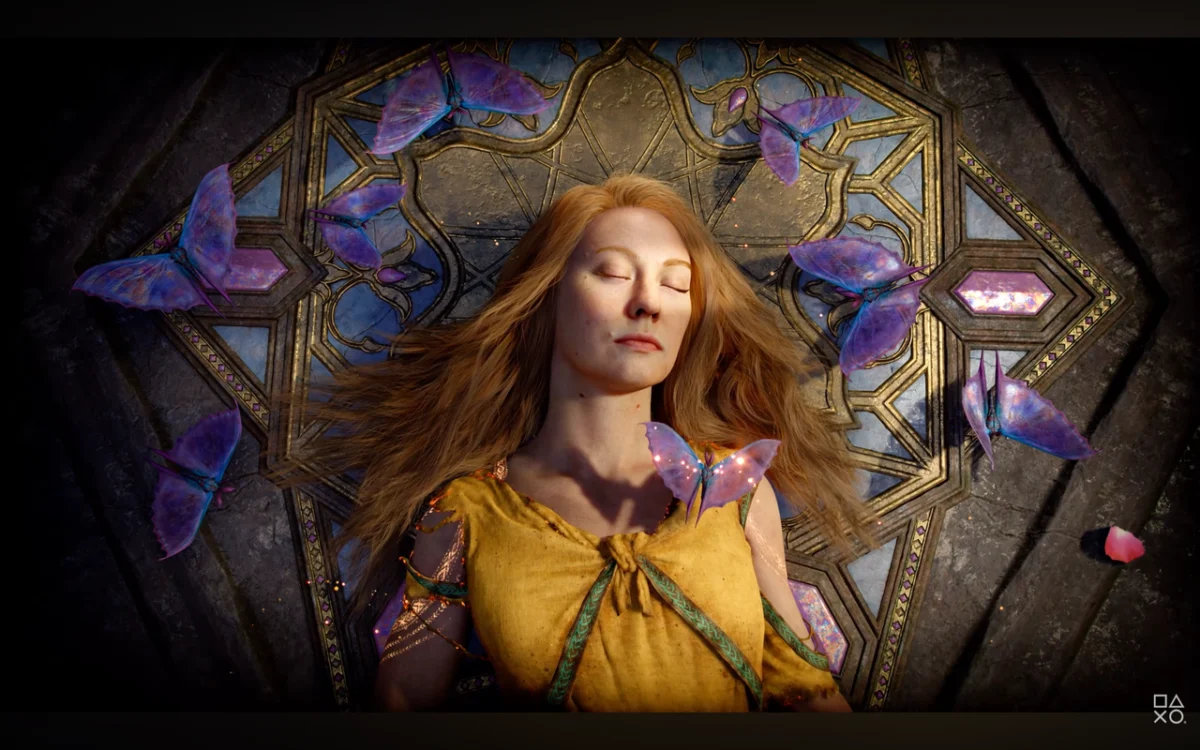
The PlayStation State of Play event held in June 2026 delivered a seismic shock to the gaming industry, shifting the focus of one of Sony’s most iconic franchises toward a character who has long existed in the periphery: Faye. Titled God of War: Laufey, the upcoming title promises to peel back the layers of the mysterious woman who shaped the trajectory of Kratos and Atreus. With a stunning 20-minute gameplay trailer that showcased fluid combat, intricate world-building, and a narrative scope that feels both intimate and grand, Santa Monica Studio has firmly planted its flag in the next generation of the God of War saga.
The Reveal: A New Chapter in the Norse Saga
The unveiling of God of War: Laufey was the undeniable centerpiece of the June 2026 State of Play. For years, fan speculation has run rampant regarding the potential for a prequel exploring Faye’s life in Midgard, particularly her legendary exploits as the protector of the giants. However, the gameplay demonstration quickly dispelled these notions, presenting a narrative that is firmly grounded in the established timeline of the Norse era.
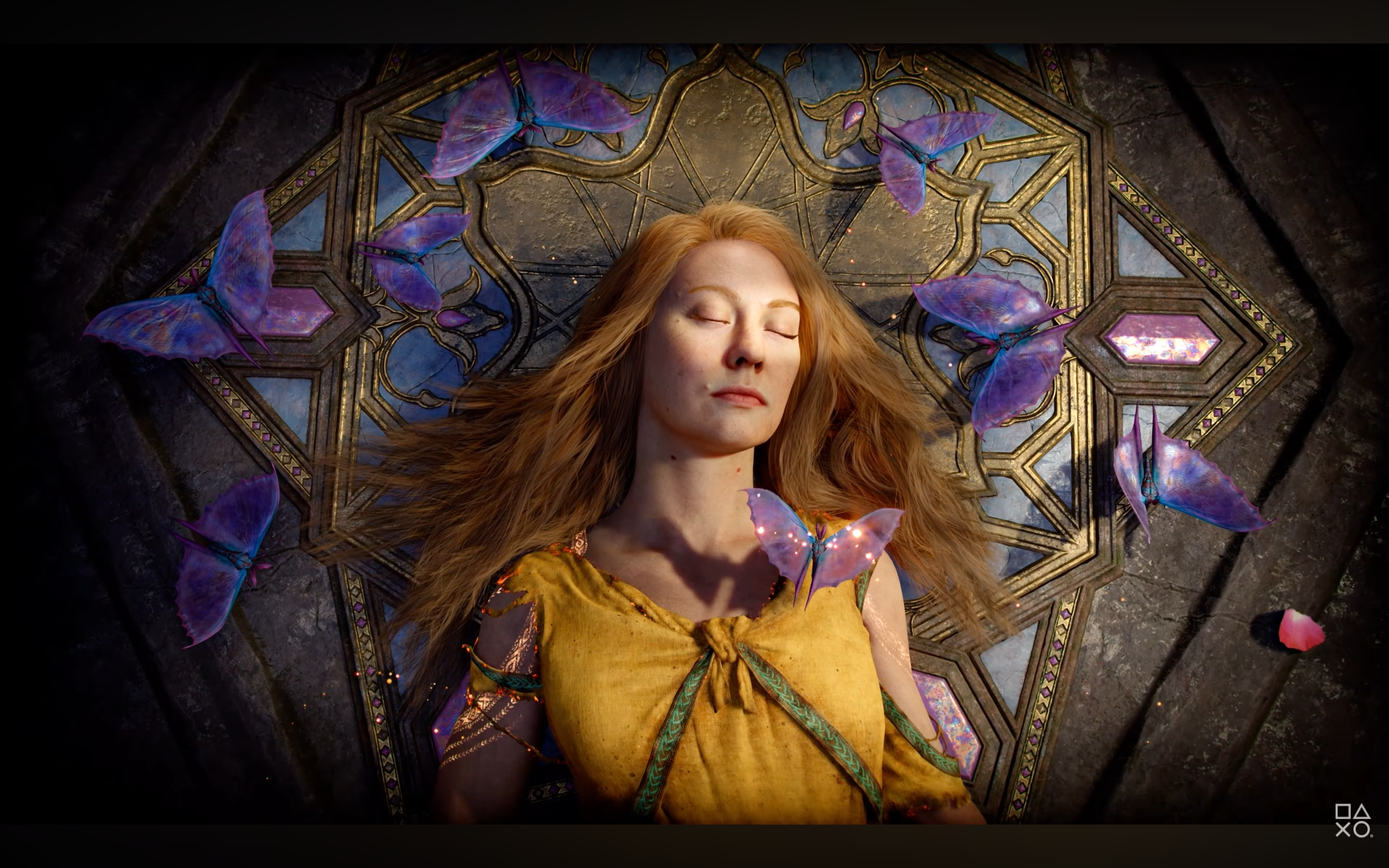
The trailer opened with a familiar sight—the funeral pyre of Faye, the emotional catalyst for the 2018 God of War reboot. Yet, rather than fading to black, the camera lingered, following the aftermath of that pivotal moment. The footage showcased a seamless transition into a world where Faye’s influence remains tangible, exploring the hidden paths she walked and the enemies she faced while Kratos and Atreus were elsewhere.
Visually, the game represents a significant technical leap for the franchise. The environment design, characterized by the lush, overgrown aesthetics of the Nine Realms, feels more reactive and alive than ever. From the subtle lighting effects dancing through the forest canopy to the tactile weight of combat, God of War: Laufey appears to be a definitive showcase for the PlayStation 5’s capabilities.
Chronology: Bridging the Gap
One of the most critical clarifications provided during the event concerns the game’s place in the broader narrative. Following the showcase, Santa Monica Studio Creative Director Cory Barlog sat down with the game’s director, Ariel Lawrence, to address the burning questions of the community.
"This is not a prequel," Barlog emphasized during the interview. "This is a continuation of the timeline, picking up right at the beginning of the 2018 God of War. We are looking at the immediate aftermath of that funeral pyre. The question we are answering is: what happened to Faye after that moment?"
This narrative choice is bold. By placing the game directly after the events that set Kratos on his path, the developers are creating a "parallel" experience. Players are not just revisiting the past; they are exploring the "missing" threads of the tapestry that connected the events of the 2018 title and God of War Ragnarok. This chronology allows the game to maintain the emotional weight of the previous titles while introducing new mechanics and story beats that feel essential rather than supplemental.
Technical Mastery and Gameplay Mechanics
From the 20 minutes of footage released, it is evident that God of War: Laufey maintains the signature "one-shot" camera style that has defined the series since 2018. However, the combat feels distinct. While Kratos is defined by the heavy, visceral impact of the Leviathan Axe and the Blades of Chaos, the footage of Laufey suggests a more agile, precision-based combat style.
The introduction of new companion mechanics—most notably the "little cube guy," colloquially dubbed "Phranque" by the community—has already sparked intense debate. Whether this companion serves as a narrative device or a gameplay utility, its inclusion indicates that the series is continuing to iterate on the companion-based combat systems introduced in the previous two games.
Furthermore, the environmental traversal has been expanded. The trailer highlighted verticality and puzzle-solving elements that lean heavily into the magical nature of the Jötnar. The ability to manipulate the environment using ancient runes and the unique capabilities of a giantess adds a layer of depth that promises to differentiate the gameplay loop from that of the Kratos-led titles.
Official Responses and Creative Vision
The transition of leadership for this project is a significant talking point. Ariel Lawrence, serving as the Game Director, brings a fresh perspective to the franchise, with Barlog moving into a broader supervisory role. In their joint interview, Lawrence noted that the goal of the project was to humanize the myth.
"Faye was always a force of nature," Lawrence explained. "In this game, we wanted to capture the duality of her existence—as a mother, as a warrior, and as the linchpin of the entire Norse conflict. We aren’t just showing what she did; we are showing who she was when no one was watching."
Barlog’s endorsement of this vision suggests that the studio is confident in its ability to expand the God of War universe beyond the protagonist who has defined it for two decades. The studio’s commitment to "continuing the timeline" rather than recycling past events is a deliberate attempt to keep the narrative momentum moving forward, even when looking back at the foundation of the story.
Implications for the Future of the Franchise
The announcement of God of War: Laufey has profound implications for the future of Sony’s first-party lineup. First, it confirms that the God of War IP remains a cornerstone of the PlayStation ecosystem, even as other major franchises seek to reinvent themselves.
Secondly, the success of this reveal highlights the "State of Play" format as a premier vehicle for industry news. In an era where E3 is a memory and digital showcases have become the norm, the ability to generate such high levels of engagement—from the viral discussions surrounding "Phranque" to the deep-dive analyses of the trailer—is a testament to the enduring power of the brand.
Finally, the game serves as a bridge for the next era of the studio. By focusing on a character whose fate was sealed before the player even took control of Kratos, the developers are proving that they can build high-stakes, high-emotion experiences that do not rely on the physical presence of the "God of War" himself. This opens the door for a future where the franchise could become an anthology of sorts, exploring different characters and mythologies while maintaining the core "God of War" DNA.
A Crowded Horizon
While God of War: Laufey dominated the conversation, it is worth noting that it exists within a highly competitive landscape. The 2026/2027 release window is shaping up to be one of the most significant periods for gaming in recent history. The announcement of Until Dawn 2 for 2027, the long-awaited release of Silent Hill: Townfall in September 2026, and the excitement surrounding new IPs like Kemuri create a crowded, albeit thrilling, calendar.
The fact that God of War: Laufey managed to capture the spotlight despite these other high-profile announcements speaks to the cultural resonance of the series. Fans are clearly hungry for more of the Norse world, and the willingness of the audience to embrace a perspective shift is a clear signal that the franchise’s potential is far from exhausted.
Conclusion
As we look toward the release of God of War: Laufey, the industry finds itself in a state of anticipatory excitement. The game is more than just a companion piece to the 2018 reboot; it is an exploration of the themes of fate, choice, and sacrifice that have long permeated the series. By focusing on the woman who changed the course of history, Santa Monica Studio is not only honoring the past but also carving out a bold, new path for the future.
Whether you are a longtime veteran of the franchise or a newcomer to the Nine Realms, God of War: Laufey stands as a reminder of why this series remains the gold standard for narrative-driven action games. With the stage set and the timeline clarified, all that remains is to see how the story of the woman behind the legend truly unfolds.











No comments yet. Be the first to join the conversation!