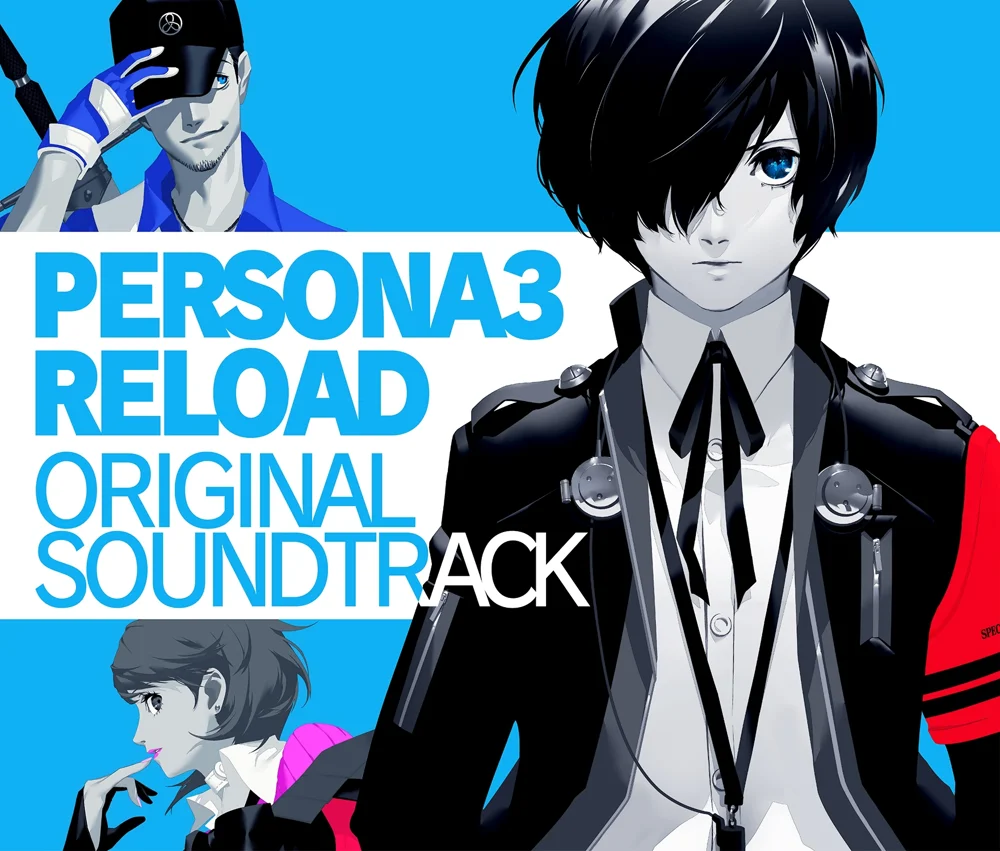
For those who have navigated the halls of Gekkoukan High School and braved the depths of Tartarus, the Persona series is more than just a JRPG experience—it is a sensory immersion. To finish a Persona game is to have its soundtrack permanently etched into one’s psyche. From the jazz-infused urban sprawl of Persona 5 to the neon-soaked pop sensibilities of Persona 4, the franchise has long been defined by its "buttery smooth" and undeniably cool musical identity. However, many enthusiasts argue that the foundation of this reputation was laid by composer Shoji Meguro with the original Shin Megami Tensei: Persona 3.
With the release of Persona 3 Reload in 2024, developer Atlus faced a daunting task: modernizing an all-timer soundtrack for a new generation while respecting the melancholic, hip-hop-inflected legacy of the PlayStation 2 classic. While the result is a sonic triumph that polishes the original’s rougher, compressed edges, it leaves long-time fans debating the balance between faithful preservation and bold innovation.
The Foundation: A Legacy of Innovation
When Persona 3 launched in 2006, it broke the mold of the traditional JRPG score. It traded orchestral bombast for acid jazz, trip-hop, and R&B, creating a soundscape that felt as lonely and nocturnal as the game’s "Dark Hour" premise. Shoji Meguro’s work became the blueprint for the modern Persona identity.
Persona 3 Reload serves as a high-fidelity remastering of this legacy. Under the stewardship of Atlus sound director Atsushi Kitajoh, the remake utilizes a "two-tier" approach to its tracklist. Songs labeled simply by their title (or with a "P3R ver." suffix in Japanese regions) represent faithful, remastered, or re-recorded iterations of Meguro’s original compositions. Conversely, tracks marked with the "-Reload-" suffix signify more significant structural arrangements led by Kitajoh and his team.
The Personnel Transition: Passing the Torch
A critical component of the Persona 3 sound was the vocal synergy between rapper Lotus Juice and singer Yumi Kawamura. For the Reload project, the vocal landscape underwent a necessary shift. Due to health concerns, original singer Yumi Kawamura was unable to return for the full production. She was succeeded by Azumi Takahashi, a transition handled with immense care.
Takahashi’s performance is a masterclass in respectful homage. She adopts the melodic contours and emotional weight of Kawamura’s original performances so seamlessly that the average player might not immediately register the change. Her voice retains the soul of the original songs while benefiting from the crisp, high-fidelity production standards of 2024. Meanwhile, Lotus Juice continues his role as the series’ perennial hype-man, returning to provide his signature flow for both updated classics and fresh compositions.
New Additions to the Canon
Out of the 62 tracks included in the Persona 3 Reload soundtrack, only a small handful are entirely original. These new additions offer a fascinating window into how Atlus views the evolution of the series.
"Full Moon Full Life"
The game’s new opening theme is a vibrant, high-energy declaration of intent. It blends the bubbling pop energy of Persona 4 Golden with the gritty, scratchy darkness that defined the original Persona 3. The track expertly balances Takahashi’s soaring rock choruses with Lotus Juice’s rhythmic, punchy delivery. It feels like a celebration of the sub-series’ growth, acting as both a bridge between the past and present and a standalone anthem that captures the existential urgency of the narrative.
"Color Your Night"
Perhaps the standout addition is "Color Your Night," a nighttime exploration theme that feels heavily influenced by the cool, nocturnal aesthetic of Persona 5. The track features a groovy, walking bassline and intricate piano melodies that create a laid-back, infectious rhythm. The most surprising element, however, is hearing Lotus Juice step into a singing role. The inclusion of a children’s chorus shouting in the background adds a layer of whimsy that makes the track a joy to listen to while wandering the streets of Port Island.
"It’s Going Down Now"
This battle theme, triggered by pre-emptive strikes, is designed to be heard frequently. It succeeds by leaning into the "hushed rap" style that characterizes the series’ most intense combat encounters. The interplay between Lotus Juice’s subdued, rhythmic verses and Takahashi’s vocal stabs—which are cleverly utilized like DJ scratching—makes the combat loop feel fresh even after hours of grinding.
The Content Divide: The Portable Disappointment
Despite the sonic success of the remake, there is a notable point of contention among the community. Persona 3 Reload famously excludes major narrative and structural content from Persona 3 Portable (the PSP version), which many fans consider the definitive version of the game. Consequently, the 10 tracks unique to the Persona 3 Portable Original Soundtrack are entirely absent from the Reload experience. For those who entered the series through Portable, this omission feels like a missing piece of the puzzle, reinforcing the idea that while Reload is a technical marvel, it is not a "complete" compilation of all things Persona 3.
Technical Analysis: Balancing the Mix
The overarching goal of the Reload soundtrack was to move away from the heavily compressed, bit-crushed electronic elements of the 2006 original. In this regard, the production team has succeeded brilliantly. The instrumentals are cleaner, the low-end is more defined, and the spatial separation between instruments creates a wider, more immersive soundstage.
However, not every change is universally praised. The downloadable bonus track "Burn My Dread -Reload-" has been criticized for burying the iconic, soaring chorus in the mix, which diminishes the emotional "punch" of the original. Similarly, the "Last Battle Reload" remix of "Burn My Dread" feels, to some, as though it sacrifices the raw, unhinged energy of the original for a more polished, safe, and overly rap-heavy arrangement.
Implications for the Future
The decision to stick so closely to the original source material carries significant implications for the future of the Persona franchise. On one hand, it confirms that the twenty-year-old compositions are timeless; they require little alteration to remain competitive in today’s market. On the other hand, the relative scarcity of new music suggests a potential creative stagnation.
As the Persona fandom grows, fueled by the massive success of Persona 5 and its spin-offs, the demand for innovation is higher than ever. While Reload succeeds as a love letter to the past, it leaves fans yearning for a future installment that pushes the series’ sound into uncharted territory.
Conclusion: A Worthy Sonic Experience
Ultimately, Persona 3 Reload is a testament to the enduring quality of Shoji Meguro’s original vision. While it may not offer the radical reinvention some might have expected, it succeeds in every metric that matters: it is catchy, it is atmosphere-driven, and it is meticulously produced.
Tracks like "Color Your Night," "Memories of the City," and "Want To Be Close -Reload-" prove that the Persona sound is still in capable hands. Whether you are a veteran of the Gekkoukan halls or a newcomer attracted by the modern aesthetic, the Persona 3 Reload soundtrack is a mandatory listen. It may not replace the original in the hearts of purists, but it certainly stands alongside it as a worthy, polished, and profoundly enjoyable evolution of a legendary score. The music of Persona 3 continues to define the series, and with this release, it has secured its place for another twenty years of influence.