

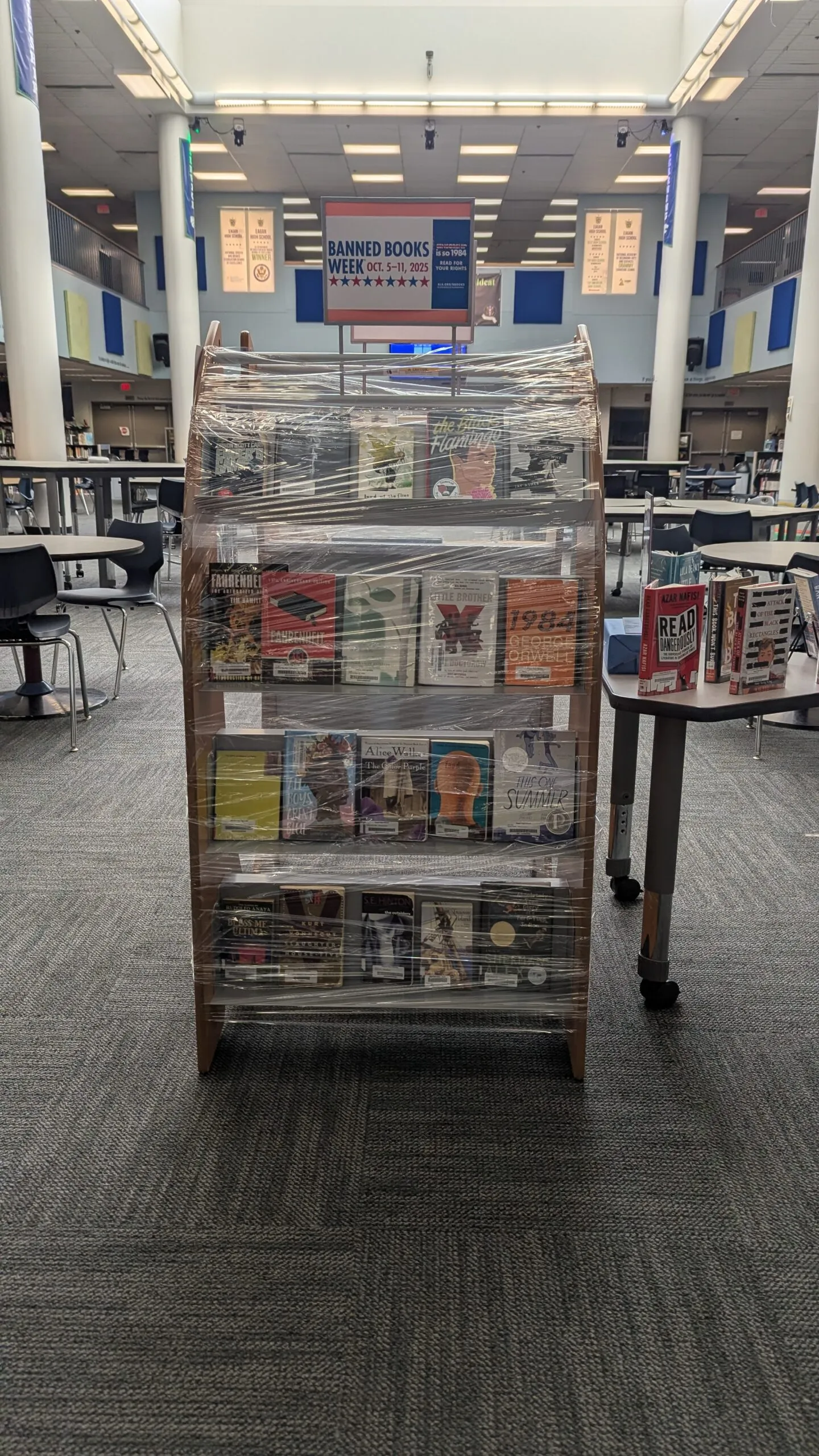
As June 2026 arrives, the celebration of Pride Month in libraries across the United States has transitioned from a period of community joy into a complex, high-stakes battleground for intellectual freedom. This year, the conversation is fundamentally shaped by the looming shadow of federal legislation: House Resolution 7661. This proposed bill represents perhaps the most significant threat to LGBTQ+ representation in publicly funded institutions in recent history, casting a pall over libraries that once served as safe havens for queer history and identity.
The Federal Threat: Understanding H.R. 7661
House Resolution 7661 is a wide-reaching piece of legislation that seeks to impose a nationwide ban on “sexually oriented material” within public schools that receive federal funding. The bill’s language is intentionally broad, targeting materials that depict “gender dysphoria or transgenderism,” as well as anything deemed “lewd or lascivious dancing.”
For library workers, the implications are severe. By conflating LGBTQ+ existence and history with sexualized content, H.R. 7661 provides a federal framework for the systematic erasure of queer voices. This is not merely a local policy dispute; it is a federal attempt to mandate the removal of specific viewpoints from public education, effectively creating a "slippery slope" that threatens the foundational principles of academic and public libraries.
Chronology of a Coordinated Campaign
To understand the current climate, one must look at the recent trajectory of library censorship. The assault on LGBTQ+ materials did not emerge in a vacuum.
- 2023: The rise of the "Hide the Pride" movement marked a shift toward coordinated, decentralized efforts to pressure libraries into removing displays.
- 2024: Evidence of "quiet censorship" emerged, where library staff, facing intimidation or board pressure, began self-censoring by omitting Pride displays to avoid controversy.
- 2025: The political landscape grew increasingly hostile, with several documented cases of physical destruction, including the reported burning of library collections featuring LGBTQ+ and diverse educational titles.
- 2026: We are witnessing the formalization of these attacks through federal legislative efforts like H.R. 7661, alongside a deepening, often silent, removal of programming and acquisitions.
Supporting Data: The Scope of the Crisis
Research indicates that LGBTQ+ titles are the most frequently targeted books in the country. A report on parental perceptions, conducted in early 2024, highlights a widening chasm between the vocal, well-funded minority demanding book removals and the broader community’s actual needs.
The correlation between organized political pressure and the disappearance of Pride displays is statistically significant. When partisan groups pressure boards, the immediate result is often the cancellation of events, such as Drag Storytime, and a reduction in the acquisition of new LGBTQ+ literature. This occurs despite data showing that when these books are made accessible, circulation rates remain high, proving that the demand for these stories is not fading—only the access to them is.

The Human Cost: Protecting Staff and Patrons
Beyond the books themselves, the most vulnerable parties are often the library workers. Many staff members are themselves members of the LGBTQ+ community, and the current atmosphere of intimidation creates an untenable work environment.
Library leadership has a moral obligation to protect these employees. Creating a safe, inclusive workspace is not just an internal HR matter; it is a commitment to democratic values. When a library curates a diverse collection, it serves as a beacon of civic engagement. Conversely, when that library caves to external pressure, it sends a message that certain members of the community are "less than," damaging the trust between the institution and the public it serves.
Tactical Advocacy: A Guide for the 2026 Season
In this high-pressure environment, passive observation is no longer an option. Librarians and library advocates must adopt a multifaceted approach to protect the freedom to read.
1. Document Everything
Tracking what is displayed—and what goes missing—is essential. In an era where books are increasingly subject to physical attack, maintaining a paper trail is a critical administrative safeguard. Photographs and digital inventory lists act as evidence for board members and stakeholders.
2. Digital Accessibility and QR Codes
If physical space is limited or if displays are frequently vandalized, use QR codes to link patrons directly to the library catalog. This ensures that even if a book is removed from a shelf, it remains discoverable.
3. Radical Transparency
Be explicit with your community about the nature of book bans. If a title is challenged, be transparent about the library’s collection development policy. If the library is unable to hold a Pride display due to local restrictions, use the empty space to inform the public. A display covered in black fabric with a sign reading, “These books are currently illegal to share in this facility,” serves as a powerful, non-violent form of protest.

4. Direct Engagement with Boards
Public board meetings are the primary venue for accountability. Patrons should attend these meetings and ask difficult, direct questions:
- "How is this board actively protecting the intellectual freedom of our students and patrons?"
- "Why are we allowing partisan rhetoric, such as the term ‘groomer,’ to go unchallenged in our public discourse?"
- "What is our position on H.R. 7661, and how are we communicating our opposition to federal representatives?"
5. Supporting Pro-Library Legislation
While fighting H.R. 7661, advocates must also support bills that strengthen access, such as H.R. 7691 (the "Fight Book Bans Act"), H.R. 6440/S. 3365 (the "Right to Read Act"), and the "Prison Libraries Act." These pieces of legislation provide the necessary funding and legal structure to protect library collections from political overreach.
Implications: The Future of Democracy
The assault on libraries is a litmus test for the health of American democracy. When we allow government officials or small, well-funded interest groups to dictate what ideas are "appropriate" for the public, we relinquish our right to self-education and discovery.
The fight for Pride in 2026 is, at its heart, a fight for the future of the library as a public commons. Every time a librarian stands up to defend a book, or a patron asks a board member why a display was removed, they are engaging in a radical act of civic participation.
We invite all library workers and supporters to share their experiences of censorship this June through our official reporting form. By aggregating these stories, we create a clear picture of the national crisis, providing the data necessary to challenge the narratives used by those who seek to silence the queer community.
This Pride Month, remember: your voice is a tool, your advocacy is a necessity, and your library belongs to everyone—not just the few who wish to see it shrink. Stay informed, stay vocal, and continue to serve as the front line for the First Amendment.












No comments yet. Be the first to join the conversation!