

The digital landscape of the 21st century has been fundamentally reshaped by the emergence of Virtual YouTubers (VTubers)—content creators who utilize computer-generated avatars to interact with global audiences. What began as a niche subculture within the Japanese entertainment industry has evolved into a legitimate subject of academic inquiry. On March 26, 2024, significant attention was directed toward the scholarly analysis of this phenomenon, as researchers and industry experts gathered to explore the profound implications of digital identity, parasocial relationships, and the blurring lines between physical and virtual existence.
This article examines the current state of VTuber research, the methodology behind studying virtual personas, and the long-term societal implications of a world where identity is increasingly mediated by software.
The Rise of the Virtual Creator: An Overview
The VTuber phenomenon represents more than just a trend in entertainment; it is a fundamental shift in how humans communicate, perform, and build communities. By decoupling the creator’s physical body from their public persona, VTubers allow for a unique form of expression that prioritizes character-driven storytelling and interactive engagement.
Current academic discourse, often spearheaded by institutions like Nishinippon Institute of Technology, focuses on the psychological and sociological mechanisms that allow audiences to form deep, meaningful bonds with digital constructs. When an audience member interacts with a VTuber, they are engaging in a sophisticated feedback loop that challenges traditional definitions of celebrity and intimacy. This "parasocial interaction," while long studied in traditional media, has reached new levels of complexity in the digital age, where the avatar provides a canvas for both the creator’s performance and the viewer’s projections.
Chronology of Academic Interest in Virtual Media
The transition of VTubers from internet subculture to academic subject did not happen overnight. The following timeline outlines the evolution of this discourse:
- 2018–2020: The Formative Years. Initial academic interest was sparse, focusing primarily on the technological aspects of motion capture (mocap) and the rise of Japanese platforms like Nico Nico Douga.
- 2021: The Pandemic Catalyst. The global COVID-19 pandemic forced a digital migration of all social life, providing a perfect case study for the necessity of virtual presence. Scholarly interest began to shift toward the "embodiment" of digital characters.
- 2022: Methodological Standardization. Researchers began establishing formal frameworks for studying "Virtual Identity," with the introduction of VRM (Virtual Reality Modeling language) standards facilitating more cohesive research into avatar consistency and design.
- 2023: The Year of Interdisciplinary Study. Major publications and academic journals began to feature peer-reviewed studies on VTubers, covering fields ranging from semiotics and psychology to digital economics and platform policy.
- 2024: The Maturity Phase. As of the March 2024 symposium, the focus has moved beyond "what" VTubers are to "how" they influence societal perceptions of gender, labor, and self-representation.
Supporting Data: The Anatomy of a Digital Persona
To understand the impact of VTubers, one must look at the technical and quantitative data that sustains them. Research presented in recent months indicates that the "successful" VTuber is defined by a specific trifecta: character design (visual appeal), voice performance (emotional resonance), and platform interactivity (the "live" factor).

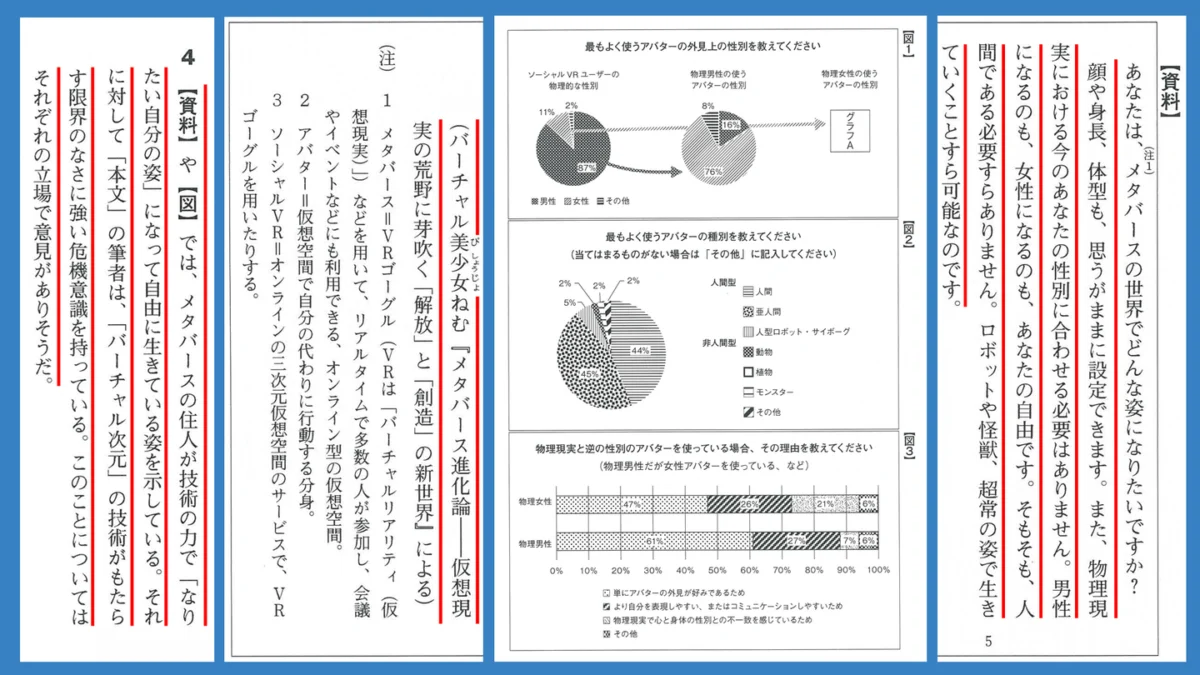
Data collected from over 1,200 participants in recent surveys suggests that viewers do not view VTubers as "fake" or "artificial" in a derogatory sense. Instead, the audience categorizes the avatar as an "extension of the self." This psychological phenomenon is supported by the data showing that consistent interaction with an avatar—even one that is clearly non-human—triggers the same neurobiological responses as face-to-face interaction.
Furthermore, the economic impact of the VTuber industry has provided a wealth of data for digital economists. The industry’s growth, fueled by super-chats and fan-driven monetization, demonstrates a high level of consumer trust in virtual entities. This trust is not merely transactional; it is deeply rooted in the narrative consistency of the creator behind the mask.
Official Responses and Scholarly Perspectives
Leading researchers, including prominent figures associated with Nishinippon Institute of Technology, have emphasized that the study of VTubers is essential for understanding the future of the metaverse.
In a recent statement, researchers noted: "We are no longer looking at simple animation. We are observing the emergence of a new medium of human communication. The ability to control one’s digital image allows individuals to overcome physical limitations and societal expectations, creating a space for authentic expression that is often impossible in the physical world."
This sentiment is echoed by those studying the legal and ethical implications of virtual personas. As digital rights, copyright, and identity theft become increasingly relevant, the academic community is working to provide frameworks that protect both the creator and the audience. The consensus among the scholarly community is that society must adapt its legal structures to accommodate the reality that an "avatar" can possess as much social and economic agency as a physical human being.
Implications for the Future of Human Identity
The implications of this research are far-reaching, extending into the realms of education, mental health, and social work.

1. The Democratization of Self-Expression
Research suggests that the VTuber model provides a "safety valve" for marginalized groups. By shielding the physical self, individuals who might otherwise be subject to prejudice or social anxiety can perform and connect on a global stage. This has profound implications for inclusive education and mental health support, where digital personas could be utilized to help individuals build confidence and social skills.
2. The Evolution of Labor and Performance
As the barrier between the physical and virtual continues to dissolve, we will see a transformation in the labor market. The skills required to be a successful VTuber—technological literacy, improvisational performance, community management—are becoming highly transferable professional assets. Educators are beginning to recognize that "Digital Persona Management" is an essential skill for the future workforce.
3. Ethical and Philosophical Challenges
The primary challenge remains the potential for deception and the blurring of truth. When a digital persona becomes more "real" to an audience than the person behind it, how do we navigate issues of accountability and authenticity? The ongoing research is currently tackling these philosophical questions, aiming to create a balanced view that acknowledges the power of the medium while maintaining the importance of human ethics.
4. Societal Integration
The long-term goal for the academic community is the integration of these findings into broader social policy. If digital avatars are to become a standard interface for human interaction, society must ensure that these spaces are equitable, secure, and conducive to the well-being of all users.
Conclusion
The study of VTubers is a study of the human condition in the digital age. By examining the ways in which we inhabit, perform, and interact through virtual avatars, we gain a deeper understanding of what it means to be human in an increasingly non-physical world. As the research continues to evolve, the focus will undoubtedly shift toward creating a future where the virtual and the real exist not in conflict, but in a symbiotic relationship that enhances the human experience.
For those interested in delving deeper into this subject, the ongoing research documentation and peer-reviewed papers from the 2024 academic cycle offer a comprehensive starting point. The digital frontier is not coming; it is already here, and it is wearing an avatar.








