Ammar Sabilarrohman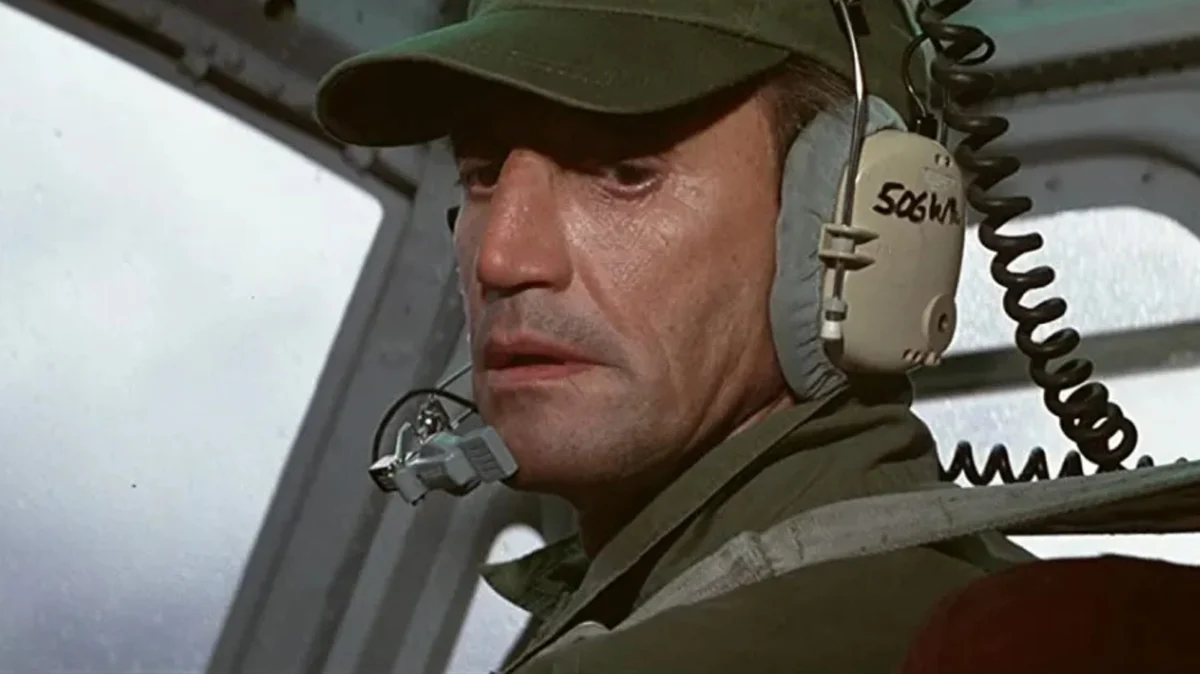
In the landscape of 1980s cinema, the era was defined by a specific brand of hyper-masculine, technology-obsessed action films. As the United States leaned into its Cold War identity, Hollywood became a factory for "gee-whiz" military hardware. Audiences were treated to a parade of hypersonic jets, laser-guided munitions, and rugged heroes who stood as the final bulwark against global chaos. Yet, amidst the glossy, pro-military spectacles of the time, director John Badham released Blue Thunder (1983)—a film that, while featuring the cutting-edge tech audiences craved, presented a deeply subversive, cynical, and ultimately prophetic look at the erosion of civil liberties through the lens of police militarization.
Now streaming on Netflix, Blue Thunder has shed its original reputation as a high-octane "f/x joyride" to emerge as a sobering, prescient cautionary tale about the surveillance state.
The Genesis of an Aerial Menace: Main Facts
The film follows Frank Murphy (played with weary, soulful intensity by Roy Scheider), a troubled LAPD helicopter pilot suffering from undiagnosed PTSD following his service in the Vietnam War. Murphy is selected to test-pilot "Blue Thunder," an experimental, heavily armed helicopter designed for urban warfare. While officially marketed as a tool to ensure peace during the upcoming 1984 Los Angeles Summer Olympics, the aircraft is secretly equipped with advanced thermal imaging, audio-surveillance microphones capable of picking up whispers from blocks away, and enough Gatling-gun firepower to level a city block.
The central conflict arises when Murphy discovers that the helicopter isn’t just a law-enforcement tool; it is the centerpiece of a clandestine operation intended to neutralize political dissidents and manipulate public sentiment through fear and state-sponsored violence. When Murphy begins to uncover the conspiracy, he realizes he is a cog in a machine that intends to treat the American public like an enemy combatant force.
A Chronology of Escalation: From 1983 to Today
To understand why Blue Thunder remains so relevant, one must look at the trajectory of American domestic policy since its release.
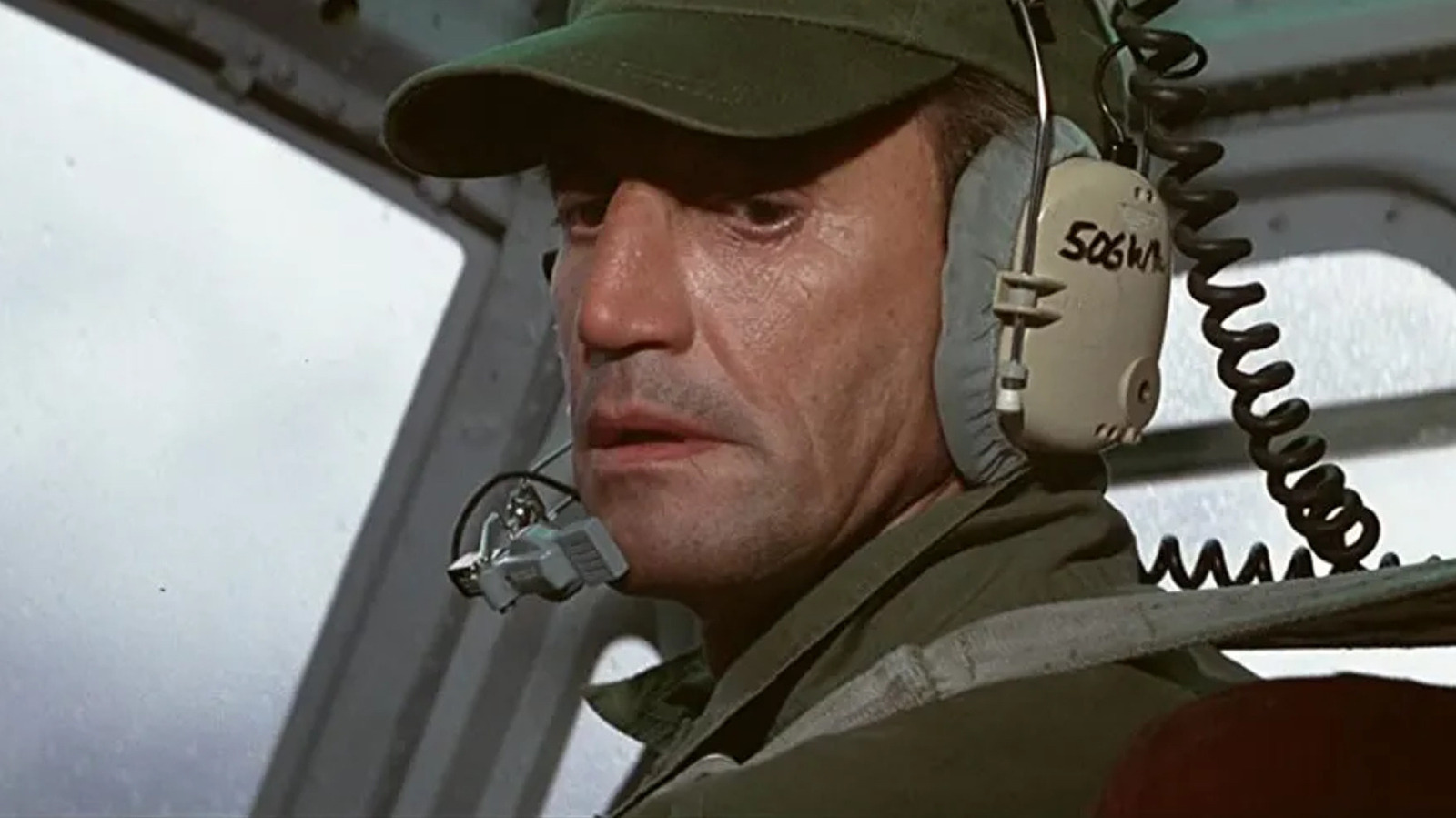
- 1983: The Cinematic Warning: Blue Thunder hits theaters. Critics praise the practical effects—which remain breathtakingly tactile today—but audiences largely view it as a high-concept action flick. The idea of a police force having "war zone" capabilities in a domestic city felt like a reach for the sake of entertainment.
- The 1990s and 2000s: The Rise of the Warrior Cop: As noted by investigative journalist Radley Balko in his seminal work Rise of the Warrior Cop, the decades following the film saw a massive shift in how local police departments were equipped. The "War on Drugs" and the post-9/11 "War on Terror" saw billions of dollars in military surplus equipment—from armored personnel carriers to tactical gear—transferred from the Pentagon to small-town police departments.
- The 2010s–Present: The Surveillance Reality: The surveillance technology depicted in Blue Thunder—once the stuff of science fiction—has become mundane. From police drones patrolling protests to the widespread use of facial recognition, Stingray devices, and pervasive digital monitoring, the "Blue Thunder" vision of an omniscient law enforcement entity is now a standard, albeit controversial, reality of modern urban life.
Supporting Data: The Militarization of the Streets
The transition from police as "peacekeepers" to police as "warriors" is not merely a subjective observation; it is a measurable trend. Since the 1990s, the "1033 Program" has allowed the Department of Defense to transfer excess military equipment to local law enforcement agencies.
Data from the American Civil Liberties Union (ACLU) and various academic studies on criminal justice indicate that the presence of militarized equipment correlates with an increase in the use of force. Furthermore, the surveillance capabilities hinted at in Badham’s film have been surpassed by modern "Smart City" initiatives. Today, cameras equipped with AI algorithms can track individual movements through city centers, essentially creating the "God’s eye view" that Murphy feared in the 1983 film. While the technology is often justified through the lens of public safety or "preventing crime," the potential for abuse—as Frank Murphy discovers—is baked into the design.
Official Responses and the Ethics of Power
Throughout history, the official response from government bodies regarding the expansion of domestic surveillance has remained remarkably consistent: transparency is a threat to security. In Blue Thunder, the antagonist Colonel Cochrane (Malcolm McDowell) justifies the suppression of dissent by framing Murphy’s conscience as a national security risk.
This mirrors the real-world discourse surrounding government overreach. When whistleblowers or independent journalists question the deployment of advanced surveillance tech in domestic environments, the common refrain from official channels is that the technology is a necessary deterrent against "threats" that the average citizen is too naive to comprehend. Blue Thunder masterfully strips away this veneer, showing that when the state is granted absolute power to monitor and destroy, it inevitably views the citizenry as the primary threat.
Implications: The Dystopian Mirror
The most profound implication of revisiting Blue Thunder in the current streaming era is the realization that the "bitchin’ helicopter" is no longer the villain—it is the system itself.
In 1983, a 10-year-old might have cheered for the machine. In 2024, the viewer sees the tragedy of a veteran like Murphy, who recognizes the fundamental betrayal of the social contract. The film suggests that technology, when removed from the constraints of constitutional oversight and human empathy, becomes a force of pure, unchecked authoritarianism.
Furthermore, the film’s lack of CGI gives it a weight and grittiness that modern superhero or action films lack. When the Blue Thunder helicopter tears through the Los Angeles River or hovers menacingly over the streets, it feels real because it was real. This physical presence adds a layer of dread; it reminds us that these tools of destruction exist in our physical space, not just on a server or in a digital cloud.
Conclusion: A Double Feature for the Modern Age
If you are looking for a double feature to pair with Blue Thunder, Paul Verhoeven’s RoboCop (1987) is the essential companion. Both films explore the terrifying intersection of corporate greed, military-industrial interests, and the decay of the individual soul within a militarized police state.
Blue Thunder is not just a relic of 80s action cinema; it is a vital document of a time when we still dared to imagine the worst-case scenario of our technological progress. It remains an invigorating, subversive, and deeply unsettling masterpiece that asks the same question today that it did over four decades ago: Who is keeping watch over those who watch us?
As we continue to navigate a world of ubiquitous sensors, drones, and militarized domestic policy, the lessons of Frank Murphy and his flight in the Blue Thunder are more pertinent than ever. It is time to revisit this classic, not for the nostalgia of the special effects, but for the haunting accuracy of its warnings.


 Jia Lissa
 Iffa Jayyana