


As a certified personal trainer, I have spent years observing how clients interact with their gym routines. There is a universal truth in fitness: everyone has a list of "favorite" moves—the ones that feel good, show off our strengths, and provide that satisfying endorphin rush. Conversely, everyone has a list of exercises they loathe.
When we are in our 20s, skipping these uncomfortable or "boring" movements is easy to justify. We tell ourselves we will catch up on them next time, or that a different, more enjoyable exercise works the same muscle group. However, as I crossed the threshold into my 40s, my perspective shifted. I realized that the exercises I once avoided were, in fact, the most vital components for maintaining long-term mobility, postural integrity, and structural balance.
Training for healthy aging is not just a concept for the elderly; it is a critical proactive measure for anyone in their 30s and 40s. The strength, stability, and bone density you cultivate today act as a biological insurance policy, protecting you against the degenerative effects of time and the risk of life-altering falls in your senior years.

The Foundation of Longevity Training
The goal of fitness after 40 shifts from purely aesthetic or performance-based metrics to a focus on functional longevity. This means prioritizing exercises that improve your ability to move through daily life—getting out of a chair, carrying groceries, or reaching for an object on a high shelf—without pain or risk of injury.
According to the Centers for Disease Control and Prevention (CDC), falls are the leading cause of injury-related deaths and non-fatal injuries among adults aged 65 and older. By incorporating specific, intentional resistance training now, you are building the neuromuscular pathways and muscular architecture required to maintain independence and physical confidence as you age.
The three exercises outlined below are not flashy, but they are transformative. By integrating them into your routine, you can ensure that your body remains resilient, balanced, and capable.

1. The Single-Leg Romanian Deadlift (RDL)
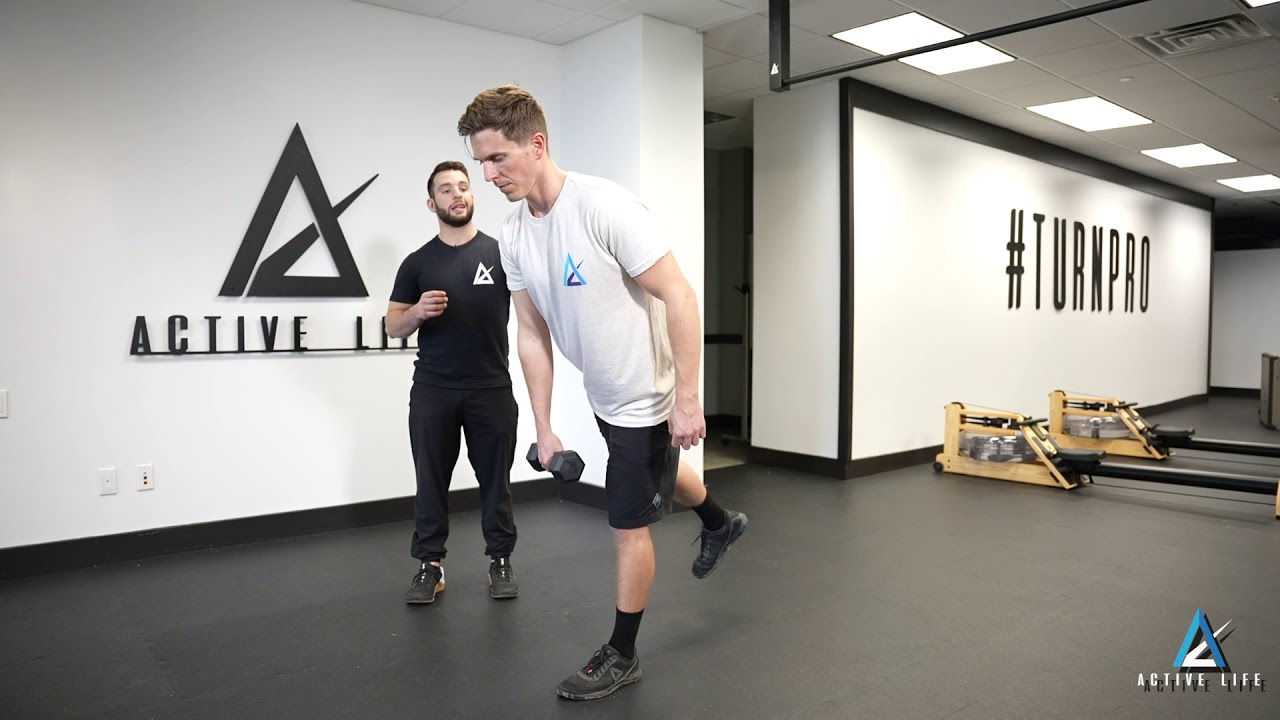
The single-leg RDL is perhaps the most underrated exercise in the gym. It requires a harmony of balance, hip hinge mechanics, and core engagement.
Why It Matters
When we walk, climb stairs, or navigate uneven terrain, we are essentially performing a series of single-leg movements. Most traditional exercises, like the standard squat or leg press, occur on two feet, which can mask imbalances between your left and right sides. The single-leg RDL forces your stabilizing muscles—the gluteus medius, the deep core, and the stabilizers around the ankle—to fire in unison.
How to Execute
- Setup: Stand holding a dumbbell in one hand or both hands, depending on your comfort level.
- The Hinge: Shift your weight onto one leg, keeping a soft bend in the knee. Hinge at your hips, pushing your tailbone backward while keeping your back flat.
- The Extension: As you lower the weight, extend your free leg behind you for counterbalance.
- The Return: Squeeze your glute to return to an upright, standing position.
- Progression: Start with body weight to master the balance. As you progress, add a moderate-weight dumbbell. Aim for 8–10 reps per leg.
2. The Pallof Press
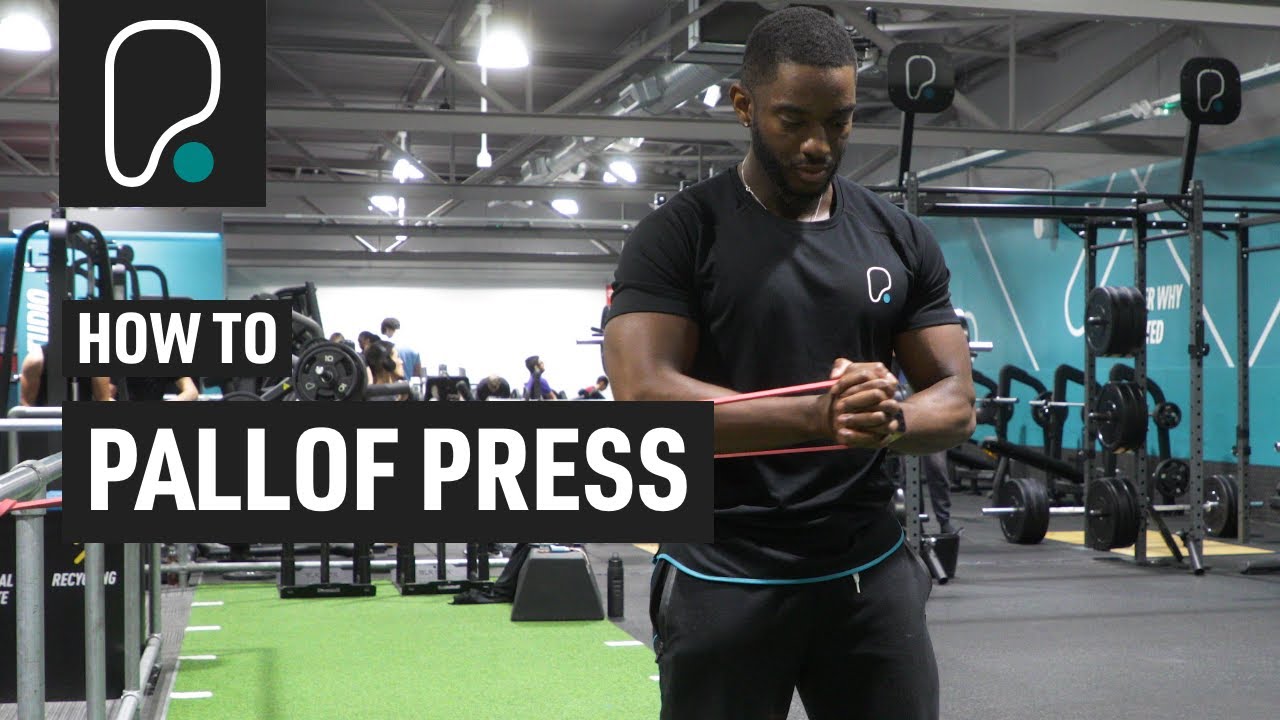
If the single-leg RDL is the king of lower-body stability, the Pallof Press is the gold standard for core rigidity. Unlike traditional crunches, which focus on spinal flexion, the Pallof Press focuses on anti-rotation.
Why It Matters
The primary function of the core is to protect the spine from unwanted movement. As we age, our spine becomes more vulnerable. By practicing anti-rotation, you teach your body to resist twisting forces, which is essential for maintaining a healthy, pain-free lower back. This movement directly translates to better posture and stability during everyday tasks, such as lifting a heavy child or reaching for a seatbelt.
How to Execute
- Setup: Secure a resistance band to a stable anchor point at chest height. Stand perpendicular to the anchor.
- The Hold: Grab the band with both hands and hold it close to your chest. Step away from the anchor to create tension.
- The Press: Keeping your core braced and your shoulders square, press your hands straight out in front of you.
- The Resistance: Fight the pull of the band, which will try to rotate your torso toward the anchor. Hold for two seconds at the full extension, then slowly return to your chest.
- Reps: Perform 10–12 controlled reps per side.
3. The Dumbbell Reverse Fly
In our modern, sedentary world, "tech neck" and rounded shoulders have become an epidemic. We spend hours hunched over desks and smartphones, causing our chest muscles to tighten and our upper back muscles to become weak and overstretched.
Why It Matters
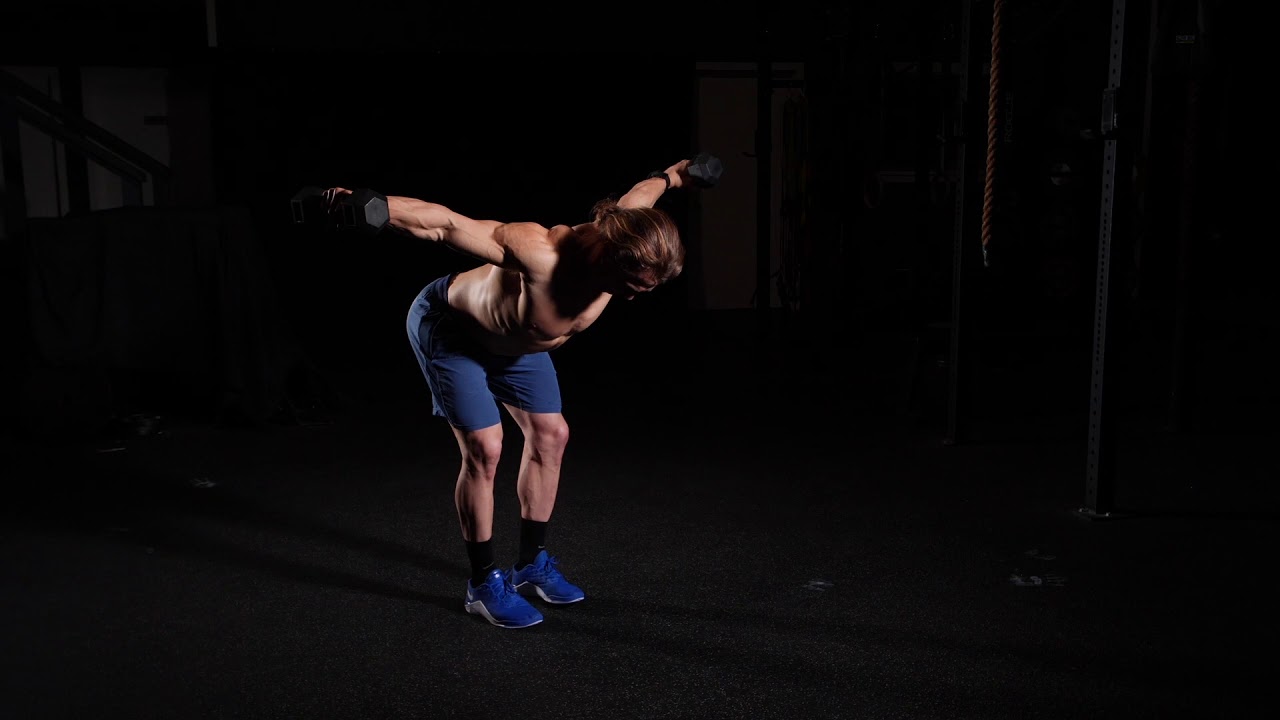
The reverse fly targets the rear deltoids, the rhomboids, and the middle and lower trapezius. Strengthening these muscles acts like a structural support system for your upper body, pulling your shoulders back into natural alignment. A stronger upper back is the primary antidote to the "slumped" posture that often plagues people as they enter their 50s and 60s.
How to Execute
- Setup: Stand with feet hip-width apart, holding a light-to-moderate dumbbell in each hand.
- The Hinge: Hinge forward at the hips until your torso is nearly parallel to the floor, keeping your back straight.
- The Fly: With a slight bend in your elbows, squeeze your shoulder blades together to lift the weights out to the sides until your arms are in line with your shoulders.
- The Control: Lower the weights back down slowly. Do not use momentum to swing the weights; focus on the contraction of the muscles between your shoulder blades.
- Reps: Aim for 12–15 reps.
Supporting Data and Medical Context
Resistance training is scientifically backed as a primary intervention for aging adults. Beyond the immediate benefits of strength and balance, lifting weights is a potent tool for combatting osteoporosis.
When you subject your bones to the mechanical stress of resistance training, you trigger a process called bone remodeling. This increases bone mineral density, effectively slowing down or reversing the age-related decline in bone mass. Research published by organizations such as the National Institute on Aging confirms that regular strength training can also improve cognitive function and metabolic health, reducing the risk of Type 2 diabetes and cardiovascular disease.
Professional Guidelines for Implementation
If you are just beginning, do not rush. The philosophy of longevity is consistency over intensity.
- Consult a Professional: Before starting any new regimen, verify your physical readiness with a primary care physician. If you are a beginner, consider booking a session with a certified personal trainer to ensure your form is precise.
- Progressive Overload: Begin with 1–2 sets of 8–10 reps. Once the movement becomes fluid and effortless, increase your repetition range to 12–15 or add a third set. Only increase weight once your form is perfect for the entire rep range.
- The "Good Form" Rule: You should be able to complete all 8–15 reps with perfect control. If your form breaks down—if you start swinging the weights, losing your balance, or rounding your back—the weight is too heavy.
Implications for Long-Term Health
The decision to include these "uncomfortable" exercises in your routine is a decision to prioritize your future self. It is easy to train for how you look in the mirror today, but it takes foresight to train for how you will function in twenty years.
By integrating the Single-Leg RDL, the Pallof Press, and the Reverse Fly into your weekly training, you are addressing the three pillars of aging: lower-body balance, spinal stability, and postural alignment. These exercises don’t require fancy gym memberships or expensive equipment—just a pair of dumbbells, a resistance band, and a commitment to your own longevity.
Start today. Your future self will thank you for the extra effort, the improved balance, and the strength that will carry you through your senior years with confidence and ease.











